In this week's reprint, author Walter Jaegerhaus explores the U.S. housing challenge, drawing a timeline of the evolution of different architectural solutions, from around the world. Seeking to "inspire designers today to create new housing options", and hoping "that the U.S can again embrace its experimental origins and try out new ideas and methods", the article highlights examples from Europe and the Americas.
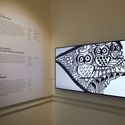
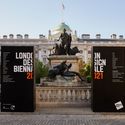
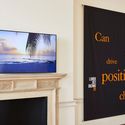
Responding to artistic director and curator Es Devlin's theme ‘Resonance’, designers from different countries, territories, and cities showcased how they envision new perspectives and solutions to global issues, exploring topics such as sustainability and the environment, globalization, migration, and the future of humanity. The diversity of the contributing curators was not only present in the solutions they presented, but in how they displayed them as well. While some opted for the tactile experience of exploring natural elements, others relied on one of the most prominent themes of the 21st century: digitalization and the virtual world.
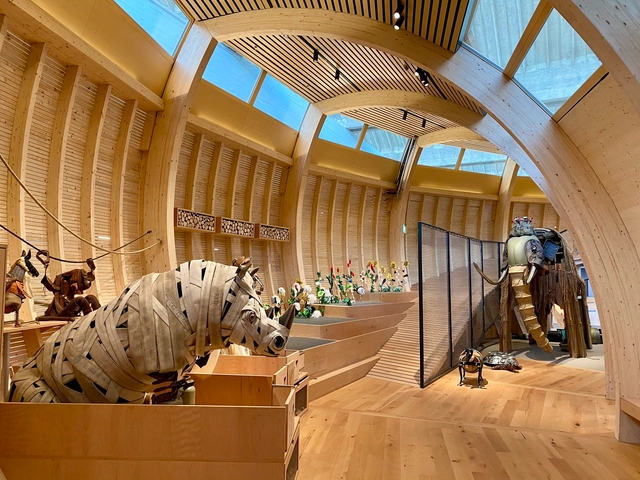
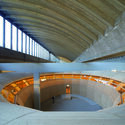
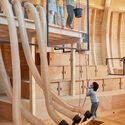
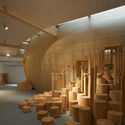
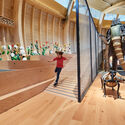
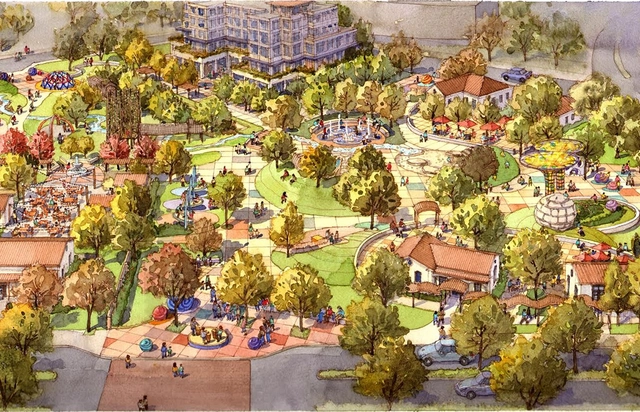
Completed in 2020, amidst the pandemic, ANOHA- The Children’s World designed by Olson Kundig for the Jewish Museum in Berlin is finally opening its doors to the young public. The design reinterprets the myth of Noah’s Ark and furthers the concept and ideas of a similar installation at Skirball Cultural Center in Los Angeles, created by the firm then named Olson Sundberg Kundig Allen. More than a museum experience, the project is a space for community building, a place for imagination and play that enacts a universal story, creating an inclusive environment for children and families of all cultures and backgrounds.
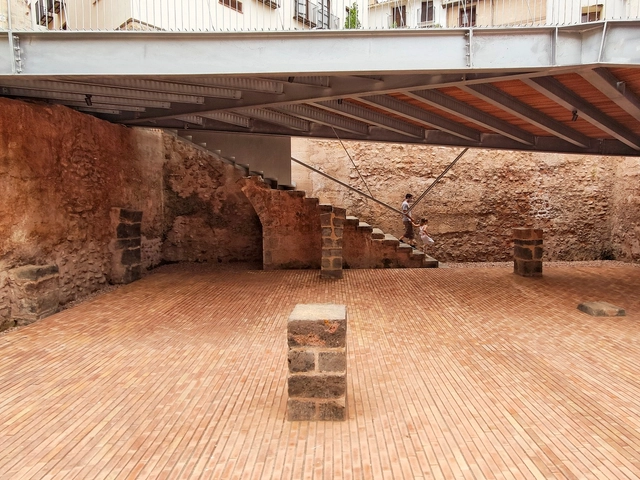
The European Award for Architectural Heritage Intervention, a biennial award organized by the COAC (Association of Architects of Catalonia) and the AADIPA (Association of Architects for the Defence and Intervention in Architectural Heritage), has announced the winners of its fifth edition.
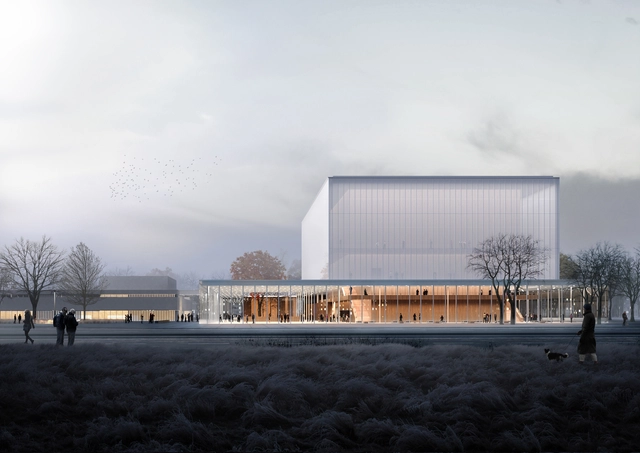
Architecture firms Topotek 1, Johannes Kappler Architektur und Städtebau, and Super Future Collective have released new images for the Nuremberg Concert Hall. While the project is on hold due to the pandemic, the competition-winning design was made as an addition to the ensemble of the Meistersingerhalle. The project is driven by the 1960s architecture of the existing building, and will address acoustic issues to provide a world-class space for performance.
Architecture firm NBBJ have unveiled the design of The Net, a next generation office tower in Seattle that fosters wellness and community. The firm's proposal comes as an answer to the problematics that high-rise buildings impose on individuals and urban spaces, such as lack of communal integration and the difficulties of accessing fresh air from the outdoors due to mechanical ventilation systems imposed on the facades.
As Francis D. K. Ching explains in his book Architectural Graphics, unlike the traditional, two-dimensional orthographic drawings used to represent layouts, sections, and floorplans, which only allow a project to be glimpsed through a series of fragmented images, axonometries, or axonometric projections, offer unique, simultaneous three-dimensional views of a project with all the depth and spatiality of tried and true technical illustrations.
Stilt houses are houses raised on piles over the surface of the soil or a body of water. Dating back to the Neolithic and the Bronze Ages, a wide variety of raised dwellings have been identified in a variety of forms worldwide, designed with several diverse and innovative methodologies. Stilt houses are well suited to coastal regions and subtropical climates. More than just a distinctive structural design resolution, they also protect against floods, maximize views and allow homeowners to build on rocky, steep, or unstable land. They also serve to keep out animals and vermin, provide ventilation from underneath, and minimize a house’s ecological footprint.
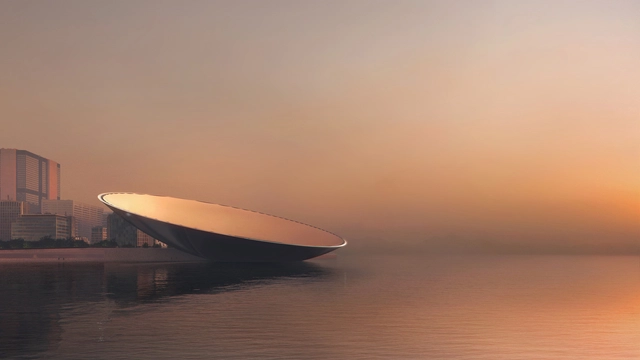
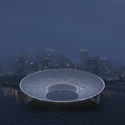
Snøhetta has proposed Lunar for the International Competition of the Landmark Design of Qianhai's New City Center. Inspired by the city's pioneering past and technology-driven future, the proposal is satellite-like structure that resembles landmarks in the era of data and technology. The proposal ranked second place in the competition alongside Sou Fujimito's floating tower.
Town halls and civic architecture are defined by spaces for gathering and focused work. Located in urban centers, they bring systems and people together. As one of the most diverse nations in the world, Spain balances a respect for history with an optimism for the future. Exploring environmental, social and economic impact, town halls represent emerging Spanish design culture and local values.
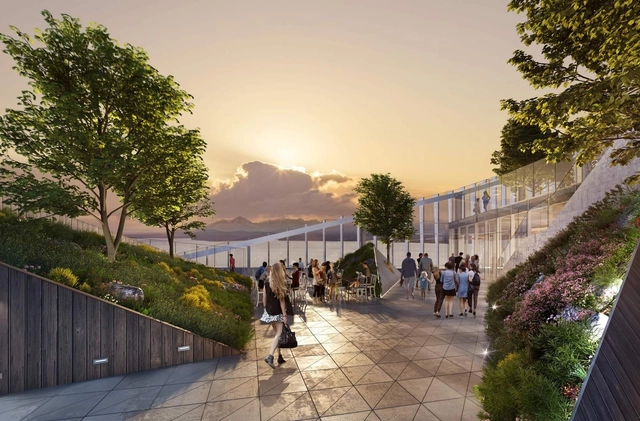
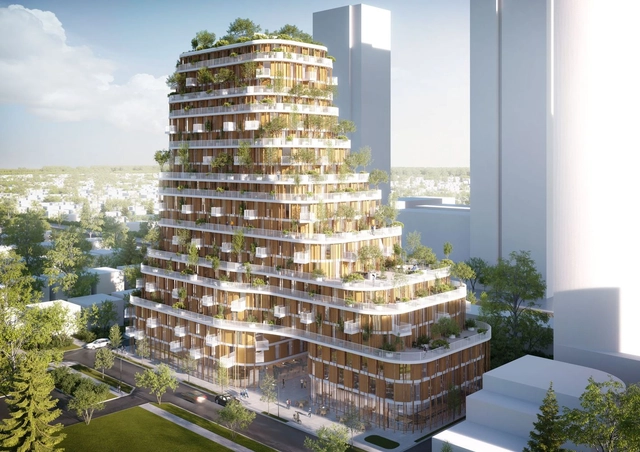
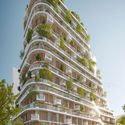
Architecture firm Urban Agency has shared new details of their Vancouver Forest development in Canada. Taking inspiration from the forest regions of the area, the project includes timber, bamboo and greenery to form a sustainable block for the city. As a series of stepped terraces, the project was designed as a 'living canopy' with trees and foliage growing along the building envelope.
Videos
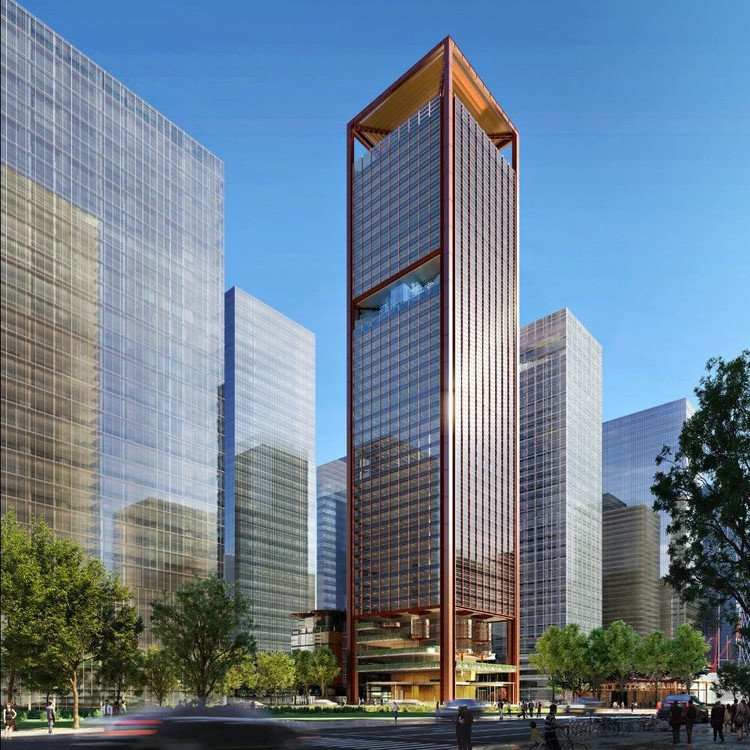
Courtesy of Rogers Stirk Harbour + Partners (RSHP)
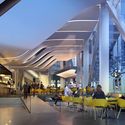
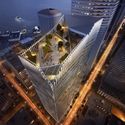
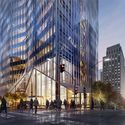
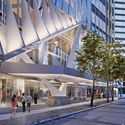
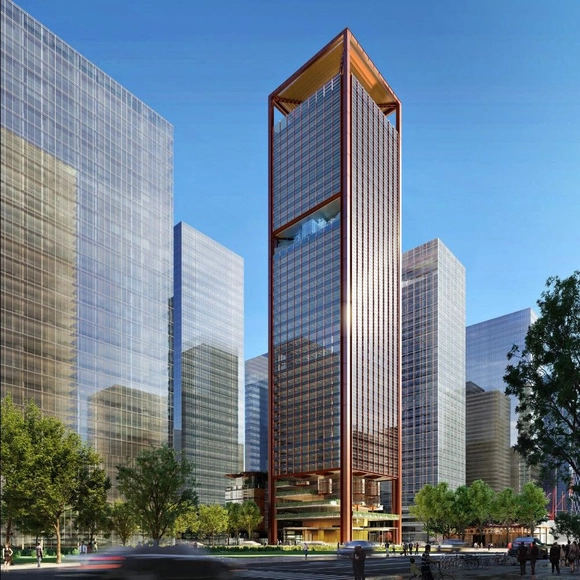
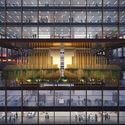
Rogers Stirk Harbour + Partners along with AUBE Conception have won the design competition of the Qianhai Financial Holdings Headquarter Tower, a mixed-use commercial building in the center of the Qianhai district in Shenzhen, China. Rising 220m, the metallic bronze-clad tower will include triple-height sky lobbies, a central atrium, and a skyline pagoda, all elevated and supported within four monumental columns.
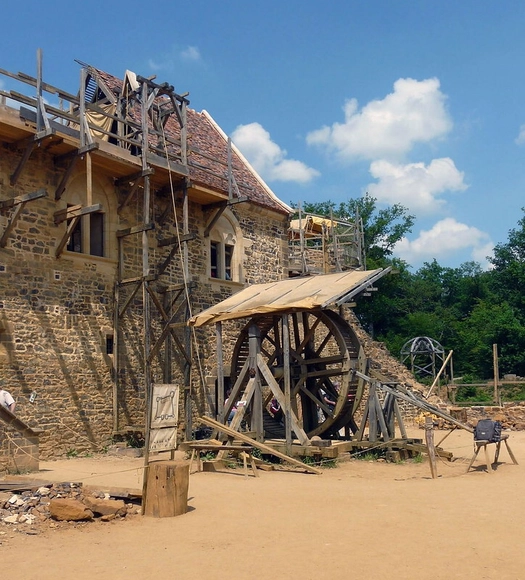
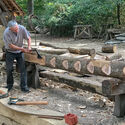
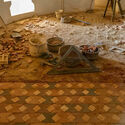
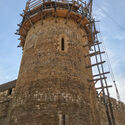
The building site is perhaps one of the most meaningful spaces for architects, as it is where the project comes to life, where techniques are actually applied, putting the project and the designer to the test. Many building sites are affected by work alienation, but they were once a place where craftsmen could learn and pass on knowledge. Today, with the evolution of construction techniques, centuries-old methods are in danger of being forgotten. This brings us to Guédelon Castle, located near the French village of Treigny.
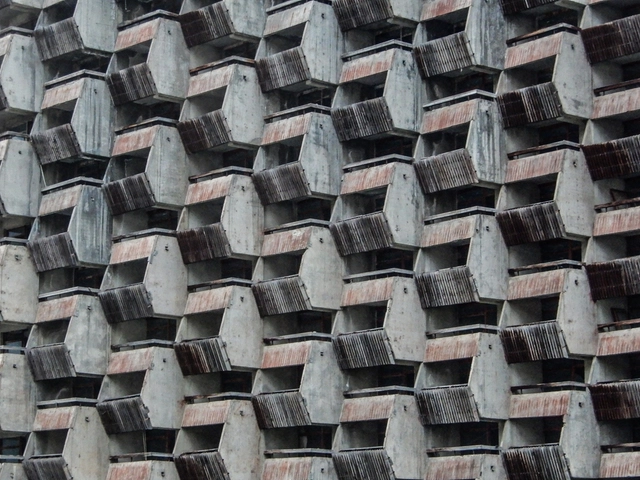
The little-known and remote area of North Caucasus is an intricate assemblage of territories, ethnicities, languages, religions, and, consequently, architectures, from Tsarist-era buildings to mosques, traditional bas-reliefs, and Soviet Modernism. The setting of controversial events and a heterogeneous cultural environment, in many ways, North Caucasus is a borderland between Europe and Asia, the former USSR and the Middle East, Christianity and Islam. Photographs by Gianluca Pardelli, Thomas Paul Mayer and Nikolai Vassiliev provide an introduction to the architectural landscape of the region.
The discussion around how we plan the cities we want to live in is a never-ending conversation. As our world experiences shifts that impact urban designs in both predictable and unpredictable ways, some principals have held true- that cities that rely less on private transportation, create walkable neighborhoods, boast a multitude of public parks and spaces, and are designed at a more human scale tend to be favored and well-recieved by the people who inhabit them. Enter the concept of New Urbanism. Backed by these ideologies with a modern spin on is how they might apply to our 21st-century lifestyles, New Urbanism a planning strategy that has been both praised and critiqued since its implementation.
Sou Fujimoto Architects have revealed the winning design of the New City Center Landmark, a monumental floating tower on the bay of the Qianhaiwan district in Shenzhen. The proposed tower is 268m high, and consists of 99 individual tower-like elements connected a strong horizontal plane in the upper part, gradually vanishing as they descend. It is both one tower and a collection of towers all at once, symbolizing the future of societies in an age of diversity.
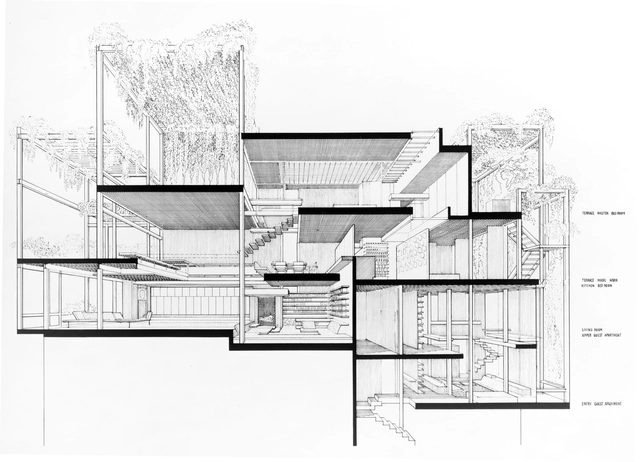
Paul Rudolph, Rudolph Apartment at 23 Beekman Place, New York (1977-1997). Perspective Section, 1997. Digitized drawing | 4732 x 3416 px. The Paul Rudolph Archive, Library of Congress, Print and Photograph Division, LC-USZ62-123771. The cut shows the complexity of the space that Timothy Rohan describes as exemplary of Rudolph's approach to the private domain.
A growing number of theorists and practitioners have been discussing the impact of gender and race on the profession and theory of architecture. Issues linked to the relationship between the built environment, sexual orientation, and gender identity, however, remain particularly understudied, perhaps because of their relative invisibility and less clearly identifiable discriminatory consequences. Moreover, they are also completely neglected by design theory in the Francophone world. This article partially remedies the situation.
Martin C. Pedersen talks with Ron Rochon, managing partner at Miller Hull, about Carbon and the role of architectural firms in eliminating emissions. Discussing the EMissions Zero initiative, the current shortcomings of carbon offsets, and the way forward, the piece also questions the possibility of setting goals with the absence of an internationally, agreed-upon carbon cap.




















.jpg?1624263090 "Courtesy of Rogers Stirk Harbour + Partners (RSHP)")




SFA_C02-Sunrise.jpg?1624002065&format=webp&width=640&height=580)
SFA_C10.jpg?1624002191 "Courtesy of Sou Fujimoto Architects")
SFA_C04.jpg?1624002086 "Courtesy of Sou Fujimoto Architects")
SFA_C01-rainday.jpg?1624002018 "Courtesy of Sou Fujimoto Architects")
SFA_C01-Dusk.jpg?1624001996 "Courtesy of Sou Fujimoto Architects")
SFA_C02-Sunrise.jpg?1624002065)