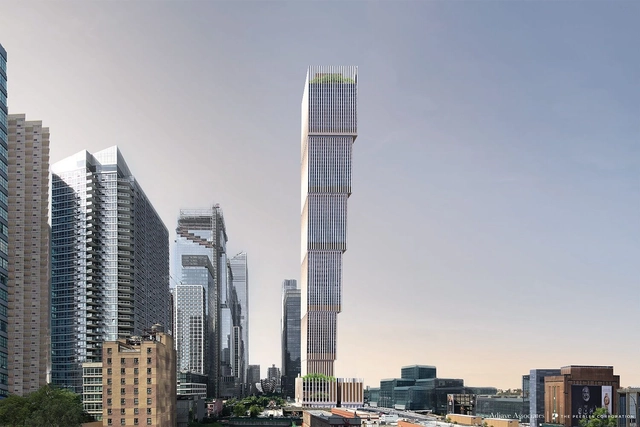
Courtesy of Adjaye Associates/The Peebles Corporation
A team competing to fill Site K, a vacant full-block plot of land directly across from the Jacob K. Javits Center in Manhattan between West 35th and West 36th Streets, has unveiled a scheme for a tower that, if built, would be Adjaye Associates’ tallest to date.
Only 18 months ago, everyone around the globe had their life upended by the COVID-19 pandemic. Almost immediately, architects and designers began to speculate on how they could design for a better world that would be flexible, functional, and healthy. While the pandemic is far from over, with many scientific advancements and public health policies still needed to truly allow us to live out our “new normal”, perhaps its time to reflect on our predictions and examine what aspects of the pandemic were short-term reactions, and which aspects of life might be permanently reflected in how we think about the built environment.
The Second Studio (formerly The Midnight Charette) is an explicit podcast about design, architecture, and the everyday. Hosted by Architects David Lee and Marina Bourderonnet, it features different creative professionals in unscripted conversations that allow for thoughtful takes and personal discussions.
A variety of subjects are covered with honesty and humor: some episodes are interviews, while others are tips for fellow designers, reviews of buildings and other projects, or casual explorations of everyday life and design. The Second Studio is also available on iTunes, Spotify, and YouTube.
This week David and Marina are joined by Randy Collins S.E., Founder and Principal of FTF Engineering, Inc., to discuss the role and responsibilities of the structural engineer, designing structures to withstand earthquakes, the limitations of the buildings code’s structural requirements, hiring an engineer, working with architects, creating value for clients, and more.
https://www.archdaily.com/970298/the-second-studio-podcast-interview-with-randy-collins-structural-engineerThe Second Studio Podcast
Chilean architect Smiljan Radic has designed and installed a perfectly transparent dome for Alexander McQueen's Spring / Summer 2022 fashion show earlier this week in London.
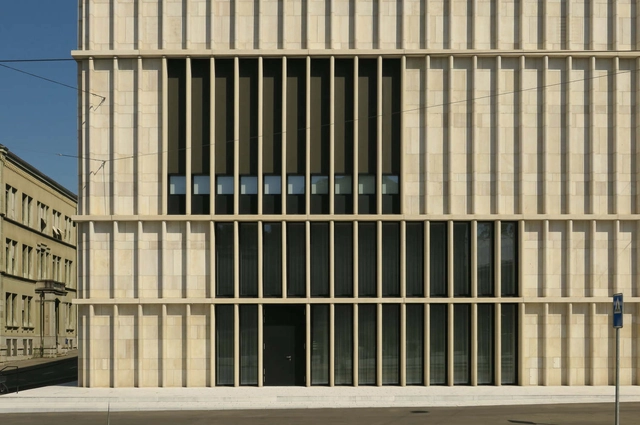
Architectural photographer Paul Clemence has released a new photoseries of the newly-opened Kunsthaus Zürich Museum Extension designed by David Chipperfield Architects. The extension is a freestanding addition to the existing Kunsthaus museum, and houses a collection of classic modernist artwork, the Bührle collection, and temporary exhibitions. The architectural identity takes inspiration from traditional stone façades found on the existing Kunsthaus as well as other significant public buildings in the Swiss city, and combines tradition and innovation through slender vertical fins crafted from local Jurassic limestone.
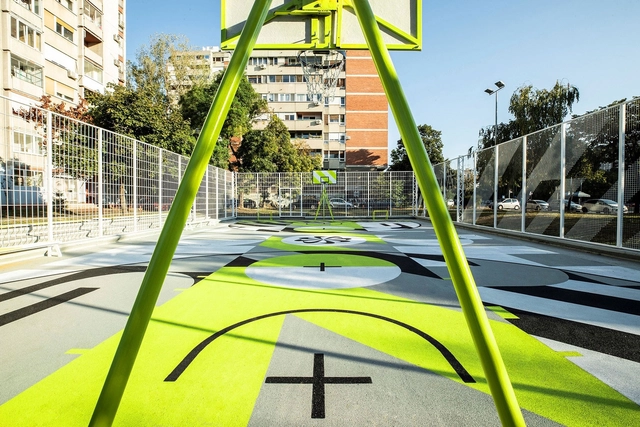
Creative agency Accept & Proceed has designed a new basketball court for Nike using 20,000 recycled sneakers in New Belgrade, Serbia. Inspired by the ‘Move to Zero’ ethos, the design features the court, children’s playground, bleacher benches, chain link fence, outdoor gym, collection bins, in-store campaign presence and restoration of existing elements. The renewal aims to re-energize the local neighborhood while providing a space for play and for sport among kids and adults alike.
After a year delay due to the worldwide pandemic, October 1st saw the inauguration of one of the most anticipated events of the year; the Expo 2020 in Dubai. The event, which is being held for the first time in the Middle East, focuses on architecture, culture, and innovation, with over 191 national participants. The pavilions on display are divided into three districts: Mobility, Sustainability, and Opportunity, each showcasing how their country has contributed and will contribute to its respective theme. In addition to the national pavilions, each district has its own thematic pavilion: the Sustainability Pavilion “Terra” by Grimshaw, the Mobility Pavilion “Alif” by Foster + Partners, and the Opportunity Pavilion “Mission Possible” by AGi Architects.
Read on to discover 6 must-see national pavilions of each district that explored their designated theme in a unique and captivating way.
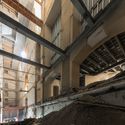
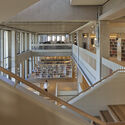
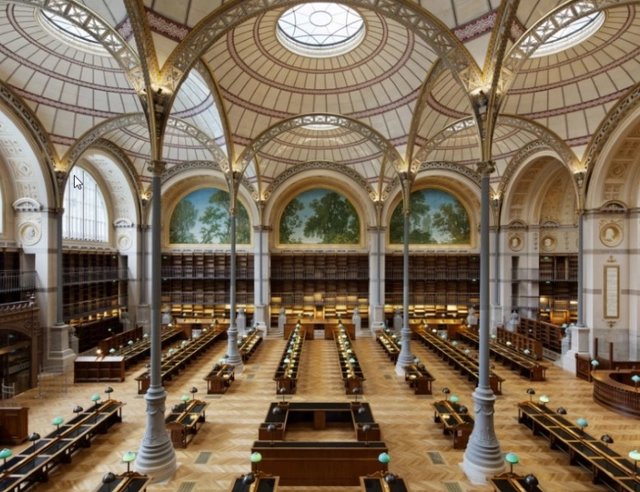
Formerly known as the Bibliotheque du Roi, the Richelieu site of the National Library of France near the Palais-Royal has finally completed construction after almost 10 years of renovations. The transformation of the 300-year-old site included facade restorations, installation of an interior garden, and facilities maintenances, promoting innovation, modernity, and openness to a wider public. The project, which is both a library and a museum, will continue to house a massive campus for the history of the arts and heritage, and provide visitors with a place for walking, discovery, and exchange. The site is expected to be open to the public in summer of 2022.
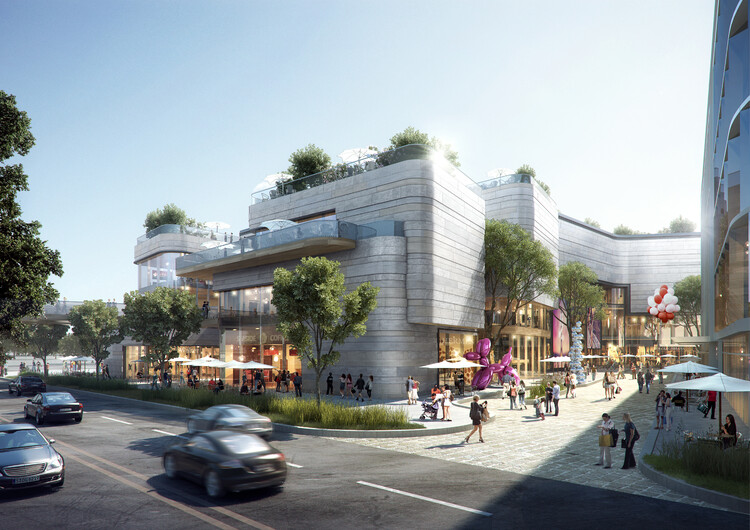
Aedas revealed its design for a mixed-use development in Shanghai, a mid-rise high-density scheme comprising several blocks of offices, retail spaces and a hotel linked by an extensive network of public spaces. A central circulation spine running across the site connects the various programs and, together with a series of green spaces, recreates the atmosphere of the organic urban fabric.
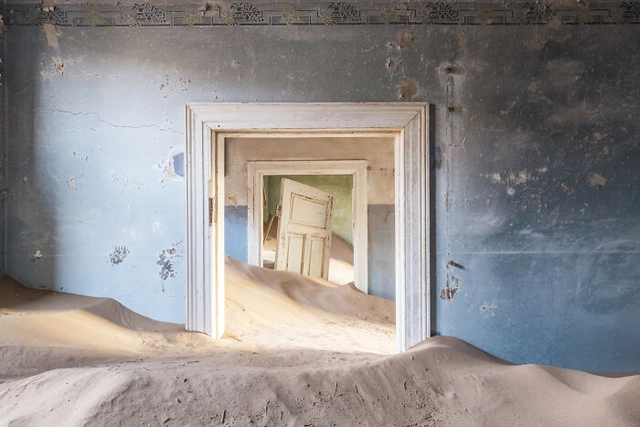
During his explorations of abandoned places across Europe, award-winning French photographer Romain Veillon has stumbled upon enchanting architectures that have been left to decay for decades. In his latest book Green Urbex: The World Without Us, Veillon explored what the world would look like if the human race disappeared and nature took its course without any human interference.
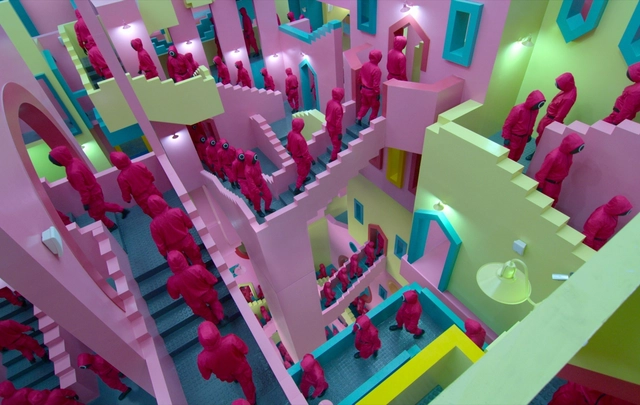
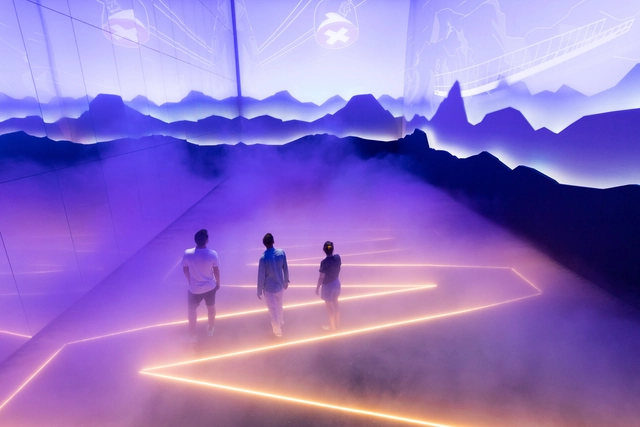
Maze-like hallway. Screenshot from the series. Courtesy of Netflix
People die in Squid Game. Lots of people. But while violence is one of the most appealing ingredients for the success (or failure) of a television show, that's not the only reason the series has become so popular worldwide. Pop culture, mesmerizing scenarios, and a plot full of social metaphors all contribute to this.
Available for streaming since September 2021, the Netflix series Squid Game “will definitely be our biggest non-English language show in the world, for sure,” and has “a very good chance it’s going to be our biggest show ever,” according to Ted Sarandos, the platform's co-CEO and Head of Content. The survivor thriller by director Hwang Dong-hyuk tells the story of a group of 456 people who are deeply in debt competing to win 45.6 billion won (around €33 million, $38 million) in prize money.
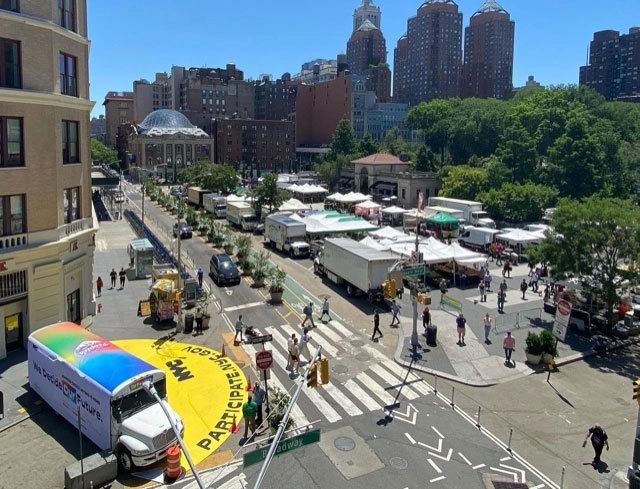
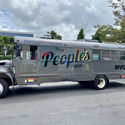
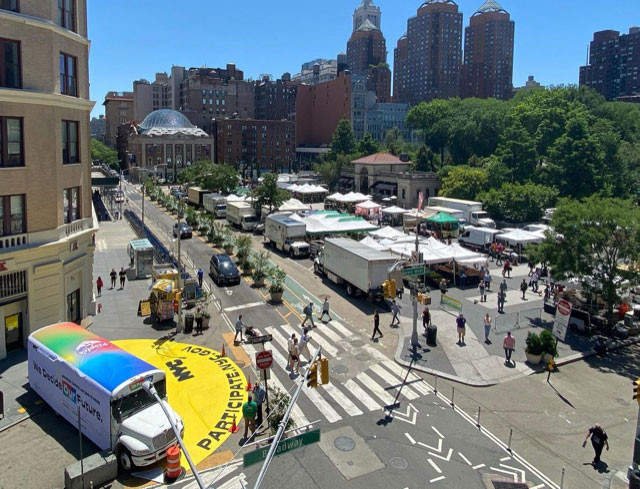
The NYC Civic Engagement Commission (CEC), Department of Cultural Affairs (DCLA), the Mayor’s Fund to Advance New York City and Public Artist in Residence (PAIR) Yazmany Arboleda officially kicked off The People’s Festival. This five borough series of outdoor events featured live performances, interactive workshops, and community information and resources. The festival was anchored by The People’s Bus, a retired city bus formerly used to transport people detained on Rikers Island.
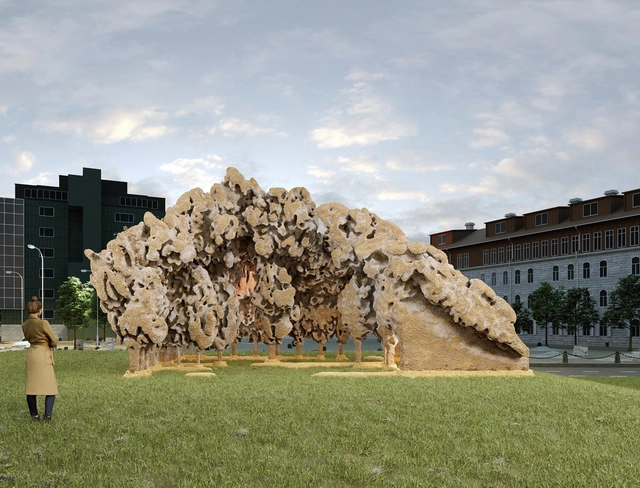
Australian duo Simulaa and Natalie Alima have won the competition for the 2022 Tallinn Architecture Biennale in Estonia with an installation made of mushrooms. Titled Burlasite, the structure's base will employ 3D printing technology that will be taken over by mycelia over time. The proposal highlights repurposing and reusing local materials, and how humans can create sustainable designs with invention and environmental adaptation. The Tallinn Architecture Biennale will open to the public on September 7th, 2022, and the installation will be on display until 2024 in front of the Museum of Estonian Architecture.
The first quadrant of OMA’s Berlin KaDeWe department store transformation opened its doors to the public, revealing a new approach to retail design in the age of online shopping and shifting consumer behaviour. The masterplan divides the historic building, the largest department store in continental Europe, into four smaller, easily accessible and navigable sectors. The completed quadrant features a six-storey void containing a series of escalators and simultaneously acting as circulation, retail and event space.
"Here in the tropics, shade is the prime air conditioner and, unlike the stove, it can be created everywhere," says Bruno Stagno about architecture for the tropics. In this sense, how has Costa Rica been "building" it's shade over the years?
The housing shortage has long been the catalyst for architectural speculation over adaptive resue scenarios or the valorisation of underused places in cities. At the same time, the health crisis and its work from home imperatives have brought into sharp focus the adaptive reuse potential of offices spaces into housing. The probability that some office buildings remain vacant post-pandemic opens up the possibility of bringing back housing to city centres, enabling the implementation of a 15-minute city vision. The following discusses the challenges and opportunities of transforming office spaces into housing, highlighting this limited phenomenon's long-term feasibility and impact.
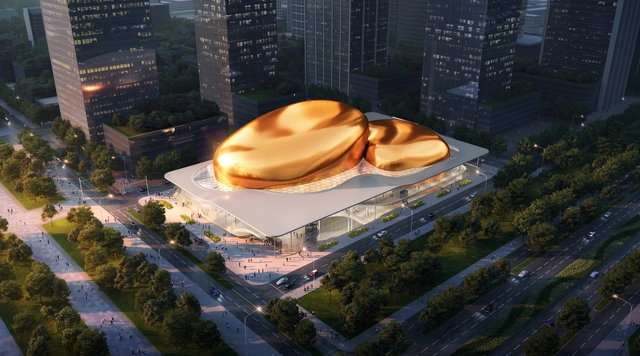
Ennead Architects have been chosen out of a three-part open international competition to design the new International Performance Center in Shenzhen, China. Dubbed 'The People’s Performing Arts Center', the project will be a part of a major cultural development that further marks the city as a metropolitan destination and reinforces the global arts community in the city.













_%C2%A9_Takuji_Shimmura.jpg?1634116877 "© Takuji Shimmura / BnF")