ADUs or accessory dwelling unit, a word mostly used by architects, is "a smaller, independent residential unit located on the same lot as a stand-alone single-family home" according to the American Planning Association. They can be converted spaces of existing houses, additions, or new stand-alone structures. In this piece, author Walter explores the recent policies in California that seek to reduce the shortage of housing.
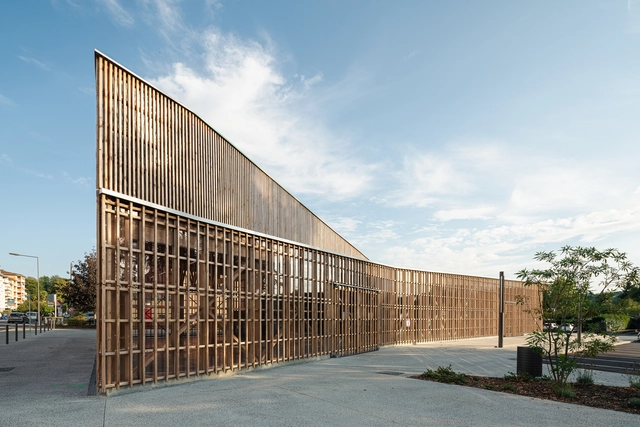
The relationship between building envelope and structure remains a centerpiece of architecture. Understanding a building's skin is how designs become open or closed, controlling environmental conditions, light and views. Whether perforated, slotted or modular, brise-soleils are elegant envelopes that create new spatial conditions. This is especially true in France, where architects are rethinking tradition to bring new screened structures to life.
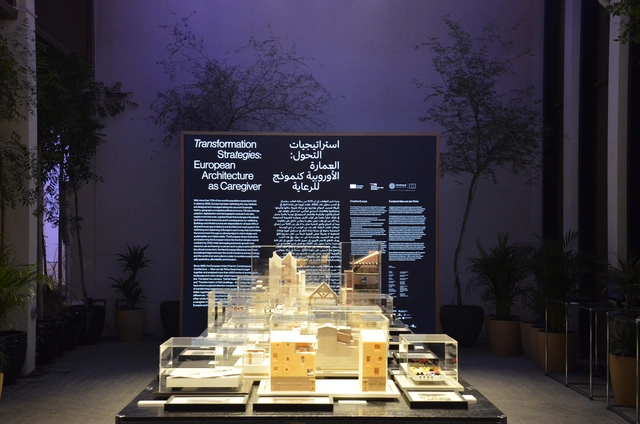
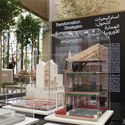
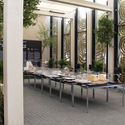
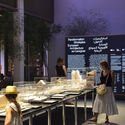
Fundació Mies van der Rohe, the European Commission, and the Irish Pavilion have inaugurated an exhibition titled “Transformation Strategies: European Architecture as Caregiver” which highlights the European Union's participation in Expo 2020 Dubai and showcases its contribution to tackling global challenges in line with the main themes of the event. The exhibition opened to the public on November 2nd at the Irish Pavilion in the Expo's Jubilee Avenue, and will be on display until the end of 2021.
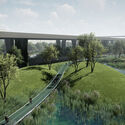
A new masterplan along the central Pailao River in Shenzhen proposes a climate-proof regeneration of the area, using nature and water retention ecological zones to mitigate the risk of flooding. Created by urban design and architecture practice VenhoevenCS, with landscape vision by Hope Design and water management plan by Huadong Engineering, the Pailao River Blueway Project capitalizes on the coexistence of the urban and the natural environment, ensuring resilience and enhancing the economic growth of the city district.
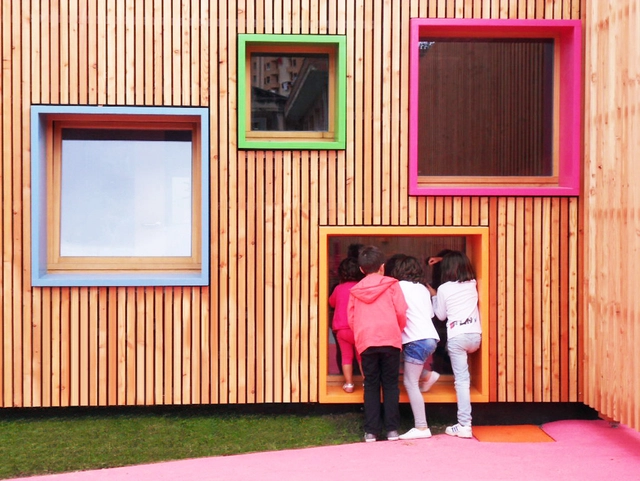
Novo edifício de educação infantil e creche em Zaldibar / Hiribarren-Gonzalez + Estudio Urgari. Courtesy of Egoin
The definition of equity in dictionaries is the quality of giving equal treatment to everyone while still acknowledging the differences between individuals. In this sense, equity means fairness in the way we act toward each person but keeping in mind his or her specific characteristics and needs. From a medical perspective, equity implies that everyone needs care and attention but not necessarily the same. It is also worth mentioning that the terms equity and equality are often used interchangeably but they mean different things, mainly because equality is based on the principle of universal rights, in which all individuals are subject to the same rules, without exception.
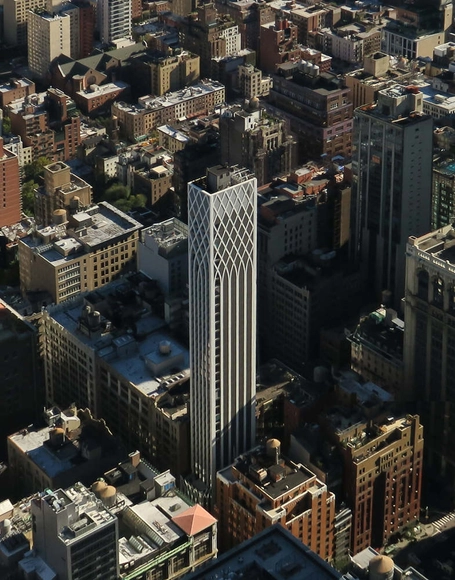
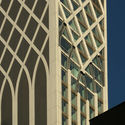
Architectural photographer Paul Clemence has released a new photoseries of 30 E 31, a luxury apartment tower in Midtown Manhattan designed by Morris Adjmi Architects. Inspired by classic New York skyscrapers of the 1920s, the architects reimagined NoMad’s Neo-Gothic and Art Deco architecture and designed a structure with a "distinctive lattice crown" that blends two architectural eras with the city’s iconic skyline.
The Build Better Now virtual pavilion opened to the public during COP26, showcasing seventeen sustainable projects that demonstrate the built environment's opportunities for addressing the climate crisis. The initiative, run by UK Green Building Council, comes as a global call for climate action, highlighting the AEC's industry's commitment to sustainable practice on a worldwide stage, particularly since this year the COP26 dedicated a day to buildings and cities.
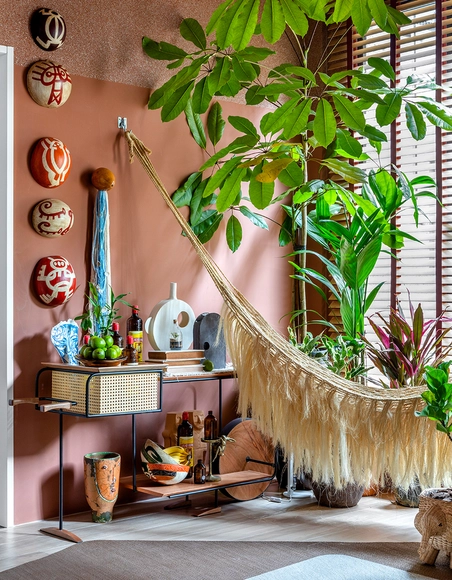
Hammocks are an undeniable passion and an iconic design element in Brazil and are key pieces of furniture in many Brazilian homes. In small houses or apartments, however, hammocks can often be difficult to place in the room. This article shows examples of how to include hammocks in architectural projects and ideas to inspire you to hang one in your apartment.
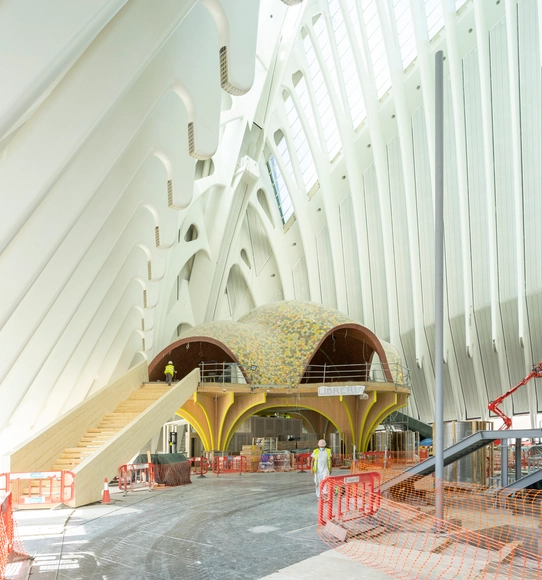
The new CaixaForumValencia has passed the halfway mark within Valencia's City of Arts and the Sciences complex, as explained by La Caixa Foundation deputy general director, Elisa Duran, on a site visit alongside the architect and Could 9 leader, Enric Ruiz-Geli.
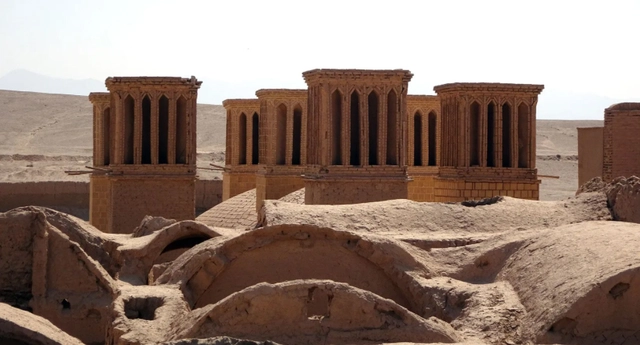
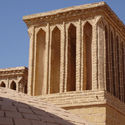
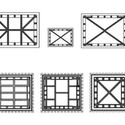
Before fossil-fuel powered air-conditioning became widely available, people living in harsh climates had nothing but natural means to ventilate their spaces and control the interior temperature. To do so, they took into account several external factors such as their location, orientation with respect to the sun and wind, their area's climate conditions, and local materials. In this article, we explore how ancient civilizations in Western Asia and North Africa have used windcatchers to adapt to the region's harsh climate and provide passive cooling solutions that are still being used in contemporary architecture, proving that local approaches to climate adaptability are fundamental to the development of today's built environment.
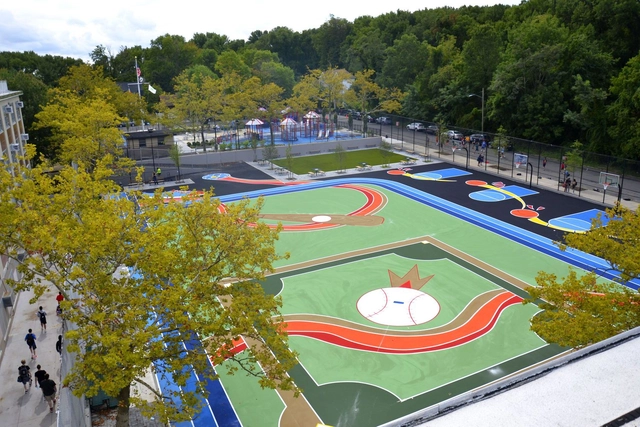
A new report from The Trust for Public Land (TPL) makes a compelling case for transforming underperforming, paved public schoolyards into green oases for the entire community. While the benefits for schools and their educational communities are clear, TPL sees an opportunity to open up these facilities to surrounding neighborhoods after school hours, on weekends, and when school is out. If all 90,000 public schools in the country had a “community schoolyard,” more communities could tackle the persistent park equity issue — in which too few communities, particularly undeserved ones, enjoy access to nearby high-quality public green spaces. TPL argues that opening up all schoolyards, essentially turning them into part-time all-access community hubs, would “put a park within a 10-minute walk of nearly 20 million people — solving the problem of outdoor access for one-fifth of the nation’s 100 million people who don’t currently have a park close to home.”
https://www.archdaily.com/971293/the-incredible-opportunity-of-community-schoolyardsJared Green
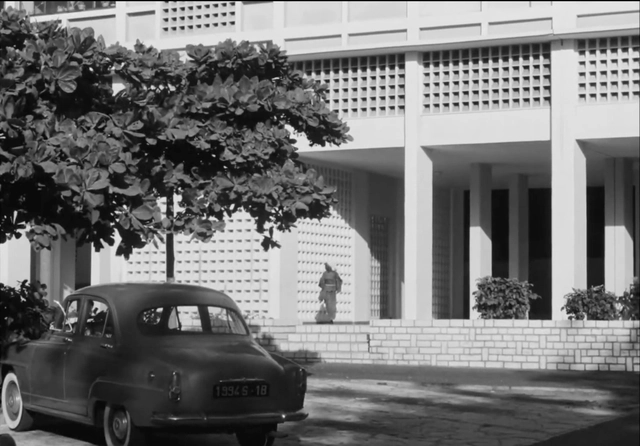
When examining the world of African cinema, there are few names more prominent than that of Senegalese director Ousmane Sembène. His films ‘La Noire de…’ and ‘Mandabi’, released in 1966 and 1968 respectively, are films that tell evocative stories on the legacies of colonialism, identity, and immigration. And whilst these two films are relatively slow-spaced, ‘slice-of-life stories, they also offer a valuable spatial critique of the setting where the films are based, providing a helpful framework to understand the intricacies of the post-colonial African city, and the contrast between the African and European metropolises.
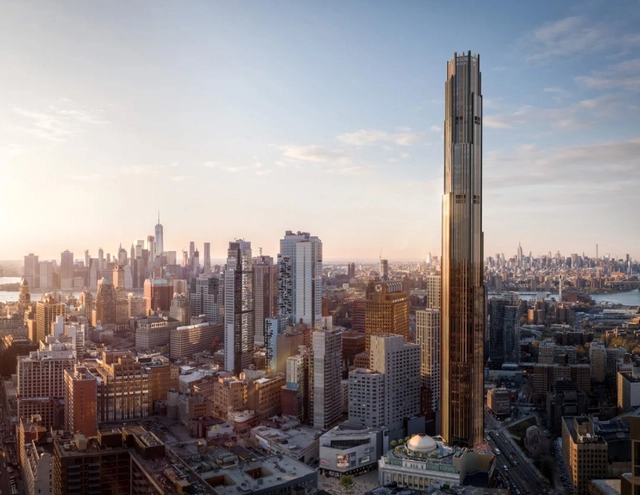
SHoP Architects and JDS Development Group's The Brooklyn Tower at 9 DeKalb Avenue has reached its final height. The monumental tower stands at 1,066 ft. formed by interlocking hexagons that create a dramatic facade of reflective bronze and black panels, providing residents with panoramic views of the city, river, and harbor. The tower is expected to launch residence sales in early 2022, and open for occupancy late 2022.
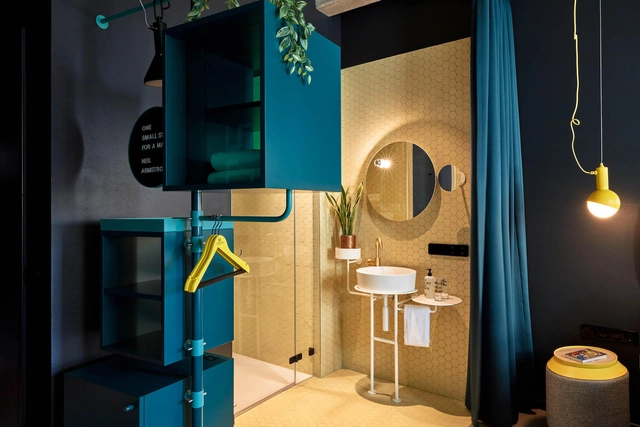
As a room everyone needs to visit, no matter what their social standing (or sitting), bathrooms can be one of the best ways to add character to a project. Used when we are at our most vulnerable, bathrooms are calm, solitary arenas, giving a few minutes of peace in an otherwise hectic environment. So the originality of the user experience can really stand out.
Whether they bring relaxation to hospitality, individuality to residential or drama, and culture to public space, bathrooms can both surprise and delight users, while allowing them to rest. Here are eight projects where a designer bathroom is an integral part of interior architecture.
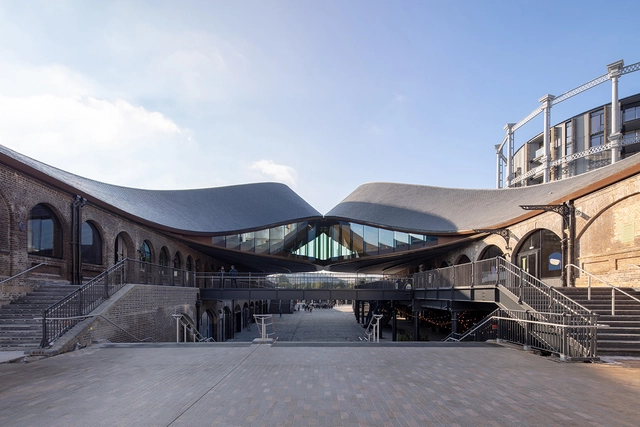
Sustainable architecture begins with designing for longer lifecycles and reuse. Looking to create more inclusive and viable futures, architects are exploring adaptive reuse as one of the best strategies to address the climate crisis and promote social justice. Reuse keeps the culture of an area alive, bridging between old and new as projects push the boundaries of circular and adaptive design.
Four emerging architecture studio profiles from Greece, Lithuania, Italy, and Denmark have been chosen by New Generations, a European platform that analyses the most innovative emerging practices at the European level, providing a new space for the exchange of knowledge and confrontation, theory, and production. Since 2013, New Generations has involved more than 300 practices in a diverse program of cultural activities, such as festivals, exhibitions, open calls, video interviews, workshops, and experimental formats.
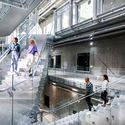
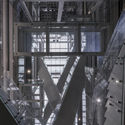
MVRDV's Depot Boijmans Van Beuningen, the world’s first fully accessible art depot, is opening its doors to the public this weekend. The official opening ceremony is taking place on November 5th, and the public will be able to visit from Saturday 6th of November onwards. Located at Museumpark in the center of Rotterdam, the reflective structure features exhibition halls, a rooftop garden, and a restaurant, and offers a behind-the-scenes look into the world of museums, making art collections accessible to the public.
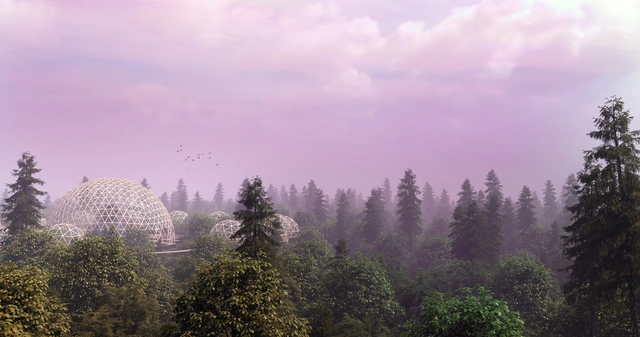
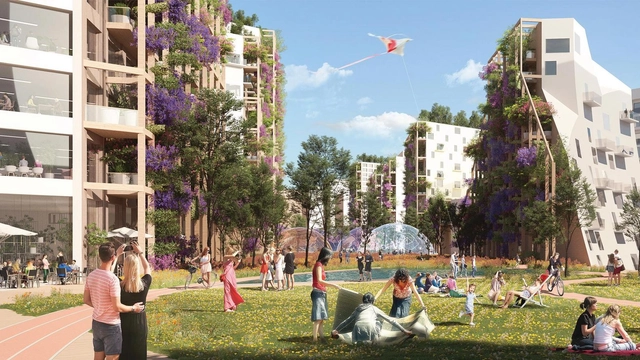
MVRDV and Hyde Park BV have unveiled their design proposal of Hoofddorp's Station Quarter, a project that aims to transform the area around the existing station into an ecofriendly and affordable urban district. The masterplan will offer 8,500 housing units and renovated train, bus, and metro stations, providing a solution to the housing shortage and access to public transportation without compromising the quality of living.
























.jpg?1635758471&format=webp&width=640&height=580)
.jpg?1635758691 "© Ossip van Duivenbode / MVRDV")
.jpg?1635758471)

.jpg?1635756192 "Courtesy of MVRDV")
.jpg?1635756150 "Courtesy of MVRDV")


