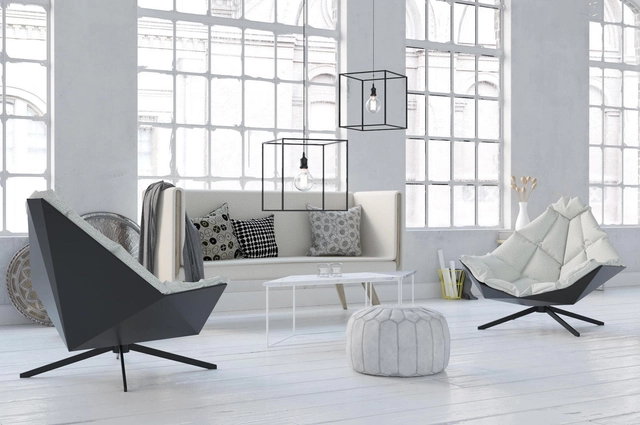
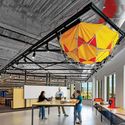
With walls and ceilings a long way away, often the most practical way to control the placement of a light source and the positioning of light, is to drop it into the exact position where it’s required, with a pendant light.
Even designer pendant lighting can be as simple or as complex as the project’s parameters call for. From the most intricate sculptures of glass or mechanical puppetry to a single bulb on a cord, here are seven types of pendant light, and the purposes and projects for which they’re best suited:
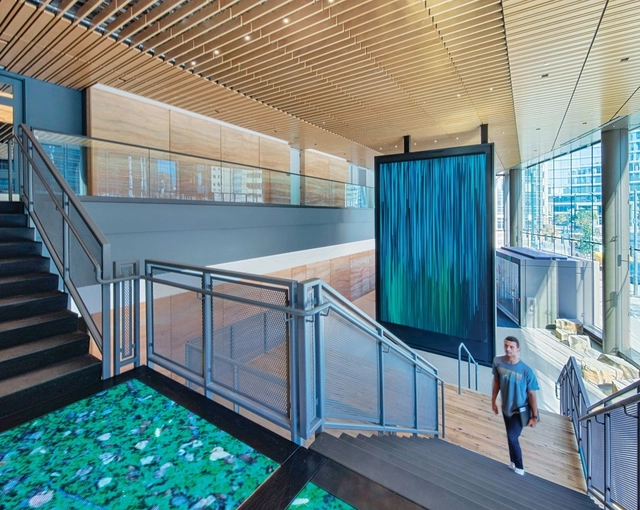
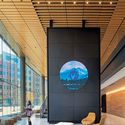
Rapt Studio has recently completed the new headquarters for VF Corporation in Denver, Colorado. With a mission to power active and sustainable lifestyles for the betterment of people and the planet, VF is a diverse collection of global brands. Their new ten-story headquarters brings together several of those brands under one roof, and at the same time, allows each of them to maintain individuality and expression.
The Architectural Photography Awards 2021 has announced its shortlist for its ninth edition. Supported by Aluprof UK and the World Architecture Festival (WAF), the shortlist was selected from around 2000 entries and 42 countries, "highlighting the expertise of architectural photography and focusing on the skill and creativity of the photographer". The photographs are divided into 6 categories: Exterior, Interior, Sense of Place, Buildings in Use, Mobile, which this year’s theme is Greening the City, and Portfolio with the theme of Building with History.
The Second Studio (formerly The Midnight Charette) is an explicit podcast about design, architecture, and the everyday. Hosted by Architects David Lee and Marina Bourderonnet, it features different creative professionals in unscripted conversations that allow for thoughtful takes and personal discussions.
A variety of subjects are covered with honesty and humor: some episodes are interviews, while others are tips for fellow designers, reviews of buildings and other projects, or casual explorations of everyday life and design. The Second Studio is also available on iTunes, Spotify, and YouTube.
This week David and Marina are joined by Mark Lee, Principal and Founding Partner of Johnston Marklee and Chair of the Architecture Department at Harvard Graduate School of Design to discuss cities, architecture's responsibility to context, the cultural value of iconic architecture and everyday buildings, architectural education, designing for other cultures, working with clients, designing buildings, 'appropriateness' in architecture, and much more.
https://www.archdaily.com/971446/the-second-studio-podcast-interview-with-mark-lee-chair-of-the-architecture-department-at-harvard-graduate-school-of-designThe Second Studio Podcast
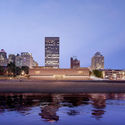
Herzog & de Meuron has unveiled the design of the new Memphis Brooks Museum of Art overlooking the Mississippi River. The 10,500 sqm structure will feature expanded galleries, exhibition spaces, and open spaces for community and educational programs with free public access, and is expected to open to the public in 2026.
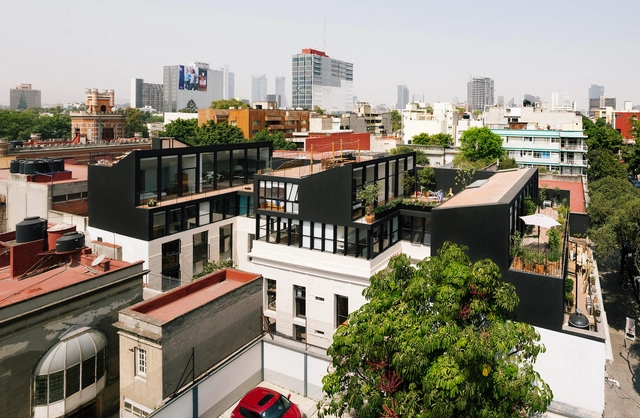
It has become evident that the spaces we inhabit have changed. The COVID-19 pandemic has forced us to appreciate values as lighting, ventilation, and comfort when working in home.
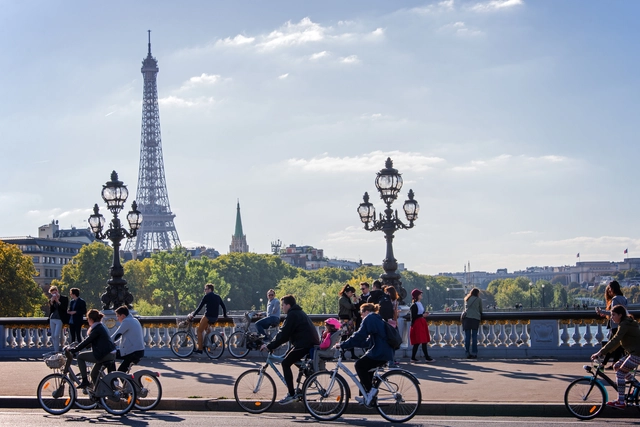
The city of Parishas announced that it will be investing €250 million to upgrade its cycling infrastructure and expand its network of bike lanes with aims of becoming “100% cyclable”. The French capital's investment comes through Bike Plan, a 5-year-long urban project that will reinforce the presence of bikes and provide safe and well connected routes for passengers and pedestrians.
From social, racial, economic inequity to virtual, immersive environments, the COVID-19 pandemic is reshaping trends and pushing societies to discuss how we will live together in the future.
In this context, architecture has been navigating through sequential changes over the last decades with the rise and latter consolidation of new technologies, tools, formats, topics, scales, and interdisciplinary approaches, along with the emergence of the Internet that led towards a disruptive decentralization of the architecture production and discussion. Architects and designers from all over the world are embracing these challenges by pondering their roles and exploring their own practical approaches.
ADUs or accessory dwelling unit, a word mostly used by architects, is "a smaller, independent residential unit located on the same lot as a stand-alone single-family home" according to the American Planning Association. They can be converted spaces of existing houses, additions, or new stand-alone structures. In this piece, author Walter explores the recent policies in California that seek to reduce the shortage of housing.
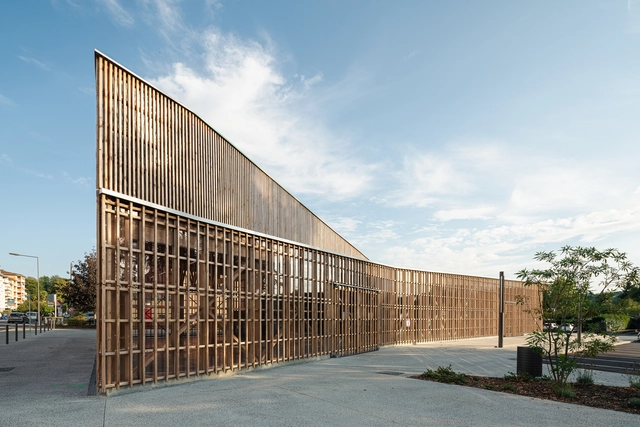
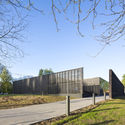
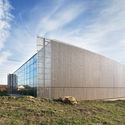
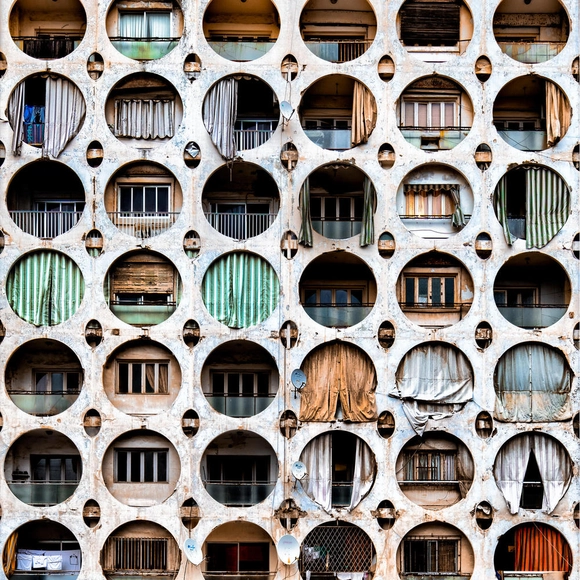
The relationship between building envelope and structure remains a centerpiece of architecture. Understanding a building's skin is how designs become open or closed, controlling environmental conditions, light and views. Whether perforated, slotted or modular, brise-soleils are elegant envelopes that create new spatial conditions. This is especially true in France, where architects are rethinking tradition to bring new screened structures to life.
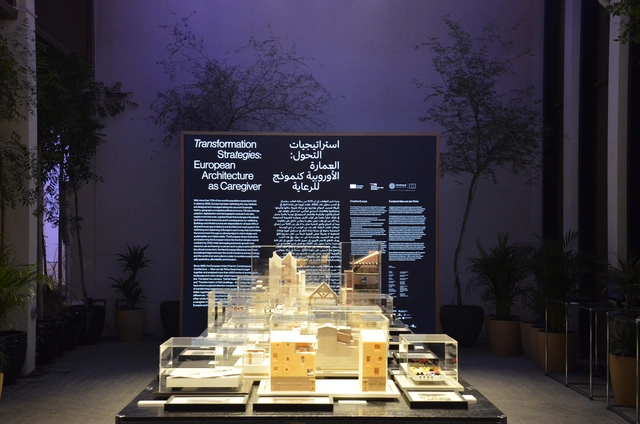
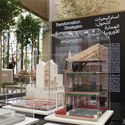
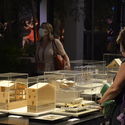
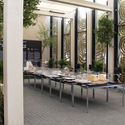
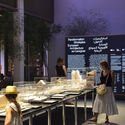
Fundació Mies van der Rohe, the European Commission, and the Irish Pavilion have inaugurated an exhibition titled “Transformation Strategies: European Architecture as Caregiver” which highlights the European Union's participation in Expo 2020 Dubai and showcases its contribution to tackling global challenges in line with the main themes of the event. The exhibition opened to the public on November 2nd at the Irish Pavilion in the Expo's Jubilee Avenue, and will be on display until the end of 2021.
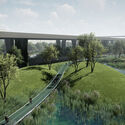
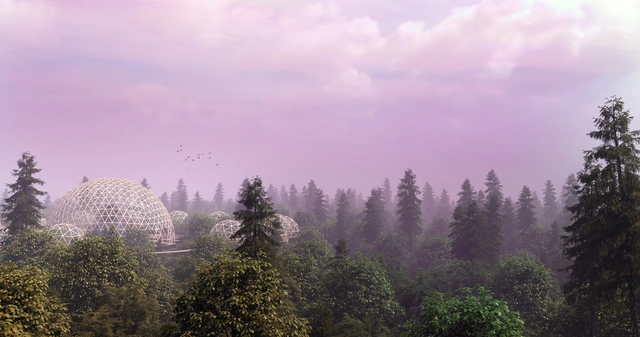
A new masterplan along the central Pailao River in Shenzhen proposes a climate-proof regeneration of the area, using nature and water retention ecological zones to mitigate the risk of flooding. Created by urban design and architecture practice VenhoevenCS, with landscape vision by Hope Design and water management plan by Huadong Engineering, the Pailao River Blueway Project capitalizes on the coexistence of the urban and the natural environment, ensuring resilience and enhancing the economic growth of the city district.
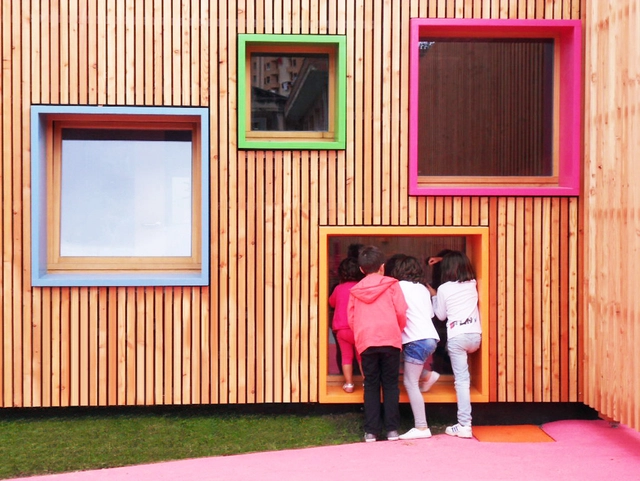
Novo edifício de educação infantil e creche em Zaldibar / Hiribarren-Gonzalez + Estudio Urgari. Courtesy of Egoin
The definition of equity in dictionaries is the quality of giving equal treatment to everyone while still acknowledging the differences between individuals. In this sense, equity means fairness in the way we act toward each person but keeping in mind his or her specific characteristics and needs. From a medical perspective, equity implies that everyone needs care and attention but not necessarily the same. It is also worth mentioning that the terms equity and equality are often used interchangeably but they mean different things, mainly because equality is based on the principle of universal rights, in which all individuals are subject to the same rules, without exception.
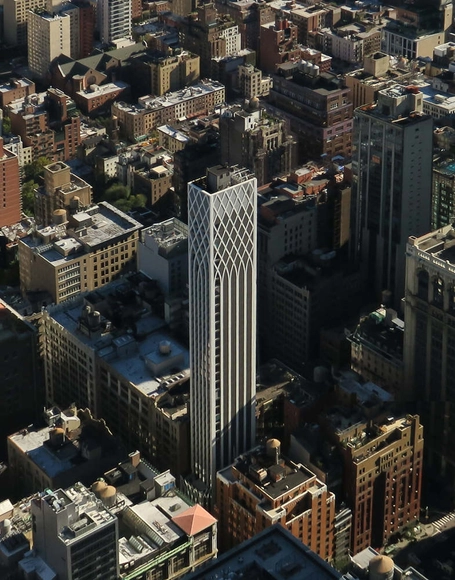
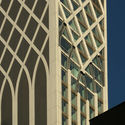
Architectural photographer Paul Clemence has released a new photoseries of 30 E 31, a luxury apartment tower in Midtown Manhattan designed by Morris Adjmi Architects. Inspired by classic New York skyscrapers of the 1920s, the architects reimagined NoMad’s Neo-Gothic and Art Deco architecture and designed a structure with a "distinctive lattice crown" that blends two architectural eras with the city’s iconic skyline.
The Build Better Now virtual pavilion opened to the public during COP26, showcasing seventeen sustainable projects that demonstrate the built environment's opportunities for addressing the climate crisis. The initiative, run by UK Green Building Council, comes as a global call for climate action, highlighting the AEC's industry's commitment to sustainable practice on a worldwide stage, particularly since this year the COP26 dedicated a day to buildings and cities.
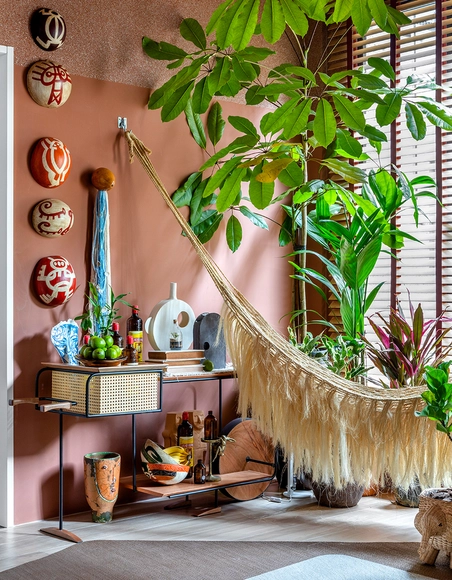
Hammocks are an undeniable passion and an iconic design element in Brazil and are key pieces of furniture in many Brazilian homes. In small houses or apartments, however, hammocks can often be difficult to place in the room. This article shows examples of how to include hammocks in architectural projects and ideas to inspire you to hang one in your apartment.
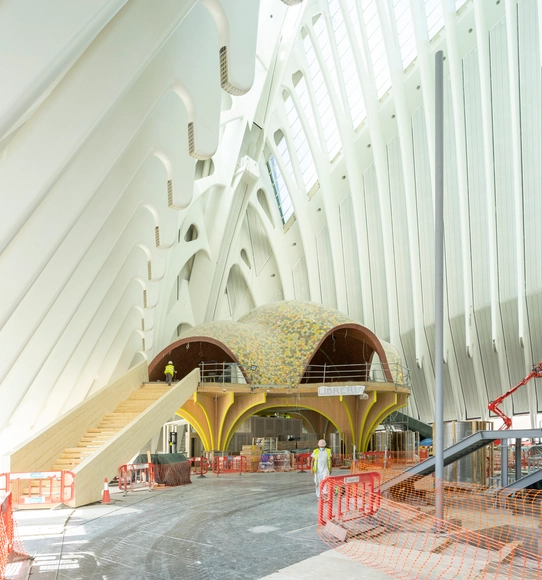
The new CaixaForumValencia has passed the halfway mark within Valencia's City of Arts and the Sciences complex, as explained by La Caixa Foundation deputy general director, Elisa Duran, on a site visit alongside the architect and Could 9 leader, Enric Ruiz-Geli.
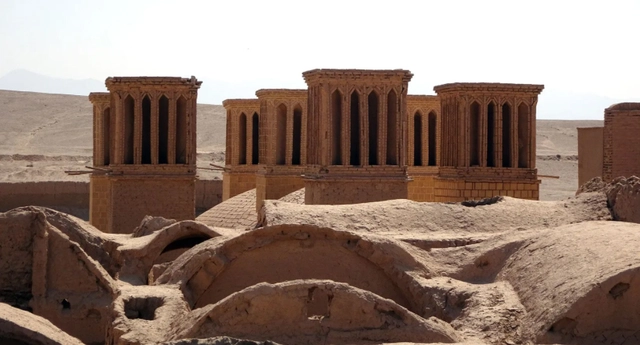
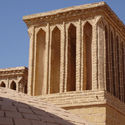
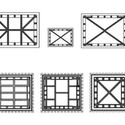
Before fossil-fuel powered air-conditioning became widely available, people living in harsh climates had nothing but natural means to ventilate their spaces and control the interior temperature. To do so, they took into account several external factors such as their location, orientation with respect to the sun and wind, their area's climate conditions, and local materials. In this article, we explore how ancient civilizations in Western Asia and North Africa have used windcatchers to adapt to the region's harsh climate and provide passive cooling solutions that are still being used in contemporary architecture, proving that local approaches to climate adaptability are fundamental to the development of today's built environment.








.jpg?1636107951&format=webp&width=640&height=580)
.jpg?1636107951 "© Herzog & de Meuron")
.jpg?1636107949 "© Herzog & de Meuron")

.jpg?1636107951)