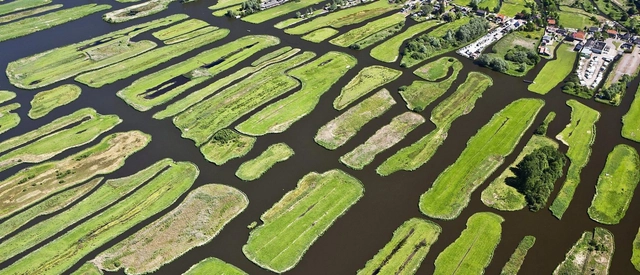
In April 1782, just six years after the Declaration of Independence was signed, John Adams arrived in Amsterdam as the first U.S. Ambassador to The Netherlands. Three months later, a consortium of Dutch bankers provided a 5 million guilder loan (equivalent to $150 billion today) to the new republic, a clear sign of my country’s confidence in the U.S. While I can’t provide a loan, as a Dutch water engineer I can offer something else to Americans: my country’s five centuries of experience living, working, and thriving below sea level. This is surely knowledge and knowhow that the U.S. will desperately need as water levels continue to rise and countless coastal communities are threatened.
https://www.archdaily.com/977124/sea-level-rise-could-the-netherlands-polder-system-work-in-theJan H. de Jager
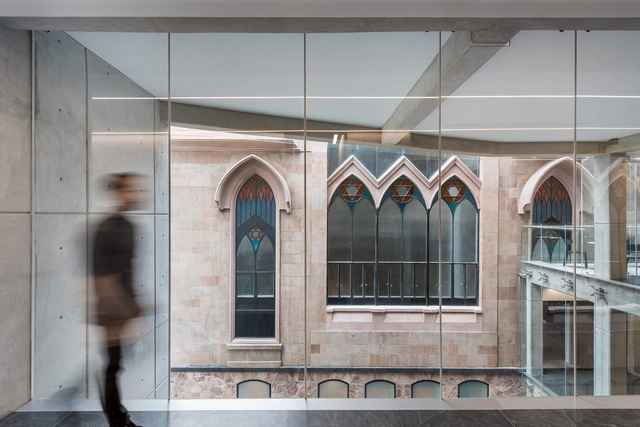
Few religions have as much history and symbolism as Judaism. As the world's oldest monotheistic religion, it dates back nearly 4,000 years. In Judaism, architecture and houses of worship serve as places not only for liturgical services but also for assembly and study. Today, architects are rethinking the design of synagogues and community gathering spaces to celebrate Judaism, reflection and community.
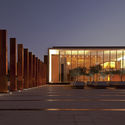
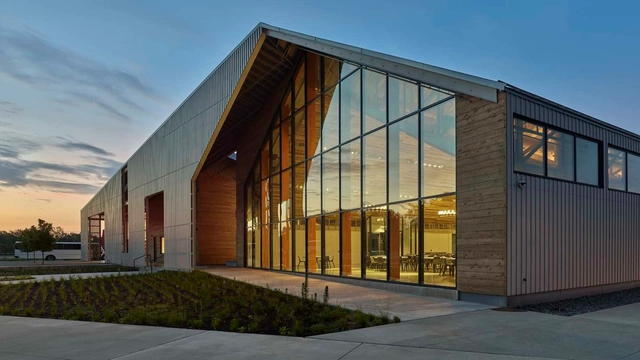
The American Institute of Architects (AIA) has selected 11 projects as winners of its 2022 Architecture Awards. The annual Architecture Award program celebrates the best contemporary architecture, and highlights how spaces can cater to their residents and context and include a sense of place, purpose, history, and environmental sustainability. The selected projects include commercial, residential, and civic typologies, all designed by US-licensed architects.
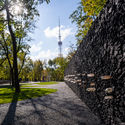
CHYBIK + KRISTOF revealed the design of a skyscraper in the Czech Republic city of Ostrava. The project reframes the typology of the skyscraper as a dynamic social hub and activates public space in support of the post-industrial city’s reactivation and socio-economical transformation. Upon completion, the 235-metre Ostrava Towerwill be the tallest building in the country.
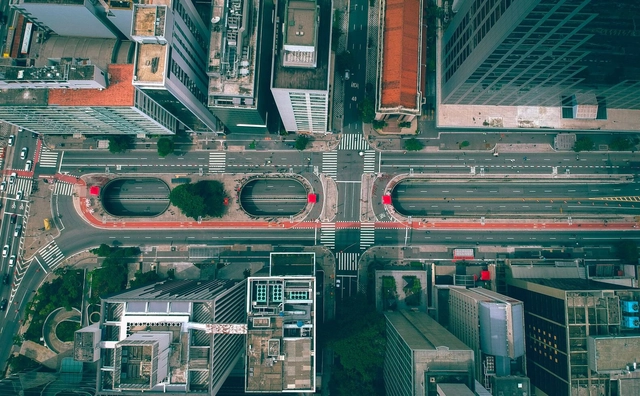
Vista aérea da Av. Paulista. Imagem ilustrativa. Foto de Gabriel Ramos, via Unsplash
468 years ago, at Pateo do Collegio, the largest city in Latin America was born: São Paulo. A metropolis in constant movement that, among so many complexities and conflicts, presents both cultural and human diversity, which makes it deeply rich.
In each of our nostrils, two types of nerves play an essential role in our health. The olfactory and trigeminal nerves capture odors and send information to the brain, more specifically to the olfactory bulb, for interpretation. In turn, this communicates with the cortex, responsible for the conscious perception of odors, but also with the limbic system, which controls mood and unconscious emotions. This is the body's defense against bad smells or irritating or strong odors, creating aversion to those that could harm us in some way.
But not all pollutants can be detected through this sophisticated system, and they have an intrinsic ability to positively or negatively influence our health. In fact, research has shown that air quality can be quite poor and even worrying in many indoor environments, where we spend about 90% of our lives. This is usually caused by inadequate ventilation of the space, external pollution, and biological contaminants; but mainly chemical contaminants from internal sources. That is, the building materials used in space. Therefore, there are some products that should be avoided whenever possible.
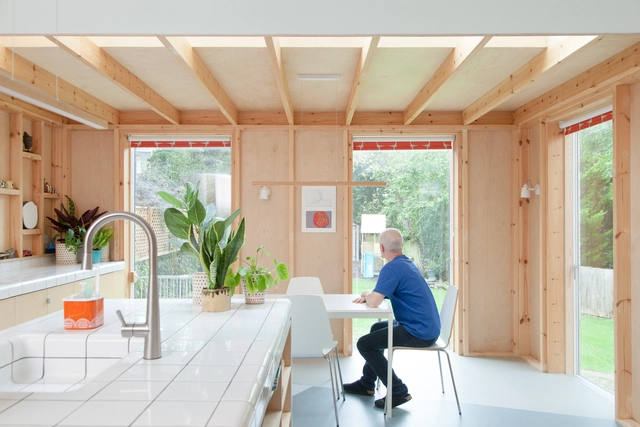
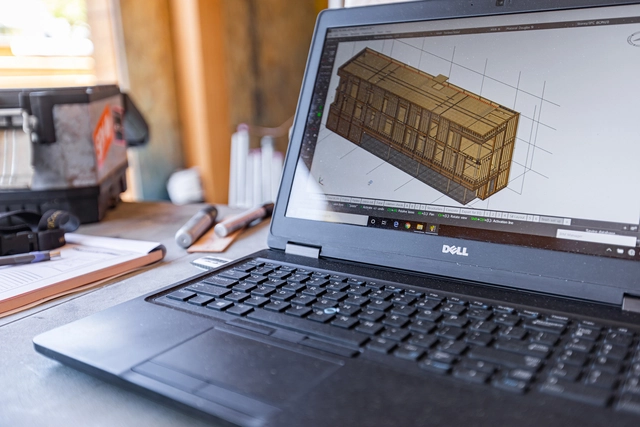
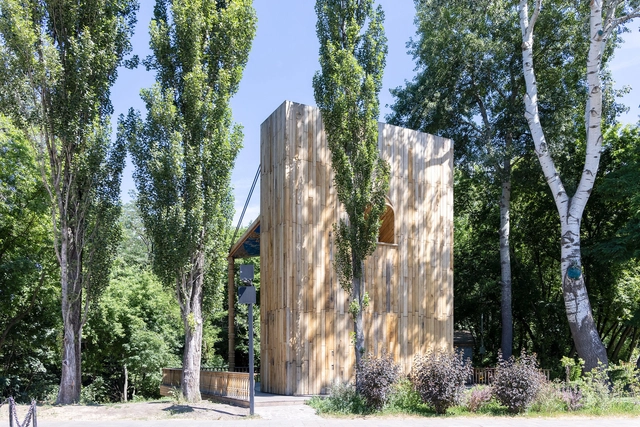
In the original design for the Sydney Opera House, Jørn Utzon envisioned the shells supported by precast concrete ribs under a reinforced concrete structure, which turned out to be prohibitively expensive. As one of the first projects to use computational calculations, the final solution - reached jointly between the architect and the structural engineer - consisted of a precast ribbed system of concrete shells created from sections of a sphere. At the Guggenheim Museum in Bilbao, the project team used CATIA software (typically used by the aerospace industry) to model and materialize the complex curvilinear shapes of the titanium-coated volume designed by Frank Gehry. Challenging projects tend to spark the creativity of those involved to make them possible, but there are constructive systems that interact well with existing technologies. This is the case, for example, with engineered wood and the BIM system. When used simultaneously, they usually achieve highly efficient and sustainable projects.
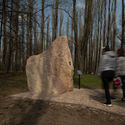
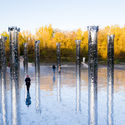
Babyn Yar Synagogue by Manuel Herz, image by Iwan Baan. Image Courtesy of BYHMC
Babyn Yar, a ravine in the Ukrainian capital Kyiv, witnessed the killing of more than 33,000 Jewish men, women, and children, on September 29 and 30, 1941. The site of one of the largest single massacres perpetrated by occupying German troops against Jews during World War II, Babyn Yar became a symbol of the Holocaust by Bullets.
While the main tragic event took place in 1941, throughout the occupation, the site was used as a killing location by the German forces. In fact, it is reported that 70 to 100 000 people lost their lives in Babyn Yar. With no architecture to the tragedy and only a remaining “broken” landscape, people struggled with achieving memorialization and public recognition.
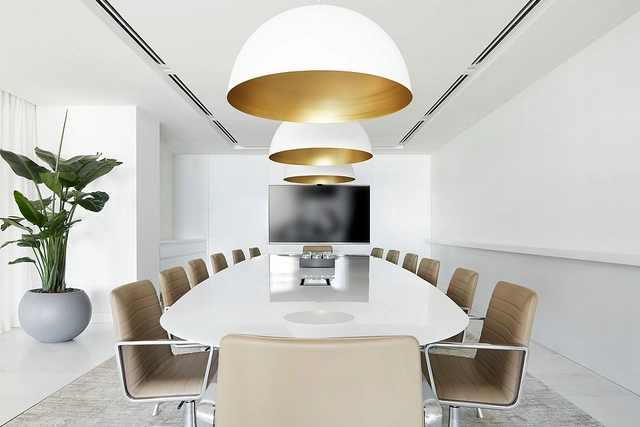
Interior Furniture in Coromandel Offices | Andreu World. Image Courtesy of Andreu World
Having a physical location as a workspace has many inherent benefits, such as bringing employees together in a collaborative environment and giving companies the opportunity to create culture and identity. But when hybrid and remote work began to rise in the early stages of the pandemic, many wondered it this meant the end of the physical office. However, now that two years have passed, the pattern has been clear: instead of being completely replaced by remote methods, many companies have adapted to new employee needs and conditions by opting for team-based, comfortable and flexible spaces that foster creativity, collaboration, and productivity.
The European Commission and the Mies van der Rohe Foundation have announced the 7 finalists that will compete for the 2022 European Union Prize for Contemporary Architecture – Mies van der Rohe Award. The finalists include 5 projects in the Architecture category and 2 in the Emerging Architecture category, all of which "encourage and become models and references for local city policies". The winners will be announced in April 2022 and the Award ceremony will take place in May 2022.
Danish Architecture Center's most recent exhibition, A Space Saga, explores life in a lunar habitat, providing an insight into the considerations that would shape space architecture, as new lunar missions are on track for 2025. The exhibition presents the lunar habitat LUNARK developed by Danish architecture studio SAGA Space Architects, a study on physical and mental well-being in extreme environments that can also inform high-tech architecture on Earth.
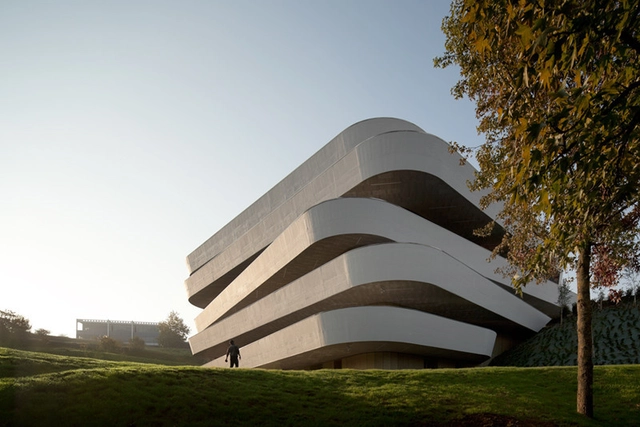
Last year, the Basque Culinary Center announced the creation of the GOe: Gastronomy Open Ecosystem. A project that seeks to generate a gastronomic ecosystem focused on research, innovation and entrepreneurship. It will have its own building in San Sebastian, Spain, becoming the new headquarters complementary to the previous BCC building designed by VAUMM in 2011.
With the aim of selecting the best proposals for the construction of the GOe building, an international architectural competition was launched in December 2021. After receiving and analysing different proposals, five finalists were selected to move on to the next phase of the award process: 3xn (Denmark), BIG - Bjarke Ingels Group (Denmark), OMA - Office of Metropolitan Architecture (Netherlands), Snøhetta (Norway) and Toyo Ito & Associates, Architects (Japan).
Zhanjiang Central Station Hub by Aedas. Image Courtesy of Aedas
This week’s curated selection of Best Unbuilt Architecture highlights projects submitted by established firms. From river-side commercial centers to mixed-use towers, this article explores commercial and residential functions designed by global architecture offices that are either conceptual, have won first-prize in design competitions, or are currently being realized.
Featuring a pedestrian bridge by Grimshaw Architects in France, and a finance-district skyscraper dubbed as the "Lighthouse of the 21st Century" by Ronald Lu & Partners, this roundup explores how established architecture firms have designed buildings that cater to the spatial and environmental needs of their users and respective functions. This round up also includes designs from SOM, IMPLMNT, Gensler, and Aedas, among other notable architects.
Humanity's relationship with insects is ancient and complex. While they can spread disease and wipe out crops, they are also vital to our survival on Planet Earth, as pollinators and recyclers. Edward Osborne Wilson, a leading American biologist, stated in one of his articles that “If insects were to vanish, so would nearly all flowering plants and the food webs they support. This loss, in turn, would cause the extinction of reptiles, amphibians, birds and mammals: in effect, nearly all terrestrial animal life. The disappearance of insects would also end rapid decomposition of organic matter and thus shut down nutrient cycling. Humans would be unable to survive.”
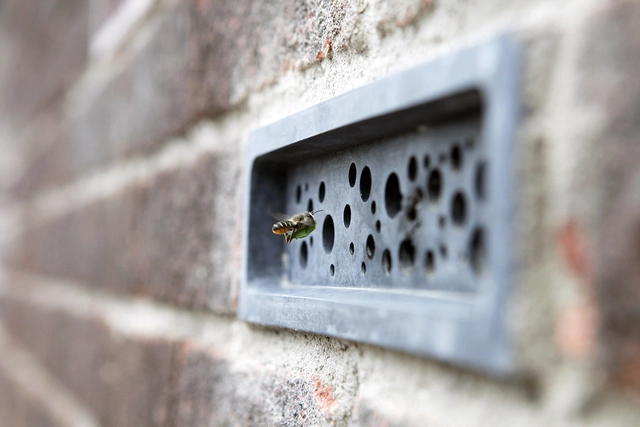
Especially in the case of bees, public opinion has changed in recent years and their importance in food production has sparked warnings about the indiscriminate use of poisons and pesticides around the world. But unlike nature, with its meanders and countless possibilities for resting places, our modern cities and buildings generally do not create adequate environments for insects, and even birds or other animals. The English company Green&Blue has been working on this and creating refuges to incorporate nature into our buildings. We spoke with them to better understand these products.
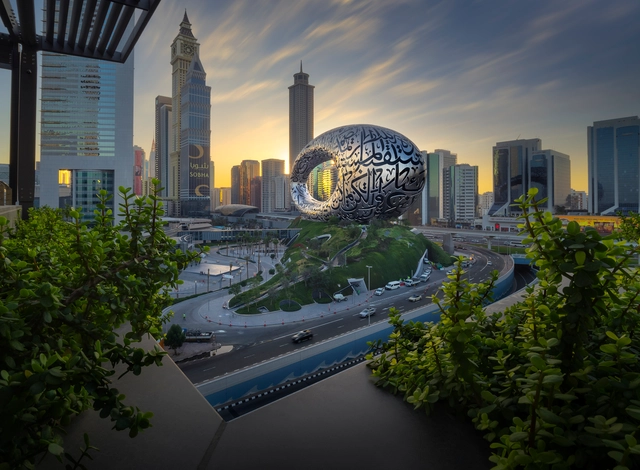
New images of Dubai's Museum of the Future by Killa Design and Buro Happold have been unveiled ahead of its official opening on February 22nd, 2022. The museum promises a one-of-a-kind experience that merges science, technology, and the environment through distinct themes and immersive environments that tap into all five senses. The project aims to "transform the very perception of the future as we know it", showcasing a world that is imaginable 50 years from now.
With one of the most varied performances of contemporary architecture in São Paulo, Metro Arquitetos has built its legacy varying between different scales, from design to urban planning.
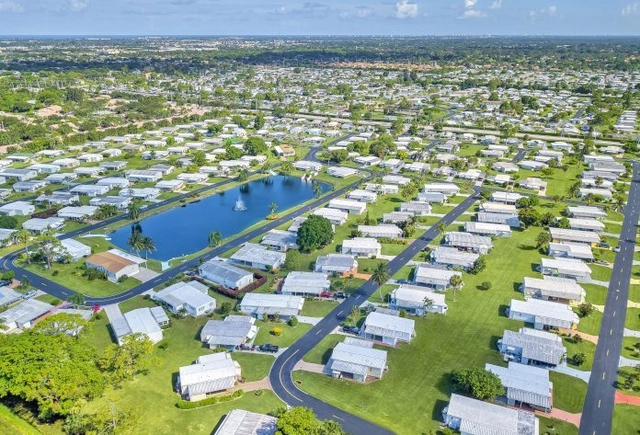
Royal Manor Mobile Home Park. Image Courtesy of MH Village
The future of manufactured homes may reinvent the form of something that already widely exists- trailer parks. All across the United States, these small homes are being reimagined by architects by utilizing more sustainable materials, inventive construction techniques, and value engineering to create affordable homes and reinvent the once negative connotation that surrounded this housing typology.
When talking about energy efficiency in buildings, it is inevitable to mention thermal insulation. We rarely see it in a finished building and, even in the technical drawings, the insulating layer appears as a thin hatch. But this is an element that is of vital importance, as it acts as a barrier to the flow of heat, hindering the exchange of energy between the interior and the exterior, reducing the amount of heat that escapes in winter and the thermal energy that enters in the summer. In a building with good thermal insulation, there is less need for heating to keep the house at a pleasant temperature, also reducing its carbon footprint. Currently, there are many countries that require a minimum level of thermal insulation for buildings, with increasingly strict parameters. But how should this issue be dealt with in the near future, with the worrying climate crisis forecast?