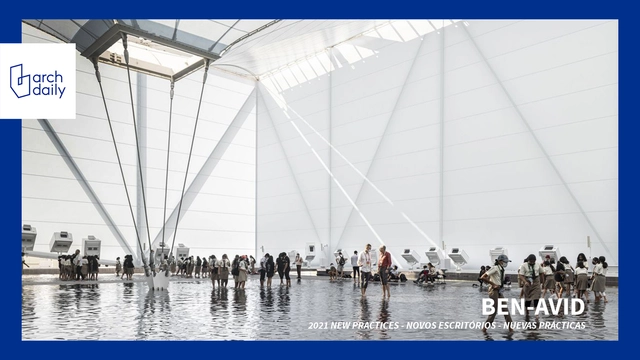
Martin Benavidez founded Ben-Avid in 2018, an architectural practice he runs from Córdoba, Argentina, where he develops national and international architectural projects of various scales and complexities.
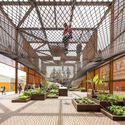
His projects are commercial spaces, galleries and exhibition pavilions, urban and metropolitan transport infrastructure, among others. They are collaborative and tell stories. It is architecture that has a narrative. His Pavilion for Expo 2020 Dubai together with MMBB Arquitetos and JPG.ARQ is one of his most recent projects. Its protagonists are the waters of Brazil: its rivers and mangroves, a natural heritage that underlies the whole discourse on the sustainability of the planet.
Selected by ArchDaily as one of the Best New Practices of 2021, we conducted the following interview with Martin to tell us more in detail about all his inspirations, motivations, work processes and upcoming projects.
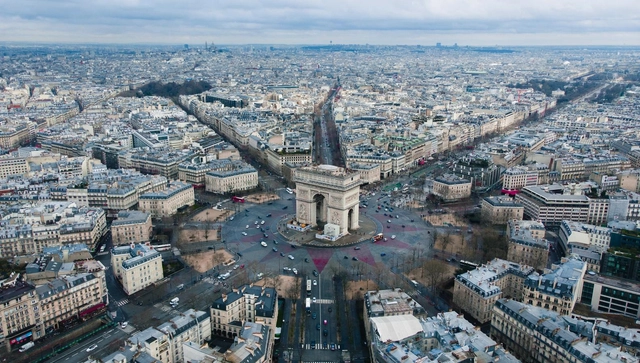
Paris has been making headlines for years with its aggressive steps to anti-car, pro-pedestrian urban improvements. Faced with increasing issues around air pollution and an attempt to reclaim streets for alternate modes of transit, as outlined in their proposed plan for a 15-minute city, the French capital is seen as a leader in future-forward urbanist strategies. Recently, their department of transportation set a deadline for their lofty goals of eliminating traffic from its roads. In just two years from now, in time for the French capital to host the Olympics, Paris plans to ban non-essential traffic from its city center, effectively eliminating around 50% of vehicular mobility. What does this plan look like? And how might other cities use this strategy to eliminate their own urban issues?
The election of Kéré is not only symbolic in a time of identity demands, where the institutions that make up the mainstream are required to more faithfully represent the social, cultural, and sexual realities that make up our societies, but it also confirms the recent approach of the Pritzker Prize jury.
The 60th edition of Salone del Mobile.Milano 2022, which will take place from the 7th till the 12th of June 2022 at the Fiera Milano Rho, is reflecting on the ongoing ecological transition of the design world, with a mission to "demonstrate that it is both possible and crucial to start embedding sustainability and environmental awareness into furniture production". More than 2,000 exhibitors, including over 600 young designers under the age of 35, will express their own identities and creative freedom, using the exhibition space as both an architectural and communication element with sustainability and ecology as main criteria.
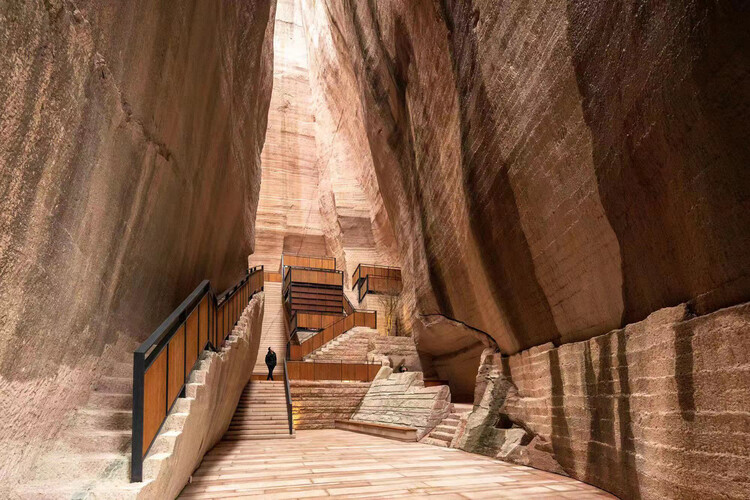
Aedes Architecture Forum recently inaugurated the "Jinyun Quarries – The Quarry as Stage" exhibition, which showcases the transformation of abandoned stone quarries in the Zhejiang Province, China, into a platform for cultural and social activities. Beijing architect Xu Tiantian and the team of DnA_Design and Architecture were tasked with developing a new public infrastructure inside nine of the mines in Jinyun County, thus opening up new economic perspectives for the local people. Running until May 5th, the exhibition highlights the extraordinary spatiality of the stone quarries while communicating the complexity of the structures through a series of models, plans and photographs of the interventions.
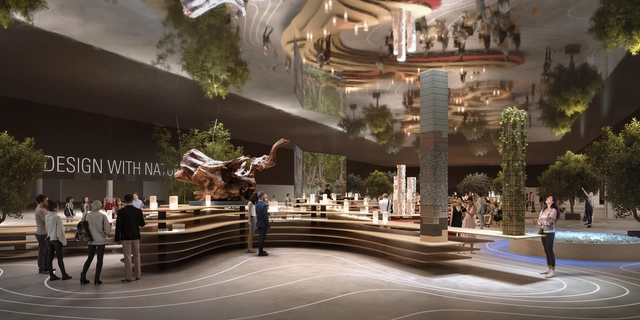
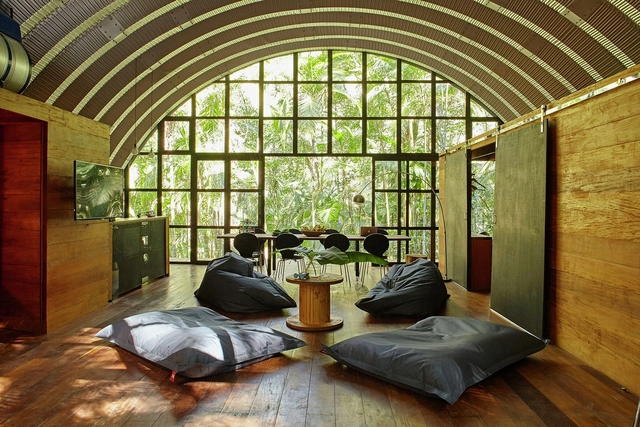
Based in São Paulo, Atelier Marko Brajovic was founded in 2006 by architect Marko Brajovic. With a multidisciplinary practice, the idea of the hybrid manifests itself as the conceptual north of the office that operates on several fronts: architecture, scenography, expography, creative direction, interior and product design. With a vast language that explores different areas, formats and aesthetics, its projects are, above all, recognized for breaking with the modern canon and seeking solutions in nature.
Balconies provide residents with great views while literally and figuratively looking down on the neighbors, but they also offer numerous other advantages.
Videos
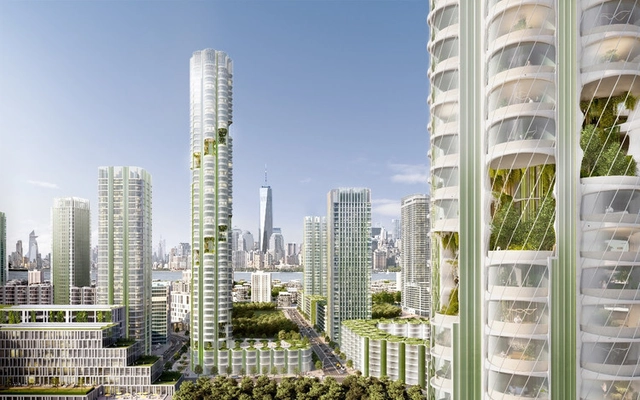
Urban Sequoia Forests of Buildings Isolating Carbon & Producing Biomaterials . Image Courtesy of SOM / Miysis
With the magnitude and urgency of the immediate Covid-19 crisis worldwide, efforts have been concentrated on saving lives, rather than focusing on concerns related to the road to Net-zero carbon. Net Zero carbon in regards to construction is defined as when the amount of carbon emissions associated with the construction of a building and its completion is zero. A zero-energy building will have an overall zero net energy consumption; the total amount of energy used by the building annually is equal to the amount of renewable energy generated on-site.
As the climate emergency presents itself as a severe and existential threat, it is crucial that the road to net-zero carbon is resumed large-scale in both an architectural and commercial sense. Around the globe, efforts have been renewed in an attempt to tackle the almost inconceivable. According to the 2019 global status report for buildings and construction, the buildings and construction sector accounted for 36% of final energy use and process-related carbon emissions in 2018. Although carbon emissions were temporarily reduced during the peak of the pandemic, they are set to swiftly return to previous figures.
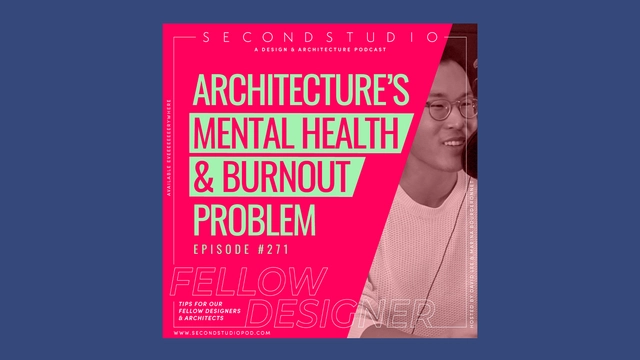
The Second Studio (formerly The Midnight Charette) is an explicit podcast about design, architecture, and the everyday. Hosted by Architects David Lee and Marina Bourderonnet, it features different creative professionals in unscripted conversations that allow for thoughtful takes and personal discussions.
A variety of subjects are covered with honesty and humor: some episodes are interviews, while others are tips for fellow designers, reviews of buildings and other projects, or casual explorations of everyday life and design. The Second Studio is also available on iTunes, Spotify, and YouTube.
This week David and Marina discuss mental health and burnout in architecture, covering how the issue is perceived by different generations, why looking to other colleagues and professions can be helpful but also not helpful, passion as a solution and problem, the inherent complexity of architecture, architects being undervalued, whether or not architecture school should change, the instability of a project-based practice, and the main reasons for poor mental health and burnout exist in architecture and how they can be addressed.
https://www.archdaily.com/978731/the-second-studio-podcast-architectures-mental-health-and-burnout-problemThe Second Studio Podcast
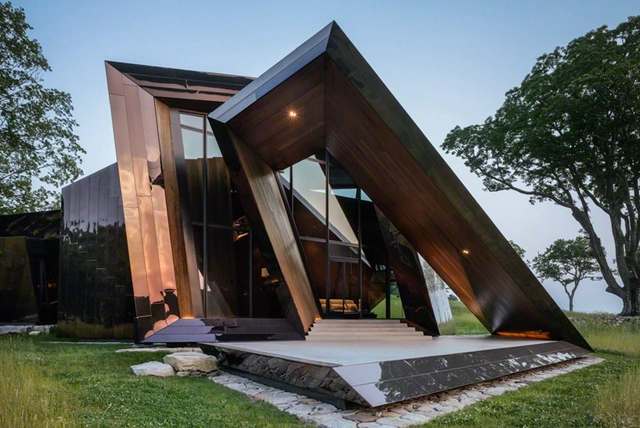
18.36.54 House, Connecticut. Image Courtesy of Nikolas Koenig
Polish-American architect, artist, professor, and set designer, Daniel Libeskind, founder of Studio Libeskind in 1989, believes that buildings are crafted with perceptible human energy, constructed with the intention to address the greater cultural context in which they are built. His commitment to expanding the scope of architecture reflects his profound interest and involvement in philosophy, art, literature, and music.
He addresses the notion of drawings being akin to a score, a piece of music that is interpreted by a like-minded community. Proportions, light, and materiality are all implicated in the drawing, and in this same way, buildings are also called to present space, atmosphere, and illuminate the practice.
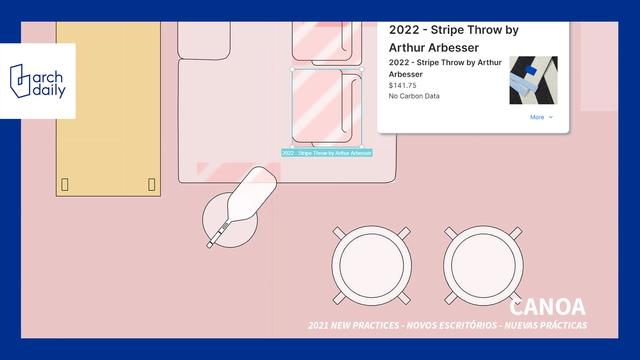
Providing an end-to-end design and construction framework for creating low-carbon workplaces, Canoa is a design tool with an embedded marketplace that aims to reduce the environmental impact of commercial interiors. Operating under the circular economy principles, Canoa seeks to keep goods in use for as long as possible, design out waste, and help preserve natural resources while supporting businesses, designers, and suppliers in carrying out commercial retrofits.
Selected as one of Archdaily's Best New Practices of 2021, Canoa is a New-York based start-up founded in 2019 by designer and entrepreneur Federico Negro, with the purpose of delivering environmentally conscious working environments for a wide range of businesses. Canoa is a business-to-business marketplace for low-carbon office products, ranging from furniture to lighting and accessories. The company focuses on providing conscious, durable furniture and prefabricated units with traceable materials and manufacturing that can be easily moved and reused.
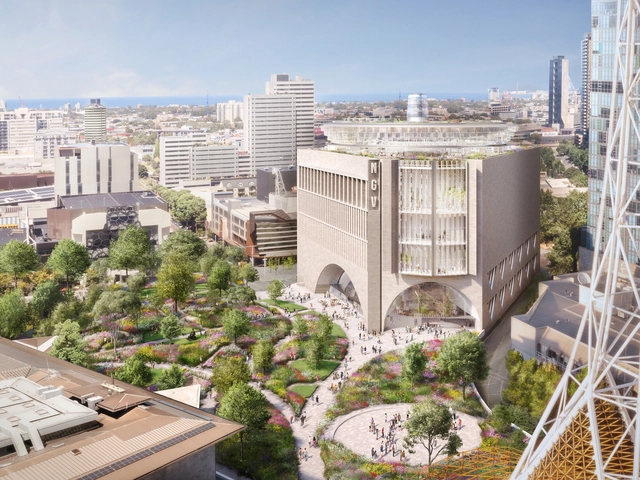
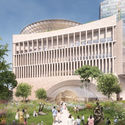
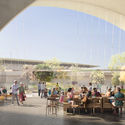
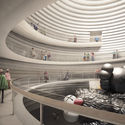
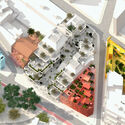
Australian architecture firm Angelo Candalepas and Associates has been selected by the Victorian Government and the National Gallery of Victoria to design NGV Contemporary, Australia’s largest gallery dedicated to contemporary art and design. The 30,000 sqm Victorian landmark will feature dramatic arched entries, a 40-metres-high spherical hall, more than 13,000 sqm of exhibition galleries, and an expansive rooftop terrace and sculpture garden overlooking Melbourne.
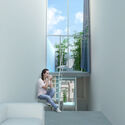
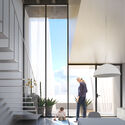
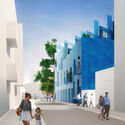
MVRDV, together with Spanish practice GRAS Reynés Arquitectos, is transforming the iconic El Terreno neighbourhood in Palma, Mallorca, into a vibrant residential area, through renovations and new additions. After decades of decline, a series of neighbouring plots in Plaza Gomila are to be redeveloped through a public-private venture, with the aim of restoring the essence of the bohemian neighbourhood. Each executed in a different colour and material, the seven diverse buildings form a recognisable district with a variety of typologies.
Cozinha Americana, 1946. Autor: Harris & Ewing, fotógrafo. N STREET, KITCHEN. [Entre 1905 e 1945] Fotografia. Recuperado da Biblioteca do Congresso dos EUA [www.loc.gov/item/2016861773/]. Imagem em Domínio Público [PD US Government]. Image via Wikimedia Commons
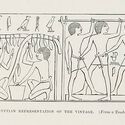
The discovery of fire was one of the great events that changed the social organization of human agglomerations, which gradually passed from nomadic to sedentary lifestyle. Fire, which in that context served to keep people warm and protect the group, was also being explored as a source for cooking food, which not only changed human eating habits, but also made it possible to conserve food, changing the social organization of communities. The preparation and meals were collective acts, which brought people together to feed, warm up and protect themselves. It is from this habit that we inherited the practice of large banquets and the appreciation of food and meal times. Food preparation, on the other hand, was gradually marginalized.
While the Egyptians, Assyrians, Phoenicians, Persians, Greeks and Romans shared the habit of holding large banquets, the preparation gained less and less prestige, losing its collective social dimension until it was physically segregated in a specific room: the kitchen.
What, exactly, is the point of architecture criticism? The word “criticism” is derived from the Greek term krinein, meaning to separate, to sift, to make distinctions, to discern, to examine, or to judge. According to Wayne Attoe, an architect and educator who writes about architecture criticism in his book Architecture and Critical Imagination (now sadly out of print), this does not necessarily mean to disapprove of, or to find fault with. It can be favorable or unfavorable; it can praise or condemn.
https://www.archdaily.com/978701/whats-the-point-of-architecture-criticismMichael J. Crosbie
Bjarke Ingels Group has unveiled the design of a new Neuroscience Center building that will bring together psychiatry and neuroscience under one roof, combining research and treatment of physical and mental brain diseases, spinal cord, and nervous systems. The 20,000 sqm facility, which will be a part of the Aarhus University Hospital in Denmark, translates the "gyrification of the human brain" in a spatially-efficient structure that creates synergies between the different disciplines within the hospital.
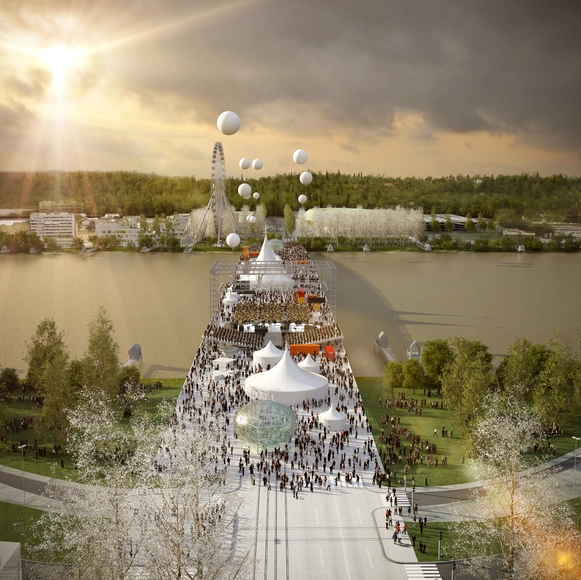
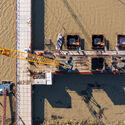
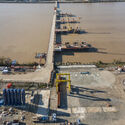
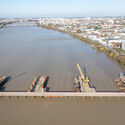
Construction is underway for OMA’s Simone-Veil Bridge in Bordeaux, with the first elements of the metal framework installed on the right bank of the Garonne river. Spanning 548 metres, the sixth bridge across the Garonne will connect the municipalities Floirac and Bègles and provide the city with a new public space, thus framing the bridge as a contemporary boulevard. Designed as a continuous surface extended to landscaped public spaces on each bank, the 44-metre bridge will accommodate cars, public transport, bicycles, with the largest surface dedicated to pedestrians. When completed, the project will become the first bridge in OMA’s body of work.
March is the month in which St Patrick's Day is celebrated, a tribute to the patron saint of Ireland who died on March 17, 461. In addition to the religious celebration, St Patrick's Day is marked by great parties in the streets, bars and pubs of English colonized countries such as Canada, the United States and, of course, the Republic of Ireland.
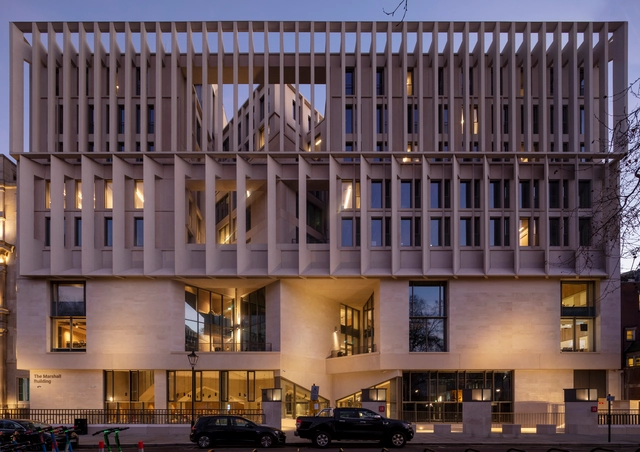
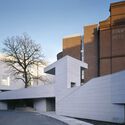
The Republic of Ireland is located on the Island of Ireland, northwest of Continental Europe and borders Northern Ireland, one of the countries that make up the United Kingdom, from which it gained independence at the beginning of the 20th century, in 1919, after an intense conflict. Since the War of Independence, the country has struggled to value and recognize its local culture, including its architecture, whether historical or contemporary. Get to know a little more about the country's architecture through the work of the seven contemporary practices gathered below.




.jpg?1647823485 "Gando Primary School Extension / Kéré Architecture. Image © Erik Jan Ouwerkerk")
.jpg?1647822667 "Serpentine Pavilion / Kéré Architecture. Image")
.jpg?1647822697 "Startup Lions Campus / Kéré Architecture. Image")
.jpg?1647823274)






.jpg?1645559930&format=webp&width=640&height=580)















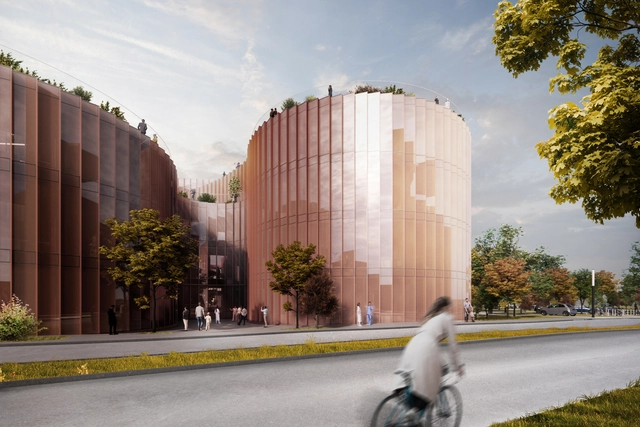
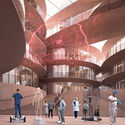
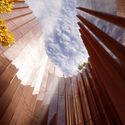
.jpg?1647508251 "Courtesy of BIG - Bjark Ingels Group")
.jpg?1647508241 "Courtesy of BIG - Bjark Ingels Group")