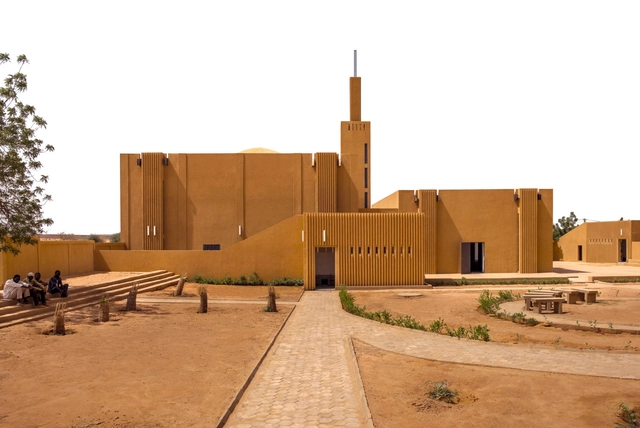
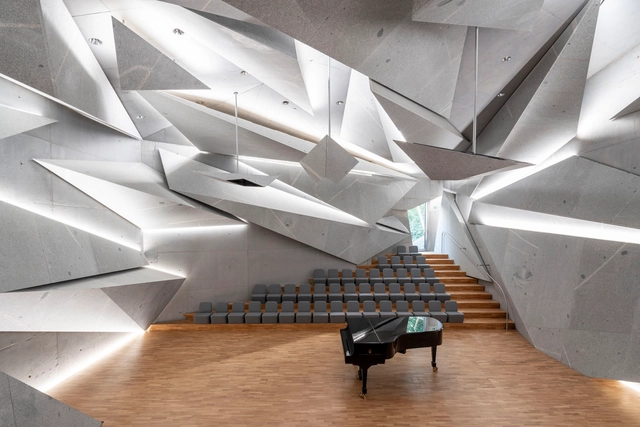
Compared to that of the West and East, awareness and knowledge of the architecture of sub-Saharan Africa—Africa south of the Sahara Desert—is scant. A new book intends to mitigate this oversight, and it’s a significant accomplishment. Architectural Guide Sub-Saharan Africa (DOM publishers, 2021), edited by Philipp Meuser, Adil Dalbai, and Livingstone Mukasa, was more than six years in the making. The seven-volume guide presents architecture in the continent’s 49 sub-Saharan nation-states, includes contributions by nearly 340 authors, 5,000 photos, more than 850 buildings, and 49 articles expressly devoted to theorizing African architecture in its social, economic, historical, and cultural context. I interviewed two of the editors—Adil Dalbai, an architectural researcher and practitioner specializing in sub-Saharan Africa, and Livingstone Mukasa, a native Ugandan architect interested in the intersections of architectural history and cultural anthropology—about the challenges of creating the guide, some of its revelations about the architecture of Africa, and its potential impact.
https://www.archdaily.com/979526/a-remarkably-comprehensive-new-guide-to-the-architecture-of-sub-saharan-africaMichael J. Crosbie
The Transamerica Pyramid, a landmark in the skyline of San Francisco, is undergoing a revitalization project led by Foster + Partners and luxury real estate developers SHVO. Built in 1972, the 48-story Brutalist-style project was designed by American architect William Pereira, and was the tallest building in San Francisco for nearly half a century. The renovation will be the largest in the building’s 50-year history, will also see the expansion and upgrade of the adjacent Three Transamerica (545 Sansome).
To honor the losses caused by the pandemic over the past two years, a temporary national memorial will be built in Bedworth’s Miners' Welfare Park in England on May 21st until May 28th. Designed by artist David Best, Sanctuary will serve as a powerful symbol of catharsis and rebirth for the whole community, giving them the chance to grieve the losses caused by the pandemic by writing messages or leaving mementos on the walls of the installation, which will then be burned on its last day.
You may have heard an architect colleague say that he chose to study architecture because of the numerous possibilities of action that this degree allows. The field of architecture is, in fact, very extensive, through which it is possible to embark not only on the most “traditional” attributions, but also to venture into various specificities that comprehend the role of the architect and urban planner.
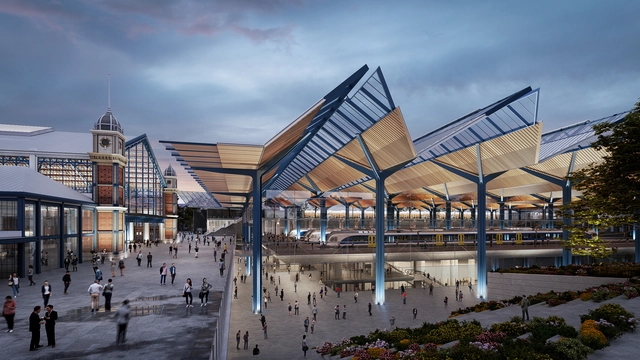
Grimshaw, in collaboration with Nautes Architects, WSP, Vogt and Turner & Townsend, have been awarded first place in an anonymous competition for the renewal of Budapest Nyugati Railway Station. Selected from a shortlist of 12 international design firms, the winning design creates a "permeable station campus" with a series of car-free streets, walkways, public squares and a park, which open up the station complex to the city and restores its significance as one of the most vibrant and historic cities in Europe.
Coastal cities have always been a point of attraction for residents, tourists, and businesses. Alongside the aesthetic features, their proximity to the sea has made these cities a focal point for maritime transportation with the construction of ports, as well as hotspots for recreational and aquacultural activities. However, the past decades saw these particular regions threatened with a shortened lifespan; rising water levels, floods, and recurring cyclones, along with other natural disasters, have endangered coastal communities, putting their population, ecosystem, and built environment at risk.
Pritzker Prize 2022 Laureate Francis Kéré is known for “empowering and transforming communities through the process of architecture”, as the jury stated in its citation. In this recently published video, Martha Thorne, Dean of IE School of Architecture and Design and former executive director of the Pritzker Architecture Prize, shares some of the reasons why Francis Kéré has won the Pritzker Prize 2022.
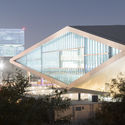
Following Qatar's ambitious museum-building project to further promote cultural institutes in the country, Her Excellency Sheikha Al Mayassa bint Hamad bin Khalifa Al Thani, Chairperson of Qatar Museums has announced that OMA, Herzog & de Meuron, and ELEMENTAL will be designing three new museums in Doha that explore the themes of Islamic art, contemporary art, and evolution of the automobile industry respectively.
Construction broke ground on a new cruise terminal at Port of Miami designed by Arquitectonica for cruise operator MSC Cruises. With the capacity to process 36,000 passengers per day and simultaneously accommodate three mega cruise ships, the structure due for completion in 2023 will be the largest cruise terminal in North America. Located on the eastern end of the Port, the 4-storey structure makes the most of the long, narrow site by creating a layered embark and debark experience, expressed in its architectural image.
Like other professions, Architecture and Urbanism often revolves around its own language. What may seem like a basic term for professionals in the field, can often sound completely strange or meaningless to those starting their studies or who are curious about the field. For this reason, we created a small glossary with some words that are important to expand your vocabulary and contribute to a future discussion about your project.
https://www.archdaily.com/977606/vocabulary-of-basic-architecture-termsEquipe ArchDaily Brasil
For many people, the bed and bedroom are no longer just a place to rest. Beatriz Colomina has already presented different studies on how work and leisure came to occupy this environment, and, today, this becomes increasingly present in our daily lives. If the way we occupy space is constantly changing, how can we better use their area to cover all the necessary functions?
Carbon footprints and CO2 emissions are large topics in our conversations about how we create a more sustainable future. Over time, different companies, organizations, and individuals have pledged to alter their lifestyles and habits to make changes that show that they are dedicated to combating climate change. Especially in the design industry, where buildings generate nearly 40% of annual CO2 emissions broken down between daily operations and construction/demolition, architects have long been feeling the pressure of exploring ways to prove that we are doing our part.
When we take a look at the different scales of emissions, one question commonly occurs- how can we measure the different levels of impact? Is it on us individually to recycle and ensure we never use plastic straws again? Does this even have a major impact? Do more car manufacturers need to find alternates for gasoline-fueled automobiles? Do architects need to only source sustainable materials? What are the actionable steps that truly have an impact?
Videos
Thunderhead by Team Wreford. Image via Canadian Heritage
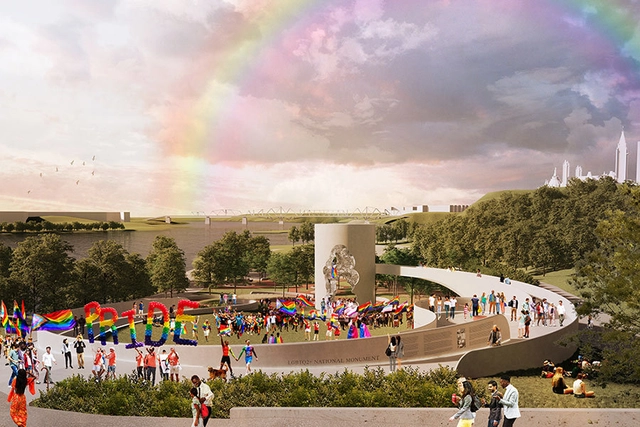
Canada’s Department of National Heritage, along with the Minister of Canadian Heritage Pablo Rodriguez, Minister for Women and Gender Equality and Youth Marci Ien, as well as the LGBT Purge Fund have unveiled “Thunderhead” as the winning concept of Ottowa's LGBTQ2+ National Monument competition. The winning design symbolizes a thunderhead cloud, which embodies the "strength, activism and hope of LGBTQ2+ communities, and will be a lasting testimony to the courage and humanity of those who were harmed by the LGBT Purge, homophobic, and transphobic laws and norms".
A new European architecture platform will launch in June this year, with the scope of supporting emerging architects and at the same time mobilizing the profession's efforts in delivering a sustainable, circular built environment. Operating on a grant from the Creative Europe initiative, LINA brings together 28 European and Mediterranean organizations from 23 countries, among which are several European biennials, triennials and festivals, museums, research networks and laboratories, publishing houses and universities. A successor to the Future Architecture platform, the initiative will be coordinated by the Faculty of Architecture at the University of Ljubljana and directed by Matevž Čelik.
If the maxim "the first impression is the one that stays" is taken seriously, in architecture, the entrance hall takes on a fundamental importance. This small space, in addition to welcoming the house, can also gain several other functions: storing objects, housing a waiting and reading area, distributing the movement of the residence, displaying a painting. Finally, there are several possibilities to think about and occupy this environment, so here we present three design guidelines that can help you when thinking about it.
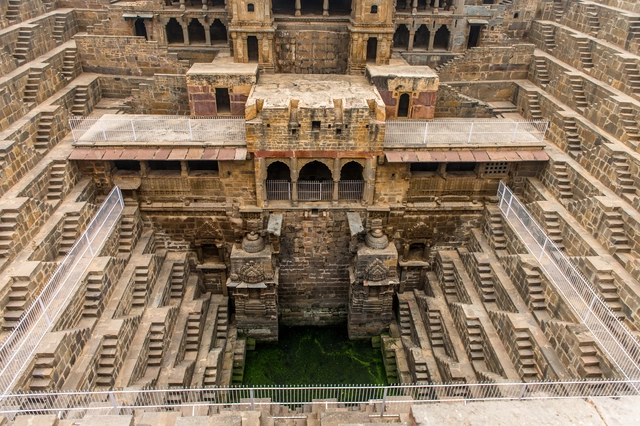
The 22nd of March 2022 saw the twenty-ninth commemoration of World Water Day – as a worldwide water crisis continues to leave populations vulnerable. It is an extremely multi-faceted issue. Governance sadly determines water accessibility, with marginalized people disproportionally affected. Urban typologies are another factor. The over-pumping of groundwater sources to meet the water demands of Hanoi, for instance, has resulted in arsenic being drawn into Vietnam’s village wells.
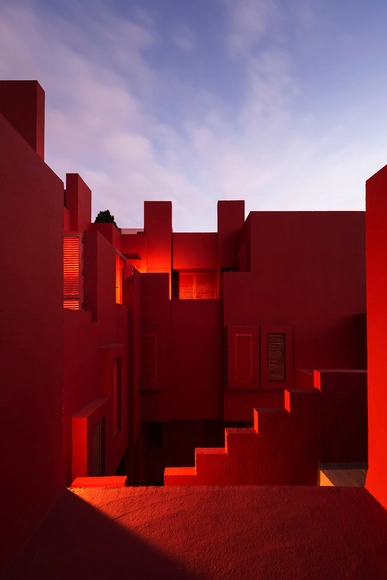
‘La Muralla Roja’ When the sun goes down III, is an evocative new Photo series by Andrés Gallardo. 5 years after initially visiting Ricardo Bofill’s creation, Gallardo revisited with the intention of creating a totally contrasting series, capturing the complex through sunset, the night and into sunrise. With regard to the fact that there are not many photographs in circulation during the night-time period, Gallardo set out to capture the complex during twilight, with the placid roll of the waves against the seafront.
‘La Muralla Roja’ translated as ‘The Red Wall’ is a vibrant housing project in Spain’s Calpe. Casbah is a term often mentioned in regards to this particular project, suggesting Bofill himself drew upon North African Arabic themes for his inspiration. Casbah refers to a citadel or castle, a walled central area of a town or city upon the traditional quarter. The Mediterranean complex mimics this built-up realm, with an entanglement of walkways, stairs, balconies, and bridges interlocking in harmonious effect.
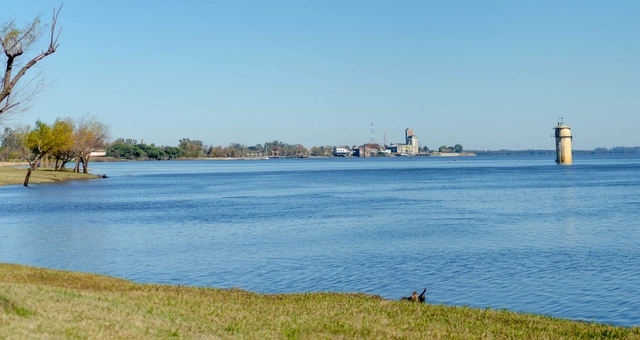
Foto panorámica de la playa de Paysandú. Imagen de Gabriel Stock Uruguay. Image via Shutterstock
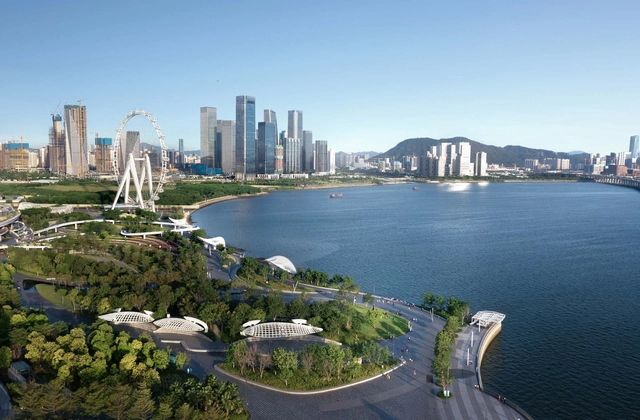
The Municipality of Paysandú commissioned OMA (Office of Metropolitan Architecture) to draw up the project for the urban transformation of Paysandú's waterfront. Covering an area of about 350 hectares, the Master Plan extends from the "General José Artigas" International Bridge, which links Paysandú with Argentina on the northern border, to the mouth of the Sacra Stream.