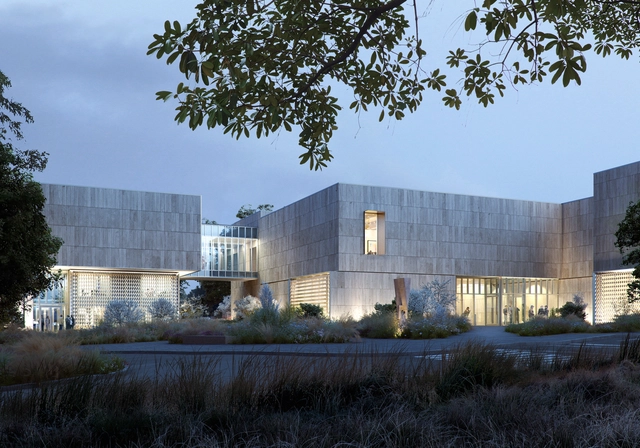
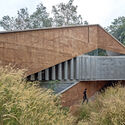
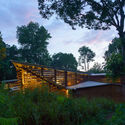
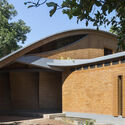
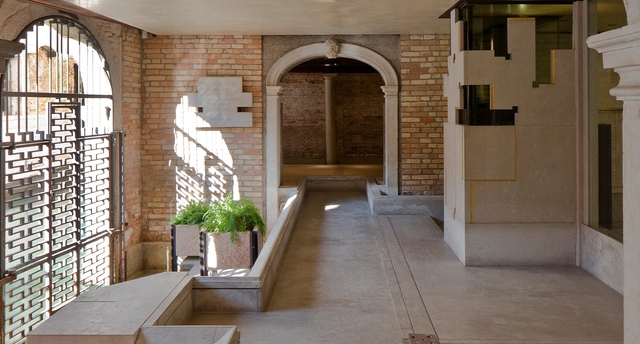
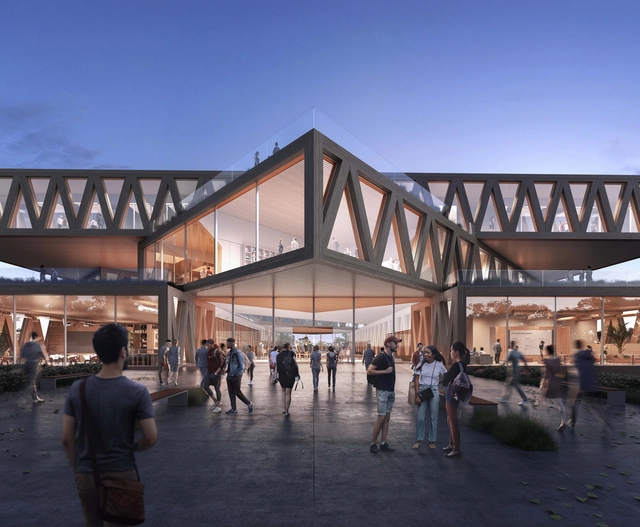
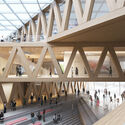
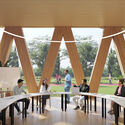
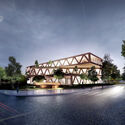
The construction of the new building of Palmer Museum has begun. Located at Penn State, USA, and scheduled to open in the spring of 2024, the new 6600 square meters complex will expand nearly double the space of the current gallery to host the growing collection of more than 10,000 pieces. The design features a series of pavilions, educational areas, and courtyards to boost accessibility to the art collections for students, staff, and the public. The construction aligns with the 50th anniversary of the museum along with a multitude of events, including the exhibition of Allied Works' pieces of the design process for the new Palmer Museum.
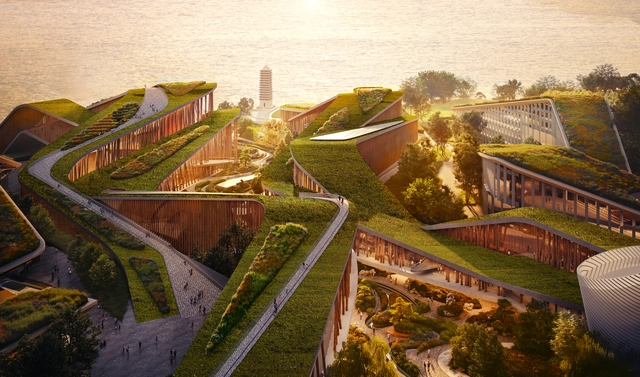
Büro Ole Scheeren has designed a new campus and experience center located in the historical city of Yibin, a region known for its rich cultural heritage and the geographical source of the Yangtze River. The campus was commissioned by Wuliangye, one of China’s leading winemakers. The project represents a large development inspired by the shape of a natural canyon, with two dynamic parallel structures defining a central space. On either side of this structure, called the Wuliang Interstice, are the Wuliangye World and the Wine Culture Exhibition Center respectively. Wuliangye World is an experience center where visitors can engage with the tradition of winemaking, while the exhibition center tells the story of wine culture through a series of themed exhibition halls.
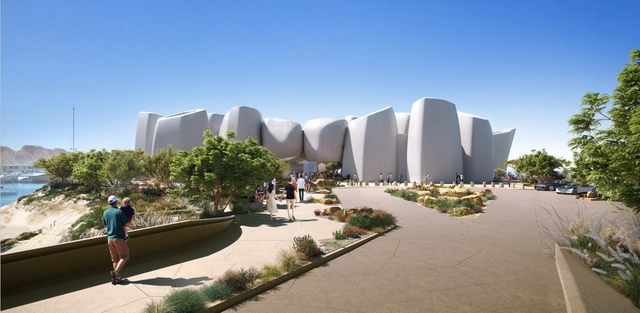
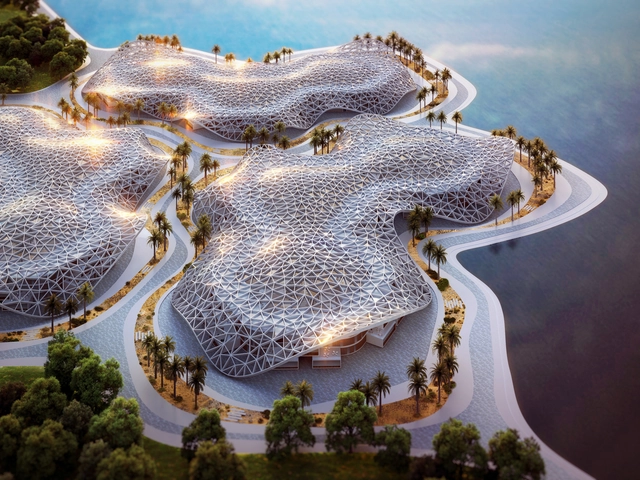
Foster + Partners has revealed the designs of the Marine Life Institute on Saudi Arabia's northwestern coast. As part of Triple Bay development AMAALA, a luxury tourist destination on the Red Sea coastline, the project will accommodate a research center, labs, galleries, and educational spaces to give visitors a glimpse into the wonders of the marine environment of the coastline. Reproducing the forms of coral formations, the building will be the world's first fully immersive marine institution where visitors can walk underwater, snorkel with rare species and experience a coral exhibit inside the building.
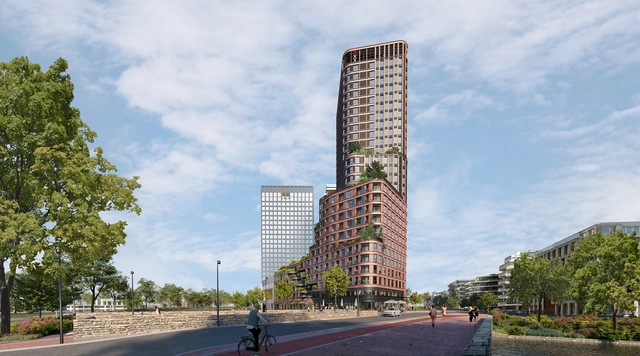
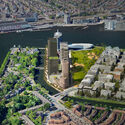
Brink Tower by Mecanoo was just granted planning permission and construction works are planned for mid-October 2022. Located in Amsterdam, the Netherlands, the 90-meter-high building, developed by Xior Student Housing and DubbeLL – winners of the competition for this tower together with Mecanoo Architecten in 2020- will offer a mixed program, including spaces to live, work, and relax in a healthy environment. The residential tower is set to create an" energy-positive, green, and inclusive neighborhood" and contribute to the development of Overhoeks in North Amsterdam.
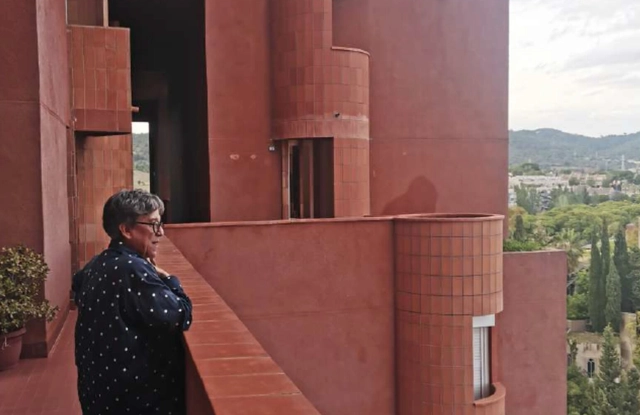
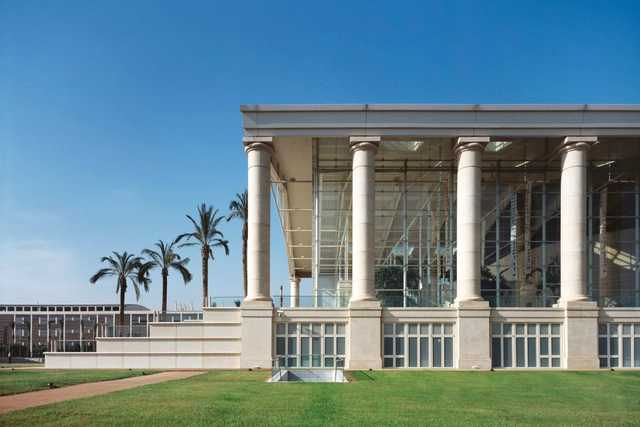
TNC / Taller de Arquitectura de Ricardo Bofill. Image Cortesía de Ricardo Bofill Taller de Arquitectura
Catalonia's National Theatre, known by the abbreviation TNC, is a public theatre located in the Plaça de les Arts, near Plaça de Glòries, in Barcelona. It is one of the city's most prestigious buildings and one of the most important cultural institutions in Catalonia.
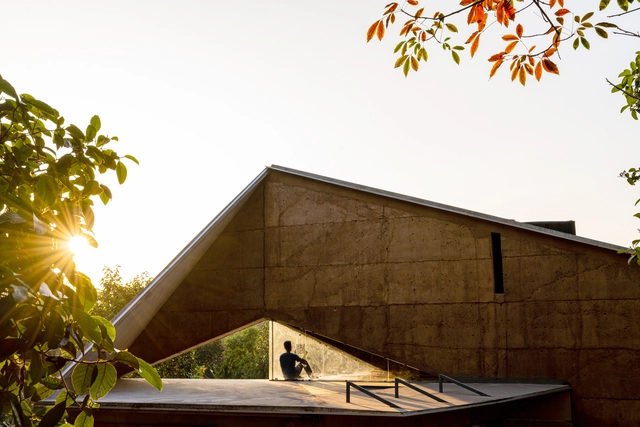
Most architects design projects in the comfort of their offices, sitting behind their desks, making decisions by looking at their flatscreens, never visiting a construction site, and managing everything remotely. This attitude may lead to a design of a sleek and even objectively beautiful building. But such a solution can't be anywhere near a genuine response to what any given site may require. How do you even find out? Is it possible to build something new as if it were an extension of what is already there in the most innate, consequential, yet original form? The only way to find out is to start from the site itself, says Vinu Daniel, the founder of Wallmakers, an award-winning architectural practice in Trivandrum, the capital of the southern Indian state of Kerala.
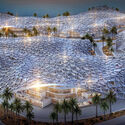
A new urban tech district is planned for the Creekside of Al Jaddaf area in Dubai. Developed by URB, the district aims to generate over four thousand jobs in urban technologies, education, and training, while also welcoming entrepreneurs to encourage a collaborative tech ecosystem. The district will provide facilities for training, research, conferences, business incubations, shared-desk spaces, and dedicated offices. It will also be home to an urban tech institute, which hopes to drive innovation by investing in applied research and by enabling public-private partnerships.
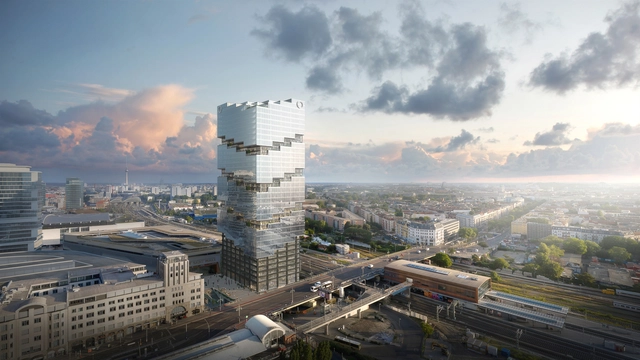
The third tallest building in Berlin, a 142 meters high-rise by Bjarke Ingels Group (BIG), is expected to be completed by 2023. Located close to the Warschauer station and the Mercedes-Benz Arena, The EDGE East Side will be a vertical hub of 65,000 square meters that connects two of Berlin's most vibrant and artistic suburbs: Friedrichshain and Kreuzberg.
Blending contemporary urban requirements and natural elements, the structure will feature 360 views of East Berlin and 36 floors of shared and dedicated workplaces. Some building sections will serve organizations or individuals focusing primarily on sustainability, education, or social issues. The tower will also host Amazon's offices, with room for up to 3400 employees.
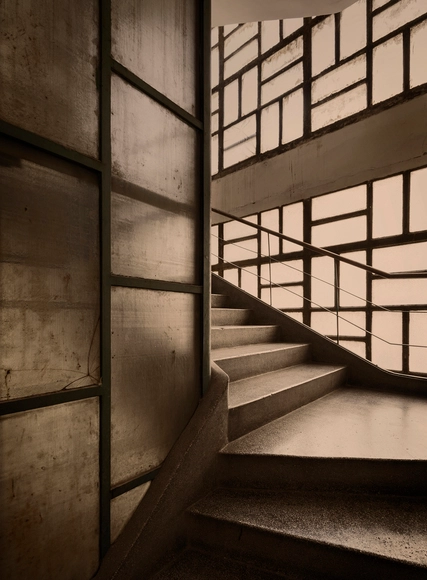
A city of electric architectural diversity – Belgrade’s Modernist structures give the Serbian capital a unique character. The grey of Belgrade’s Brutalist concrete is one of the city’s architectural signatures, existing in both complex volumetric facades and monolithic rectilinear forms. But while a plethora of architectural appraisals has been conducted on the external qualities of brutalist structures in Belgrade and beyond, photographic documentation of Belgrade’s brutalist interiors is relatively rare – something that photographer Inês d’Orey has sought to change in her most recent exhibition.
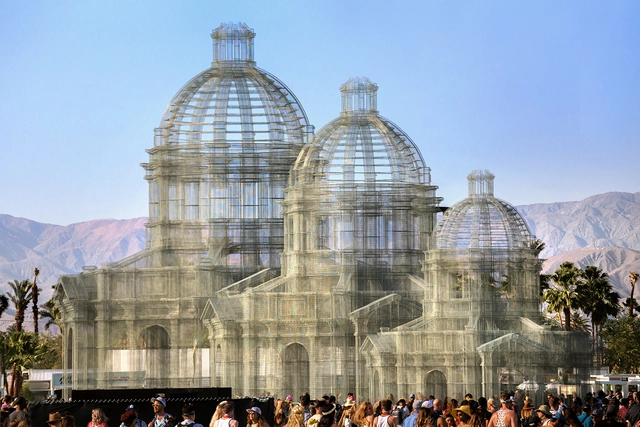
Multi-day stretches of camping in tents and sweltering under the hot summer sun to be 100 rows back at your favorite musical artist’s set? It must be music festival season. As the year comes to a close, with music festivals returning in full swing after a COVID-19 hiatus, it’s important to understand the socio-economic impact that they have on the cities that host them, long after the final set performs. Do the short-term entertainment and monetary benefits outweigh the long-term urban inequities that they might exacerbate?
The role of a building’s entrance area is critical in a world where first impressions are everything. It anticipates what is to come, marks the starting point to an architectural journey and sets the tone for the rest of the interior. As a practical “passageway” between different places, an entrance connects and unites, but at the same time separates, protects and provides safety for both homeowners and visitors. Thus, every aspect conveys specific formal features to serve that purpose; from the position of the door, to the shape of the threshold, to the structure of the ceiling.
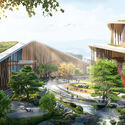
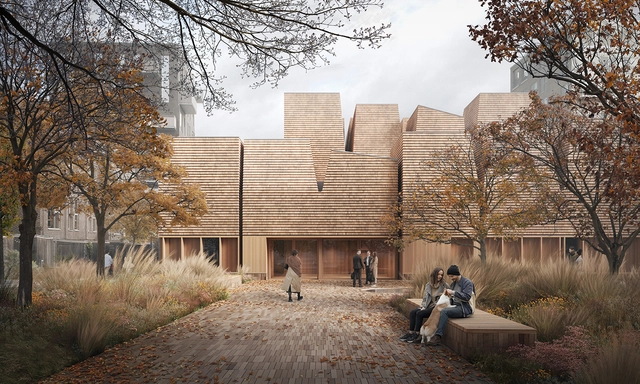
Henning Larsen has revealed the first images of the Ørestad Church, the first church to be built in Copenhagen in the last 30 years. The modern monument is built in wood and wood shingle, reflecting Ørestad’s open natural landscape and embracing the identity of the local community. The intention was to create a serene space, detached from the bustle of the city, where the calmness and simplicity of interior spaces can offer residents solace from their everyday life. Construction is expected to start in 2024, and the church will be consecrated in 2026.
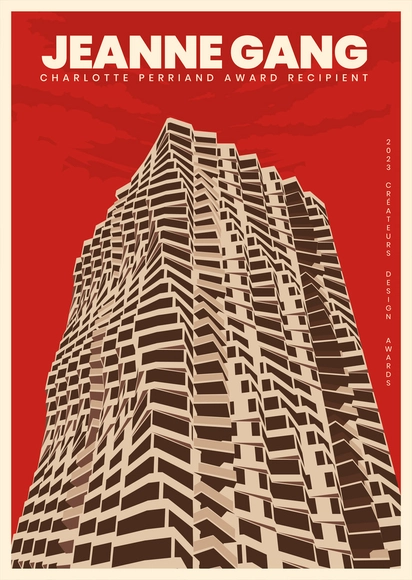
Jeanne Gang, Studio Gang's founder, has been named the 2023 recipient of the Charlotte Perriand Award by The Créateurs Design Awards. From skyscrapers to museums, including the Aqua Tower - the tallest woman-designed building in the world at the time of its completion- and the recently opened Arkansas Museum of Fine Arts, Gang has demonstrated her dedication to creating and implementing better practices in sustainable reuse, ecological biodiversity, and social equity. Jeanne Gang, the first woman architect to get the Charlotte Perriand prize, joins the CDA AWARDS laureates list along with Sir David Adjaye and Tadao Ando.
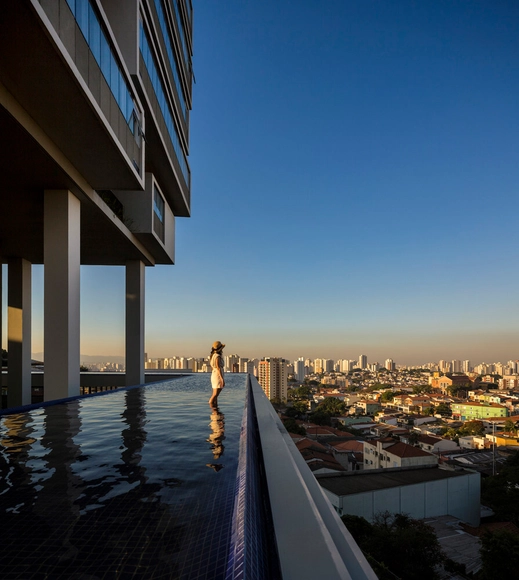
Fashion designer Paul Smith, British band Radiohead and Swedish film director Ingmar Bergman seem to have nothing in common, except for being constantly mentioned as major inspirations for São Paulo architect Isay Weinfeld. A multidisciplinary range of influences that says a lot about his personality and, accordingly , about his works.
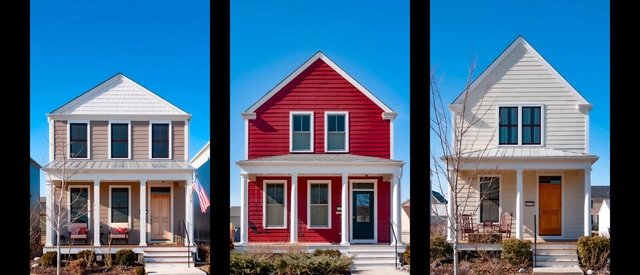
The U.S. housing shortage is most severe on the more affordable side of the market. At a time when costs are escalating broadly and homes that were recently attainable by many have moved out of reach of most, this is no surprise. The problem is most acute in the heated markets, of course, where affordability mandates and rent controls seek to retain rental affordability for some, as owning a home in such markets is a dream accessible only to the wealthiest. (No measures in this post have any impact on these markets.)
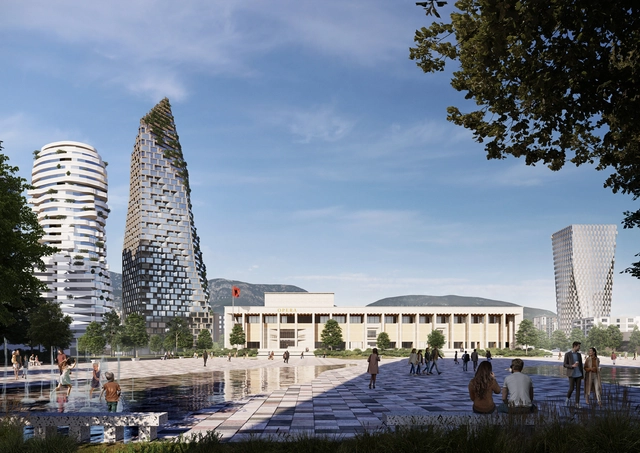
Mount Tirana by CEBRA, Skanderbeg Square. Image Courtesy of CEBRA
Danish architecture office CEBRA won the competition to design a new landmark in the capital of Albania, Tirana. While located in the heart of the city, the project takes inspiration from the natural landscape surrounding the city, thus celebrating Albania's national identity and cultural heritage. The project proposes a 185-meters multifunctional tower containing housing, commercial facilities, a boutique hotel, a business area with offices and parking facilities, and all the necessary amenities like restaurants and cafes.
Designed by Bjarke Ingels Group, The Robert Day Sciences Center at CMC in California breaks ground and is expected to be completed in 2024. Featuring an open auditorium, labs, research spaces, and multifunctional roofs with 360-degree views of Mt. Baldy, the building will serve a community of 1,400 students. By literally stacking disciplines together in a Jenga-like composition, the framing of a column-free bar will serve as a multilevel gathering hub of collaboration and a crossroads for scientific thought and also stimulate the rest of the liberal arts students to take a deeper interest in the sciences and vice versa.