As climate change continues to reach unprecedented levels, many are pointing towards enhancing circularity in the construction sector. Essentially, the circular economy aims to eliminate waste and the continual use of resources by repeatedly reusing, repairing or recycling materials. The cyclical approach is able to meet demand and minimize CO2 emissions by extending a product’s lifespan, which is especially important when dealing with limited resources. Unlike the traditional linear extractive method –where everything goes through an extremely contaminating process of 'take-make-waste'–, circularity keeps materials in use for as long as possible to extract maximum value. This, in turn, reduces pollution, regenerates natural systems and contributes to a healthier built environment, hence building economic, natural, and social capital.
Mexican architect Gabriela Carrillo has built an exemplary career and is passionate about the city, territory, and diversity. Her widely awarded works, first in partnership with Mauricio Rocha and now running her own studio, have become the reference image when discussing contemporary architecture in Mexico. Her projects translate the world's needs, developing constant work to recognize the values of the territory in order to provide spaces that dignify its inhabitants. Situated between praxis, theory, and research, her interests are focused on the everyday, leading a flexible and dynamic practice that allows her to maintain a balance between working and living.
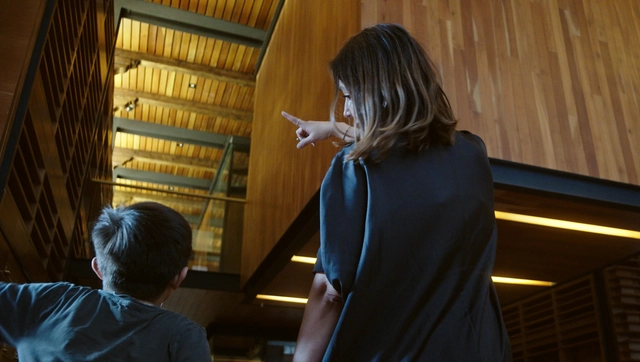
Alongside Toshiko Mori and Johanna Meyer-Grohbrügge, Gabriela Carrillo is part of the new documentary "Women in Architecture" to be released on the 3rd of November 2022. The film promoted by Sky-Frame, in exclusive collaboration with ArchDaily and under the direction of Boris Noir, is an impulse for inspiration, debate, and reflection around one of the most pressing issues in architecture.
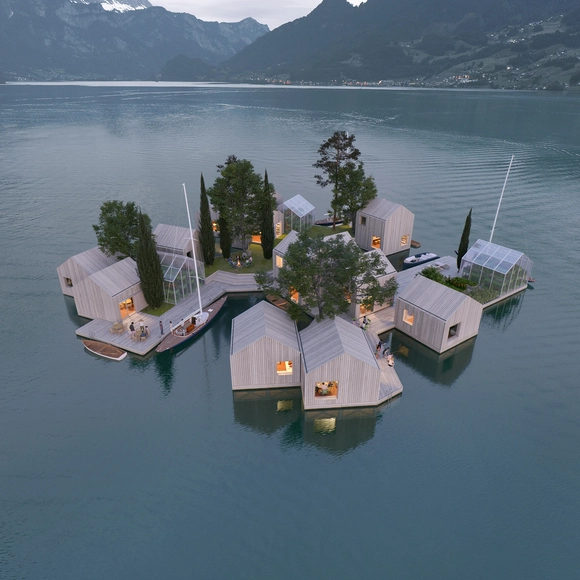
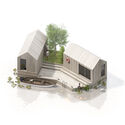
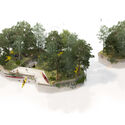
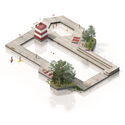
Danish Maritime Architecture Studio MAST has developed the “Land on Water” project, a system that provides an adaptable solution to building almost anything on the water: floating homes, campsites, even small parks, and community centers. The project represents a response to the acknowledgment of raising sea levels and increased risks of urban flooding, which has led to a growing interest in adapting architecture to be built on water. The “Land on Water” proposes a flexible and sustainable solution, a departure point from previous solutions, which are proven to be difficult to adapt, transport and are often using unsustainable materials such as polystyrene-filled concrete foundations or plastic pontoons. The project is developed with the support of Hubert Rhomberg & venture studio FRAGILE.
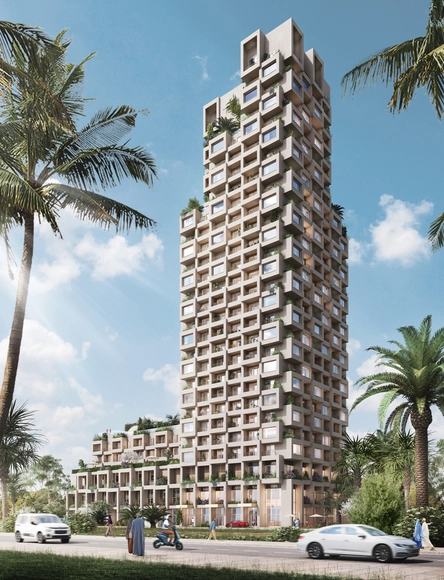
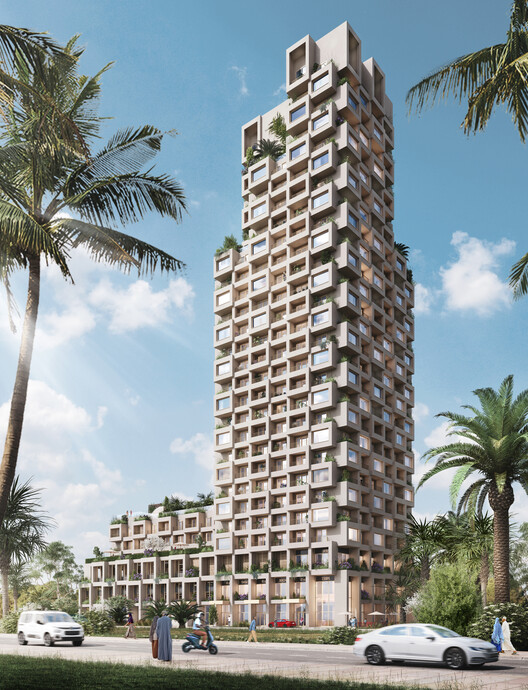
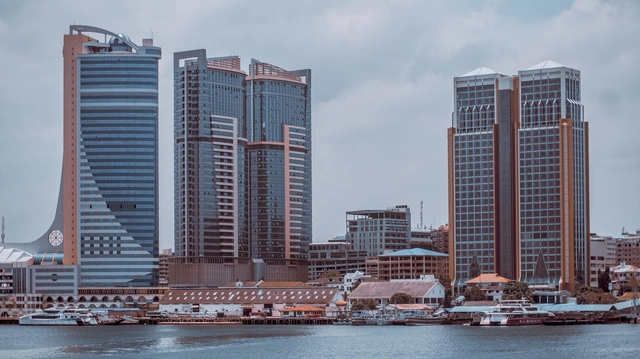
German-based architecture firm OMT designed Africa's tallest hybrid timber tower in Zanzibar City, Tanzania. In partnership with Birk Heilmeyer Frenzel Architects, engineering firm Knippers Helbig Advanced Engineers, and CPS Developers, the "Burj Zanzibar" will rise 96 meters tall to accommodate 266 residences and recreational and conferencing facilities. The mixed-use tower will promote the locally available wood and support the growing urban infrastructure that, according to the government plans, expects to attract tech companies to turn the island into a leading hub for Africa's technology companies.
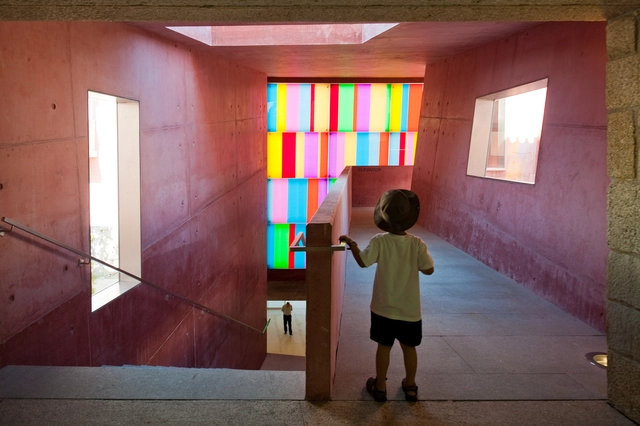
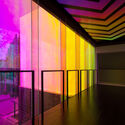
Used by artisans across the globe for thousands of years, colored glass is one of the oldest art forms. Its origins date back as early as the 7th century, when stained windows began adorning churches, cathedrals and convents – often representing religious symbols and Biblical stories. These expanded to Islamic mosques and palaces during the 8th century, and by the Middle Ages could be found in countless churches across Europe. The intricate glass work reached maximum splendor in the monumental buildings of the Gothic period, resulting in giant, elaborate windows with extremely complex figures, patterns and geometries. However, gone are the days when this was reserved exclusively for prominent places of worship or ancient structures. Hand in hand with innovative production methods and new technologies, colored glass has made a comeback in contemporary architecture, enhancing countless buildings with its bold, lively hues.
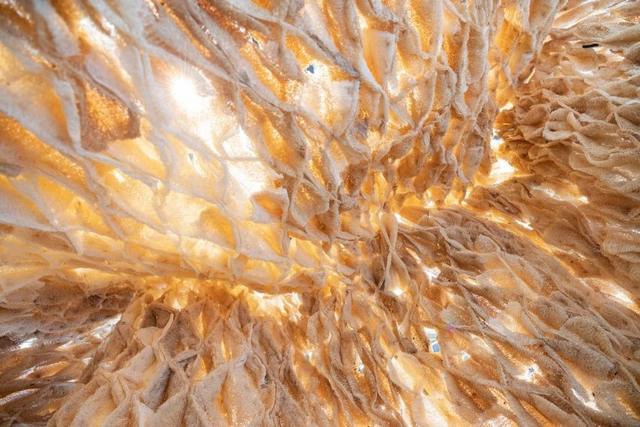
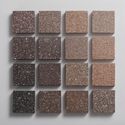
The construction industry's future will undoubtedly include "carbon reduction" as a mandatory task. Aside from locally sourced, virgin materials, an increasing number of new materials are becoming available. New materials can be developed in several ways, including low-carbon substitution, recycling, performance enhancement, and 3D printing. New materials will not only be more environmentally friendly and enable new construction methods, but they will also influence the starting point and direction of design concepts, resulting in new buildings with new perceptions and spaces.
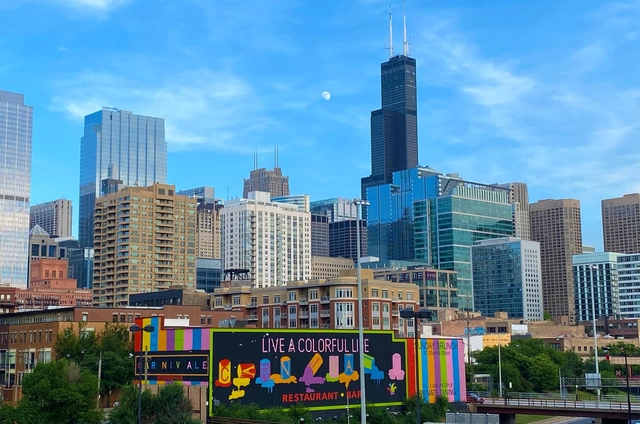
“Art aims to represent not the outward appearance of things, but their inward significance”, Greek polymath Aristotle remarked. Public art in cities worldwide seeks to pursue this aim by offering a sense of meaning and identification to its residents. Taking the form of murals, installations, sculptures, and statues, public art engages with audiences outside of museums and in the public realm. This art presents a democratic manner of collectively redefining concepts like community, identity, and social engagement.
The Second Studio (formerly The Midnight Charette) is an explicit podcast about design, architecture, and the everyday. Hosted by Architects David Lee and Marina Bourderonnet, it features different creative professionals in unscripted conversations that allow for thoughtful takes and personal discussions.
A variety of subjects are covered with honesty and humor: some episodes are interviews, while others are tips for fellow designers, reviews of buildings and other projects, or casual explorations of everyday life and design. The Second Studio is also available on iTunes, Spotify, and YouTube.
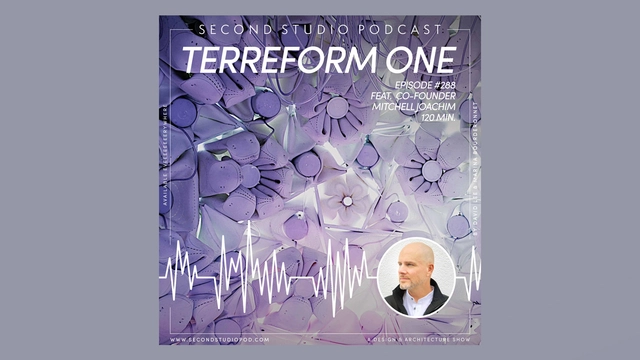
This week David and Marina are joined by Mitchell Joachim, PhD, Associate Professor, NYU and Co-Founder, Terreform ONE to discuss the complexities of urban design; the role of the urban designer; the real-life applications of his research; funding projects; cricket farms; and more.
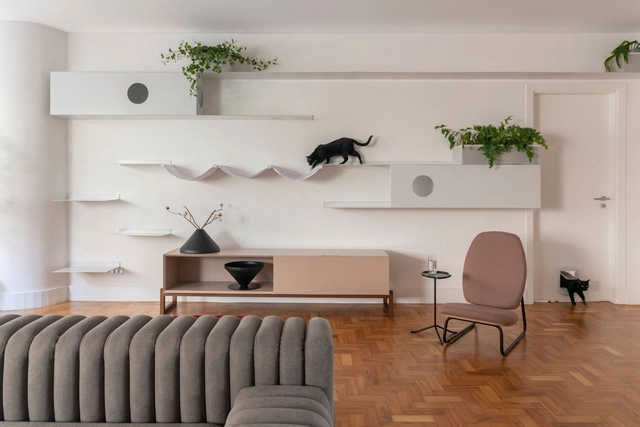
In architecture, the most common is to design for humans only. However, covering the scope of the project for other species is an exercise that has been proposed in several orders. From specific furniture to interior design planned for the animal, the possibilities of creating a more playful and comfortable ambience, both for humans and animals, are diverse.
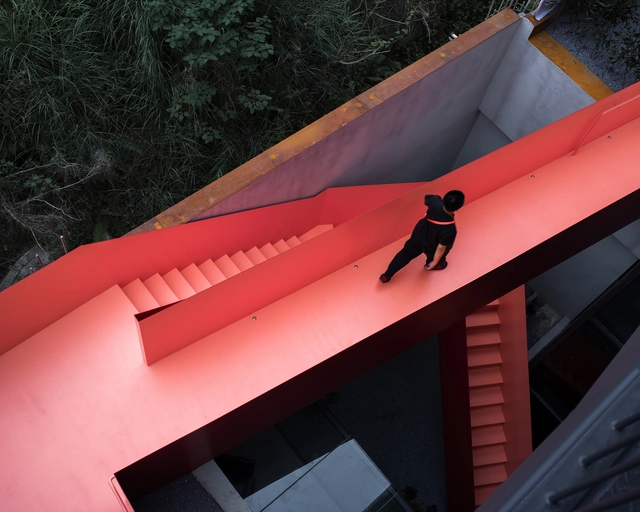
Stairs are often an inevitable part of a building's DNA. Nowadays, staircases not only serve the function of practicality but are also a showcase of their own kind, especially if paired with a color that is guaranteed to grab attention. Among warm colors, red is considered to be the most powerful one. On one hand, it evokes feelings of joy and energy, and on the other, feelings of alertness and danger. Red can stimulate a whole range of emotions. Therefore, its usage should be attentive, delicate, and thought out.
Cities have been, and will always be multi-faceted, elastic sites. They are settlements in continuous evolution, molded by proximity to natural resources, by migrating populations, and by capital. Despite the diversity in the urban character of disparate cities, it has been said that cities look alike now more than ever before, a uniformity that means a glass-and-steel tower in Singapore would not look out of place in Mumbai’s Bandra Kurla Complex.
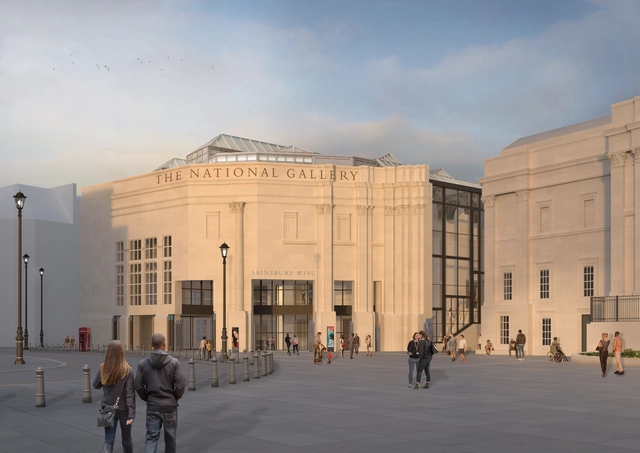
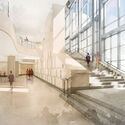
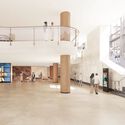
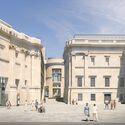
Updated exterior view. Image Courtesy of Selldorf Architects
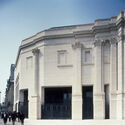
Selldorf Architects have released a revised version of the plans to remodel the National Gallery and the Sainsbury Wing, both classified as Grade-I-listed monuments. Sainsbury Wing is also the recipient of the 2019 AIA Twenty-five Year Award. The plans for the Sainsbury Wing, designed by Robert Venturi and Denise Scott Brown and opened in 1991, have faced intense criticism, with former RIBA Journal editor Hugh Pearman calling the remodeling plans “unnecessarily destructive”. The plans to remodel were first revealed earlier this year as part of the NG200 Project to celebrate the National Gallery’s bicentennial in 2024. The project proposes the remodeling of the Sainsbury Wing’s front gates, ground-floor entrance sequence, lobby, and first-floor spaces.
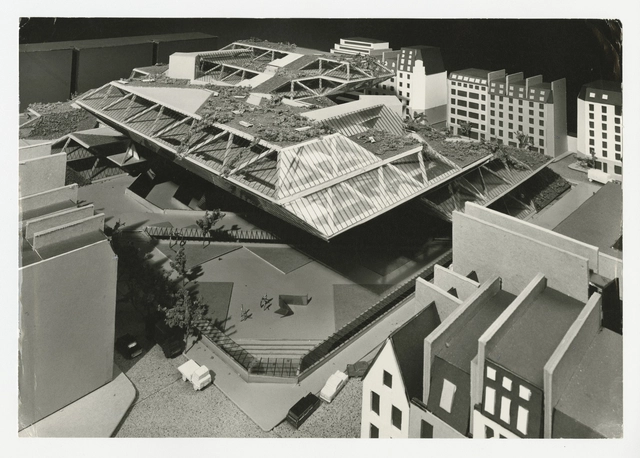
Pompidou Center Competition Model, 1971. Image Courtesy of Safdie Architects
From October 2022 through January 2, 2023, The Boston Architectural College (BAC) and Safdie Architects will display the most groundbreaking unbuilt projects by Moshe Safdie. With Intention to Build showcases the architect's creative process throughout the 55 years of his career, including models, drawings, and various texts and photographs. The exhibition provides context and tells the story behind these radical unrealized designs that have influenced projects such as Habitat 67 in Montreal, Canada, and Marina Bay Sands in Singapore.
A famous skyline can evoke rich associations and unleash imagination, but the real experience of a city is in its streets. Early humans evolved to see the first 20 feet in front, above, and around them so they could identify potential threats in the landscape. In our modern urban environment, this is still how we experience buildings and places. While aerial views and Google Earth imagery are useful for reference, the main experience of the outside of a building is what we pass by on the street, up to about the second or third story. The height of a building doesn’t necessarily matter if the street experience is rich and accessible.
https://www.archdaily.com/990889/activating-the-edges-how-to-create-lively-active-streetsAmanda Loper, Daniel Simons, David Baker
Blending in with its urban context or standing out to draw attention, a façade tells a building’s story. It is an expressive medium through which we engage with architecture, defining first impressions and setting the tone for the interior by experimenting with transparency, movement, texture and color, among other aesthetic possibilities. Of course, the envelope also plays a crucial functional role, acting as a protective barrier against extreme weather conditions and directly impacting light transmittance, energy efficiency and acoustic comfort. Architects therefore face an important challenge: to achieve a balance between an attractive look and performance. To do so, it is pivotal to specify the right materials during the design stage.
The Transportation Alternatives and the Massachusetts Institute of Technology have initiated a new digital tool, Spatial Equity NYC, to help users understand how space is distributed and restricted across the neighborhoods of New York City. The tool asses the use of streets, sidewalks, and public spaces, as they are key factors that influence data such as pollution, traffic fatalities, accessibility, or air quality. The data collected shows a direct correlation between neighborhoods with low-income communities and communities of color and the detrimental ways in which public space is used, leading to health and mobility issues in those communities.
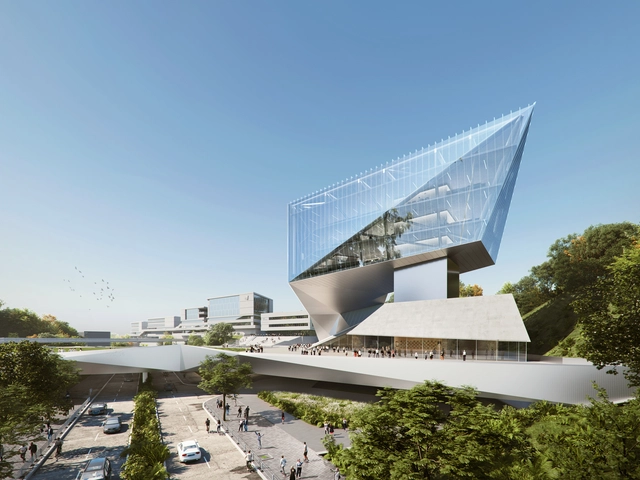
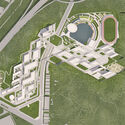
International architecture office HENN developed a 300,000m² master plan for the City University of Hong Kong in the province of Guangdong. The construction will be split into two phases: the central library is planned for 2023 and the academic amenities, including student residences, are scheduled for completion in 2025. As the City University of Hong Kong's third mainland site, "CityU Dongguan" will connect researchers and industry collaborators across the Greater Bay Area Technology Innovation Corridor and create a multifaceted university district in the Pearl River Delta region. Moreover, the complex will be home to the Faculty of Science, Engineering, Business, and Medicine.
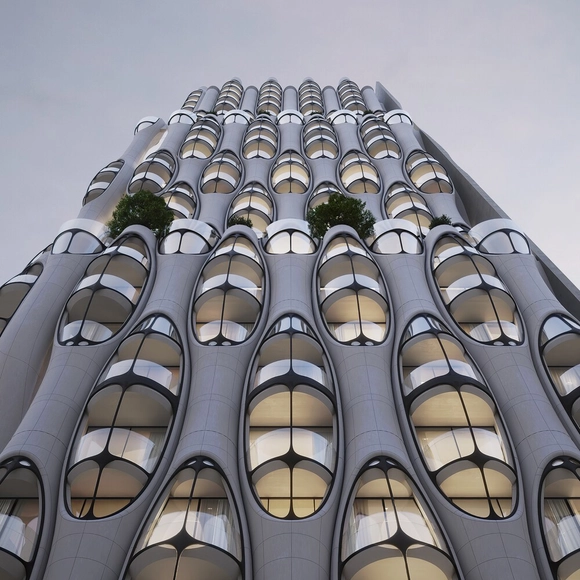
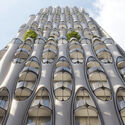
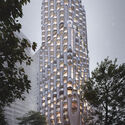
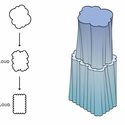
Architecture office Partisans have recently revealed the design of a new high-rise planned for downtown Toronto, on 15-17 Elm Street. The shape of the tower takes inspiration from the process of cloud formation, more specifically from the cirrocumulus, a meteorological term describing the curl-like shapes that form cloud systems. The 32-storey building will accommodate 174 residential units equipped with personal balconies and necessary amenities.