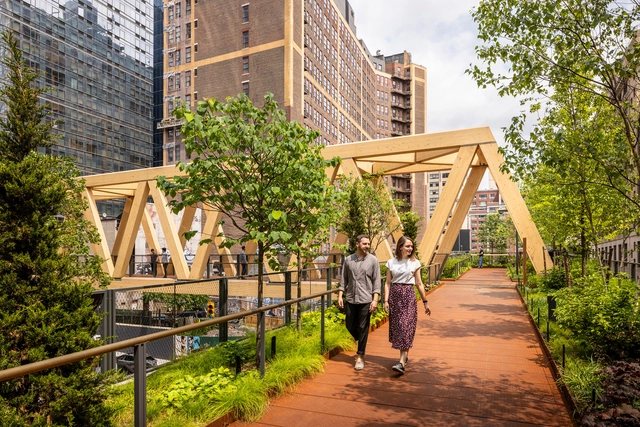
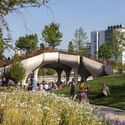
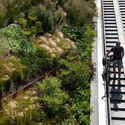
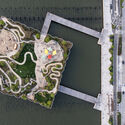
In midtown Manhattan, the street crossings surrounding the entrance to the Lincoln Tunnel were once some of the most challenging in the city. A mess of highway ramps, missing sidewalks, and concrete barriers made the corner of Dyer Avenue and 30th Street an area to avoid.
Now with a new $50 million elevated connector, pedestrians can safely move 30 feet above the intersections using a 600-foot-long L-shaped bridge from the High Line to Moynihan Train Hall.
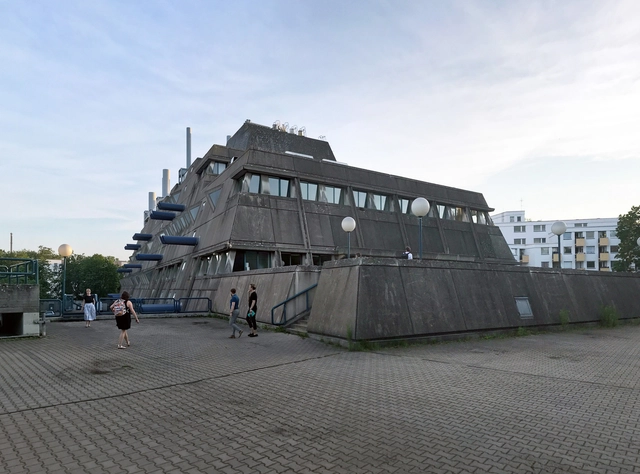
The former animal laboratories of the Charité in Lichterfelde, also known as the Mäusebunker building, have now been placed under monument protection, saving it from the threat of demolition that has been slated since 2010. The brutalist structure was designed by architects Gerd and Magdalena Hänska and built from 1971, and put into operation in 1982. While its strong image, combined with its function as a laboratory for animal tests, resulted in the general public’s distaste for it, the Brutalist building slowly gained acceptance and even a cult status among brutalist fans.
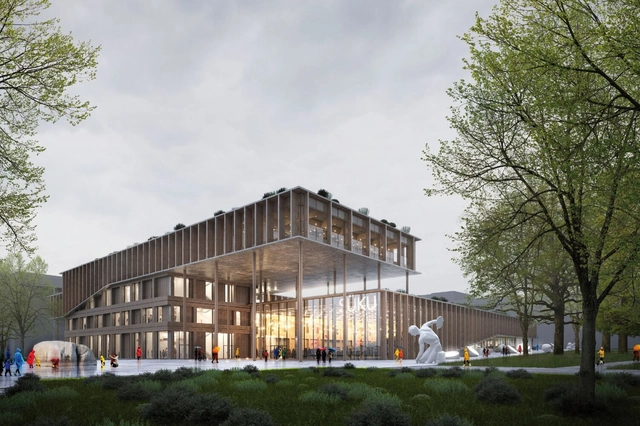
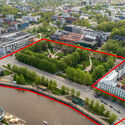
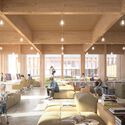
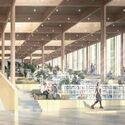
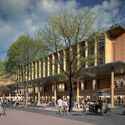
Estonian studio OÜ Kolm Pluss Üks won the international architecture competition for the Tartu Cultural Center. Selected out of a total of 107 proposals, the winning project titled “Paabel” is set to become the cultural heart of the city center, capturing the competition's main goal and developing an outdoor space solution. Kadarik Tüür Arhitektid OÜ took the second position for their design of “Tarte Tatin”, while the third place went to Denmark-based architectural studio Atelier Lorentzen Langkilde Aps.
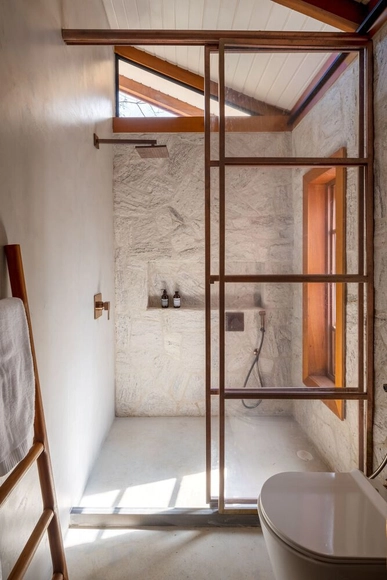
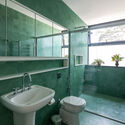
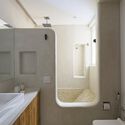
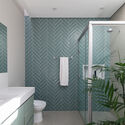
Designing a bathroom requires careful attention to detail to remain beautiful and organized. The amount of hygiene and health products typically stored in this environment requires functional cabinets and other strategies. Increasingly, we see the solution of using niches to create a recess in the wall. This allows optimizing the available space and, as a bonus, makes the environment more aesthetically pleasing. That's why we bring you some examples of bathroom niches and tips for their installation. In addition, we bring you other examples beyond traditional soap dishes.
Landscape architecture is having a moment. The latest proof: last week, the US Department of Homeland Security decided to accredit the field with its prestigious STEM designation. As part of the science, technology, engineering, and mathematics (STEM) educational disciplines that fall under this category, landscape architecture students can now spend an additional 24 months seeking employment and training post-graduation in the United States after an initial period of a year granted to all graduates. The title also promises more prestige, higher entry salaries, and additional career flexibility. Torey Carter-Conneen, CEO of the American Society of Landscape Architects (ASLA), calls the development a significant advancement for 'landscape architecture education and practice, and that is great for America and the global community.'
The news corresponds to a growing emphasis on landscape architecture as a pivotal practice around the globe in recent years – one that is closely connected to notions of public health, environmental design, biophilia, sustainability, and re-wilding. It also underlines the intimate relationship between technology and the discipline. Landscape proposals increasingly rely on advanced science and technology to predict how ecological interventions might alter an existing terrain and determine what measures will yield the highest benefit for both humans and nature. The contemporary ideal of wild meadows and biodiverse forests may exist free from external influence, but the path to get there requires assistance.
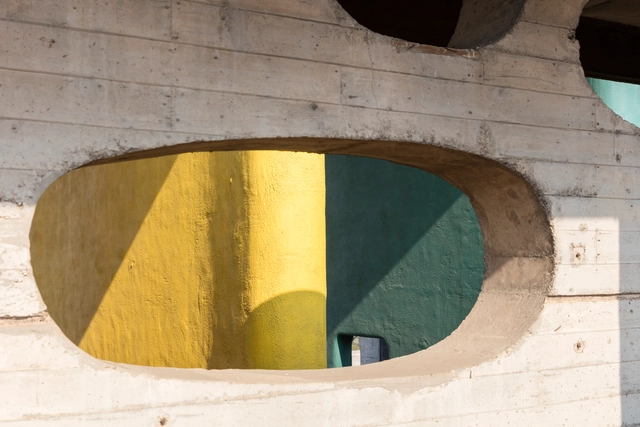
The work of the French-Swiss architect Charles-Édouard Jeanneret is, among many other adjectives, comprehensive. Le Corbusier explored a wide range of scales in his work, from furniture design to urban planning for entire cities. His diverse portfolio also encompassed painting, varied projects, and writing books. One thing that isn't talked about as much, however, was the color theory he developed and applied to several of his architectural designs and artistic endeavors. Deeply rooted in his belief that color plays a significant role in evoking emotions and creating spatial illusions, Le Corbusier's color theory was described in his book "PolyChromie Architecturale" (polychrome architecture), published in 1931. There, he introduced his concept and a carefully curated range of colors that were intended to be used in specific architectural contexts.
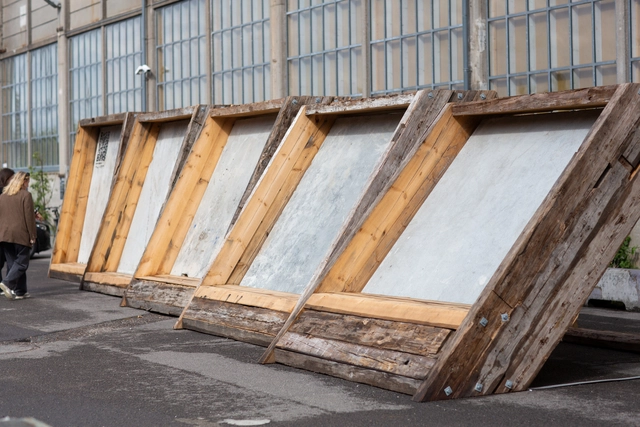
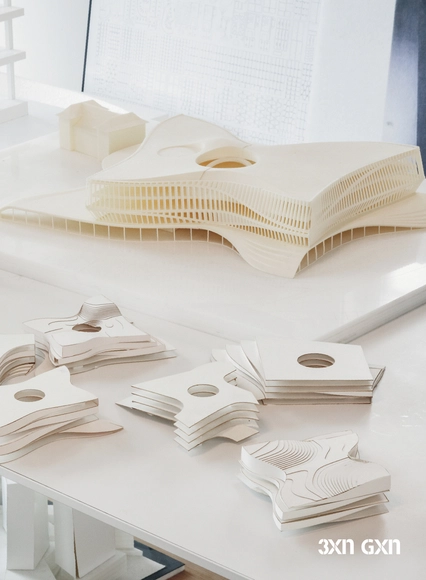
Developed by GXN for the 2023 UIA World Congress of Architects in Copenhagen, The (P)RECAST Pavilion explores the possibility of reusing precast concrete elements from existing buildings to promote circularity and reduced carbon emissions in the construction industry. The pavilion showcases salvaged concrete elements alongside 200-year-old timber beams, highlighting their aesthetic and structural value. Following the same motivation but through a different approach, MEE Studio has developed The Regenerative Cabin. Located in Copenhagen, the structure explores the applied use of regenerative biogenic materials to reduce the carbon emissions associated with the building materials.
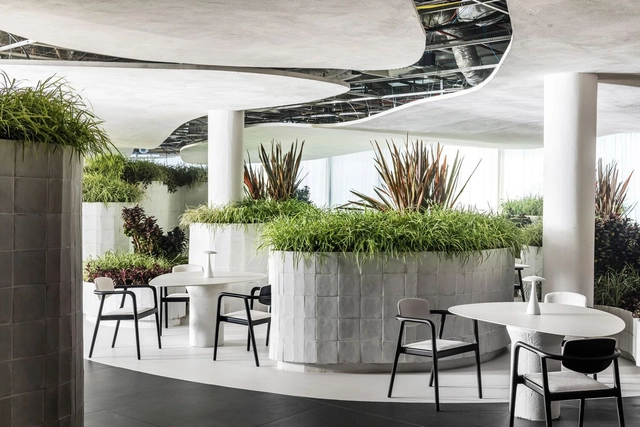
Biophilia, or love for life and nature, inspires architects around the world to create spaces that deeply connect with natural elements. These architectural projects seek to reintroduce nature into built environments, resulting in spaces that promote well-being, health, inspiration, and even productivity. In Brazil, the possibilities are even broader, given the country's exuberant climate and the vegetation found in various biomes. In this article, we will explore seven projects from different programs that embrace this concept and allow for a symbiosis between architecture, humans, and nature.
At first, adding a mezzanine floor to a layout either seems like a complete waste of good floorspace or a clumsy attempt to squeeze two stories into one – like wearing skinny jeans after Christmas – both spaces end up feeling constricted and uncomfortable.
But whether the intermediate-level floor is achieved by addition – erecting an extra level in a high-ceilinged room, or by subtraction – removing part of the floor to connect with the one below, mezzanines are a relatively simple way to dramatically change and improve how we use and interact with our existing environments.
There is often an intricate relationship between architecture and the environment. Each part of the world has defined its own architectural techniques based on its unique climatic conditions. However, environmental concerns in the 21st century provoked new techniques, implementing solutions to preserve natural resources and provide thermal comfort. While some opted for a futuristic approach with mechanical and technologically-advanced solutions, others decided to go back in time and explore how civilizations protected their people, architecture, and environment when they had nothing else to resort to but the environment itself. In this article, we look at how Musharrabiyas found their way back into modern-day architecture as significant vernacular features.
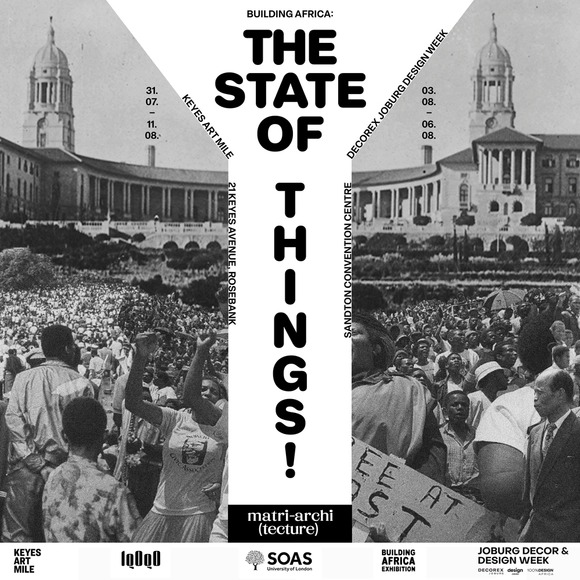
Matri-Archi(tecture) prepositions an exhibition in Johannesburg, titled ‘Building Africa: The State of Things!. The exhibition asks what it means to restore, preserve, foreground, call upon, remember and project former and future conditions of socio-political identity through the architecture of buildings that were once central figures in the political agenda of South Africa. The exhibition foregrounds research about the Constitutional Court and Union Buildings.
As they recognize the growing significance of innovation in today’s business landscape, architecture firms are experiencing a transformation. Companies across diverse industries have also come to appreciate the impact of design on cracking challenges, thanks to the success of design-focused startups such as Airbnb. Traditionally confined to designing physical structures, architecture firms are broadening their scope and embracing research and innovation as integral elements of their design process. With the establishment of research and innovation divisions, these firms not only enhance their own practices but also offer their expertise to address the evolving needs of our era—ranging from human and technological advancements to strategic innovation.
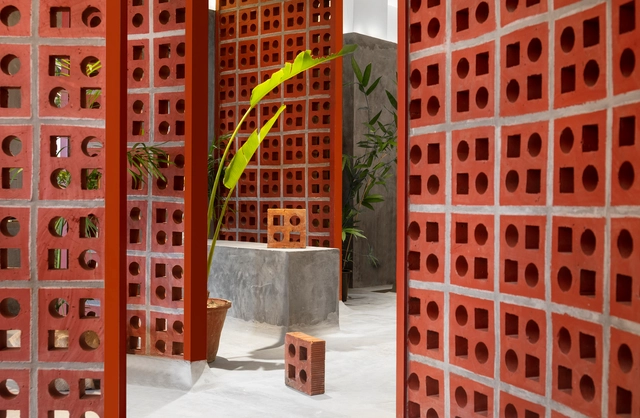
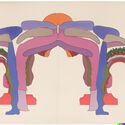
Disguise, makeup. Expression of the subjectivity of a group, language, or sign. Historical document, emblem of fleeting fashions. A crime. Ornaments have been interpreted in different ways and are considered one of the most degenerate sins of architecture. Resisting the temptation of decoration has become a virtue, a legitimate sign of authenticity and a possible future.
At first glance, building a pool right beside another body of water seems a little redundant. After all, why would someone choose to swim in a pool when they have a river or ocean to enjoy? However, for people with limited mobility and younger more inexperienced swimmers, natural bodies of water can prove both daunting and dangerous. Pools not only provide a controlled, secure space for them to enjoy aquatic activities, they also provide a connection with the surrounding landscape.
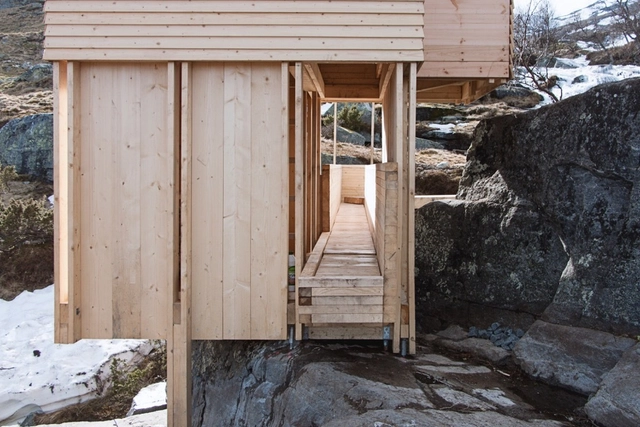
ELDMØLLA Sauna / Arkitekt August Schmidt + Workshop NTNU-Trondheim + Arnstein Gilberg + Ina Samdal. Image Courtesy of Workshop NTNU-Trondheim
Due to its specific characteristics, the architecture of the sauna is interesting because it gives us lessons related to efficiency and the beauty of simplicity. These are generally very basic structures with a clear function, created to contain different levels of heat and humidity. Thanks to this steam bath, people can release toxins and improve their blood circulation. In addition, they are widely used in cold climates, in close proximity to nature and utilizing the presence of water.
To function, these normally airtight spaces contain a series of internal benches with different dimensions and a heat source that must reach temperatures between 80 and 90°C, including, if necessary, a chimney to expel the smoke. Wood is the material par excellence for saunas, using in most cases native species that maintain their rustic appearance and natural texture. Next, we review 9 saunas designed by architects, including some of their construction details.
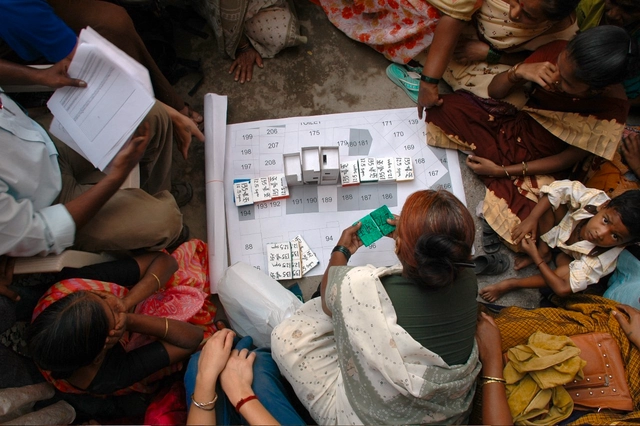
There are moments when architects take the design process beyond their practice and engage with potential users as design participants. This expands the design framework and makes the input of future users key to project development. By seeking the knowledge, skills, and decision-making of a communal collective, the project becomes more tailored to their needs, better designed to fit within their local context, and a platform to exchange techniques and vernacular skills. It also creates a general sense of belonging in communities and gives users the authority to claim the environment around them.
Participatory design is a process that can be applied to all scales of architecture, from houses and offices to public spaces and urban interventions. By examining various projects through the lens of communal collaboration with architects, we gain a deeper understanding of the value this design process holds. It breaks down the participatory theoretical principles of collaboration, co-creation, and empowerment into actionable examples and pragmatic events. These projects exemplify users' contributions to the design process, whether through spatial and urban planning or material and local construction techniques.
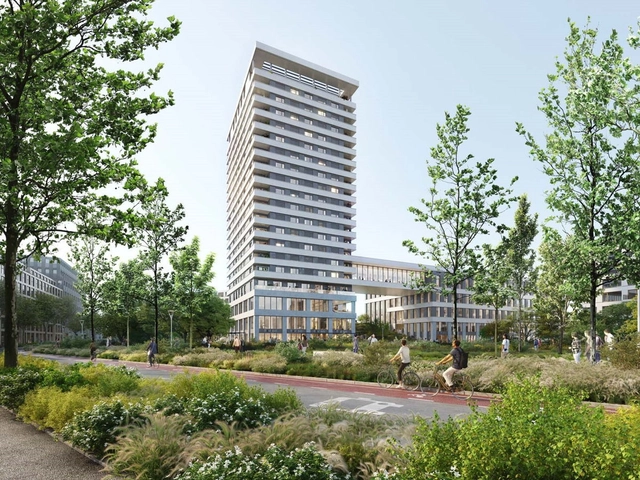
The team composed of KCAP and V2S has been announced the winner of the international competition for the design of Altiplano, a new complex for living and working in the new neighborhood of ZAC Aerospace in Toulouse, France. The proposal includes a high-rise featuring co-living apartments and a lower volume with offices and co-working spaces. Between the two volumes, a 25-meter wide arch visually connects the ensemble to former runway, the Piste des Géants, which will be transformed into a linear urban forest, as part of the master plan for the new neighborhood designed by David Mangin from Agence Seura.
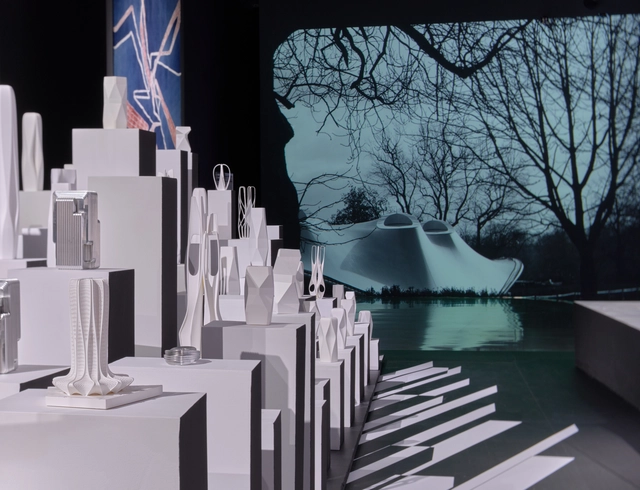
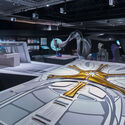
Zaha Hadid Architects (ZHA) celebrates their 15-year journey in China with an exhibition at the Guardian Art Center in Beijing. “The New World” highlights their work and research in the fields of architecture and urbanism. Moreover, it details the evolution of ZHA’s work since opening its first office in China. The exhibition showcases the studio’s approach to projects, with a heavy focus on their new digital design tools and technology.