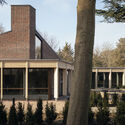
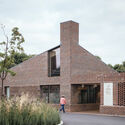
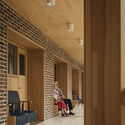
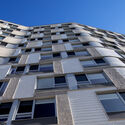
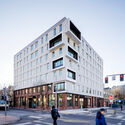
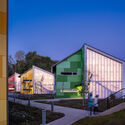
The world's recent shift towards prioritizing wellness has influenced people to seek healthier lifestyles by understanding the body and the mind collectively. External factors such as the geographic location, the environment, the community, financial status, and the relationships with friends and family have all shown to have considerable impacts on an individual's health. However, it became evident that ensuring physical and mental health was not limited to having access to medical facilities and professional treatments, but was also determined by several factors related to the quality of the built environment.
Architects have a choice to design better and consequently, help people make better choices. So what is considered a good interior design, and what are the factors that make any interior space a good one? In this interior focus, we will explore this "good" side of design, looking at how architects ensured the needs of users by acknowledging accessibility, demographic diversity, economy, and the environment, regardless of aesthetic.
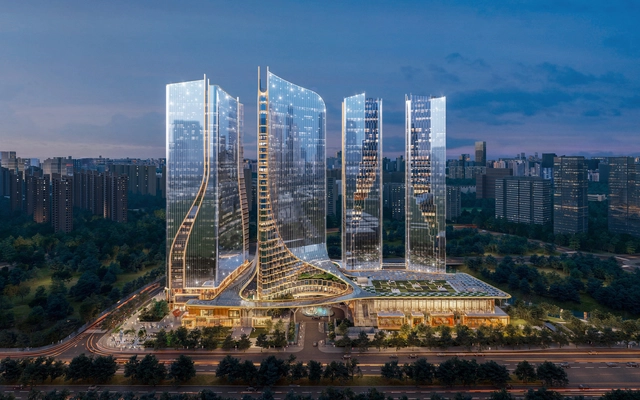
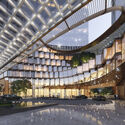
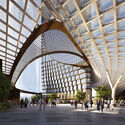
On a site that also hosts the Olympic Sports Centre, the 2023 Asian Games complex, UNStudio has unveiled the design of the new Hiwell Amber Centre, a complex of four high-rise towers planned to add a mix of offices, apartments, hotels, art spaces and retail to the city center of Hangzhou, China. Responding to the area’s rapid economic and cultural growth, the new development aims to provide a wide range of services to residents and visitors alike. To open up towards the city, the smooth glass curtain wall of the towers peels apart to reveal a tapestry-like facade that envelops the main plazas and civic spaces, creating an ‘urban living room.’
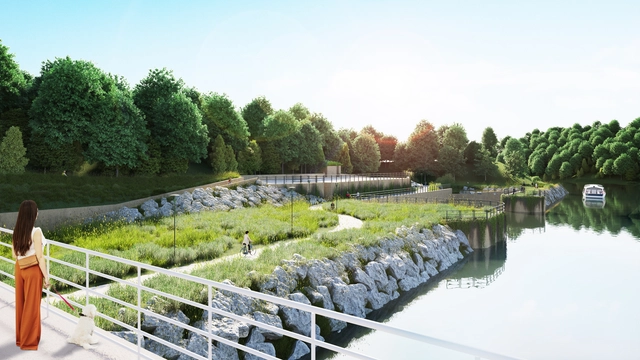
Carlo Ratti Associati has revealed the design transformation of Turin’s historic waterfront in Italy. The project’s main aim is to address the current climate crisis and leverage architectural solutions to create spaces that can withstand the recurring floods of the Po River. Throughout the scheme, many architectural elements are kinetic, allowing them to rise above the water. “Floating Above the Floods” creates new solutions for urban climate adaptations and provides insights into universal strategies for urban waterways.
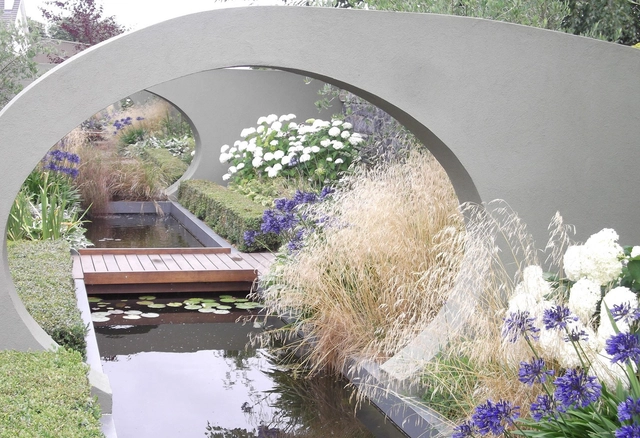
The convergence of neuroscience, architecture, and landscaping has ignited a creative revolution in the design of our built environments. Neuroarchitecture, an emerging discipline that blends principles of neuroscience with architectural design, sheds light on the significant impact of physical spaces on our emotions, behaviors, and overall well-being. Amidst this, sensory gardens emerge as intriguing therapeutic spaces, investigating the distinct interplay between the human brain and nature.
Imagination and policy development go hand in hand. Before we can create policies that bring about a desirable future, we must first envision what that future looks like, which is particularly significant in Architecture because we see the future as an integral part of the design process. This familiarity with envisioning the future carries a responsibility for us to create guidelines and regulations that can either support or obstruct the direction our planet takes.
In this moment of climate change, resulting from centuries of irresponsible practices, the idea of the future has been invaded by fear, an alert that would determine the survival of our existence. Architecture, along with other disciplines, has begun to channel efforts toward reexamining, reconceptualizing, and reformulating its practices toward the future we need to achieve. Beyond statistics and projections, the approach of architecture in relation to climate action brings to light numerous concepts, among them, the need for a historical review for the creation of this future.
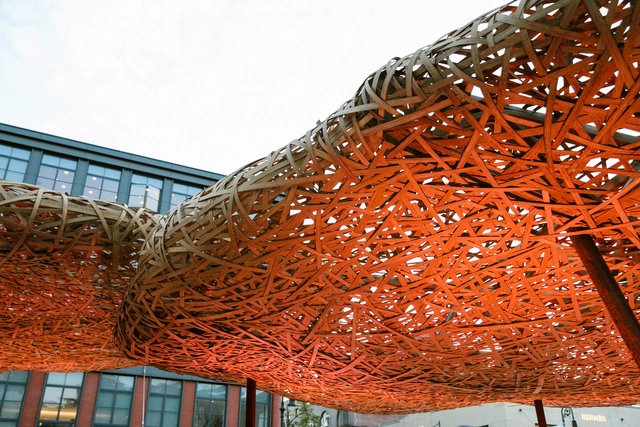
From October 12 to 18, NYCxDESIGN presents the Design Pavilion, a prominent public architectural exhibition in New York. Occurring during Archtober, a month-long celebration of architecture, this year's Design Pavilion highlights three imaginative installations spanning materiality, sustainability, social justice, and more.
Two tangible installations have been designed to transform Gansevoort Plaza in the Meatpacking District into urban retreats, while the third exhibit offers a digital art projection at the World Trade Center Podium, addressing the nation's history of enslavement and the quest for healing. Along with the pavilions, the Design Talks program highlights and opens discussions on relevant issues of the profession, centering around themes of sustainability, repurposing, and waste reduction.
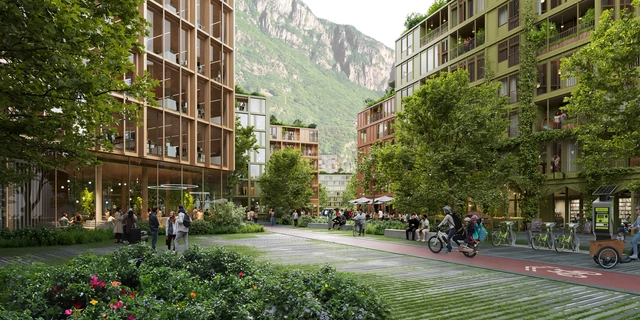
Henning Larsen has revealed the design proposal for Bolzano’s Industrial Zone. The concept revitalizes and reconnects part of the city through prioritizing adaptive reuse, urban mining, and timber construction. The proposed design will transform the post-industrial area into “Pone Roma Quartier,” an inviting, multigenerational, mixed-use neighborhood with a solution to the city’s pressing housing crisis.
What role will bicycles play in the cities of tomorrow? Their implementation as a more sustainable form of transportation for commuting to work or school, as well as for various household and recreational activities, has become an opportunity for thousands of architects and urban planners.
Each architectural style intrinsically relates to a specific context, period, or place. An illustrative example is the region of the United States, which was strongly influenced by the period of British colonization in the Americas (17th-18th centuries). In this context, dwellings emerged that adopted a distinctive architectural language. Moreover, the large distances between major cities in many areas of the country had a significant impact on the configuration of domestic architecture, resulting in the inclusion of barns and other structures that served various functions in addition to housing. This architectural style is characterized by its rectangular floor plan, two-story structures, gable roofs, and wooden cladding on the facade. These elements constitute an integral part of the vernacular expression of the houses from that time.
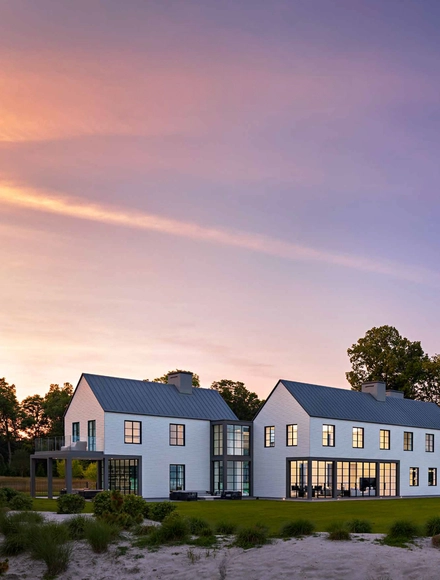
Speaking specifically of gable roofs, they are the feature most associated with the traditional aesthetic of dwellings developed between the 17th and 19th centuries, as well as later ones. One example is the Beachside House, which is a contemporary project documented in Swisspearl Architecture Magazine. This settlement is located on the shore of Long Island Sound, which divides Connecticut from Long Island, New York. With its four gable-roofed structures, covered with light-toned fiber cement panels, it seeks to be an abstraction of New England vernacular architecture.
https://www.archdaily.com/1008129/the-beachside-house-a-case-study-of-vernacular-inspired-architecture-using-modern-materialsEnrique Tovar
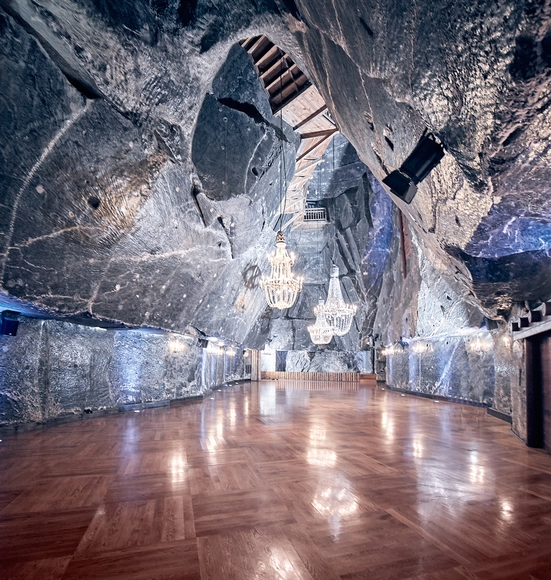
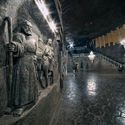
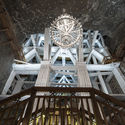
The Republic of Poland boasts diverse geographical territories and cultural tribes that span thousands of years. Its cities and towns reflect a whole spectrum of styles, from Romanesque architecture to Gothic Revival and postmodernist residential and commercial structures. In addition to its unique topography and rich urban fabric, the country houses 17 UNESCO World Heritage Sites. One site, however, has stood out from the rest and given the country a royal status. Tucked beneath the Malinowka stream, just outside the southern city of Krakow, is one of the world's oldest and largest hand-chiseled underground mines that has been transformed into an expansive, all-inclusive complex. From a naturally-healing health center to a secluded church and an underground bungee jumping platform, this colossal adaptive reuse project is the Wieliczka Salt Mine.
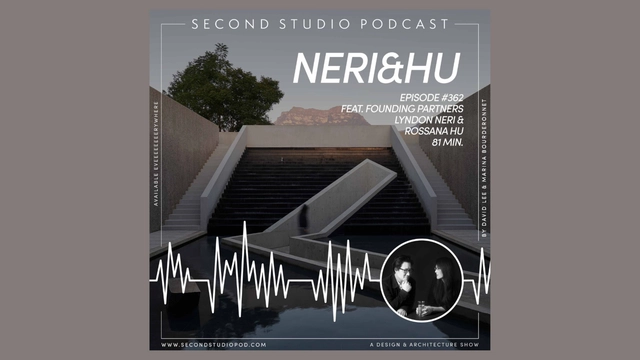
The Second Studio (formerly The Midnight Charette) is an explicit podcast about design, architecture, and the everyday. Hosted by Architects David Lee and Marina Bourderonnet, it features different creative professionals in unscripted conversations that allow for thoughtful takes and personal discussions.
A variety of subjects are covered with honesty and humor: some episodes are interviews, while others are tips for fellow designers, reviews of buildings and other projects, or casual explorations of everyday life and design. The Second Studio is also available on iTunes, Spotify, and YouTube.
This week David and Marina of FAME Architecture & Design are joined by Architects Lyndon Neri and Rossana Hu, founding partners of Neri&Hu Design and Research Office, to discuss their upbringing, moving to the United States in their youth; meeting at Berkeley; studying and teaching Architecture; moving to China; starting their office together; running a multi-disciplinary office; their philosophy; and more.
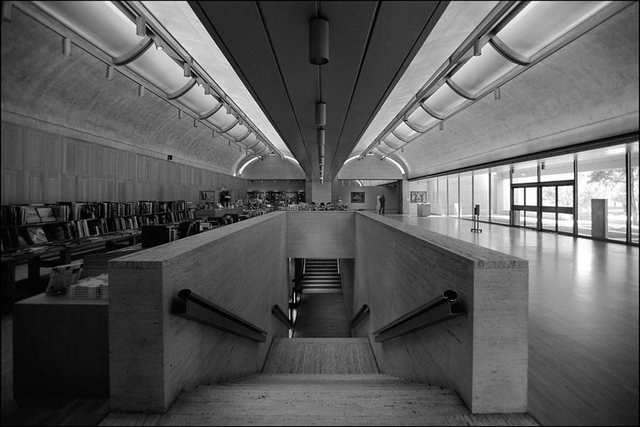
Kimbell Art Museum / Louis Kahn. Image Courtesy of Xavier de Jauréguiberry
AD Classics presents you with some of the greatest buildings of the past that have influenced and shaped architecture today. Throughout ArchDaily's 13 years, more than 200 classics were published, and for this edition, we have rounded up the top 20 most visited Architecture Classics to date.
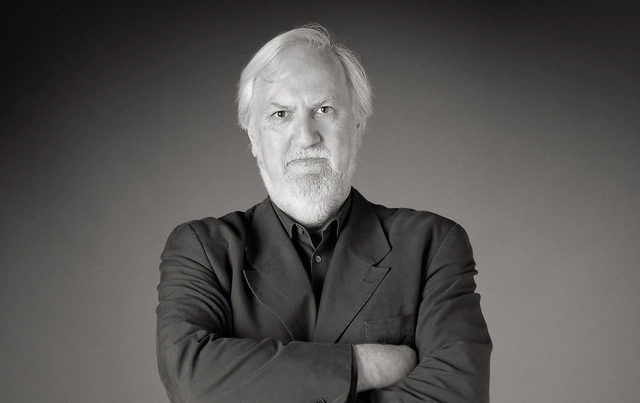
Architect, researcher, and architectural theorist Anthony Vidler passed away last night, on October 20, 2023, at the age of 82, according to Princeton University School of Architecture. Vidler had a distinguished career at the prestigious institution, where he served as the inaugural director of the Doctoral Program in History and Theory. His passion for architecture, nurtured in Essex, England, led him to earn both an undergraduate and a master's degree in architecture at the University of Cambridge. Later, he obtained a doctorate in Architectural History and Theory from Delft University of Technology. His influential career spanned over 50 years, leaving a profound impact on architectural research and education.
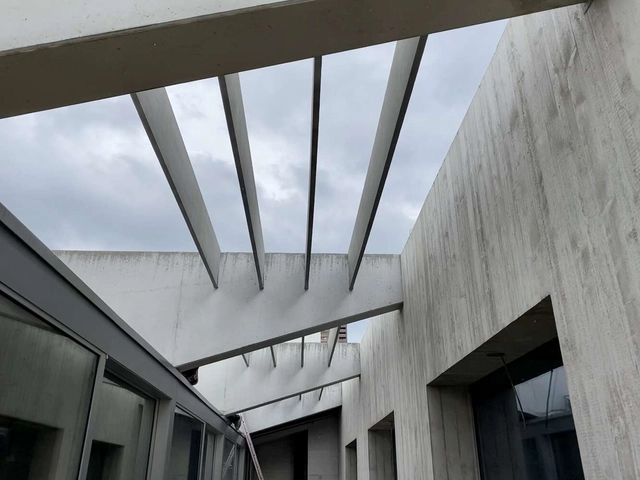
CPC concrete slabs are based on the technology of "carbon pre-stressed concrete," which originated from a long-term research project conducted by the Zurich University of Applied Sciences Winterthur (ZHAW) and Silidur AG, Andelfingen. These panels are reinforced with thin, pre-stressed carbon strands, allowing them to be three to four times thinner and lighter while maintaining the same load-bearing capacity as traditional reinforced slabs.
CPC's innovative approach to concrete panel production reduces material usage by 75% and minimizes the carbon footprint of concrete production. ArchDaily interviewed Professor Josef Kurath from the Department of Architecture Design and Civil Engineering at the Zurich University of Applied Sciences (ZHAW), who collaborated with CPC Construction in developing these concrete panels. We discussed his perspectives on decarbonizing architecture, the inspiration behind the development of CPC panels, a comparison with traditional concrete, and the potential for scalability and accessibility in the future.
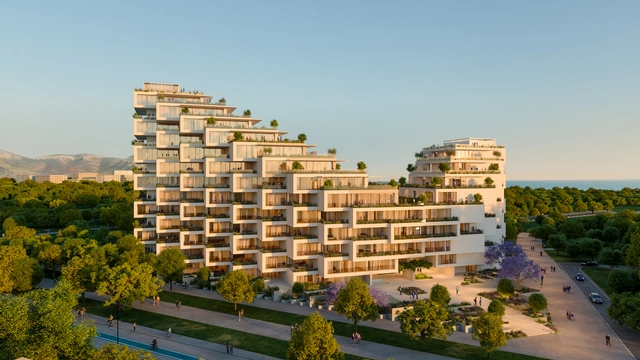
Bjarke Ingels Group has revealed the design of Park Rise residences, a new development the Little Athens neighborhood of Ellinikon, featuring modern homes, greenspace, retail, office, and hospitality. The Ellinikon is an ambitious urban regeneration project that reimagines the grounds of Athens' old international airport and transforms it into a 6.2 million-square meter smart city. Within this development, the Little Athens neighborhood aims to become an integrated part of Ellinikon's smart urban ecosystem and bring over 1100 new residences to the northwestern coastline of the development.
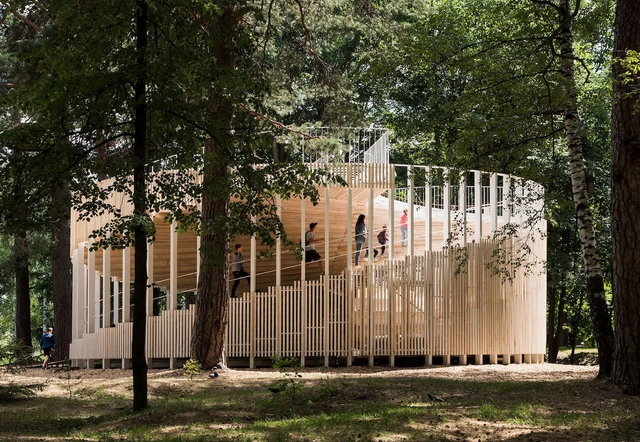
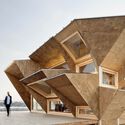
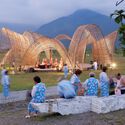
Throughout the modern era, pavilion architecture has consistently reflected cutting-edge architectural trends. These temporary or semi-permanent structures, often featured in exhibitions, fairs, cultural events, and sports gatherings, provide a platform for exploring new materials and design concepts. Pavilion designs are intended for easy assembly and disassembly and are typically used for short durations, making it crucial to consider reducing environmental impact without sacrificing aesthetics and innovation. In this endeavor, wood emerges as a key ally.
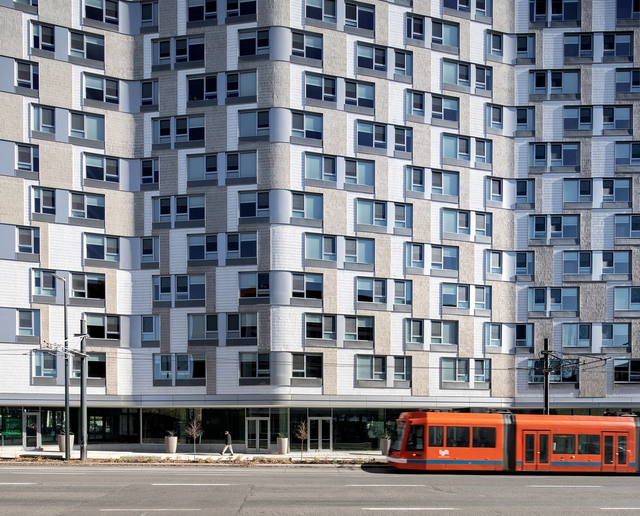
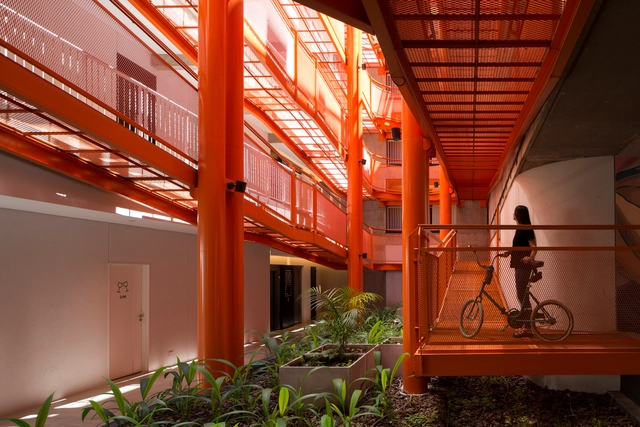
Despite the bad reputation of public housing in the United States, organizations, planners, and architects in Portland, Oregon are determined to create affordable housing that does not sacrifice quality or aesthetic appeal. While Portland has developed a bad reputation regarding its homelessness problem, in the past four years resources have flowed in the right direction, and designers have taken this in stride to design livable and striking buildings, within very restrictive budgets. Through innovative and creative approaches to construction and design, these organizations and designers have utilized federal, state, and city resources to make these types of projects a reality.




























.jpg?1570002957 "La Muralla Roja / Ricardo Bofill. Image Courtesy of Ricardo Bofill")