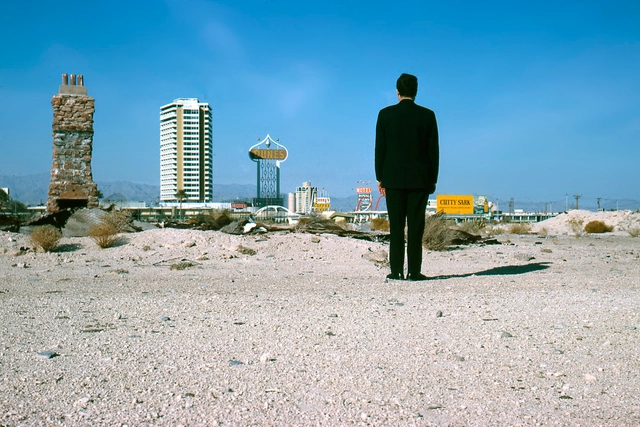
Robert Venturi - and the postmodernist movement he helped to form - was occasionally a divisive figure. For hardcore modernists, the referencing of prior styles was an affront to the future-facing architecture they had tried to promote. For traditionalists, the ebullient and kitschy take on classicism was an insult to the elegance of the past.
https://www.archdaily.com/902446/this-week-in-architecture-complexity-and-contradictionKatherine Allen
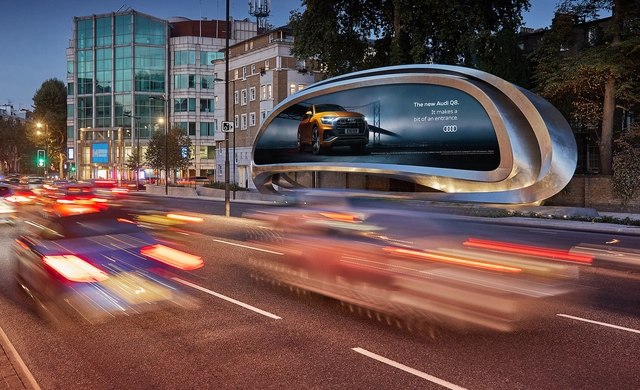
Zaha Hadid Architects have released images of their latest project, a sculptural billboard named for its location in Kensington, London. The project, a collaboration between the late Zaha Hadid and partner Patrik Schumacher, marks the firm’s first direct foray into advertising.
https://www.archdaily.com/901776/zaha-hadid-architects-reveal-twisting-steel-billboard-in-west-londonKatherine Allen
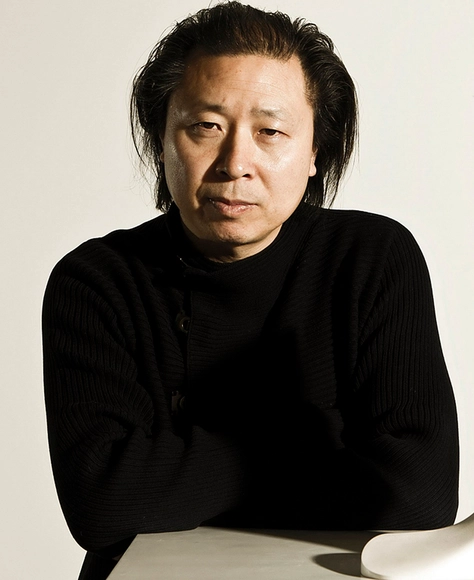
The Central Academy of Fine Arts (CAFA) in Beijing, China, has tapped award-winning Chinese architect Zhu Pei as its next dean of the School of Architecture. Zhu Pei founded his firm Studio Zhu-Pei in 2005 known for its cutting-edge integration of cultural roots and contemporary innovation in design. Zhu Pei has taught at Harvard GSD and Columbia University GSAPP, two of the leading graduate programs in the world.
R. Buckminster Fuller remains, 35 years after his passing, one of architecture’s preeminent minds. His proposals in construction, housing, mapping, and even transportation have a continued influence in the fields of architecture and engineering today, despite many of them having been designed nearly a century ago.
https://www.archdaily.com/901424/celebrate-buckminster-fullers-legacy-with-never-before-seen-postersKatherine Allen
In case you hadn’t noticed the world is going from paper to pixels. You’re reading this, here. Everything is changing, and that includes how we talk and think and write about architecture.
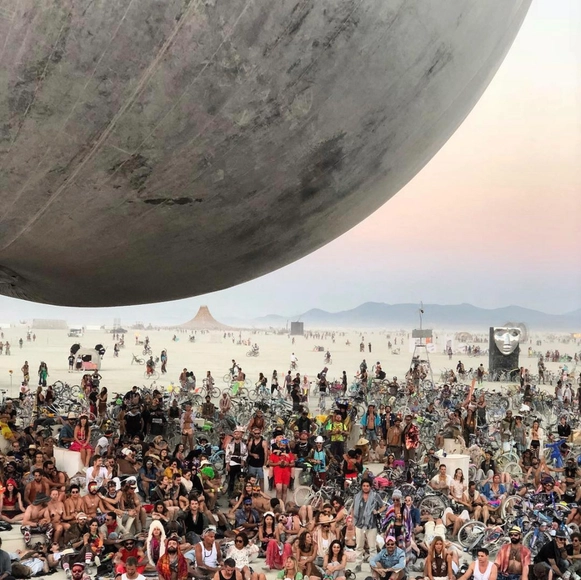
As Burning Man 2018 comes to a close, snapshots and glimpses of the event have begun to emerge in the mediasphere. The most recognizable among these is, perhaps, BIG's Orb, a hovering sphere representing a scaled version of the earth itself.
https://www.archdaily.com/901298/the-best-structures-of-burning-man-2018Katherine Allen
Working life as an architect is notoriously difficult. Unreasonable demands from clients, be they about budget, deadlines, or design (not to mention uncompromising personal standards) make the job tough, particularly as architecture continues to be seen as a product. And while it's no reason to accept low (or unequal) pay, troubling mental health, or any of the myriad issues architecture seems beset with, architects anywhere will tell you: you do it because you love it.
https://www.archdaily.com/901160/this-week-in-architecture-labors-of-love-from-the-hedonistic-to-the-homegrownKatherine Allen
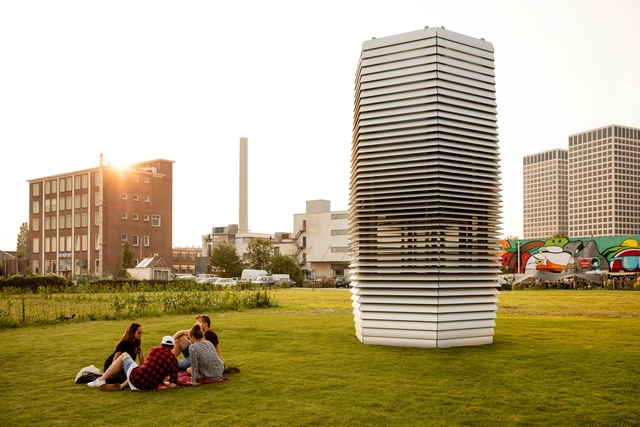
Courtesy of Studio Roosegaarde. ImageStudio Roosegaarde's Smog Free Tower
In Metropolis Magazine's latest - and last - installment in their annual design cities review, the focus is not on output or culture but on cities themselves as the point of inspiration. For the designers surveyed, these were the cities that made their hearts beat a little faster; the ones that remained in their minds and wormed their way into their work.
https://www.archdaily.com/901153/the-top-10-inspirational-design-cities-of-2018-as-revealed-by-metropolis-magazineKatherine Allen
In the current iteration of our digital age, Instagram is king in the social media. Boasting 1 billion (yes, with a "b") active monthly users, if you are a business and not on Instagram, you are missing out.
Given the visual nature of the platform, architects and designers have flocked to the platform, using it to market their work, promote new ideas, and even pull in commissions. Other aggregator accounts use the platform to find and foster new talent, creating an entirely digital architectural community that is open to all.
Following up on the AIA's recent update of guidelines regarding school safety, architect Jay Brotman, designer of the new Sandy Hook Elementary School, testified in front of the US Department of Education this week to urge the government to adopt safer standards for design. While not unheard of, it is not typical for architects to stand in front of Congress.
In a world rapidly transitioning toward primarily digital content creation, more and more people are beginning to experiment with various digital media. There is undoubtedly an intimate relationship between architecture and photography, and many architects enjoy experimenting with taking pictures, both of their own work and of their surrounding environment. But how do you know if you have the right gear needed to start off on the right foot? And more importantly, how can you get the most out of your equipment?
In honor of World Photography Day this month, we have put together a helpful guide to get started with lenses for architectural photography. This guide will specifically highlight the best lenses (for both DSLR and mobile) to use for your shots and why.
In a follow-up to their 10 Powerhouse Design Cities, Metropolis Magazine also reveals their choices for the "buzziest" design cities of 2018. Unlike the big-hitters of the Powerhouse category, these are a bit smaller - even scrappier - but punch far above their expected weight.
https://www.archdaily.com/900450/the-10-buzzing-design-cities-of-2018-as-selected-by-metropolis-magazineKatherine Allen
It has been just over a week since the 7.0 magnitude earthquake destroyed 50,000 homes in North Lombok, a city just east of the island of Bali, Indonesia. Although much of the town is gone, the community has already rallied together to begin the long and arduous rebuilding process. With the rainy season approaching in less than two months, DOME Lombok is working to begin building earthbag domes and teaching their construction techniques to help the area rebuild.
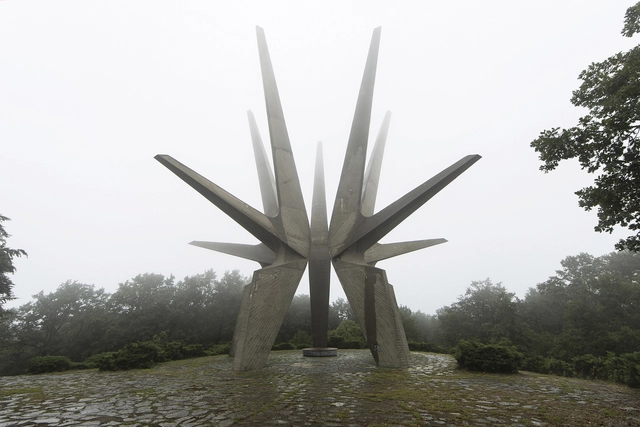
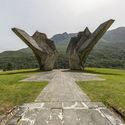
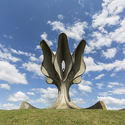
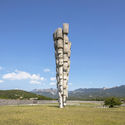
Thirty years after the breakup of the former Yugoslavia, the traces of the regime seem increasingly few and far between. Among the still existing monuments, conditions are mixed: some remain pristine, others are worn away after years of exposure to the elements.
Courtesy of Prof. Shiauyun Lu, Jhengru Li, Tzuman Tseng, Hsianghsiang Wang
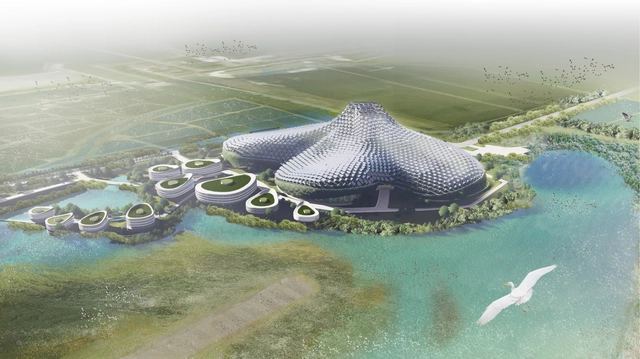
The island nation of Taiwan is a country that boasts both a high population density and a wide range of ecosystems. However, a large issue that the country is currently facing involves the energy production and consumption, and the negative impact it has on the environment. With the largest power plant slated to be shut down by 2023, a team from Taiwan has devised an architectural proposal for how to construct a plant that both generates enough electricity to serve the metropolitan area and reduce its negative impact on the air quality and surrounding wetlands.
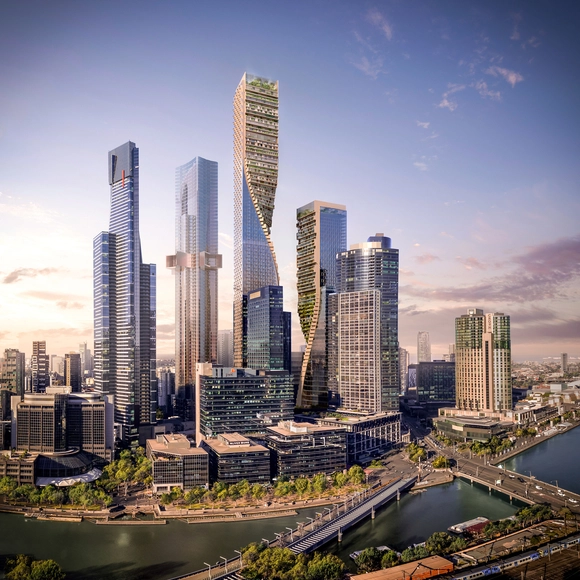
Green Spine / UNStudio + Cox Architecture . Image Courtesy of UNStudio / Cox Architecture
Australia loomed large in the news this week following the announcement for the continent's tallest tower in Melbourne. The competition, which was won by a joint bid from UNStudio and Cox Architecture, boasted designs from some of the world's best-known firms including MVRDV, OMA, MAD, and BIG.
https://www.archdaily.com/900424/this-week-in-architecture-australias-tallest-tower-and-questions-about-infrastructureKatherine Allen
For this year's annual city listings, Metropolis Magazine took an unusual approach: they took the analysis to the streets, surveying nearly 100 design professionals across the globe to get their opinions. The result? A list that boasts not just the cities you'd expect (Milan, London, Berlin) but the under the radar powerhouses you might not have anticipated.