There is growing awareness around sustainability—and the environmental cost of prematurely demolishing safe, structurally sound buildings only to replace them with new construction. In the broader race to reduce carbon emissions, corporations and institutions are placing greater emphasis on ESG performance (environmental impact, social responsibility, and governance). Many now require carbon accounting, set "carbon-neutral" targets, or purchase carbon credits to offset footprints.
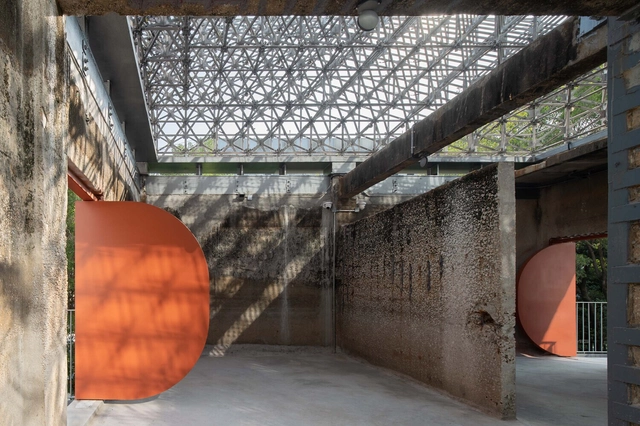
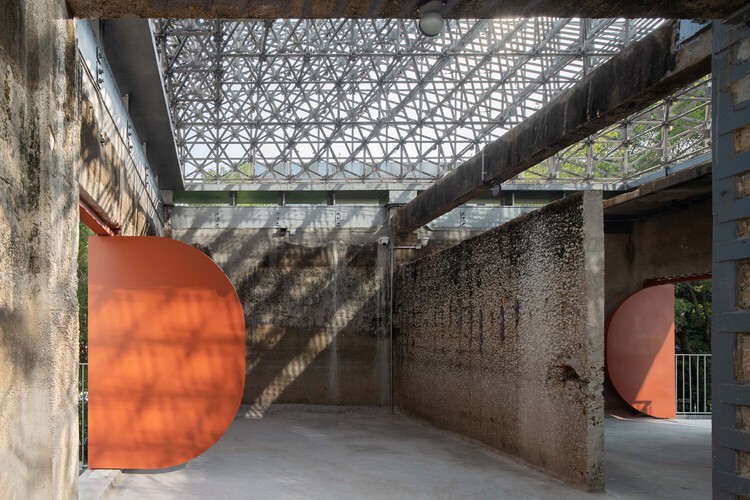
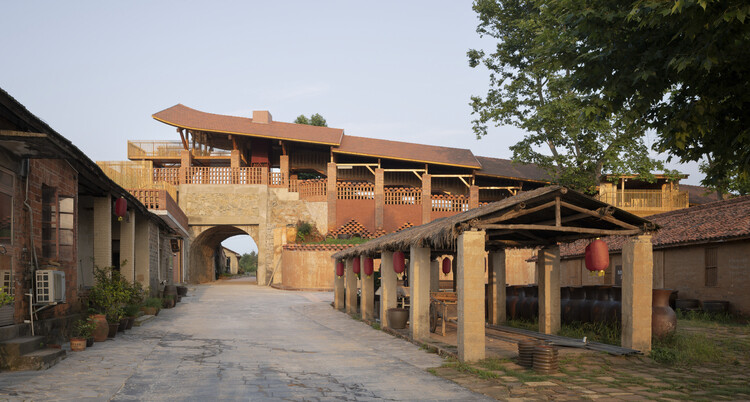
This shift, together with a wave of exemplary adaptive-reuse projects worldwide—Herzog & de Meuron's Tai Kwun in Hong Kong, Powerhouse Arts in Brooklyn, David Chipperfield's The Ned Doha, and Xu Tiantian's transformations of factories, quarries, and rammed-earth fortresses in China—has accelerated serious reconsideration of reuse as a primary development strategy. Yet despite its many benefits, adaptive reuse is still not as prevalent as it could be. Why and what might be the main obstacles and tensions?
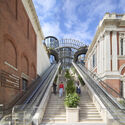
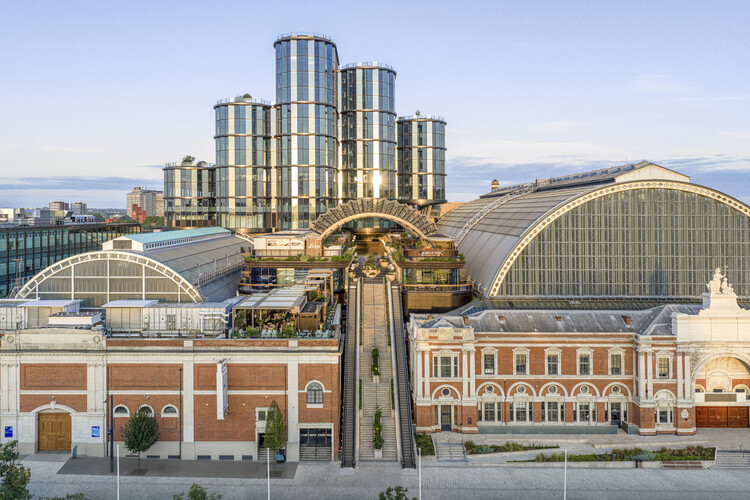
Heatherwick Studio and SPPARC have unveiled the first phase of the transformation of Olympia, a historic exhibition complex in West London, into a mixed-use cultural destination. Originally opened in 1886, the Victorian landmark is undergoing a large-scale redevelopment that aims to reconnect the 14-acre site with the surrounding city through new public spaces, cultural venues, hospitality programs, and commercial facilities. The opening is marked by the completion of a new public canopy, which introduces elevated pedestrian circulation and serves as a gateway into the broader master plan while framing new views across Olympia's historic roofscape. The intervention forms part of a broader master plan that will be implemented through 2026 and 2027.
Sunlight House / HEIN-TROY Architects. Image Courtesy of VELUX
Can architecture shape comfort before mechanical systems enter the equation? As buildings account for nearly 40% of global energy consumption and people spend close to 90% of their time indoors, thermal performance has become one of architecture's most urgent concerns. Yet despite often being associated with insulation values, energy ratings, or mechanical systems, thermal performance begins with spatial decisions made long before technical equipment is introduced. Orientation, airflow, daylight, and the placement of openings all influence how a building absorbs, retains, and releases heat throughout the day.
Thermal performance is not only about reducing energy demand but also about maintaining comfortable indoor conditions in response to climate. Closely tied to thermal comfort—the way occupants experience temperature, airflow, humidity, and radiant heat—it influences health, well-being, and productivity as much as it does operational efficiency. Research suggests that healthy indoor environments can improve learning ability and productivity by up to 15%, reinforcing the growing relationship among environmental performance, resilience, and space quality.
Architects are accustomed to being credited for buildings long after construction ends. Names remain attached to projects through photographs, publications, and histories, often decades after the original drawings were produced. Buildings, on the other hand, rarely remain faithful to that narrative for long. Families grow, technologies change, businesses emerge, and daily life introduces demands that no plan can fully anticipate. Over time, architecture accumulates modifications, repairs, additions, and improvisations that gradually distance it from its original form.
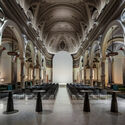
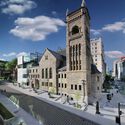
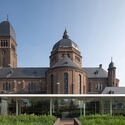
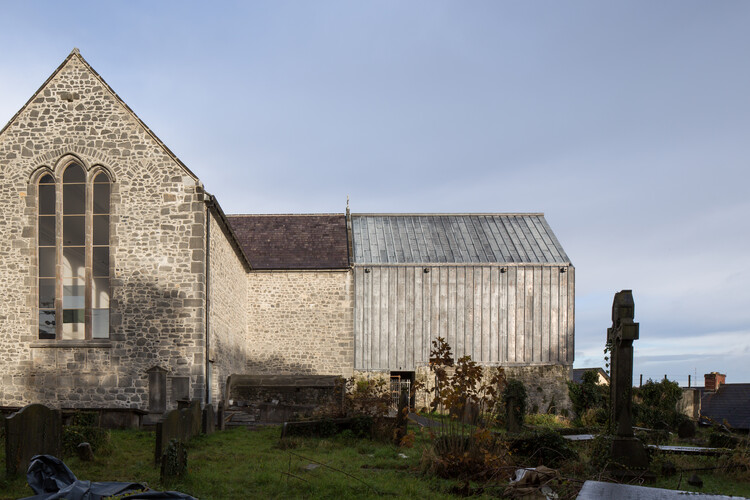
The conversion of disused religious temples through cultural programs constitutes one of the most compelling adaptive reuse strategies in contemporary urban planning. This functional compatibility seems to be rooted in the specific characteristics of churches: their central naves offer large-scale, clear floor plans and monumental cross-sections that easily accommodate the volumetric requirements of museums, theaters, or community hubs. Furthermore, the acoustic properties inherent to their vaulted ceilings, combined with intentional natural lighting filtered through stained glass windows or domes, create the spatial conditions for activities ranging from the performing arts to the exhibition of cultural artifacts. By assuming a public and cultural role, these buildings not only avoid demolition or physical abandonment but also preserve their status as urban and identity landmarks within the city fabric, revitalizing their immediate surroundings without altering their historical significance.
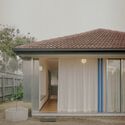
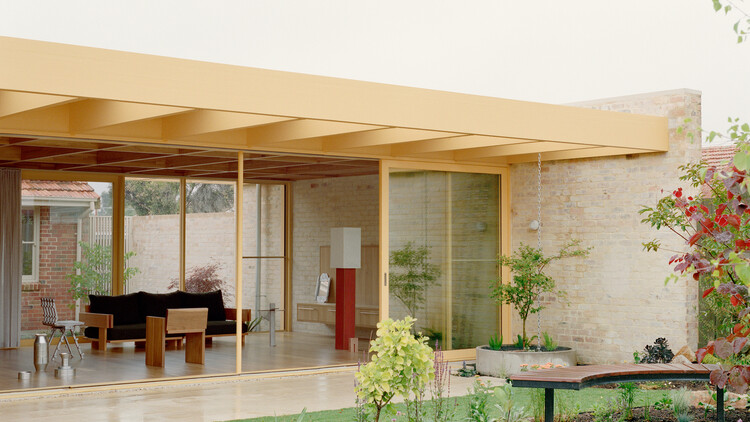
Amid growing recognition of architecture's responsibility toward environmental and planetary ecologies, contemporary practice is increasingly oriented toward working with what already exists—its material, spatial, and historical conditions. Within this shift, architecture and design aesthetics are increasingly about reshaping inherited environments. This approach underpins the work of SSdH, a Melbourne-based architecture practice founded in 2020 by Todd de Hoog, Harrison Smart, and Jean-Marie Spencer. Working across scales of renovation, extension, and adaptive insertion, the studio consistently engages existing buildings as active agents. Winner of the ArchDaily 2025 Next Practices Awards, the Australian firm foregrounds environmental responsibility, material economy, and collaborative processes grounded in site-specific conditions.
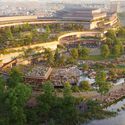
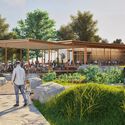
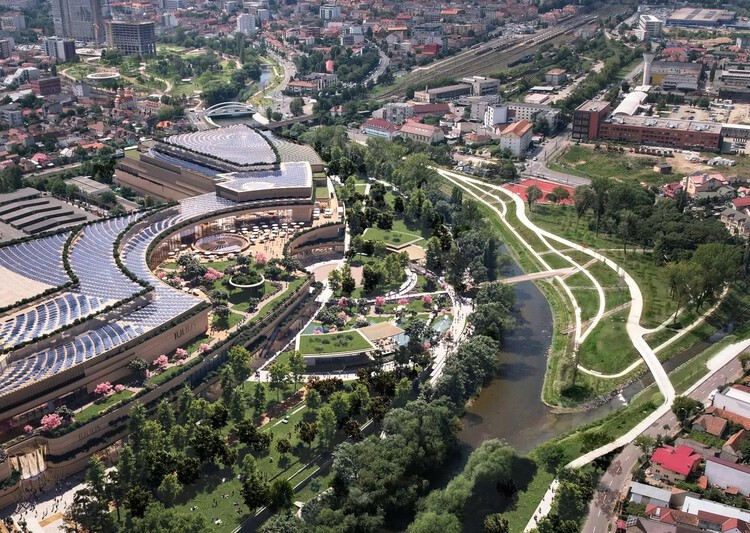
A former industrial site along the Someș River in Cluj-Napoca, Romania, is being transformed into a large-scale mixed-use district that reconnects the city with its waterfront. Designed by UNStudio in collaboration with Felixx Landscape Architects and Planners for developers IULIUS and Atterbury Europe, the RIVUS project combines urban regeneration, adaptive reuse, landscape design, and new public infrastructure within a single framework. Developed through a public participation process involving local residents, the proposal will transform the former Carbochim industrial platform into a river-oriented district organized around public space, mobility, and everyday urban activity.
This week, we revisited the ideas currently shaping the design of 21st-century cities, with a view toward a longer timeframe than that which characterised modern design. These examples of today's urban design point toward the cities of tomorrow, seeking to reflect collective memory and social identity while addressing the climate challenges we face today. From a new museum in Panama drawing on Latin American architectural tradition to an inflatable installation on Paris's oldest bridge over the Seine, built and not-yet-built projects rescue architecture as a repository of collective memory, while others explore its transformative potential through the lens of contemporary well-being. In this weekly news compilation, we present ongoing projects from Panama, numerous African countries, France, Canada, Italy, Australia, and the United States.
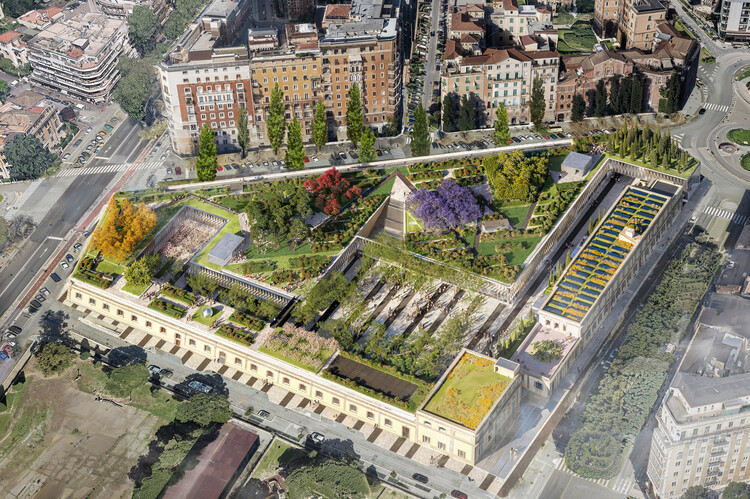
Stefano Boeri Architetti, Depositi Delle Vittorie Render. Image Courtesy of Stefano Boeri Architetti
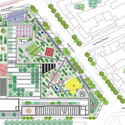
The Rome City Council has approved a Memorandum for the urban regeneration of the Depositi delle Vittorie in Piazza Bainsizza, a former ATAC depot in Rome dating back to the early 1900s. Abandoned for nearly two decades and now privately owned, the site is set to be transformed into a multifunctional complex designed by Stefano Boeri Architetti. The project envisions the adaptive reuse of the former transportation infrastructure through the introduction of cultural, educational, commercial, co-working, and leisure functions, alongside new public spaces and extensive landscaped areas.
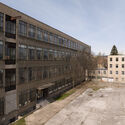
In Gabrovo, Bulgaria, the Municipality invites architects to design the Christo and Jeanne-Claude Center for Contemporary Art by transforming, adapting, and upgrading the former Textile Technical School and its adjacent site. EU co-financing, a disclosed budget, a designated jury, and a two-phase structure frame this competition, reflecting the spirit of Christo and Jeanne-Claude's artistic practice: bold, accessible artistic creation. More than a commission for a cultural building, it calls for a design response that understands the specific character of their work, adding a curatorial dimension to what might otherwise be a straightforward adaptive reuse project.
Parque Prado, Colombia, by Connatural Arquitectura en el Paisaje, Category 5 Winner of the UIA 2030 Award. Image Courtesy of International Union of Architects (UIA)
This week's stories reveal a growing focus on reconnecting design with physical reality, whether through construction, landscape, public space, or collective participation. From the curatorial direction of the upcoming Venice Architecture Biennale 2027 to internationally recognized projects addressing flood resilience, affordable housing, and ecological restoration, many of the week's discussions challenged architecture's increasing detachment from material, environmental, and social conditions. At the same time, major cultural interventions, temporary structures, and public forums explored how institutions and civic spaces can become more accessible, adaptable, and engaged with everyday urban life.
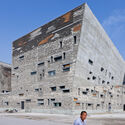
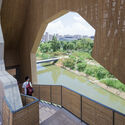
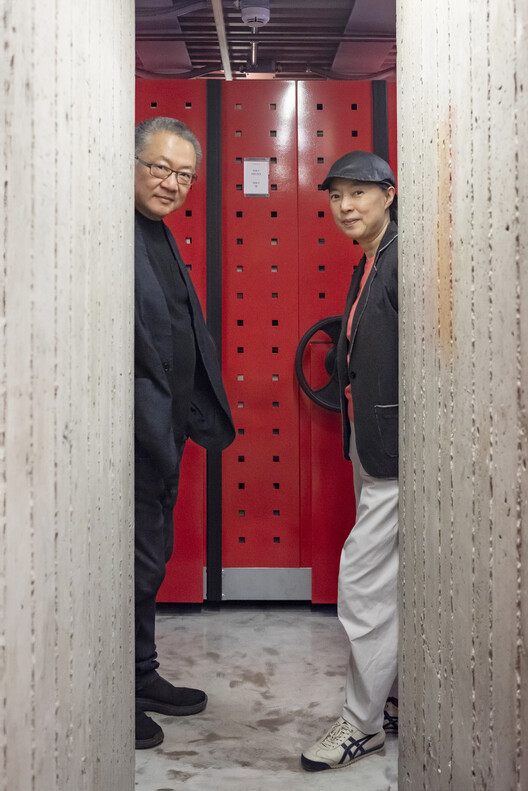
The curatorial direction reflects many of the ideas developed through the work of Amateur Architecture Studio, founded by Wang Shu and Lu Wenyu in 1997. Their projects have consistently explored the reuse of salvaged materials, regional construction techniques, and the continuity between historic and contemporary forms of building. Across both urban and rural contexts, the studio's work often emphasizes craft traditions, collective memory, and the spatial qualities embedded within everyday environments.
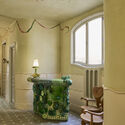
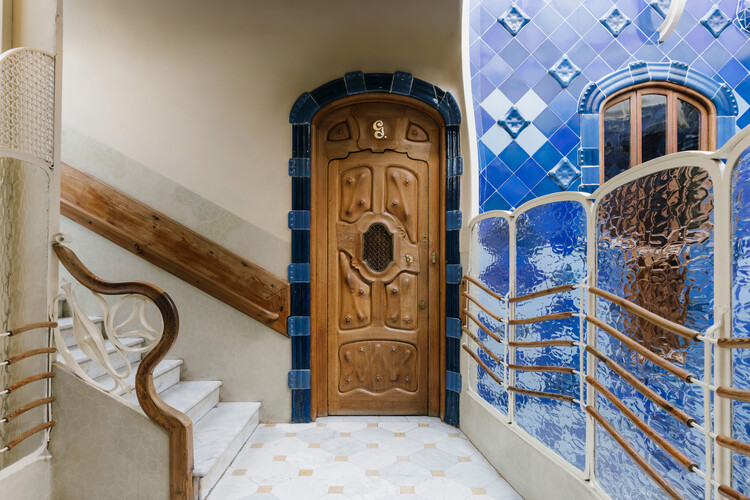
Casa Batlló in Barcelona has unveiled the restored Third Floor of the building, opening the last original residence preserved from Antoni Gaudí's 1904-1906 transformation of the property to the public for the first time. Led by restoration architect Xavier Villanueva and developed over three years through an archaeological-style conservation process, the intervention recovers a largely intact domestic environment that had remained inhabited by descendants of the Batlló family for more than a century. Adapted into a series of private rooms for gatherings, cultural events, and experiences, the restored apartment combines heritage preservation with a contemporary interior design intervention by Paola Navone – OTTO Studio, establishing a new program for one of Barcelona's most recognized architectural landmarks.
Modernism in architecture was perhaps the first truly global building design philosophy. Established at the beginning of the twentieth century, its early proponents were heavyweights from Europe, such as Le Corbusier, Walter Gropius, and Mies van der Rohe. In 1923, Le Corbusier published his seminal written work, usually translated into English as Towards a New Architecture. Newness, and a rejection of history, was one of the central tenets of modernism. This manifested itself in the use of new materials such as steel and concrete, which gave rise to an unprecedented freedom of formal expression.
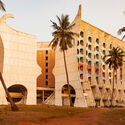
By the middle of the twentieth century, Modernism was adopted across the world by countries recovering from the Second World War and overcoming the legacy of colonialism. It became the language of reconstruction and of nation-building, reinforced by its rejection of the past. Its emphasis on technology suited this brave new world of industry, large-scale development, and new building types. Fast-forwarding to a century after its birth, Modernism itself has become the legacy. As buildings progressively become obsolete or reach the end of their design lives, there is an appreciation of the heritage value of these structures, both as designed items and as symbols of the spirit of the age in which they were built. Here, we look at five Modernist buildings from five regions going through adaptive reuse proposals. Where form once followed function, here, the function must follow the form.
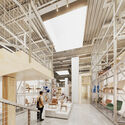
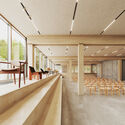
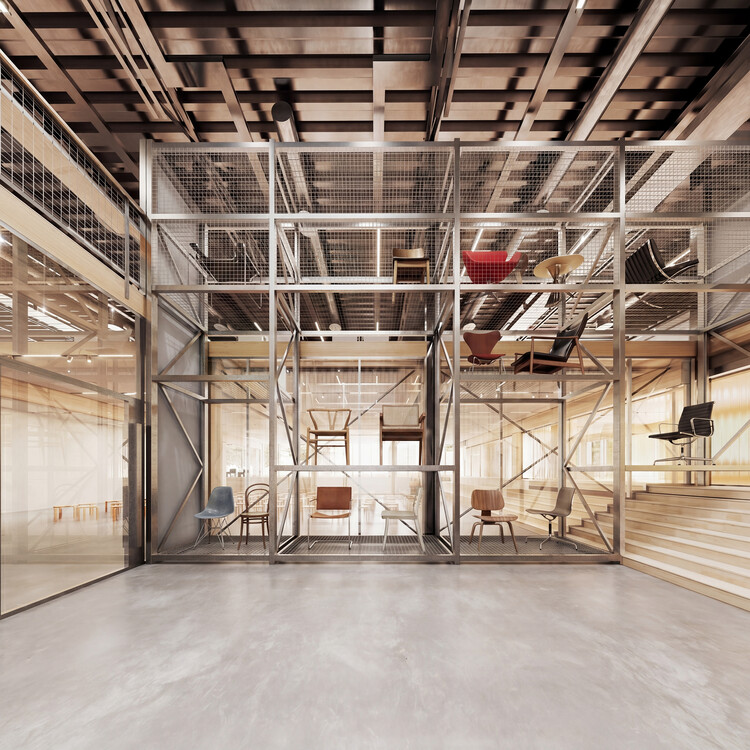
Museum of Furniture Studies project visualizations, 2026. Image Courtesy of COBE
The Museum of Furniture Studies was founded in 2017 in Stockholm, showcasing a collection of more than 1,300 furniture pieces by over 44 international designers. The museum's physical location closed in 2022, maintaining its visibility through its Digital Archive for Design Furniture until it was acquired by IKEA in 2024. This week, Danish architecture studio Cobe announced the transformation of a former IKEA warehouse in Älmhult, Sweden, into a new home for the museum. The project involves converting a closed storage facility into an open and accessible space for design while preserving its industrial structure. The building is scheduled to open in early February 2027.
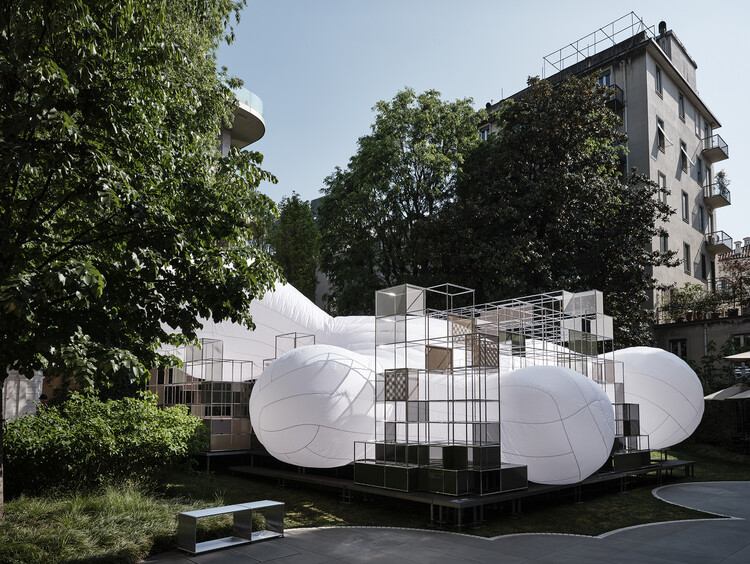
Renaissance of the Real by Annabelle Schneider and Snøhetta, Milan Design Week 2026. Image Courtesy of USM
Across cultural platforms, heritage sites, and institutional developments, this week's news reflects how the built environment is reshaped through processes of transformation, reinterpretation, and public engagement. From archaeological reactivations and adaptive reuse strategies to museum expansions and large-scale international gatherings, architecture operates across multiple temporalities, balancing preservation with contemporary use and spatial continuity with evolving cultural programs. Within this context, ArchDaily's selection of installations and exhibitions from Milan Design Week 2026 highlights how design weeks increasingly function as curatorial frameworks for experimentation, while global events and institutional projects continue to expand the formats through which architecture is produced, shared, and debated.
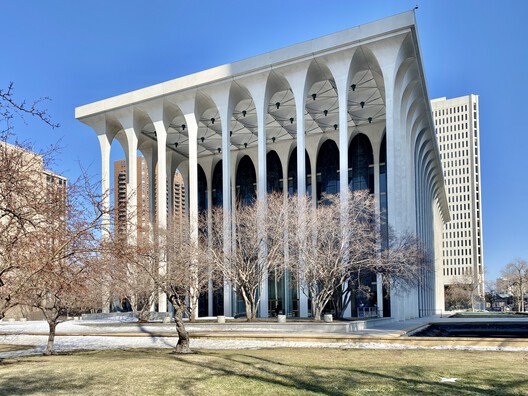
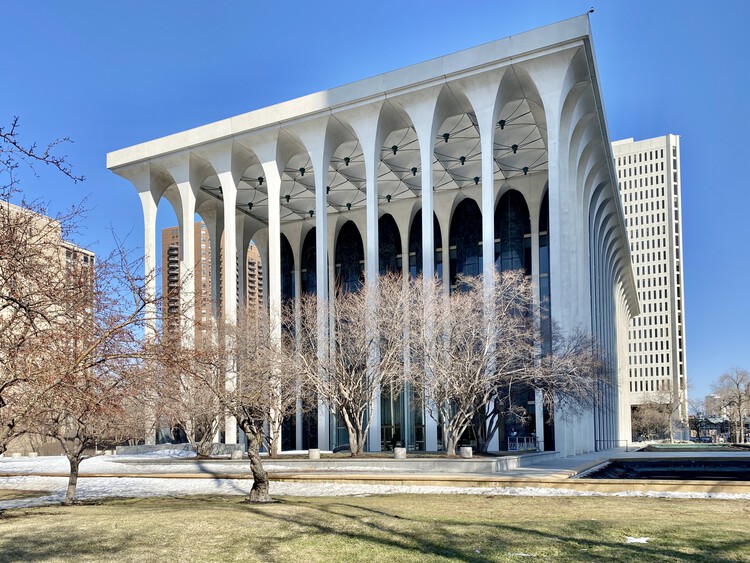
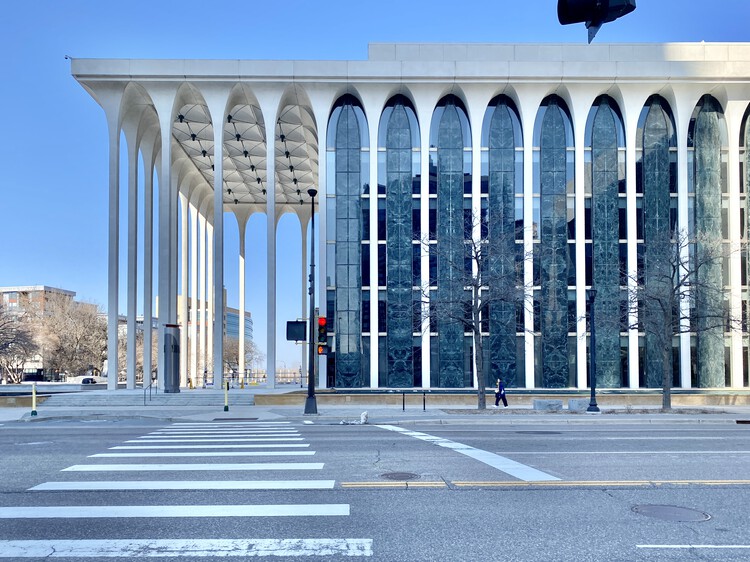
A building designed by Minoru Yamasaki in downtown Minneapolis is set to be converted into a hotel, marking a new phase in the life of the former headquarters of the Northwestern National Life Insurance Company, one of the architect's lesser-known yet formally distinctive works. Vacant since 2023, the building at 20 Washington Avenue South is now the subject of an adaptive reuse proposal that aims to introduce hospitality and public-facing functions. Initial plans were presented in April 2026, outlining a transformation of the structure while retaining its defining architectural features. The project is expected to move forward pending approvals, with a projected opening targeted for 2028.
There is an ancestral gesture in shaping earth. Long before architecture was established as a discipline, clay was already being molded by hand and transformed by fire, turning raw matter into domestic utensils and cultural objects. Within the history of this craft, ceramic factories mark the transition from manual knowledge to serial production, expanding its scale without entirely severing its material origins. Scattered across different territories, these structures record the relationship between technique, landscape, and time. Over the decades, however, many of them lost their original function, replaced by more technological processes or absorbed by the urban development around them, entering an intermediate state between permanence and obsolescence.