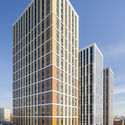
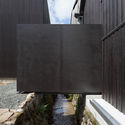
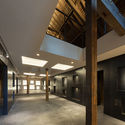
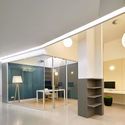
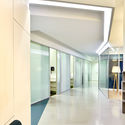
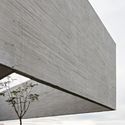
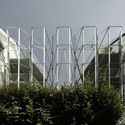
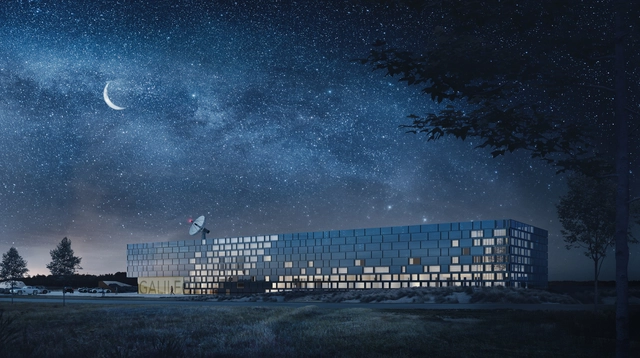
Dutch firm de Architekten Cie. have revealed their design for the Galileo Reference Centre, a new data collection center for the Galileo satellite system in Noordwijk, The Netherlands. Primarily housing office space and computer rooms, the center has been designed as a highly efficient and resilient building which can be adapted into the future.
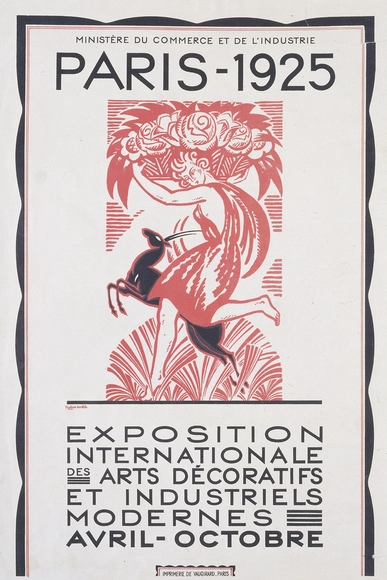
The Exposition’s poster, designed by Robert Bonfils. ImageCourtesy of the Victoria and Albert Museum
The end of the First World War did not mark the end of struggle in Europe. France, as the primary location of the conflict’s Western Front, suffered heavy losses in both manpower and industrial productivity; the resulting economic instability would plague the country well into the 1920s.[1] It was in the midst of these uncertain times that the French would signal their intention to look not to their recent troubled past, but to a brighter and more optimistic future. This signal came in the form of the Exposition Internationale des Arts Décoratifs et Industriels Modernes (International Exposition of Decorative Arts and Modern Industries) of 1925 – a landmark exhibition which both gave rise to a new international style and, ultimately, provided its name: Art Deco.
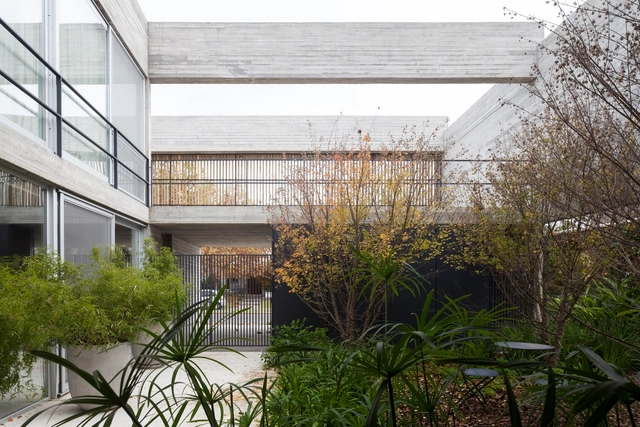





_AVecerka-ESTO.jpg?1471407536&format=webp&width=640&height=580)





.jpg?1471484900 "© LéaPfister")
.jpg?1471484603 "Courtesy of aalto university wood program")
.jpg?1471485478 "© LéaPfister")





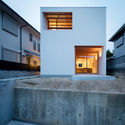
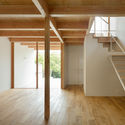
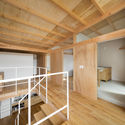
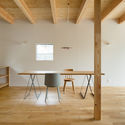











_AVecerka-ESTO.jpg?1471407116 "© ESTO")
_AVecerka-ESTO.jpg?1471407365 "© ESTO")
_AVecerka-ESTO.jpg?1471407337 "© ESTO")
_AVecerka-ESTO.jpg?1471407441 "© ESTO")
_AVecerka-ESTO.jpg?1471407536)