How to Apply the Monochrome Technique in Architecture? Examples in Mexico

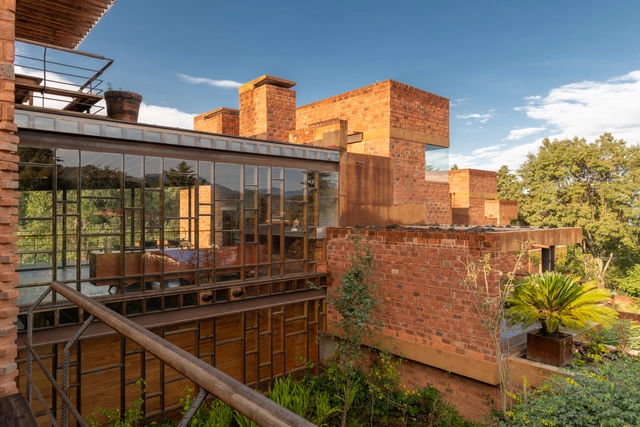
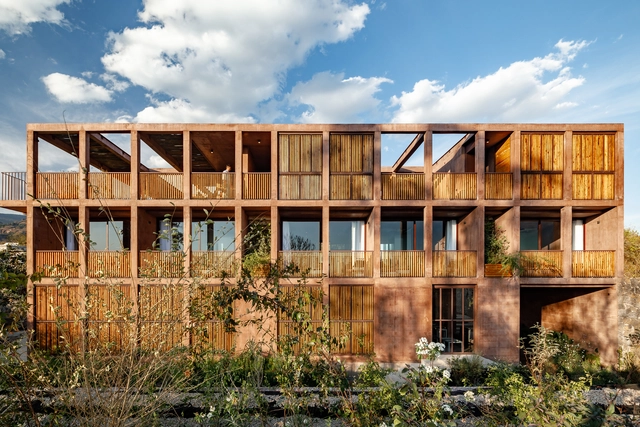
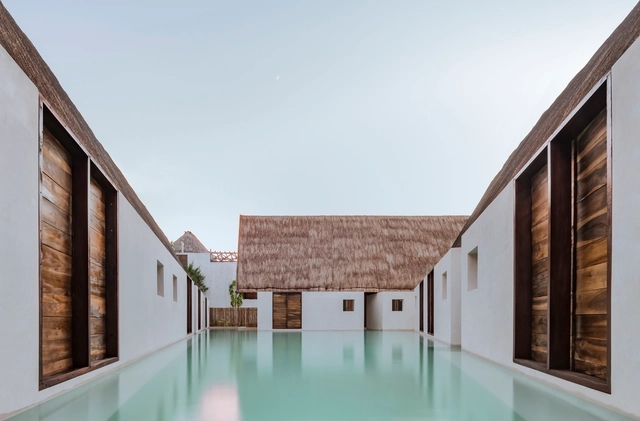
One way to employ color is through monochrome, a design technique that involves using a single tone or color in a space. In architecture, monochrome is a powerful tool where different shades can be created through the play of lights and shadows, generating spaces that offer unique experiences to their inhabitants.
Architecture for Music: Contemporary Works in Mexico that Blend Disciplines

The relationship between architecture and music has existed throughout history and can be observed in various aspects. The way architectural spaces are designed can affect the sound quality and auditory experience of a musical piece. The acoustics of a place, determined by its shape, size, and materials used in its construction, can influence how sounds and music are perceived. That's why architecture plays an essential role in the design of auditoriums and concert halls. The aspects to consider include space distribution, seat placement, the shape of the venue, and acoustics to ensure an optimal sonic experience.
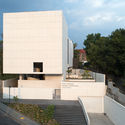
Dos Hijas Gallery / CLACLÁ Taller de Arquitectura: Claudia Turrent y Axel De La Torre
Concrete Wonders: 40 Impressive Details Using the Cement-Based Building Material

Due to its ability to mold and create different shapes, concrete is one of architecture's most popular materials. While one of its most common uses is as a humble foundation, its plasticity means that it is also used in almost all types of construction, from housing to museums, presenting a variety of details of work that deserves special attention.
Check out this collection of 40 projects that highlight the use of concrete. Impressive!
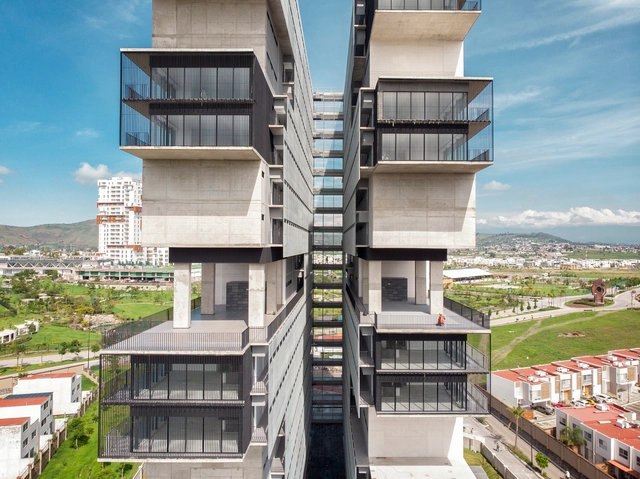
On Brutalist Influence in Contemporary Architecture: 16 Examples in Mexico

Brutalism is an architectural style that originated in the 1950s and became popular in the 1960s. Its name comes from the French "béton brut," which means "raw concrete," as this material is one of the most characteristic elements of the style. Its main features are the apparent use of concrete, offering visuals where natural texture and tonality are the protagonists of the buildings. Brutalist buildings often have an austere and massive aesthetic, with simple and repetitive geometric shapes. The use of industrial materials and innovative construction techniques is also common in brutalism.
These Are the Winning Projects of the Pan American Biennial of Architecture of Quito 2022 (BAQ2022)

The Pan American Biennial of Architecture of Quito (BAQ2022) ended on November 18th. Organized by the Pichincha Provincial College of Architects of Ecuador (CAE-P), it has been held since 1978 with the aim of promoting dialogue, exchange, and reflection on architecture and the contemporary city. During this edition, the intention was to address the theme "Inflections: Seeing again", with the aim of providing a space for discussion and debate on architecture around the moments of inflection in history.
On the closing day, the winning projects for both the National Award and the Pan American Award were announced from among the nearly 60 selected finalists. At the same time, the winners of the Social Habitat and Sustainability Award were announced from among 8 selected finalists, as well as the two works that jointly won the Biennial Grand Prize. See all the winners below.
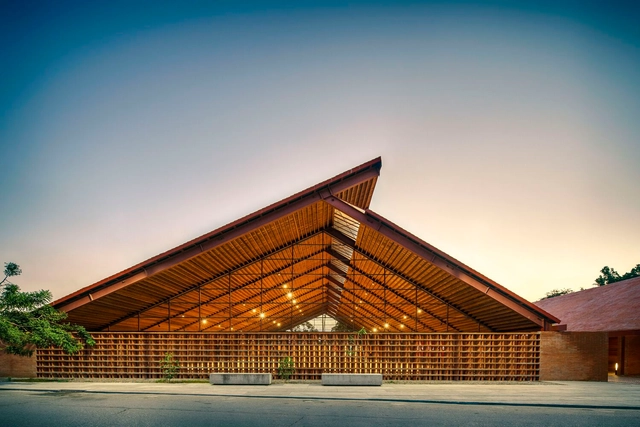
Music House / Colectivo C733
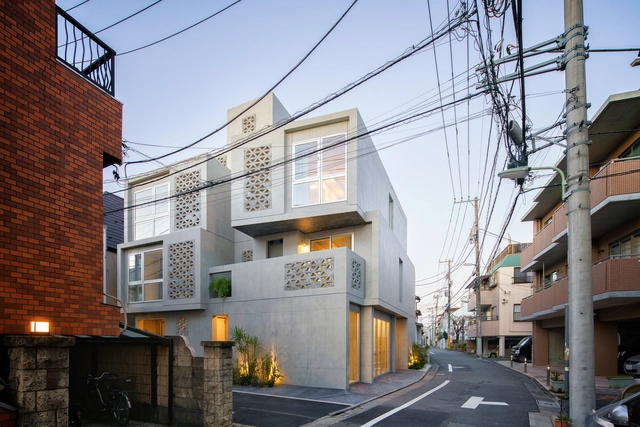
FUTABASOU Apartments / Masashi Miyamoto Architects / mmar

-
Architects: Masashi Miyamoto Architects / mmar
- Area: 298 m²
- Year: 2021
-
Manufacturers: Kaikousya, LIXIL , MUJI, Ressources, Yamauchi Concrete Blocks
-
Professionals: Frameworks
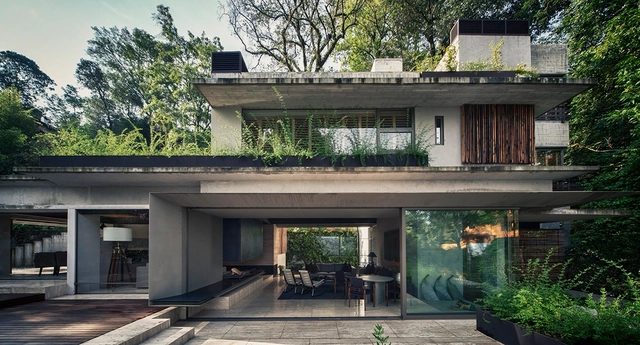
House Maza / CHK arquitectura
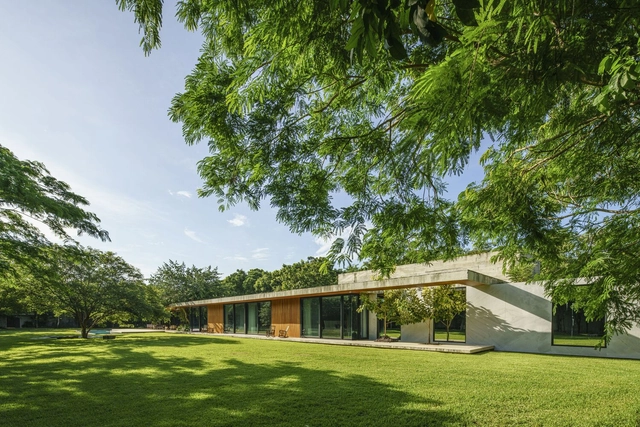
Casa Akúun / Arkham Projects

-
Architects: Arkham Projects
- Area: 11065 ft²
- Year: 2020
-
Manufacturers: Cemex, MIDO, Millet
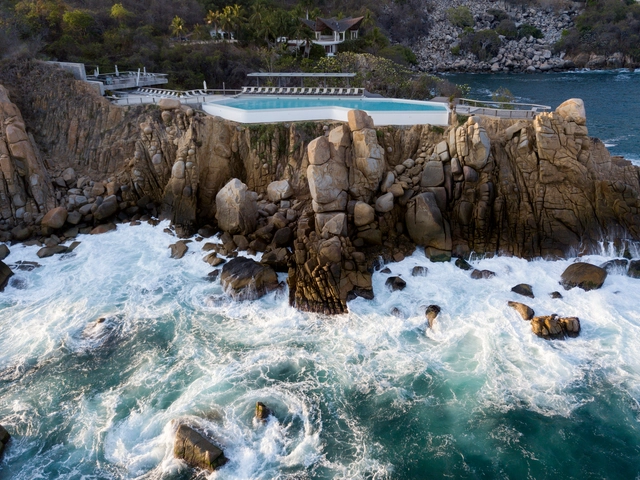
Architecture in Mexico: Projects that Highlight the Coast of Guerrero

Guerrero is a state in the southwest corner of Mexico that shares land borders with the State of Mexico, Morelos, Puebla, Oaxaca, and Michoacán and a coastline with the Pacific Ocean. With over 64,281 km² of territory, it is the twelfth most populated state in Mexico. It's capital city is Chilpancingo de Juárez and it's most populated city is Acapulco de Juárez.
Architecture in Mexico: Emblematic Houses of Valle de Bravo

Mexico's Valle de Bravo region, to the southeast of Mexico City, is characterized by the Presa Miguel Alemán lake, created in 1947 as a reservoir for Mexico City and Toluca's water supply. Thanks to its proximity to the capital, Valle de Bravo is a popular weekend destination for residents of surrounding cities. This in turn has sparked the interest of various architects, who have aimed to create projects that enhance visitors' experience such as offering an optimal view of the lake, or an immersive experience in the surrounding forest.
Amani Building / Archetonic

-
Architects: Archetonic
- Area: 34000 m²
- Year: 2019
50 Impressive Details Using Wood

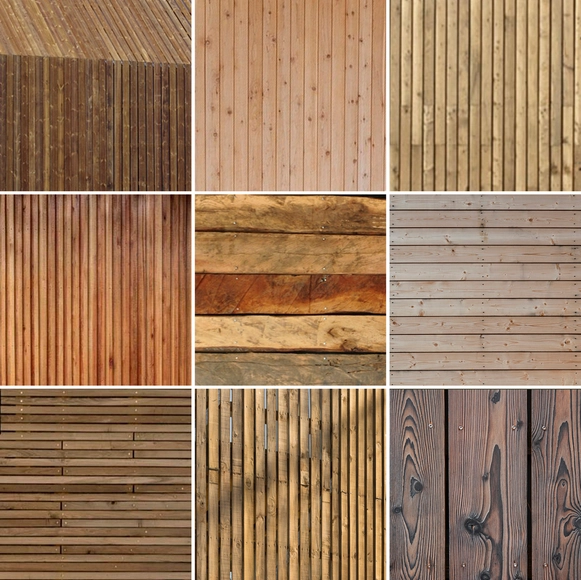
Over the course of history the unique characteristics of wood, which are dependent upon the species of the tree and the location in which it has grown, have enabled humanity to flourish in all parts of the globe. The architectural details of wooden construction therefore show a great diversity of meetings and joints, showing not only a project's constructive and structural logic, but also embodying the value and complexity of each project.
Take a look at these 50 construction details of projects that stand out for their clever use of wood.
Why Do Architects Love Designing Houses?
.jpg?1553267060&format=webp&width=640&height=580)
Home. Our shelter. Our private space. In an urbanized world with dense megalopolises like Tokyo, Shanghai, and São Paulo, homes are getting smaller and more expensive than ever. If you are claustrophobic, Marie Kondo is your best ally in the quest to earn some extra space. And even though private backyards have become a luxury for most, our data shows that single-family houses are still the most popular project type on ArchDaily. Why is this? (Especially when it seems incongruous given the reality of today’s crowded cities.) Why do some universities still insist on designing and building houses as academic exercises? Wouldn’t it be more creative—and more useful—to develop architecture in small-scale spaces? Would it be more rewarding to develop solutions on bigger scales?


.jpg?1393473425)


.jpg?1597763267)
.jpg?1597763791)

.jpg?1597763256)