-
Architects: Office Canopy of Architecture
- Area: 4416 m²
- Year: 2024


As cities around the world brace for extreme temperatures and waves of unrelenting heat, urban greening is one of the best solutions for leaders to combat this reality. The benefits of planting trees for physical health, mental well-being, and thermal relief are well documented, and a mature canopy can transform a space by several degrees on a hot day. Trees cool the air through evapotranspiration, filter pollutants and absorb stormwater, and enhance biodiversity in urban spaces.


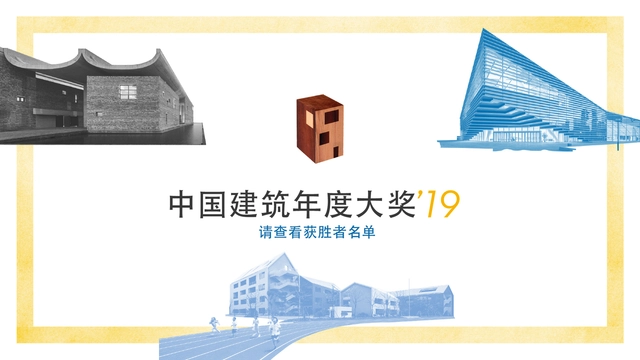
In 2018, ArchDaily China’s reach grew stronger than ever. We brought Chinese architecture into the global conversation, introducing Chinese design to the world while delivering global architectural news to our Chinese readers. Remaining true to our founding mission, we strive to be an open platform that benefits the public, fostering a more inclusive and equitable architectural community. This year, we once again invited our Chinese readers to vote for the 2019 ArchDaily China Building of the Year Awards. Through an unbiased, geographically unrestricted voting process, our readers became part of a massive jury to select the most representative architectural projects of our time.
Over the past three weeks, more than 300,000 votes were cast. From over 400 Chinese projects published in 2018, voters selected the top ten nominated projects, and ultimately, the three most representative winners. Because ArchDaily’s readers consist of industry professionals and architecture enthusiasts, this award represents peer-to-peer recognition, carrying immense significance.
The following are this year’s winning projects:

July 20, 2019, marked the 50th anniversary of the Apollo 11 moon landing. On July 16, 1969, Apollo 11 departed Earth, touching down on the lunar surface four days later. This historic milestone continues to prompt reflection on how technological advancements are making life on other worlds increasingly viable.
Aided by the evolution of 3D printing and fully automated construction technologies, we have compiled 15 architectural projects that demonstrate how life on the Moon and other celestial bodies is no longer a distant fantasy.


How do we design spaces that are healthy for both our minds and our bodies? That is the core question we will address this March by exploring our monthly theme, “Well-Being in Interior Spaces.”

How can we design spaces that are healthy for our minds and bodies? This is the central question we will address this March as we focus on the topic of interiors and well-being.

This second year of the pandemic offered a tremendous opportunity to continue reflecting on and debating the most urgent issues in architecture. To this end, we wanted our readers to actively participate by contributing their experiences and knowledge. Throughout the year, we invited them each month to share their comments and insights on a wide range of topics—from the future of cities, automation, and multidisciplinary design, to green infrastructure, adaptive reuse, migration, equity, and well-being.
After reading and compiling all the submissions received—from construction professionals and students to architecture enthusiasts—it is now time to present the key perspectives. Thank you very much for sharing your opinions!

How do we design spaces that are healthy for both our minds and our bodies? That is the main question we seek to answer this March as we address our monthly topic, “Indoor Well-Being.”
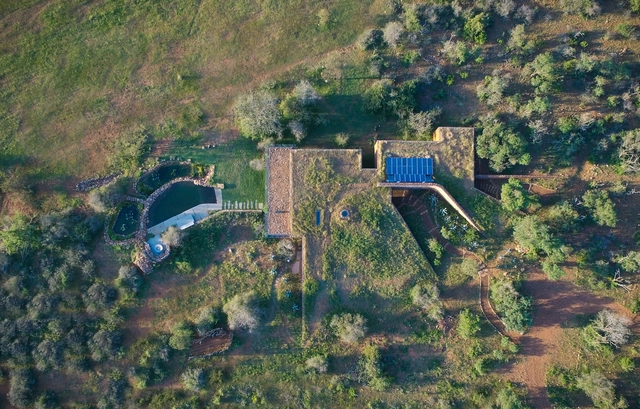
As a human creation, architecture as an object always poses the challenge of its integration into the landscape. When a design opts to go underground, it can bring various design benefits, such as blending into the context, as well as technical advantages like increased thermodynamic efficiency.
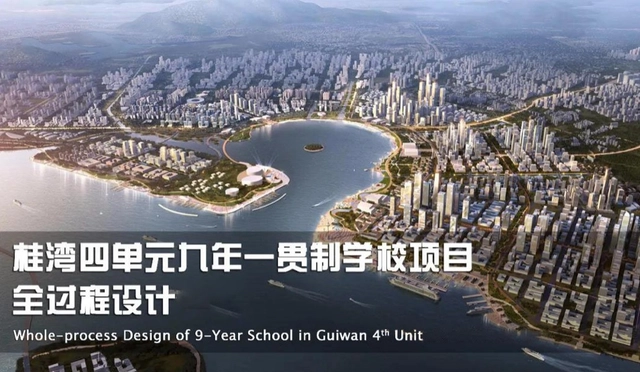
On July 23, the prequalification meeting for the international tender of the full-process design of the Guiwan Unit 4 Nine-Year Consistent School Project was successfully held. The jury was composed of renowned domestic architects and educational architecture experts. As Qianhai's first nine-year consistent public school, the project is a crucial pillar for establishing Qianhai as an educational hub and an effective practice in exploring full-process design management models. After carefully reviewing the conceptual proposals and commercial bids of the 76 registered applicants, the jury ultimately selected 5 shortlisted firms to proceed to the next stage.

While some works serve as monuments to the egos of those who practice this profession, other architectural approaches propose the exact opposite. These practices deliver projects that—almost poetically—harmonize built elements with the surrounding natural environment. There are also designs that adapt to the morphological order of nature, resulting in an organic language that generates highly unique and singular interior spaces.