Shengliang Su

BROWSE ALL FROM THIS PHOTOGRAPHER HERE

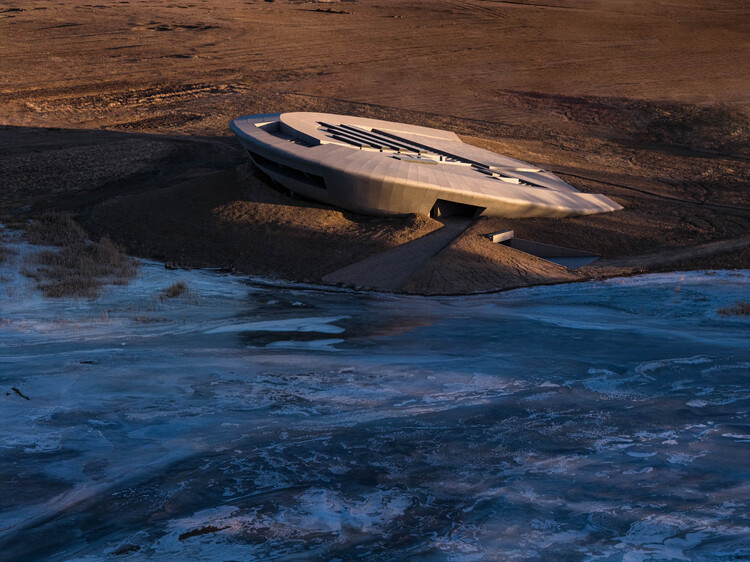
Prairie Ark and Nomads' Beacon Tower / BUZZ/ Büro Ziyu Zhuang

Prairie Ark and Nomads' Beacon Tower / BUZZ/ Büro Ziyu Zhuang - More Images+ 42

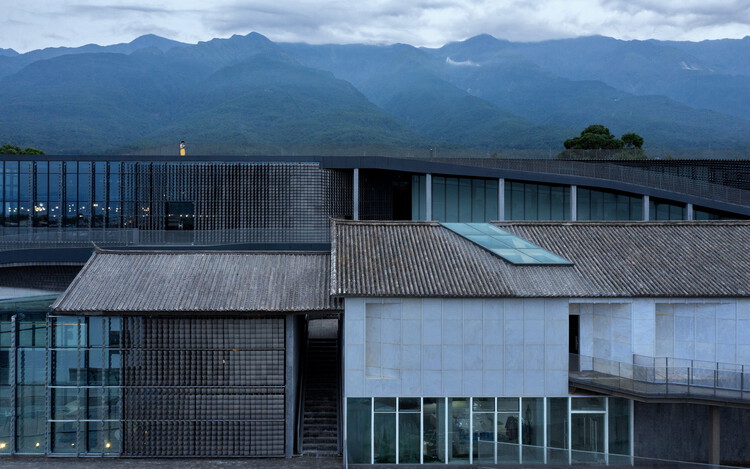
Dazhou Atelier and Its Surrounding Area Renovation / SpActrum

Dazhou Atelier and Its Surrounding Area Renovation / SpActrum - More Images+ 34

  • Architects: SpActrum
  • Area Area of this architecture project Area:  4586
  • Year Completion year of this architecture project Year:  2022

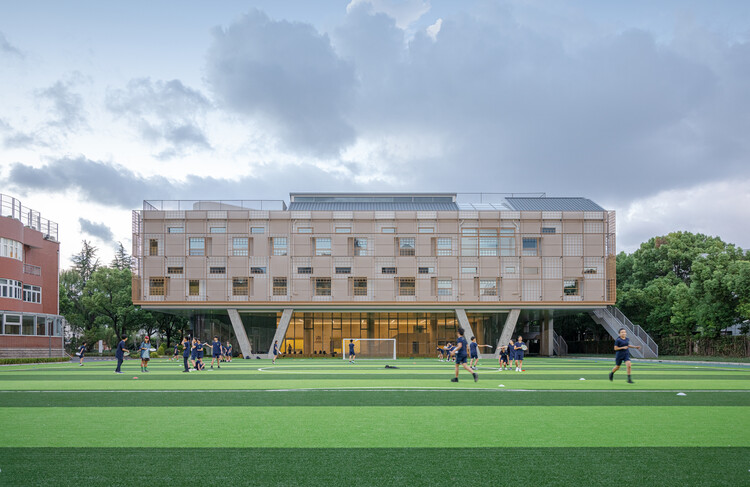
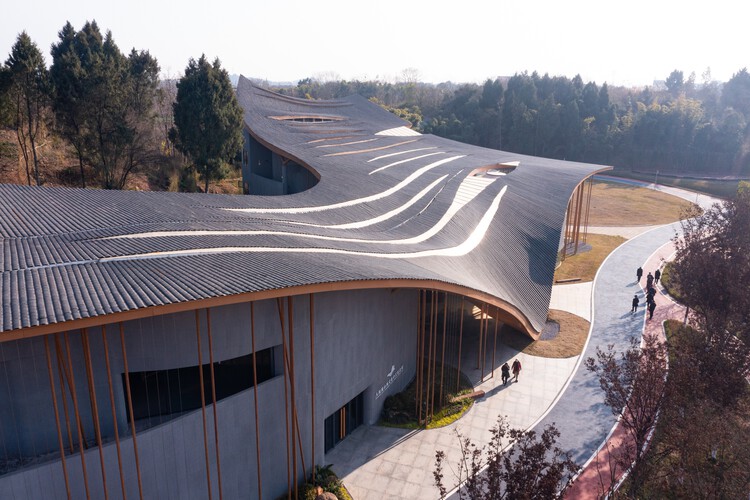
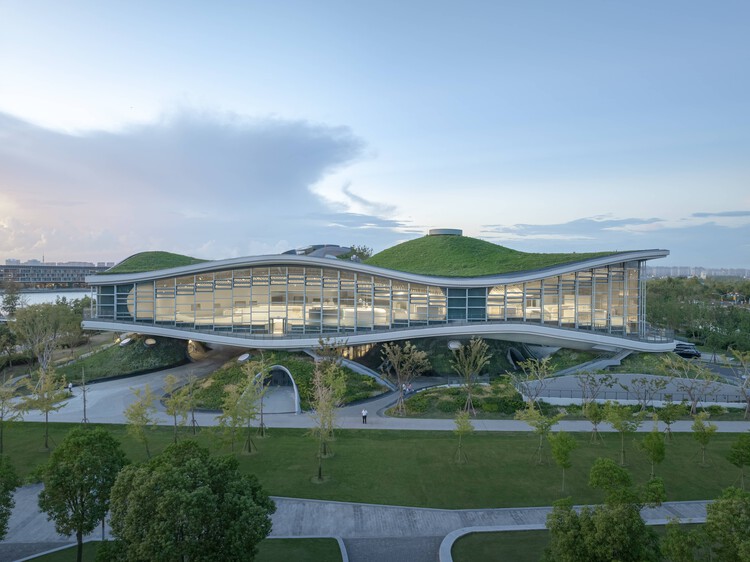
Anna Pao Sohmen Centre at YK Pao School / Scenic Architecture Office

Anna Pao Sohmen Centre at YK Pao School / Scenic Architecture Office - More Images+ 48

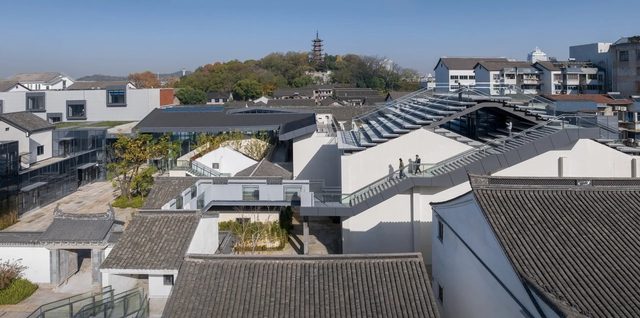
Librairie Avant-Garde at Jianhu / Atelier Deshaus

Librairie Avant-Garde at Jianhu / Atelier Deshaus - More Images+ 25

  • Architects: Atelier Deshaus
  • Area Area of this architecture project Area:  830
  • Year Completion year of this architecture project Year:  2024

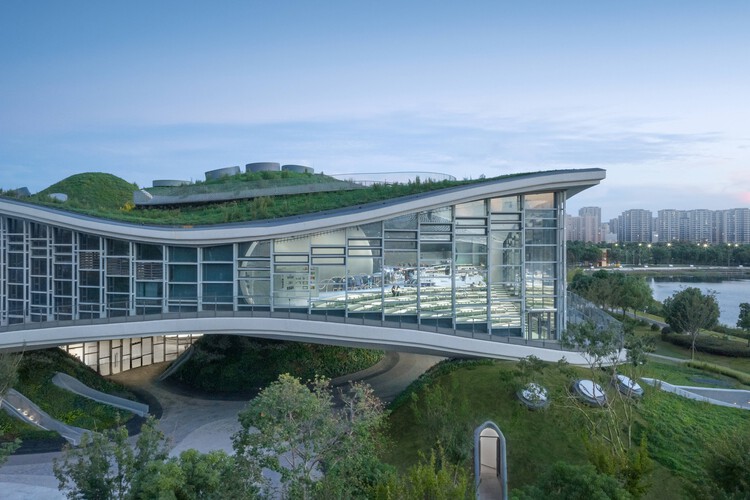
Kunshan Jinxi Senior High School / Atelier Deshaus

Kunshan Jinxi Senior High School / Atelier Deshaus - More Images+ 13

Suzhou, China
  • Architects: Atelier Deshaus
  • Area Area of this architecture project Area:  72034
  • Year Completion year of this architecture project Year:  2023

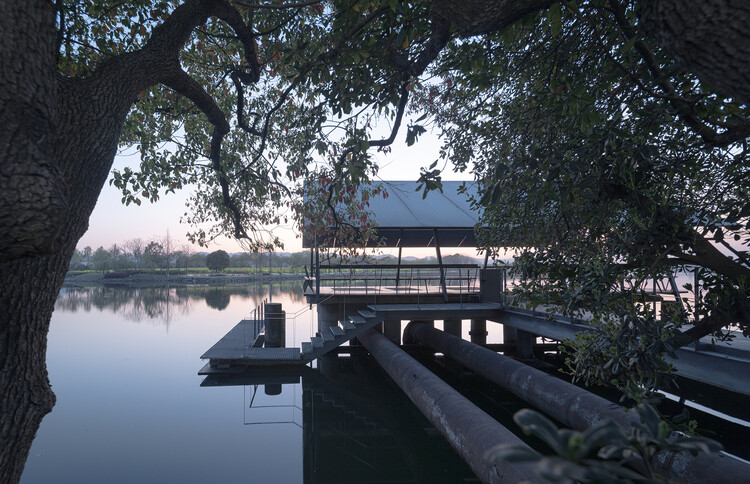
Renmin Canal Water Conservancy Culture Zhongjiang Memorial Hall / AOMOMO Studio, Shanghai Jiao Tong University

Renmin Canal Water Conservancy Culture Zhongjiang Memorial Hall / AOMOMO Studio, Shanghai Jiao Tong University - More Images+ 44

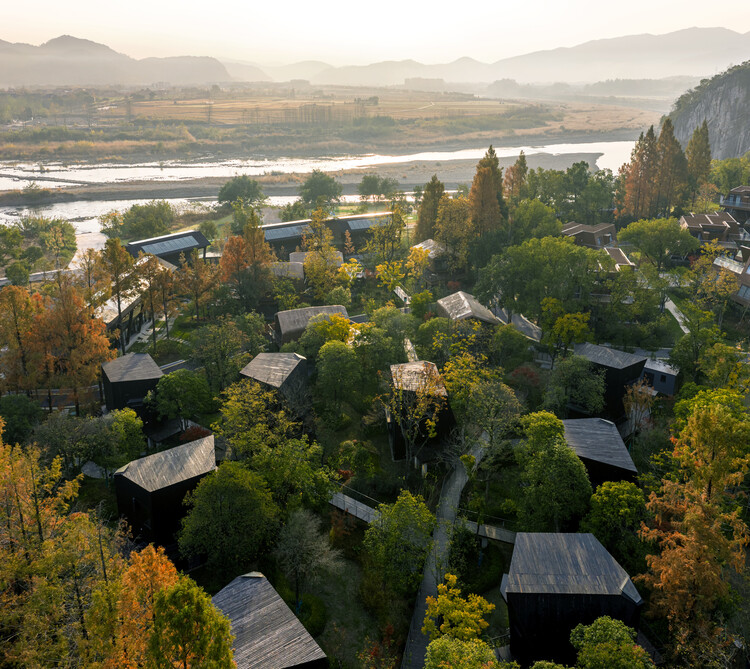
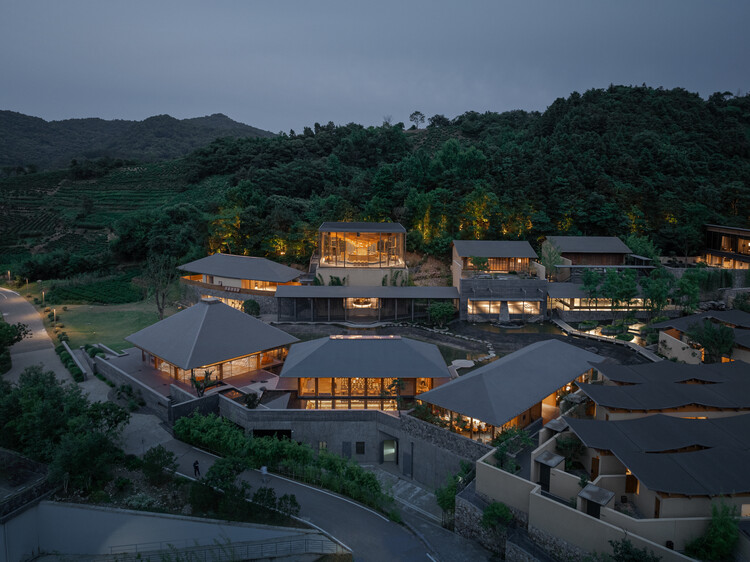
Houses of Stealth (Tonglu Senbo Resort) / SpActrum

Houses of Stealth (Tonglu Senbo Resort) / SpActrum - More Images+ 38

Hangzhou, China

The Illusion of Lightness: Designing Civic Voids for Public Life

In our current cities, urban density and rising land values often force a choice between large-scale civic buildings and open public space. Traditionally, plazas have been treated as areas surrounding a building's footprint, but this strategy was modified when pilotis were introduced by the early 20th-century modernist movement. While the original intent was to create a sense of lightness that would allow circulation and light to flow beneath a structure, contemporary requirements for seismic loads, fire egress, and heavy occupancies render thin columns insufficient for the needs of current large-scale civic projects.

However, the pursuit of architectural lightness is not a strictly contemporary phenomenon. Following the modernist introduction of pilotis, several mid-century projects began experimenting with the illusion of suspension to achieve civic transparency. In 1953, the National Congress of Honduras in Tegucigalpa, designed by Mario Valenzuela, applied these principles to a legislative setting. The building consists of a solid assembly chamber elevated on a series of slender columns. Because the site sits on a terrace at the end of a sloping street, the resulting void does more than just provide circulation; it frames views of the city, creating the impression that the heavy legislative mass is lightly suspended above the urban fabric.

The Illusion of Lightness: Designing Civic Voids for Public Life - Image 1 of 4The Illusion of Lightness: Designing Civic Voids for Public Life - Image 2 of 4The Illusion of Lightness: Designing Civic Voids for Public Life - Image 3 of 4The Illusion of Lightness: Designing Civic Voids for Public Life - Image 4 of 4The Illusion of Lightness: Designing Civic Voids for Public Life - More Images+ 11

Nanshan Junning Resort / Atelier LAI

Nanshan Junning Resort / Atelier LAI - More Images+ 91

Hefei, China

Wave Cube / Scenic Architecture Office

Wave Cube / Scenic Architecture Office - More Images+ 45

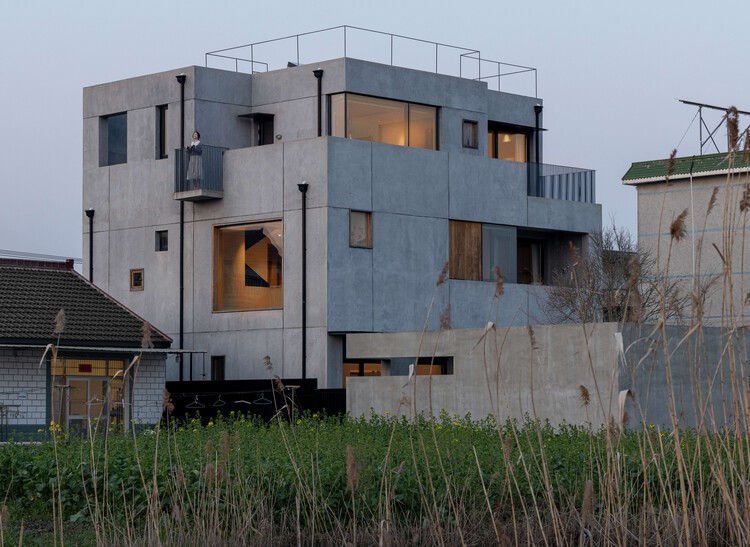
East Courtyard / Benzhe Design

East Courtyard / Benzhe Design - More Images+ 37

Nantong, China
  • Architects: Benzhe Design
  • Area Area of this architecture project Area:  320
  • Year Completion year of this architecture project Year:  2025

“Great Architecture Must Be Poetry:” Zhu Pei on Architecture as a Form of Art in Louisiana Channel Interview

Zhu Pei is a Chinese architect born in 1962 in Beijing. He studied at Tsinghua University and UC Berkeley, and founded Studio Zhu Pei in 2005. The studio's experimental work and research focus on contemporary architecture, art, and cultural projects. With an artistic and exploratory approach, it investigates the relationship between the roots that anchor architecture in specific natural and cultural contexts and the innovation that drives architecture as a form of artistic revolution. In his interview with Louisiana Channel, Zhu Pei describes architecture as an artistic discipline that, like poetry, relies on openness, imagination, and the creation of new experiences. He argues that great architecture goes beyond functional problem-solving by generating a sense of wonder through its ability to "invent" and "create some new thing, new experience," positioning architectural practice as cultural and sensory exploration rather than purely technical production.

“Great Architecture Must Be Poetry:” Zhu Pei on Architecture as a Form of Art in Louisiana Channel Interview - More Images+ 1

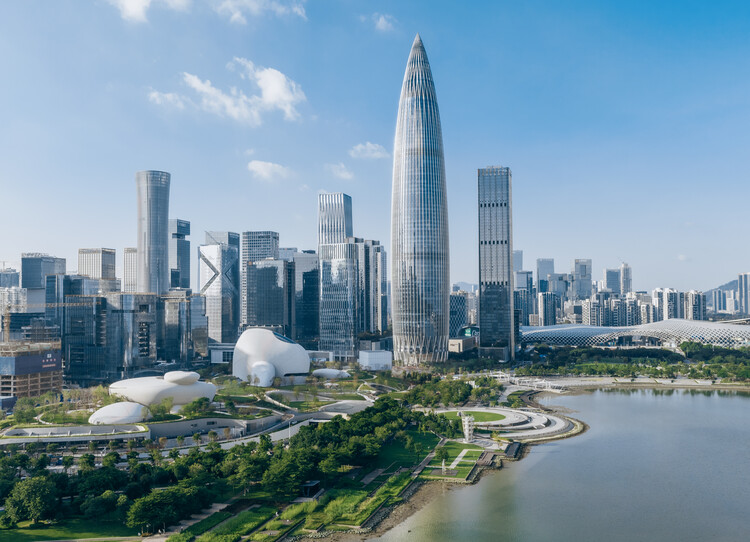
From Rapidity to Specificity: Multiple Dimensions of Shenzhen's Architectural Development

Subscriber Access | 

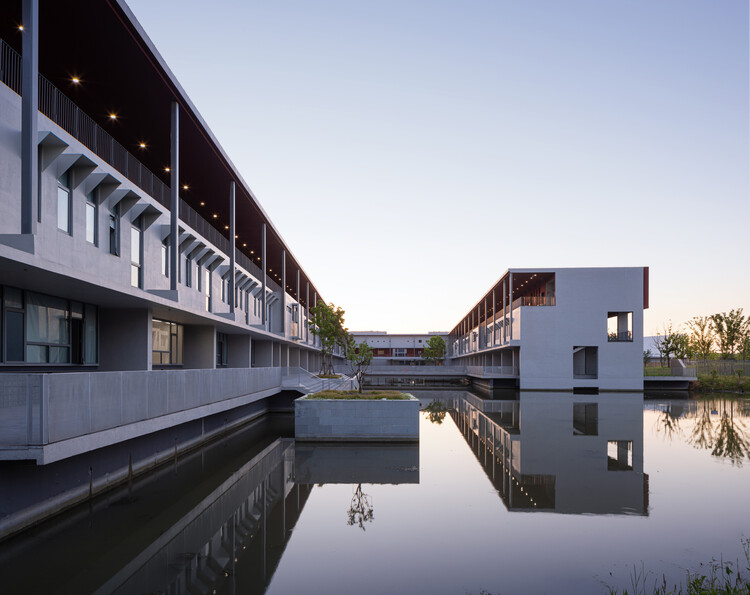
Shenzhen is China's first Special Economic Zone(SEZ), serving as a window for China's Reform and Opening-up and an emerging immigrant city. It has evolved into an influential, modern, and international metropolis, creating the world-renowned "Shenzhen Speed" and earning the reputation of the "City of Design." Architectural design stands as the most intuitive expression of Shenzhen's spirit of integration and innovation. Over the past decade (2015-2025), the development of urban architecture in Shenzhen has closely integrated with its open and inclusive urban character, ecological advantages of being nestled between mountains and the sea, and the local spirit of blending traditional culture with innovative technology, showcasing Shenzhen's unique charm and robust vitality across multiple dimensions.
From Rapidity to Specificity: Multiple Dimensions of Shenzhen's Architectural Development  - More Images+ 51

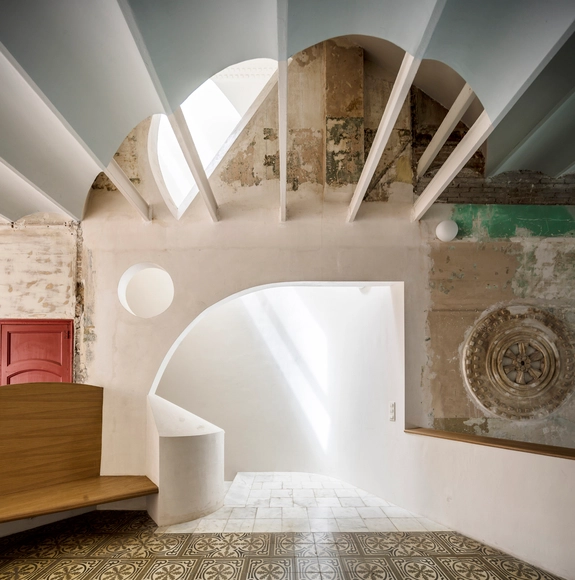
12 Cultural Spaces That Owe Their Power to Adaptive Reuse

Subscriber Access | 

When approaching the design of cultural spaces such as museums, performance venues, or places of research and study, architecture and design professionals often have to assemble pieces of a uniquely challenging puzzle in order to make the structure resonate with a variety of visitors and occupants. Hitting the right chord can be difficult, especially when trying to combine forms into a whole that pays respect to a building's intended use while being timeless in its universality.

One way of making sure a sense of culture is omnipresent: adaptive reuse. The practice of breathing life into historic structures has been on the rise in recent years and is particularly well-suited to creating spaces that address and embody contemporary issues while connecting their inhabitants to the past. But it's not just a sense of updated heritage that makes them stand out; adaptive reuse buildings can fight urban sprawl and unsustainable building practices simply by way of existing.

12 Cultural Spaces That Owe Their Power to Adaptive Reuse - More Images+ 10

Qingshan School / MOMENTUM Architects

Qingshan School / MOMENTUM Architects - More Images+ 32

Hangzhou, China
  • Area Area of this architecture project Area:  1740
  • Year Completion year of this architecture project Year:  2024

Renovation of Anren Liaowei Mansion Anren Tourist Center / Atelier Li Xinggang

Renovation of Anren Liaowei Mansion Anren Tourist Center / Atelier Li Xinggang - More Images+ 32

ShenjiaGarden Intangible Heritage Pavilion / Archi-Union Architects + TJAD

ShenjiaGarden Intangible Heritage Pavilion / Archi-Union Architects + TJAD - More Images+ 35

Youyi Bay Community, Mi Casa Su Casa Club Hotel, and Juanzong Apartment / genarchitects

Youyi Bay Community, Mi Casa Su Casa Club Hotel, and Juanzong Apartment / genarchitects - More Images+ 52