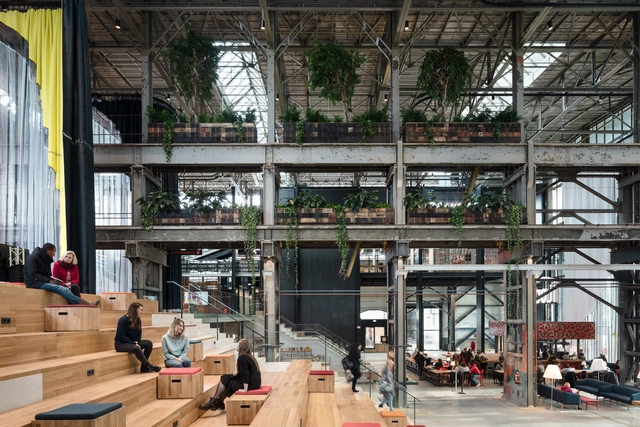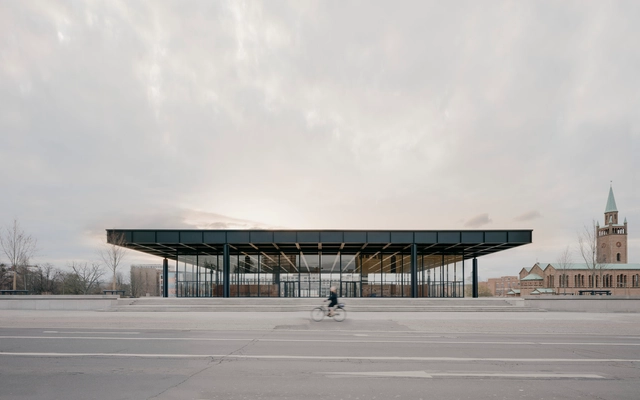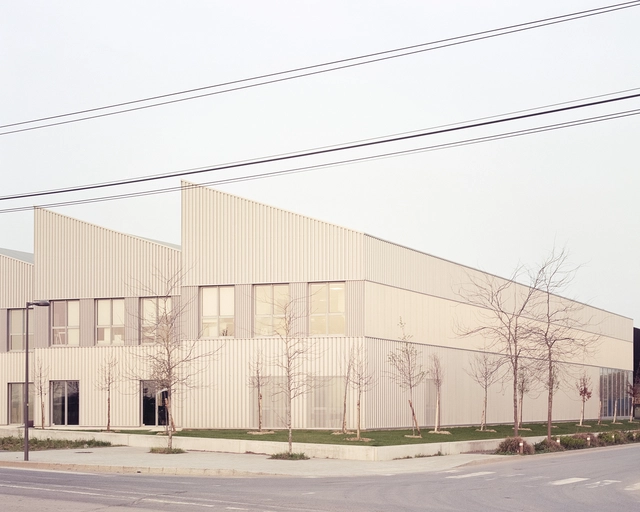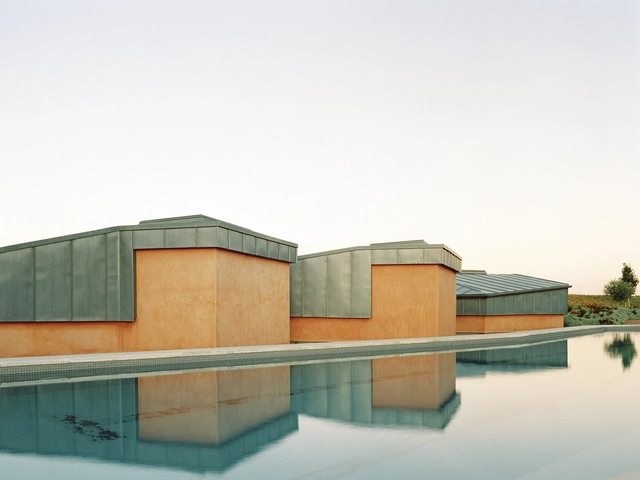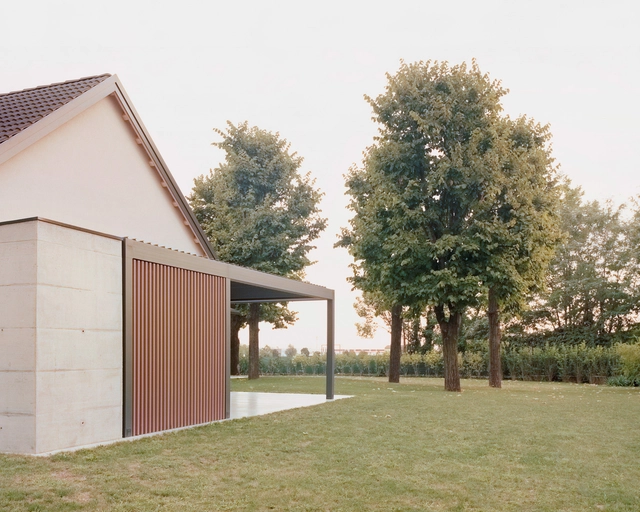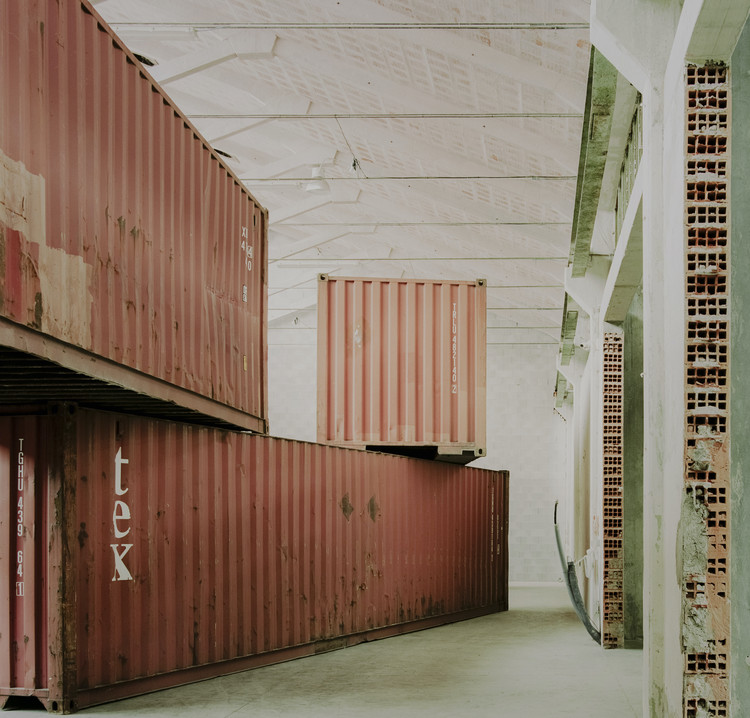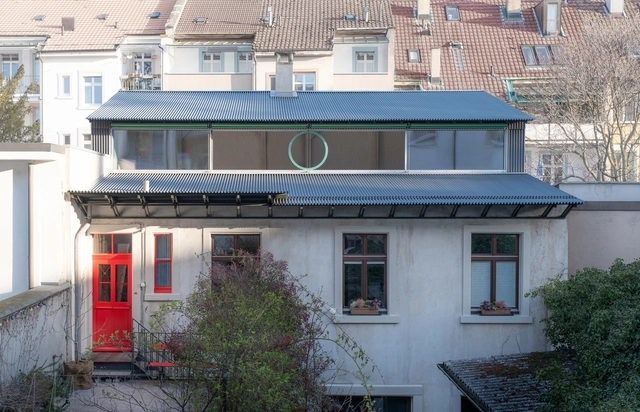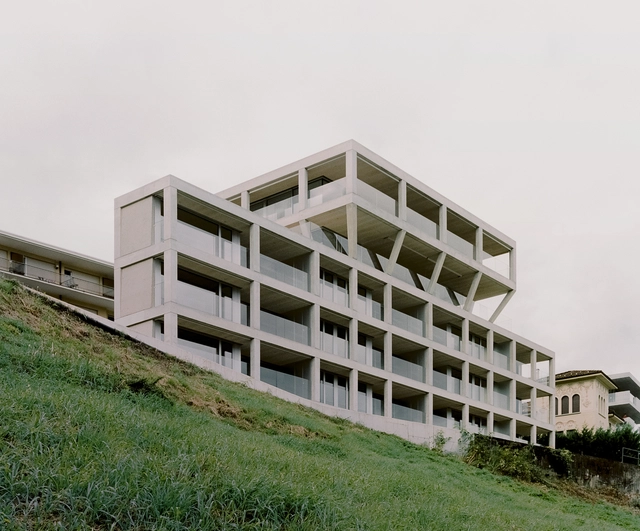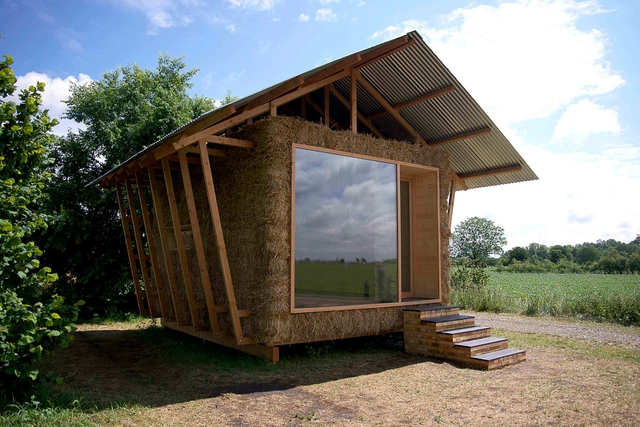
Five emerging architecture studio profiles from Switzerland, France, the Netherlands, Austria, the UK, and Slovakia have been chosen by New Generations, a European platform that analyses the most innovative emerging practices at the European level, providing a new space for the exchange of knowledge and confrontation, theory, and production. Since 2013, New Generations has involved more than 300 practices in a diverse program of cultural activities, such as festivals, exhibitions, open calls, video interviews, workshops, and experimental formats.
Architectural photography has developed into its own art form, and it might be as important as the built work itself. We consume architecture not only physically and spatially in a building but also through photographs. A good image reportage work can give the viewer a feeling of the atmosphere, senses, and design intentions the project may spark, without actually being in the place. Photography is also a way of documenting the project's process, the use of materials, lighting, and architectural elements, and as a result, tell a complete story behind a building.
To celebrate World Photography Day, we've gathered a list of 25 architectural photographers from around the world who are worth knowing - and following on Instagram. These emerging photographers have been selected for their ability to capture architecture each in their own unique ways. Get to know them!
In Her, a 2013 film directed by Spike Jonze, a lonely writer develops a love affair with the virtual assistant of an operating system. Brave New World, a book written in 1932 by the English author Aldous Huxley, fabricates a dystopian society whose cult of efficiency and rationality creates a humanity that ignores hardship and pain but also represses love and freedom. In Mary Shelley's 1818 book Frankenstein, considered the first science fiction novel, a life is artificially created, producing a monster with human characteristics: wills, wishes, and fears. Whether describing the fear of artificial intelligence, the uncertainty produced by industrialization, or the limits of science, science fiction works reveal less about the future and much more about the moment in which they were created; they speak of the fears and hopes of their own time.
When we explore urban visions of the past anticipating the future, it is common to find exaggerated and even funny predictions. As for the promises of architecture and, consequently, of our cities, it is not an easy task to predict future developments clearly either. By looking at industry trends and using all of our imaginations, could we tell what cities will be like in tens or hundreds of years? Their materials, their appearance, their way of building and thinking? Will it be a more pristine and minimalist future or a more organic and complex future? How will new technologies and building materials affect the shape, aesthetics, and prosperity of the cities of tomorrow?