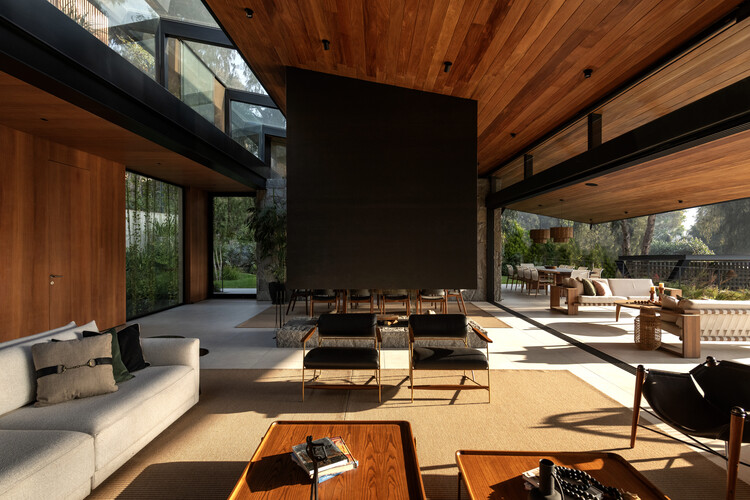
-
Architects: Malachowski Arquitectos
- Area: 1345 m²
- Year: 2024
-
Manufacturers: Bticino, Ferretti, Sierra Muebles Perú, Thermia, Vainsa
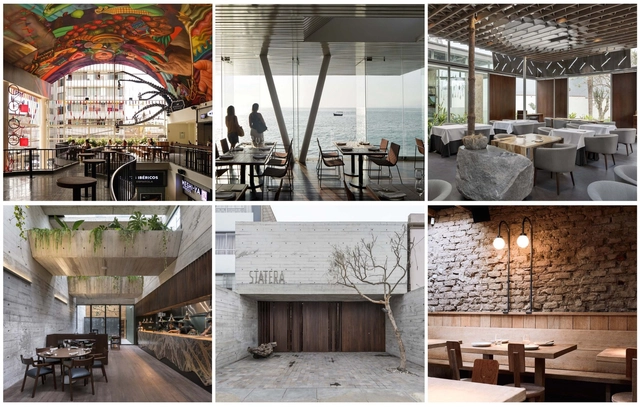
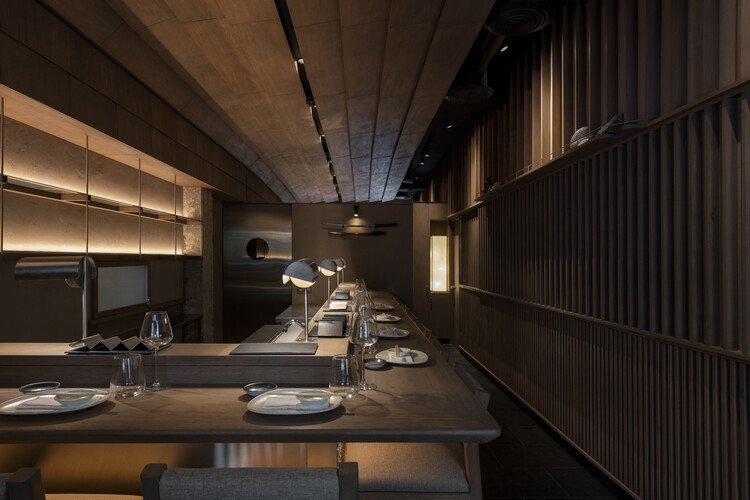
The world of gastronomy is about far more than just food; space plays a vital role in the overall dining experience. To achieve this, architecture transcends mere functionality to cultivate distinct atmospheres through the meticulous curation of light, acoustics, color, texture, and form, ensuring both intimacy and comfort for diners.
The city of Lima—capital of Peru, a preeminent culinary destination—features a diverse array of restaurants and cafés that reflect the country's rich heritage. Below, we present a selection of 10 restaurants and cafés offering unique dining experiences across the city.

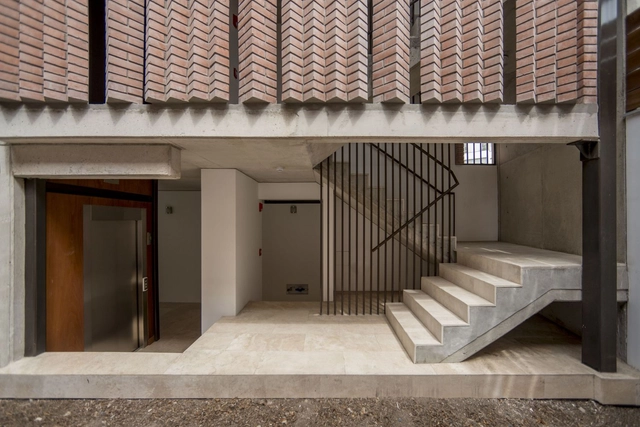
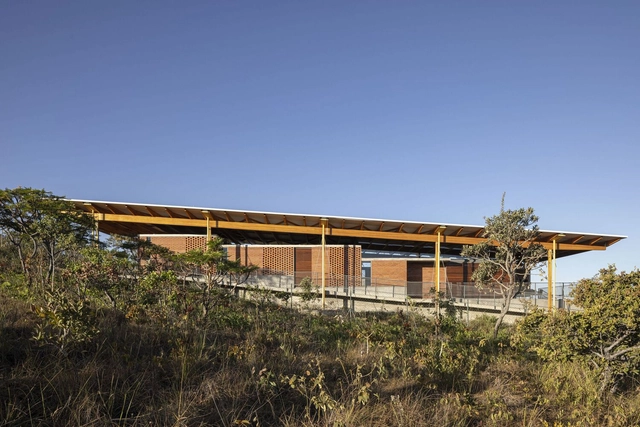
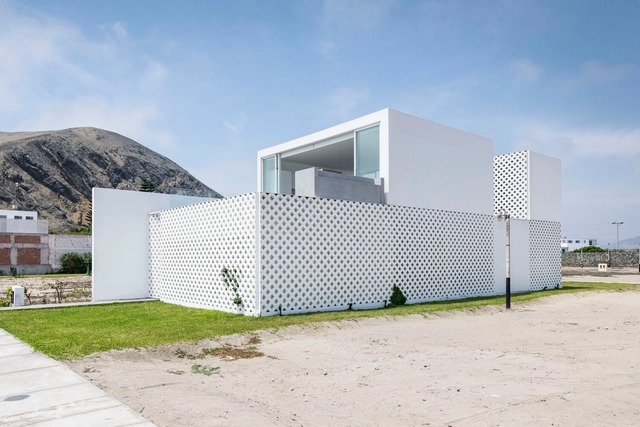
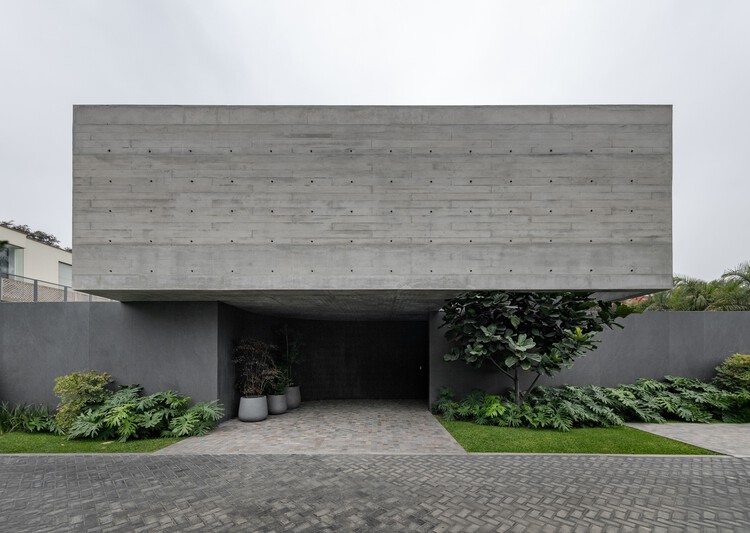
Every year, our curatorial team presents a retrospective of house projects that stood out over the period. This collection, a small selection of the more than two thousand projects published on ArchDaily Brasil this year alone, comprises a series of residences with specific design solutions that address, each in their own way, factors such as materials, construction techniques, structural systems, building processes, and programs.
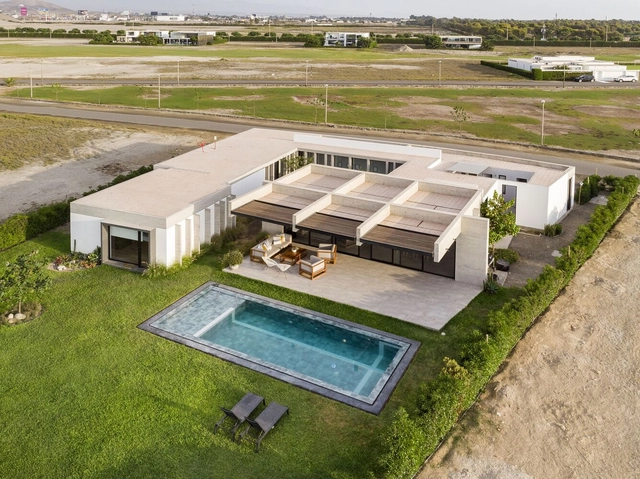
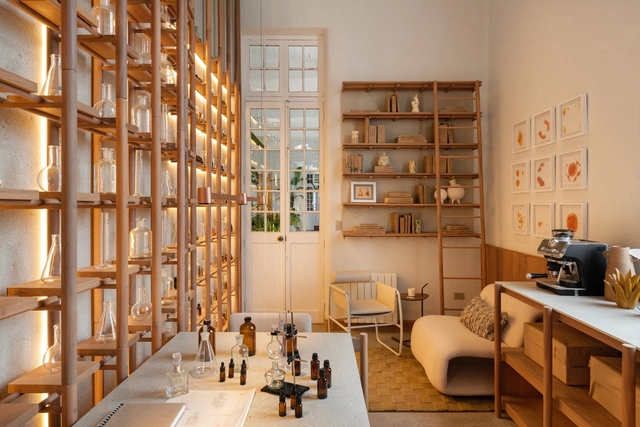
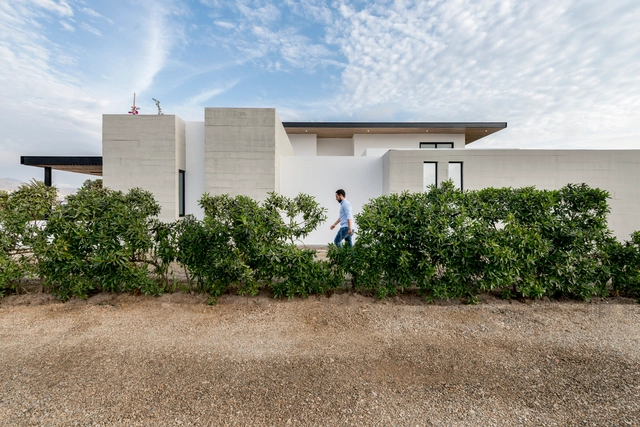
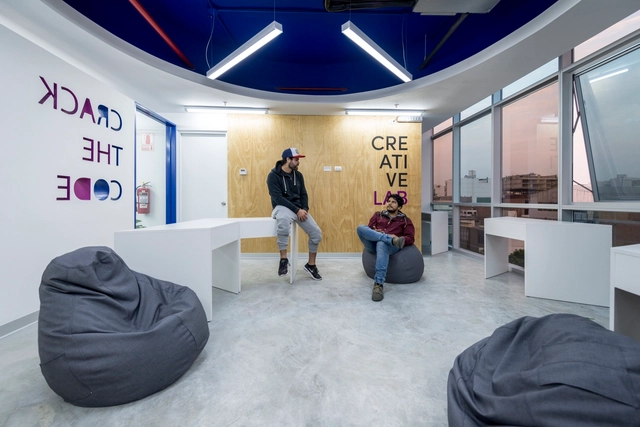
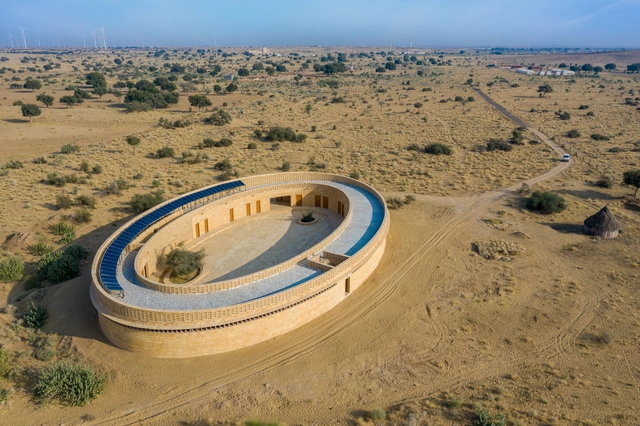
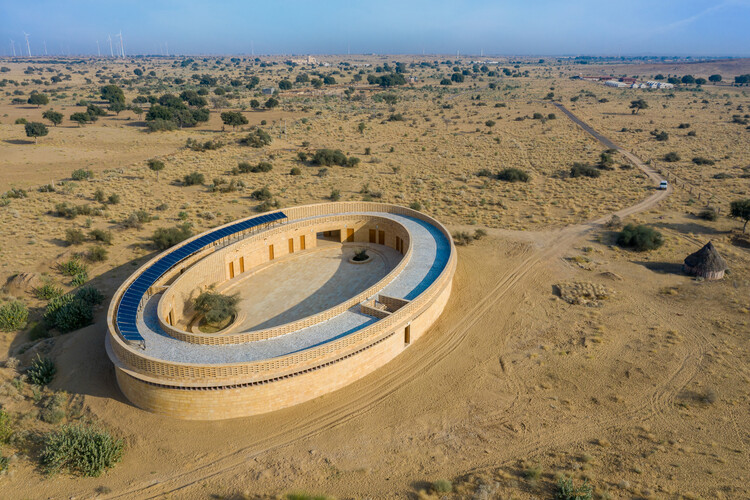
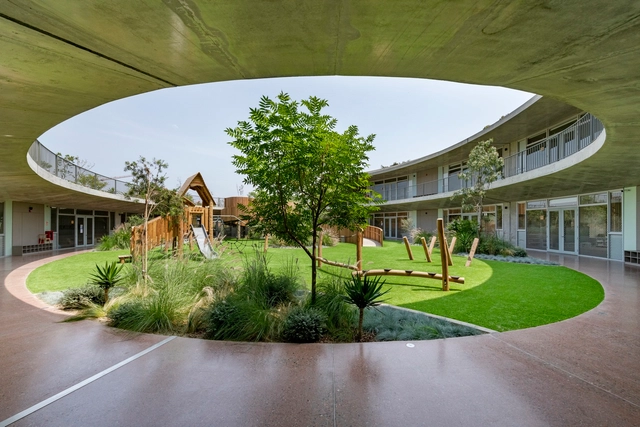
Creating an educational setting is a specific and sensitive task. Merging children's safety and learning optimization requirements with an aesthetic appeal and solid concept can birth some of the most beautiful, unique projects around. One common configuration is the elliptical or circular school. A circular, more specifically ringlike educational setting can suggest a sense of protectiveness and safety with the construction of the embracing surrounding membrane. It is also a practical setup that envelopes multiple functions while linking them, consequently allowing interactive instances through the central courtyard.
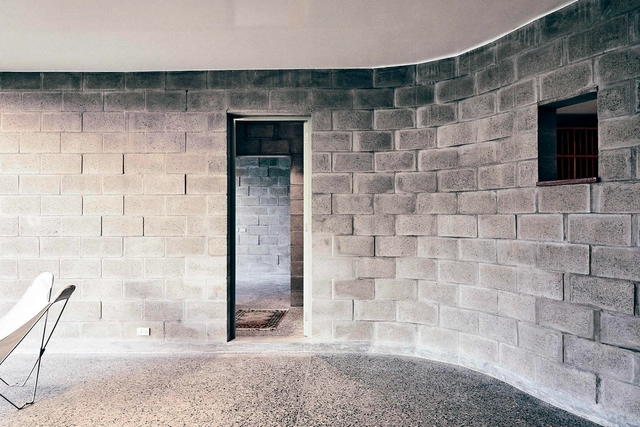
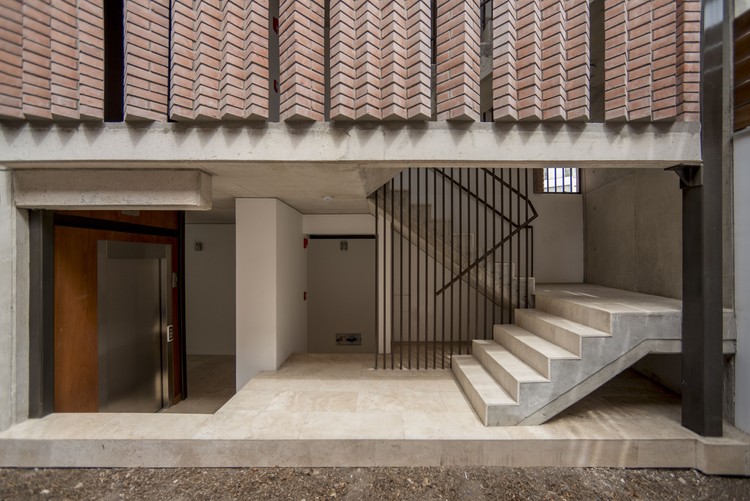
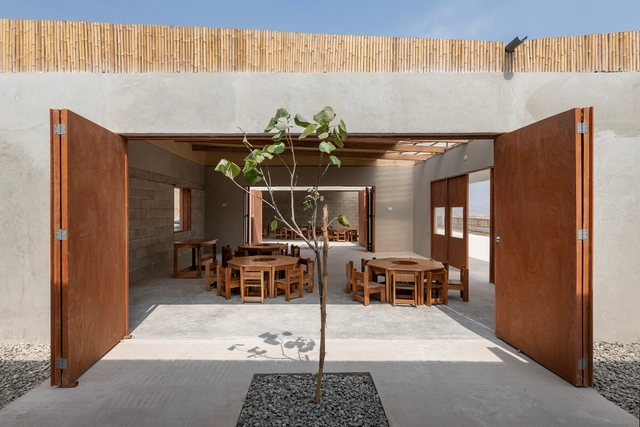
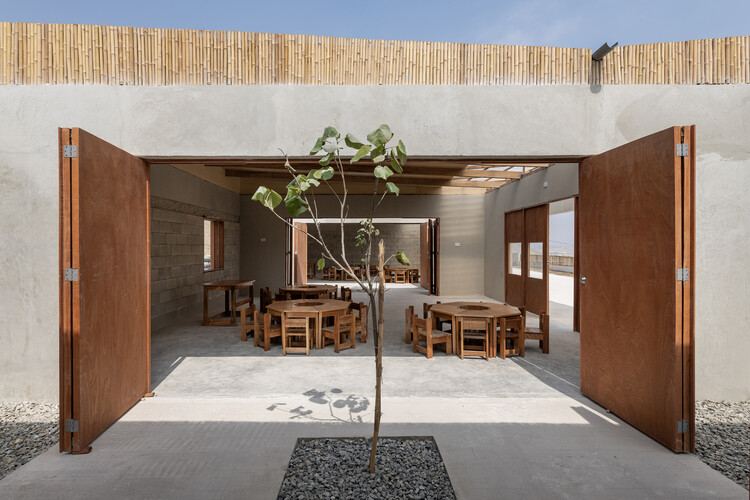
Beyond being a prefabricated material currently produced in large quantities, the use of concrete blocks in architecture continues to evolve to meet the demands and needs of contemporary societies that are constantly changing. Whether in interior or exterior spaces, their use can align with concepts of circular economy, resource efficiency, sustainability, and more, with the goal of creating habitable spaces while also understanding their constructive advantages and disadvantages, their expressive and aesthetic qualities, and so on.