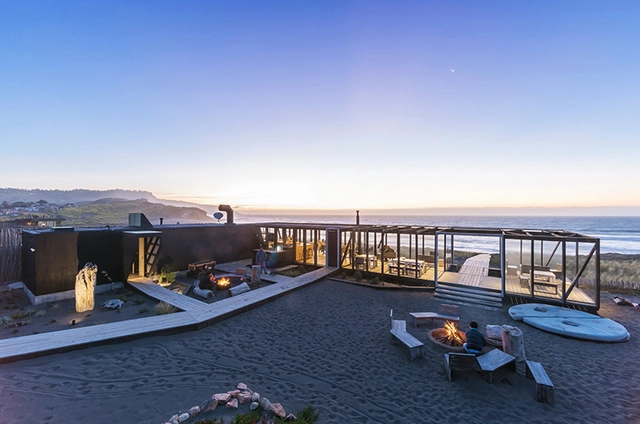
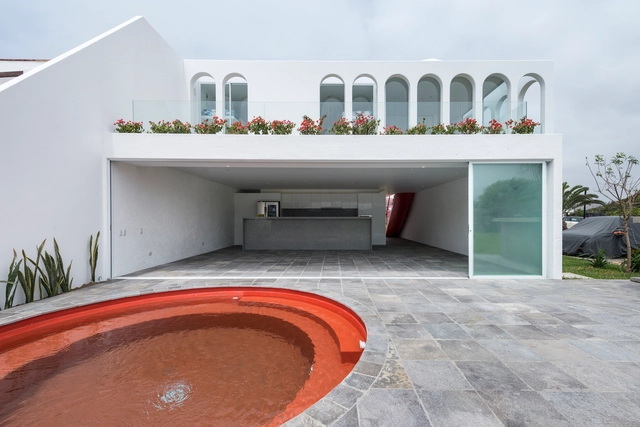
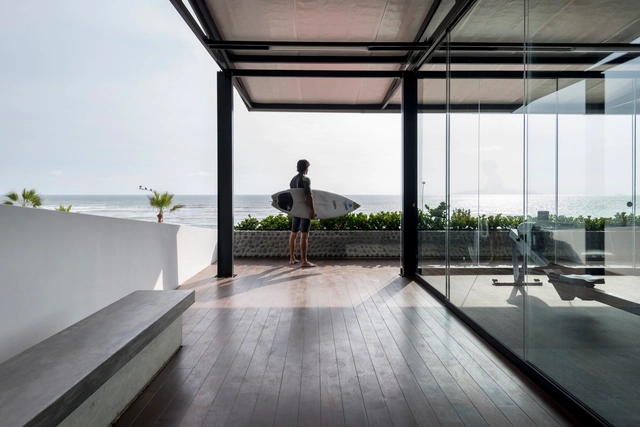
Surfing is both a sport and a way of life. As the art of he'e nalu, it mirrors design as a play between spatial experience and environment. Today, the commercial and cultural architecture of surfing has become increasingly common, designs that break away from iconic seaside homes and waterfront retreats to create new connections between the public, surfers and the ocean.
Peru, with its varied geography and vast array of natural resources, renders an architectural style that makes itself one with the landscape. In the country's three principal terrains —coast, mountain, and rainforest— there is little variation in temperature and the climate can be defined as either tropical or subtropical.
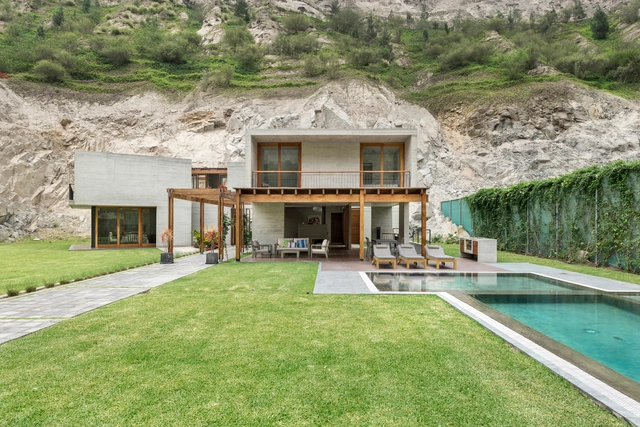
With their cliffs and bluffs, the rocky coasts of Peru form a unique landscape of surfaces shaped and reshaped by the erosion of the sea and wind. On these heterogeneous, steeply sloping terrains, designing architecture integrated with the context is no easy task. From volumes embedded into hillsides to houses that incorporate mineral formations into their interior spaces, projects addressing this challenge prompt us to reflect on how to establish a relationship with the natural environment, blurring or tensioning the boundaries between architecture and landscape.
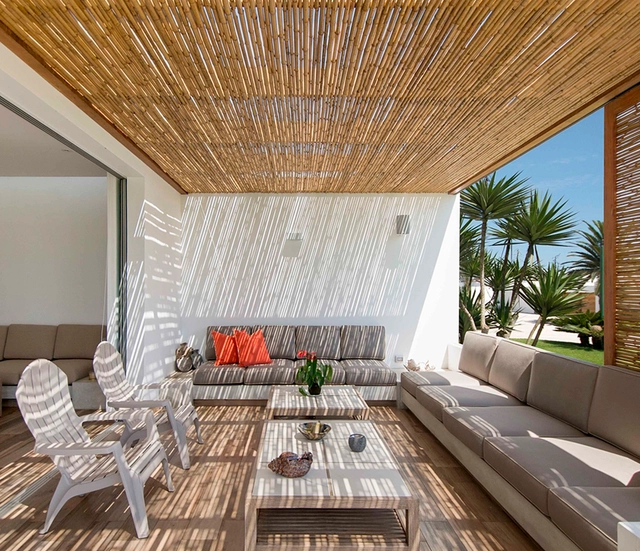
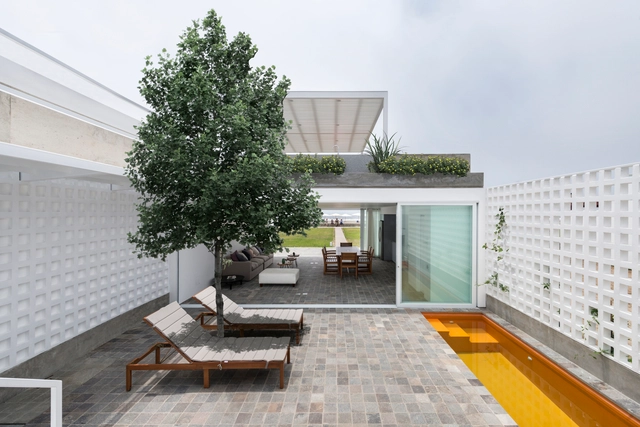
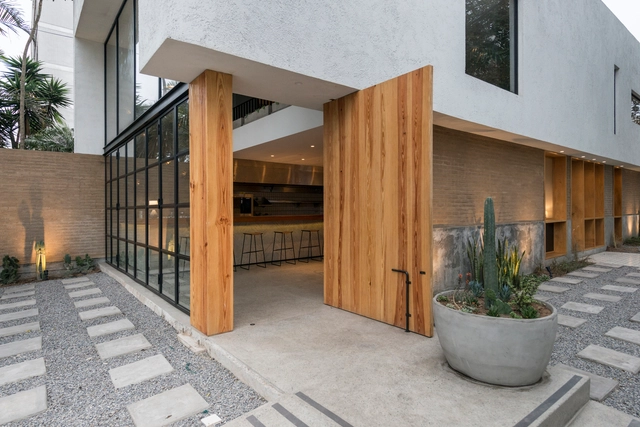
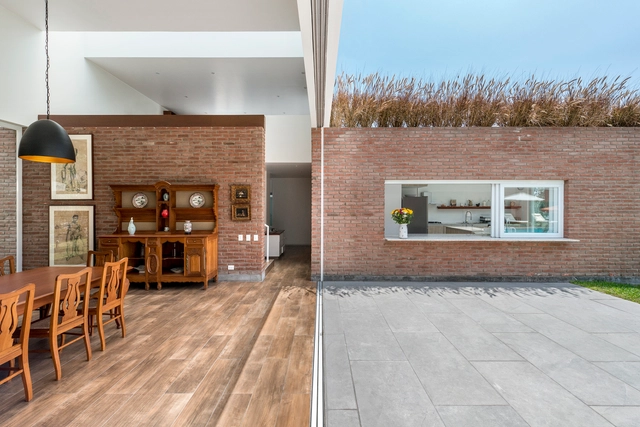
Occupying a substantial chunk of South America's central western landmass, Peru is a treasure trove of both landscapes and natural resources. Within its three regions--coastal, mountain, and rain forest--there is little variation in summer and winter temperatures and, except for its high mountain areas, its climate stays between tropical and subtropical. Thanks to the lack of weather extremes, outdoor activities--and the spaces in which to do them--are a principal factor in designing homes and other buildings. Pergolas and other semi-coverings make it possible to create or expand shaded areas, allowing you to enjoy the outdoors in the comfort of your home.
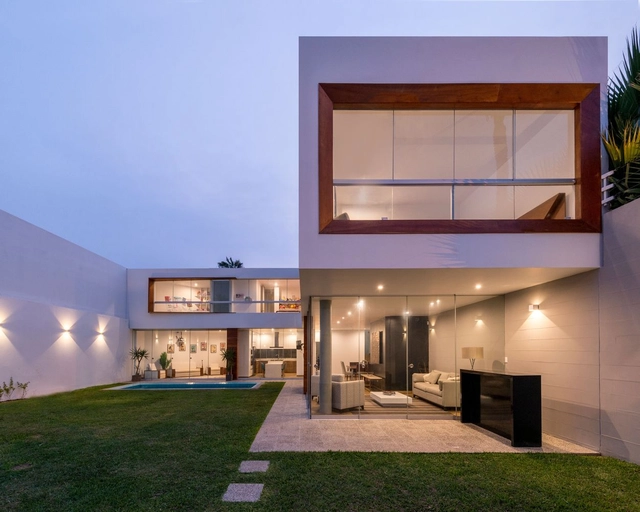
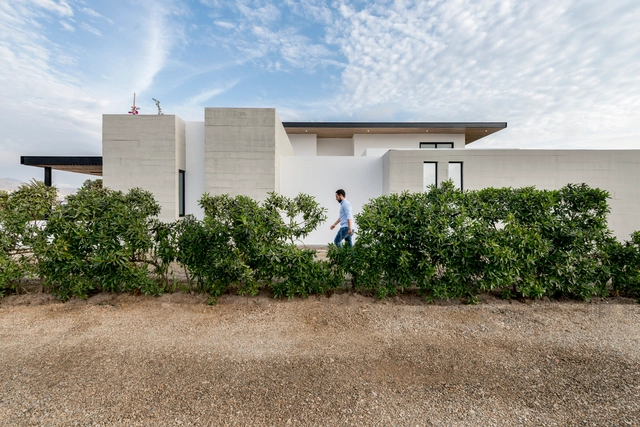
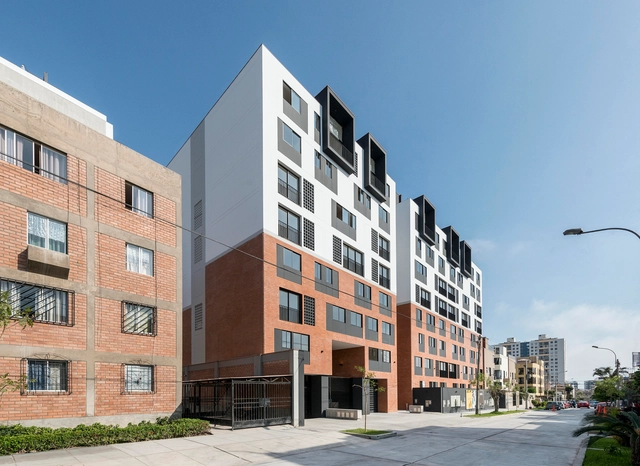
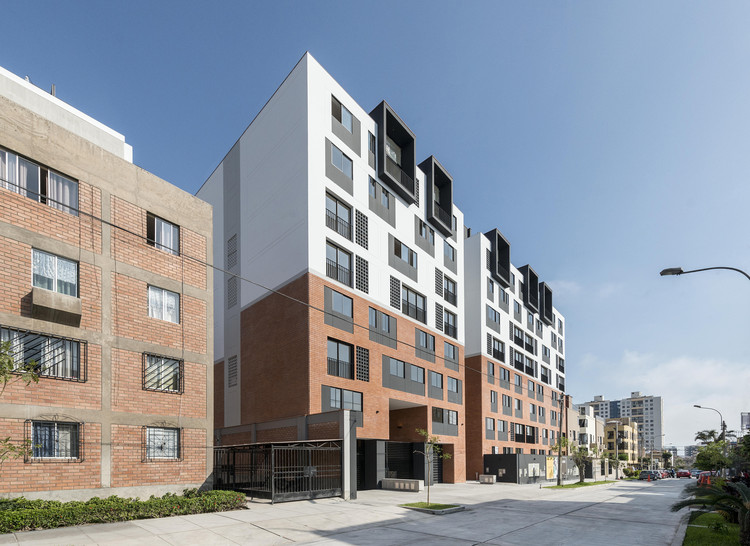
In the architecture of Peru, concrete took center stage during the development of the Modern Movement. In pursuit of a new urban geography, many architects set out to renew their architectural languages. As a result, new concrete buildings—residential, office, and commercial towers—began to emerge across the city, leaving behind the Neocolonial and Republican styles that had long characterized Lima's architecture. Today, the structural advantages, versatility, expressiveness, and aesthetic value of concrete continue to make it a preferred choice for many architects, keeping exploration around the material highly relevant.
As the year comes to a close, we look back... what captivated us most? After presenting the best architecture of the year, we now focus on identifying representative projects. Among the wide range of Peruvian works published in 2018, those that had the greatest impact on our platform span various scales and typologies. Below, you will find everything from a private house to a public library, by both established and emerging architects—reflecting architecture for everyone.