-
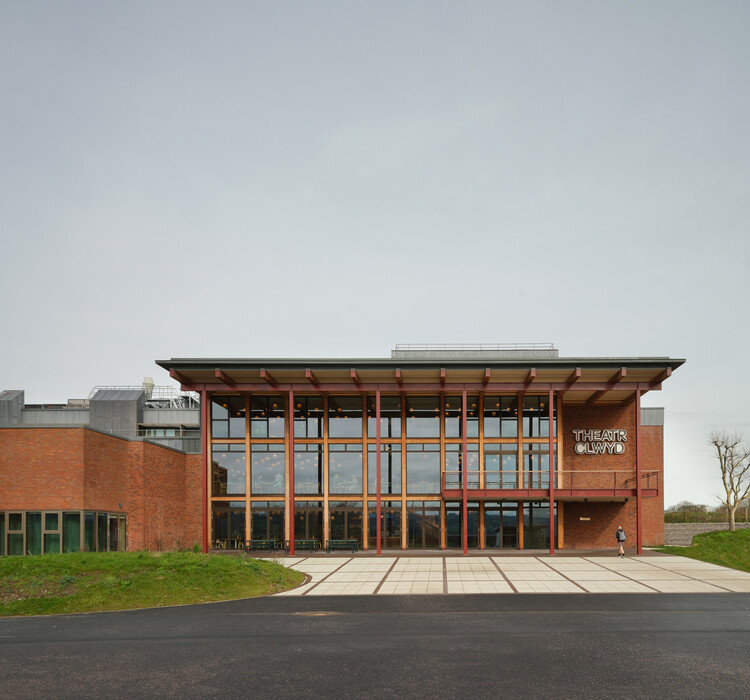
Architects: Haworth Tompkins
- Area: 980 m²
- Year: 2025
-
Professionals: Betts Associates, Skelly & Couch, Plann, HADA, OFR, +4
Theaters serve as cultural and social institutions, shaping society by providing spaces where stories of identity, race, and justice are brought to life. These venues foster community through shared, live experiences, sparking conversations that resonate beyond the stage. Architecturally, theaters are more than performance spaces—they are landmarks that embody both the history and future of the arts. Their design often reflects the cultural importance of storytelling, while their refurbishments ensure they remain relevant in a modern context.
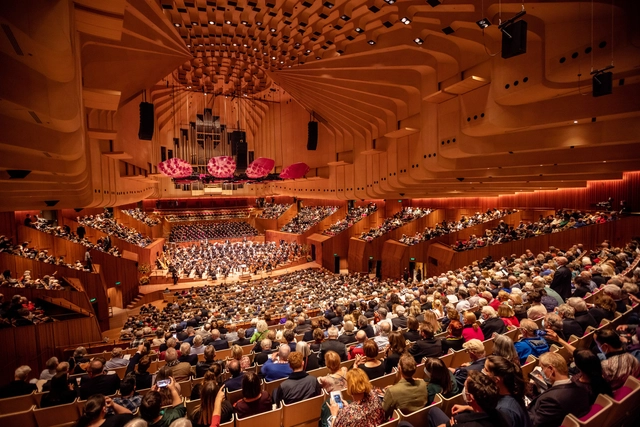
In this week's AD Interior Focus, ArchDaily explores how the refurbishment of iconic theaters like the Royal Opera House in London, United Kingdom, and Sydney Opera House in Australia goes beyond modernizing comfort and accessibility. It delves into how these projects preserve the architectural integrity of these historic landmarks, ensuring their design continues to serve as a backdrop for both artistic expression and social discourse.
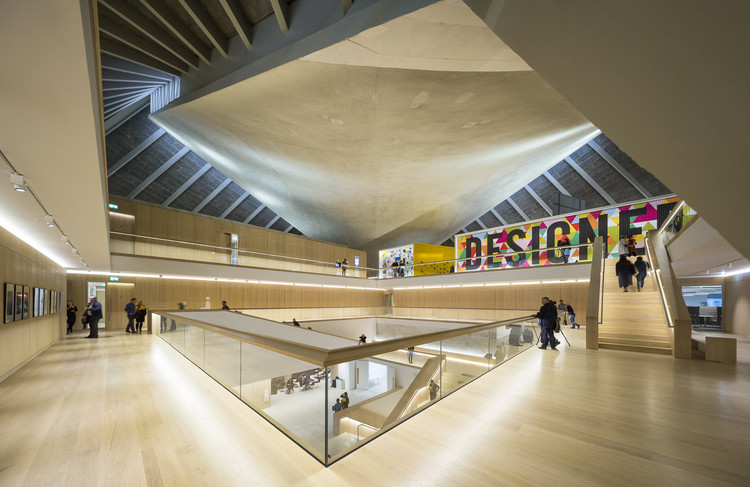
The Royal Institute of British Architects (RIBA) has announced the 20 winners of the 2025 RIBA National Awards, recognising the most significant contributions to architecture across the UK. Presented annually since 1966, the awards celebrate design excellence and provide a valuable snapshot of evolving architectural, cultural, and social trends. This year's winning projects span the length and breadth of the country, from the Isle of Wight to Scotland and Northern Ireland, and represent a wide range of typologies and scales, from major institutional buildings to small-scale residential and community-focused interventions.
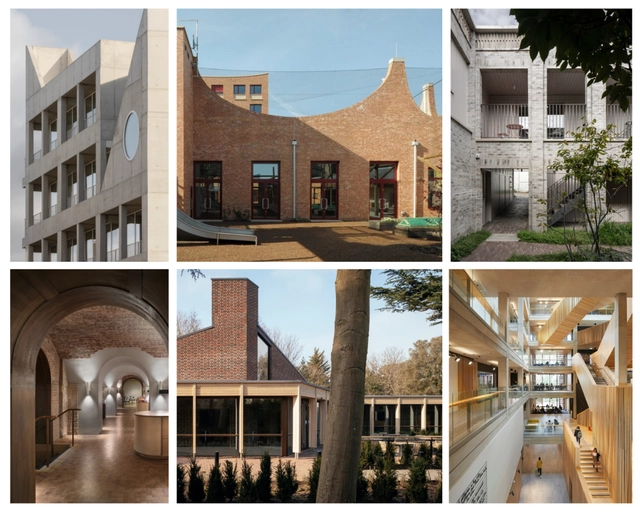
The Royal Institute of British Architects (RIBA) has announced the six projects selected for the shortlist of the 2023 RIBA Stirling Prize. The annual award is one of the United Kingdom's most prestigious recognitions in the field of architecture, judging projects on a range of criteria, including design vision, innovation, originality, and the capacity to engage and delight the occupants and visitors. Sustainability and accessibility are also crucial conditions for the selection. This edition’s shortlist includes projects by architects such as Apparata, Sergison Bates Architects, and Adam Khan Architects, featuring for the first time at the Stirling Awards Shortlist, as well as practices that have previously won, Witherford Watson Mann Architects and Feilden Clegg Bradley Studios.
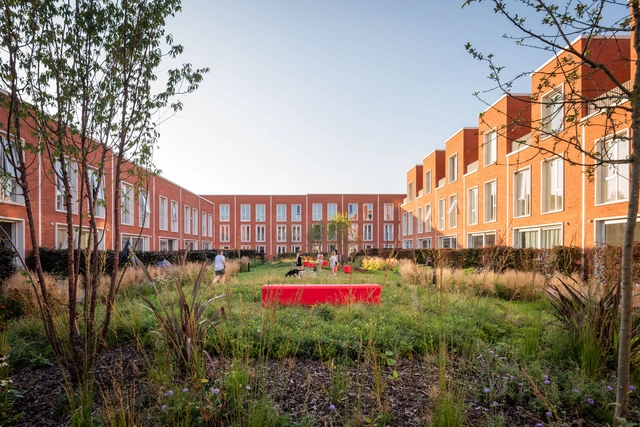
The Royal Institute of British Architects (RIBA) has announced the 30 winners of the 2023 RIBA National Awards for Architecture, providing an insight into the country’s architecture, design, and social trends. Among the key themes observed this year, the need to rebuild communities and to find sustainable ways of practicing stand out as the main concerns of the participant architects. The response to these themes is varied, ranging from buildings that aim to offer opportunities for collaboration for students to creating stimulating social spaces for the elderly or providing creative programs at a neighborhood scale. All the projects selected have been in use for at least one year and have provided data regarding their environmental performance. Examples of sustainable design include both new buildings, following the Passivhaus certification, and renovation of existing structures.
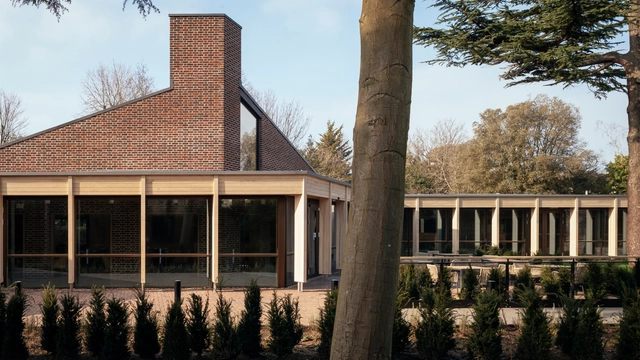
Every year since 1996, the Royal Institute of British Architects (RIBA) has hosted the RIBA London Awards to celebrate outstanding works of architecture from across the United Kingdom. This year, the list of winners includes 52 buildings ranging from a senior day-care center in Blackheath to a cultural hub in Greenwich and a subtle intervention in Hackney’s de Beauvoir conservation area. All RIBA London Awards winners will be considered for the RIBA National Award, scheduled to be announced on June 22nd.

The Royal Institute of British Architects has announced the 54 winners of the 2021 RIBA National Awards, highlighting the UK's best new architecture. Ranging from single homes and housing schemes to educational facilities, cultural buildings, sports venues and medical centres, this year's projects illustrate a growing preoccupation with restoration and adaptive reuse, as well as a significant investment in education and culture. Inaugurated in 1966, the awards provide insight into UK's architectural environment and the economic trends shaping the AEC industry.
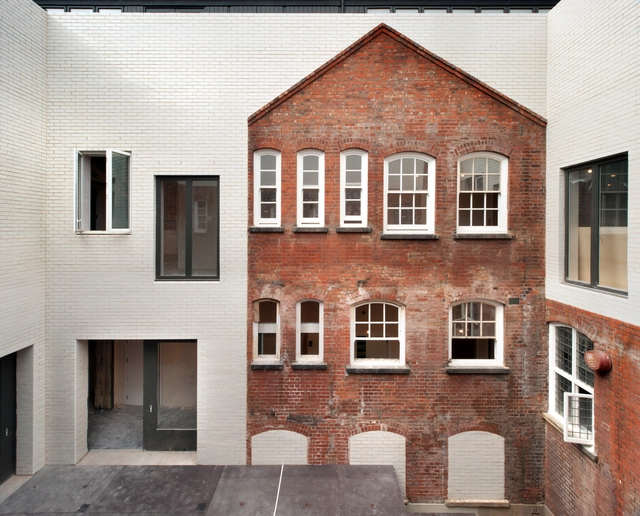
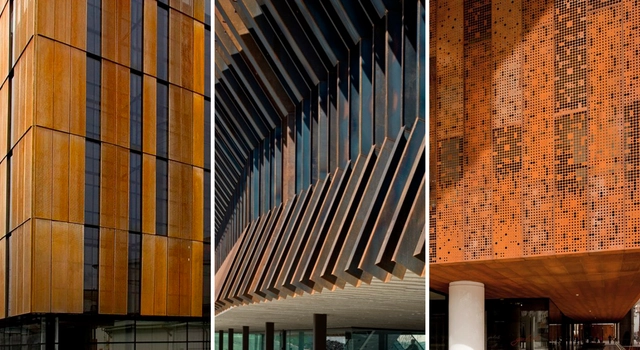
The characteristics of Corten steel has been respected by all architects, both for its strength and for its particular color. It corresponds to a type of steel manufactured with a chemical composition that provides an oxidation that protects the piece, practically without altering its mechanical characteristics. The architectural details of Corten steel present a diversity of situations and connections, not only the obvious constructive factor but it also gives an aesthetic value to any architectural project.
We have compiled this list of 6 eye-catching Corten steel construction details that stand out the most.
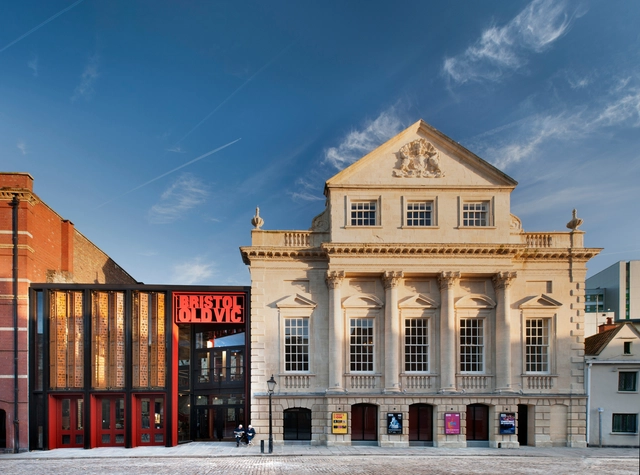
The Royal Institute of British Architects have announced fourteen buildings shortlisted from 48 entries for this year's RIBA South West Awards. The work includes six projects are by new and established practices based in the South West, as well as a series of new and reconfigured houses. All shortlisted buildings will be assessed by a regional jury with the winning buildings announced at an awards ceremony this May.
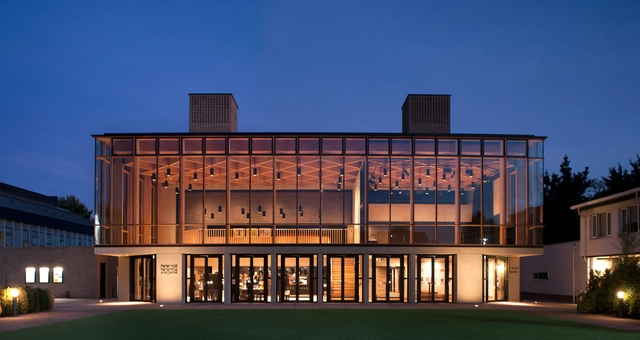
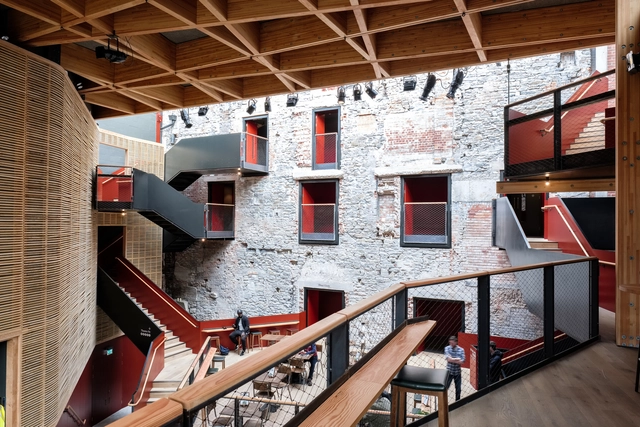

Red is everywhere. From stop signs to bricks and lipstick to wine, our constant use of the color in everyday objects has slowly taken over our subconscious. Red is a color that always blends with the context, telling us how to feel or what to think, but why are we attracted to it? Why did cavemen choose ochre-based paint to draw on their walls? Why do revolutions always seem to use red to stir support? Why do we parade celebrities down red carpets, when green or blue would surely do the same job? While the answers to these questions may be vague and indefinite, red’s use in architecture is almost always meticulously calculated.
.jpg?1500544085&format=webp&width=640&height=580)
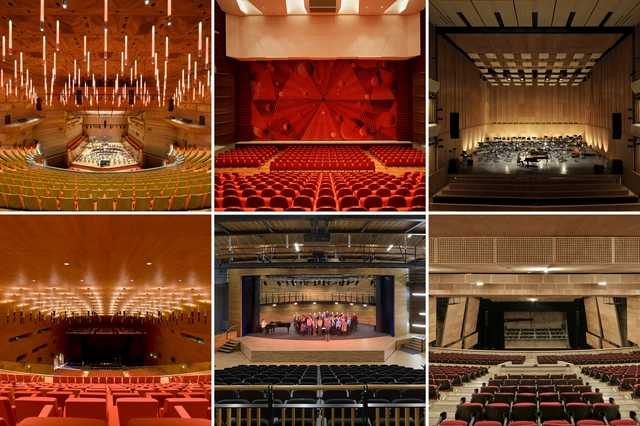
Seeing the space of an auditorium in section is a key tool in allowing us to approach a design's of acoustics, accessibility, and lighting. These components are what make the design of an auditorium a complex task, requiring detailed and specific studies.
There are a number of ways to design an auditorium that offers multiple responses to these challenges. For this reason, we have selected a number of sections from different auditoriums that can help you understand how other architects have solved the challenge.
Check out the 30 auditorium sections below, they are sure to inspire you!

Between March of 2013 and December of 2014, Simon Henley of London-based practice Henley Halebrown wrote a regular column for ArchDaily titled “London Calling,” covering architectural topics of note in the UK's capital. Now, Henley is returning to his column – but in the wake of 2016's shock political developments, his column is re-branding. Thus, here he presents the first of his column “Beyond London” – a look at architectural topics around the UK. Here, Henley presents his opinion on those political developments, and the role architects should play as the UK embarks on a new period in its history.
Post-Brexit, British architects need to think hard about the profession’s London-centric position. There has been a policy of inclusion of non-London architects on panels, their work in magazines and on awards shortlists, but this is not enough. It was quite clear on June 24th when the London design community awoke to the realization that Britain will leave the European Union, that a “Remain”-minded bubble had formed within the capital. The same may be true of the other large cities around the country which voted largely in favour of “Remain.”




.jpg?1528724681)
.jpg?1500543595&format=webp&width=230&height=230&crop=true)
.jpg?1500543840&format=webp&width=230&height=230&crop=true)
.jpg?1500543628&format=webp&width=230&height=230&crop=true)
.jpg?1500543809&format=webp&width=230&height=230&crop=true)
.jpg?1500544085)