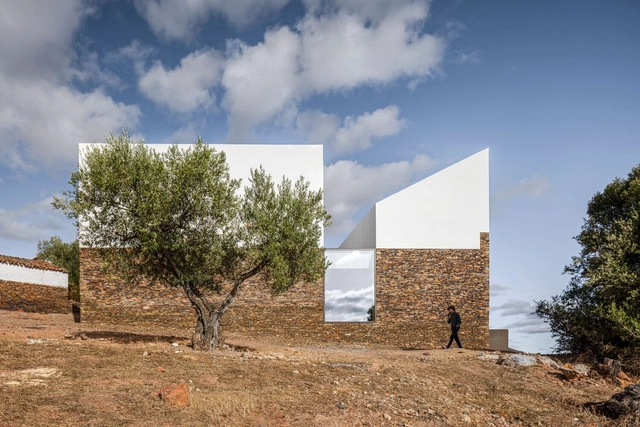
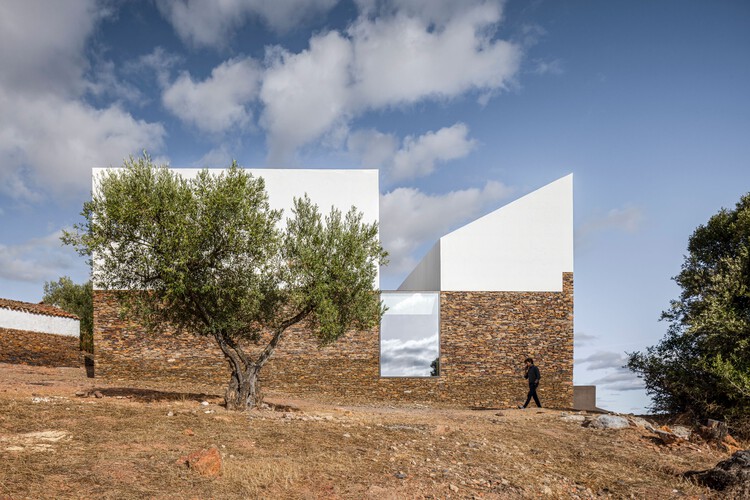
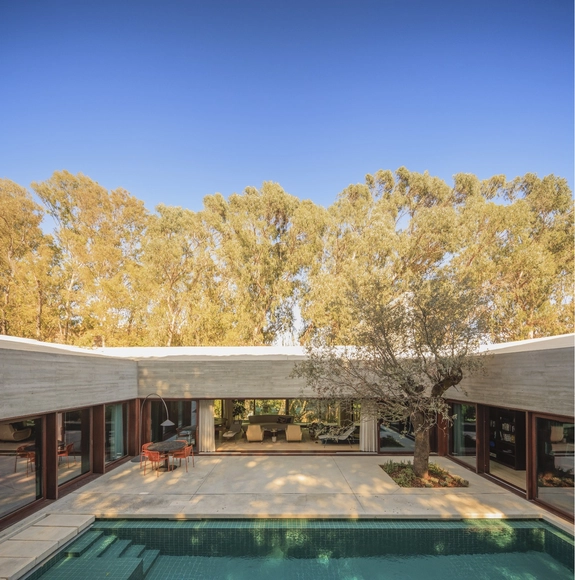
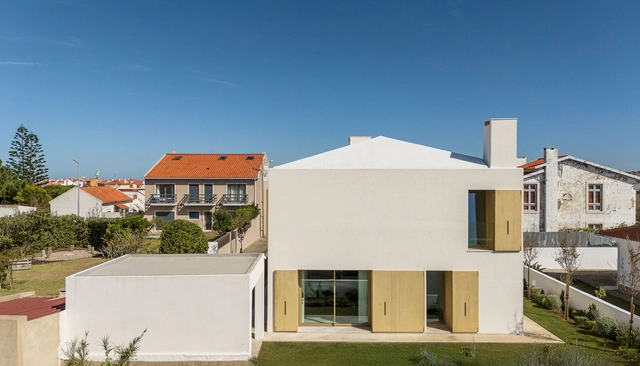
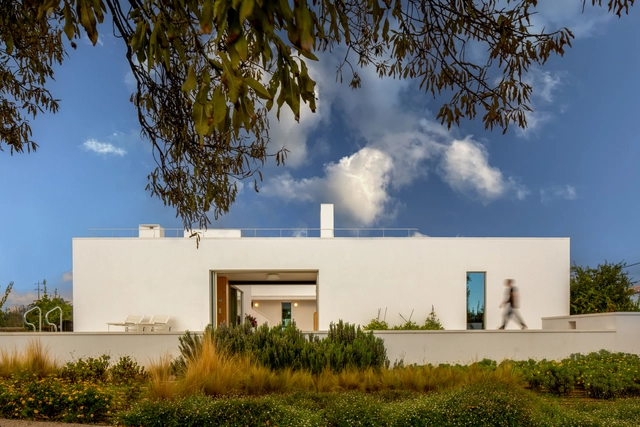
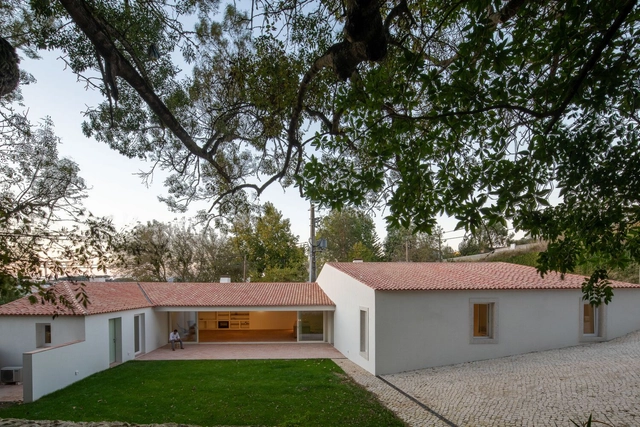
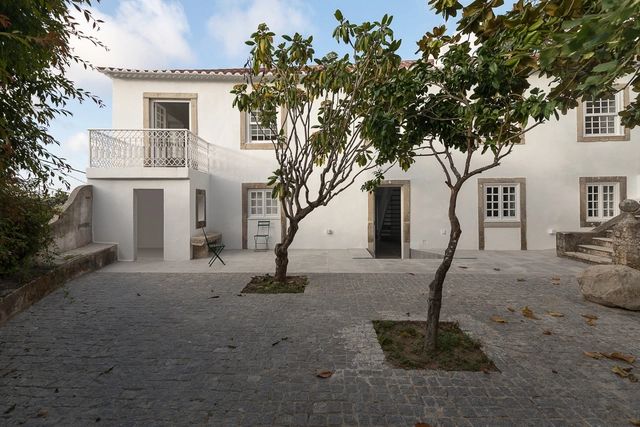
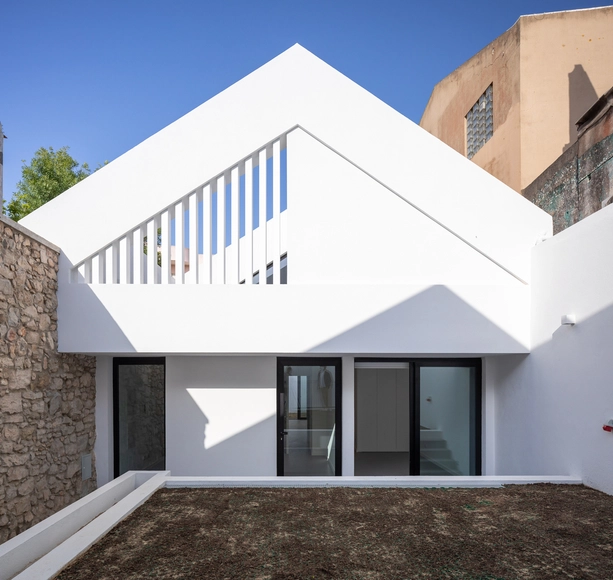
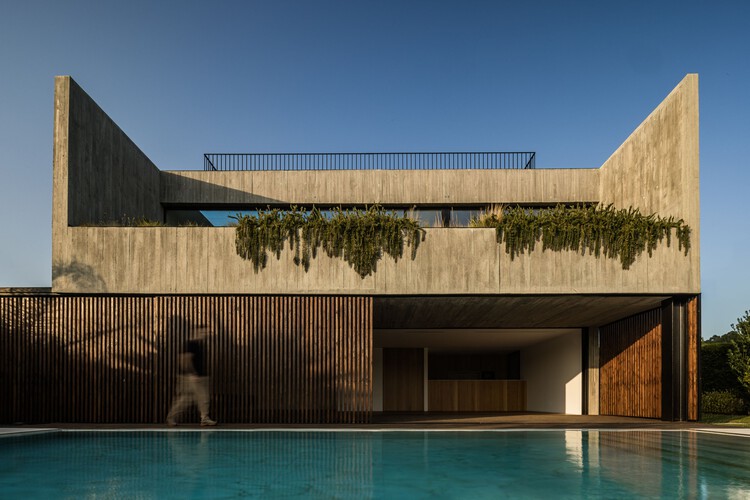
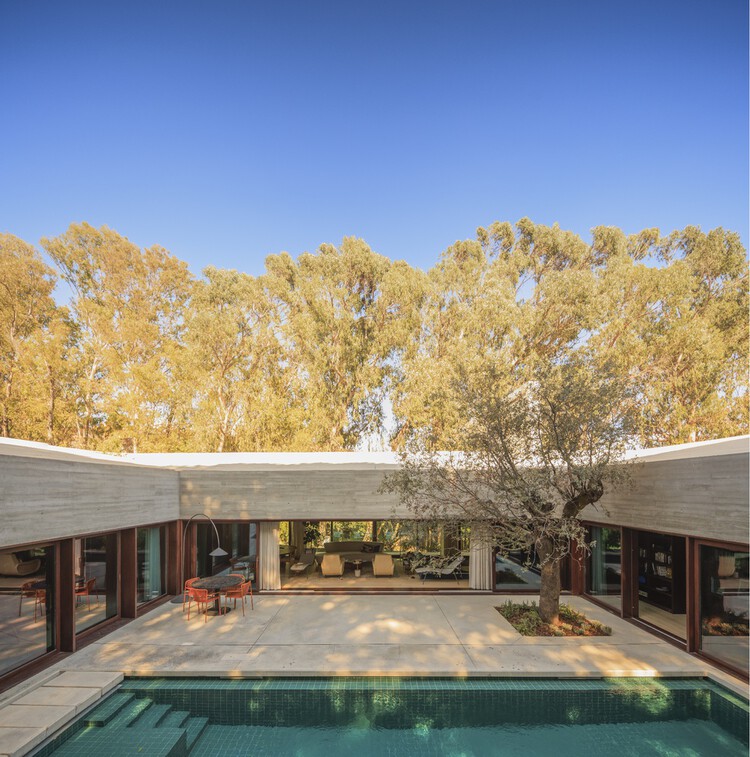
Patio houses embody one of the most enduring architectural typologies, encapsulating the duality of openness and seclusion while nurturing a profound connection with nature. While the term is also used in contemporary American real estate to describe low-maintenance, single-story dwellings on small lots, its classic architectural meaning refers to an introverted design organized around a private, central courtyard. It is this traditional form, the subject of this article, that traces its origins back thousands of years. Patio houses emerged independently in various regions, responding universally to fundamental human needs: privacy, climatic adaptability, and spatial coherence. Despite diverse geographic and cultural expressions, the core principles of introversion, controlled openness, and environmental sensitivity remain remarkably consistent throughout the evolution of this typology.
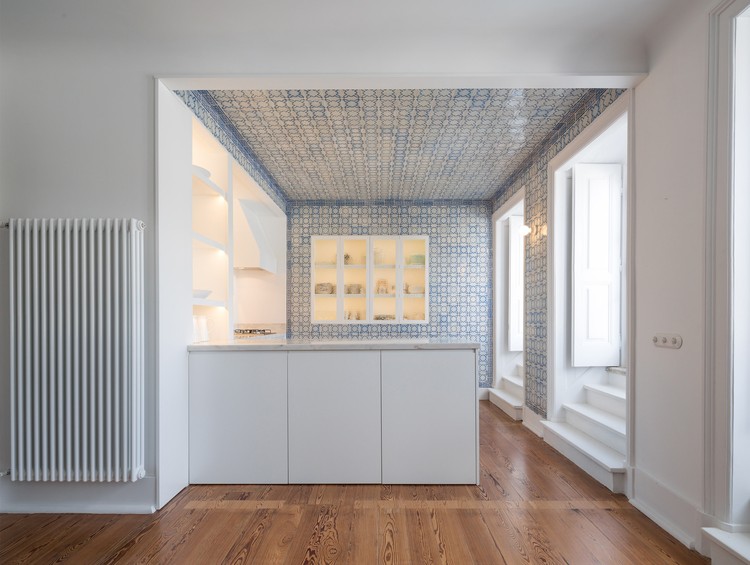
Architects are known for returning from travel with more photos of buildings than people and for having an esoteric vocabulary of their own. Of course, these are clichés that are not always true. But something that unites most designers is the tendency to pay attention to each detail that makes up a project, be it the material that covers the facade, the junction between different floors, how the doors open, the type of window frame, how the forms were put together for concreting, and more. But a detail that often goes unnoticed – and that makes a huge difference in interior design – is baseboards.