-
Architects: Hyde + Hyde Architects
- Area: 490 m²
- Year: 2021
-
Professionals: Acstro, Asbri Planning Limited, Melin Energy Consultants, CD Gray & Associates
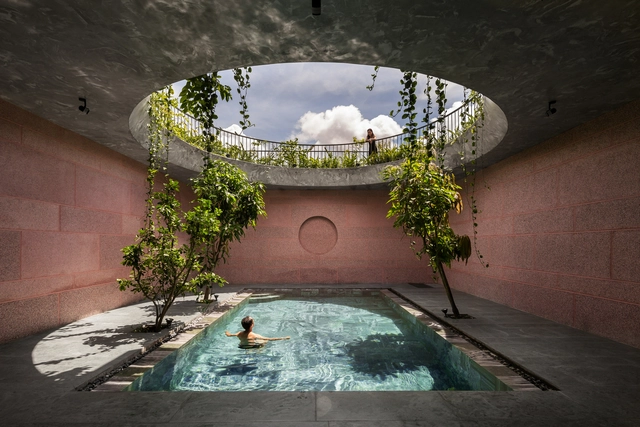
Designer pools bring status to luxury homes and five-star hospitality spaces. But adding the cooling, calming, energizing, and environmental benefits of a hyper-local water body to a residence can far outweigh the cost of installation. With a range of long- and short-term landscaping options possible, meanwhile, luxury is available, whatever the budget.
Most pools are built below ground to retain unobstructed visuals above. While all in-ground pools start off the same way – with excavation, then connecting the plumbing and filtration systems – the main difference is in the construction of the pool’s basin. The simplest and quickest method is to lower a pre-fabricated reinforced plastic pool or pre-cast concrete basin into the cavity, before connecting the pipework and backfilling the recess with sand. But this is only suitable for off-the-shelf pools with simple geometries. In order to make the most efficient use of all available space, bespoke pool shapes and sizes are best achieved by pouring or spraying concrete into a rebar or timber frame.
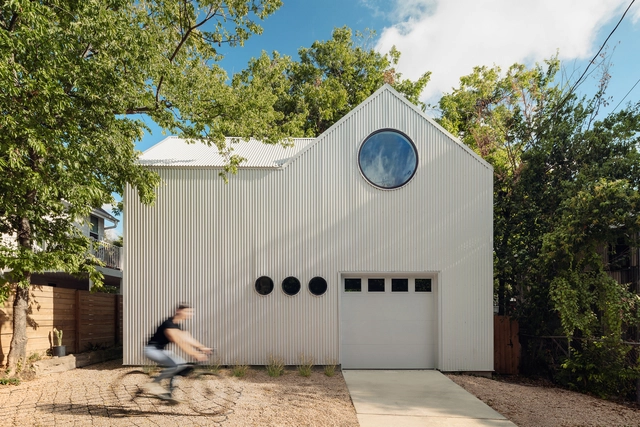
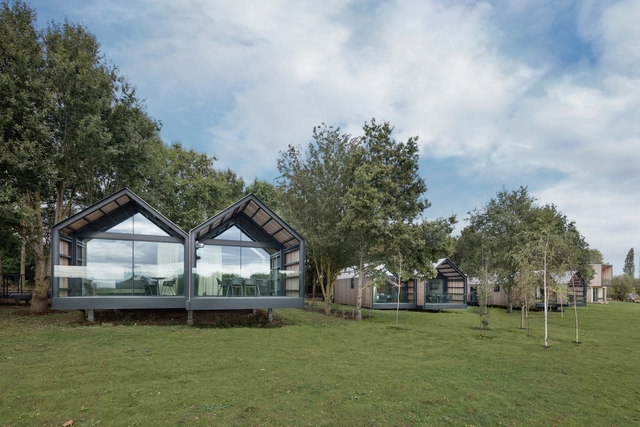
Contemporary family living setups mean parents and grandparents in need of care, teenagers and young adults in need of independence, and homeowners in need of the financial security of a guaranteed passive income are all finding themselves in the same situation, and under the same roof. With little extra space to move into, and few options in an increasingly squeezed housing market to move out to, the simple solution is just to add another roof.
For those in the market for more functional floorspace, detached single-story ADUs (accessory dwelling units) are a simple way to boost a home’s usability fast, while avoiding the regulatory wranglings inherent in more complex structural adaptations.
The FIFA World Cup is one of the world's largest events, bringing together fans of all nationalities. Having previously been hosted across various continents, this year's tournament will take place in Qatar, a country on the Arabian Peninsula with a population of about 2.7 million people, the majority of whom are Muslim. Alongside the host nation, 31 other countries will compete for the title of world champion.
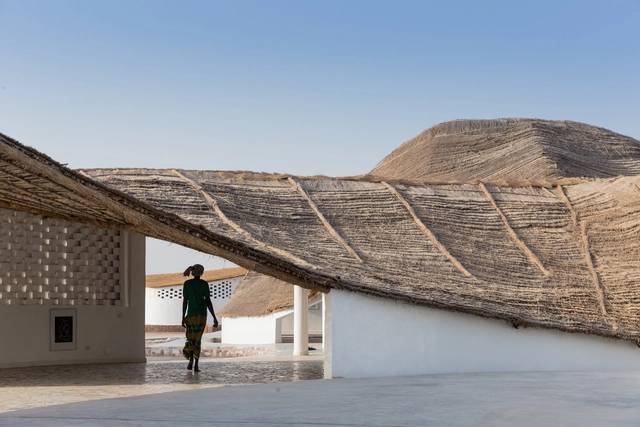
Beyond its status as a sporting event, the World Cup is also an opportunity to observe, learn about, and experience other cultures—especially for the host country. Divided into eight different groups, the first to play, from Groups A and B, will be Qatar, Ecuador, England, Iran, Senegal, the Netherlands, the United States, and Wales. Below, explore some examples of architecture from these countries.
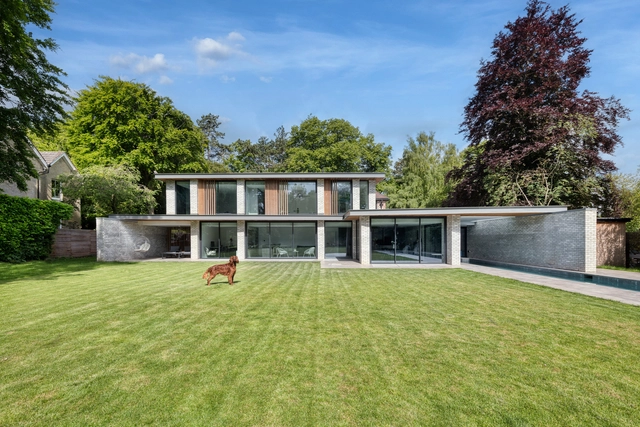


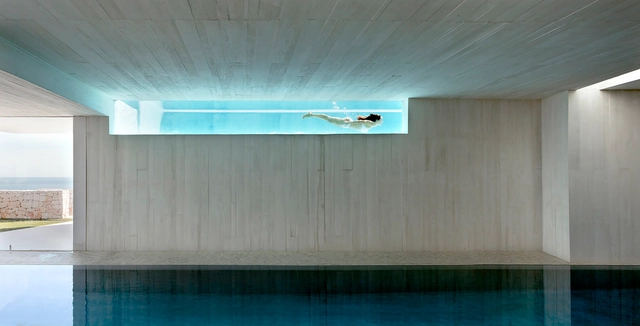
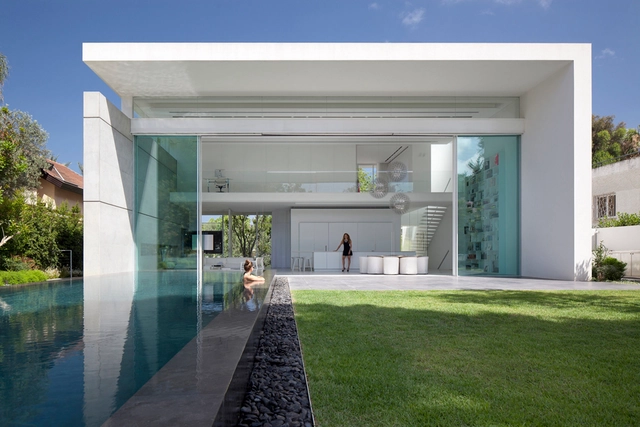
What's better than a house with a pool? A house with a pool that's part of the structure of the house. These projects show different ways to incorporate pools and how to resolve issues of weight, moisture and leaks. See the houses below, featuring photos by photographers like Mariela Apollonio, Kent Soh y Marcello Mariana.

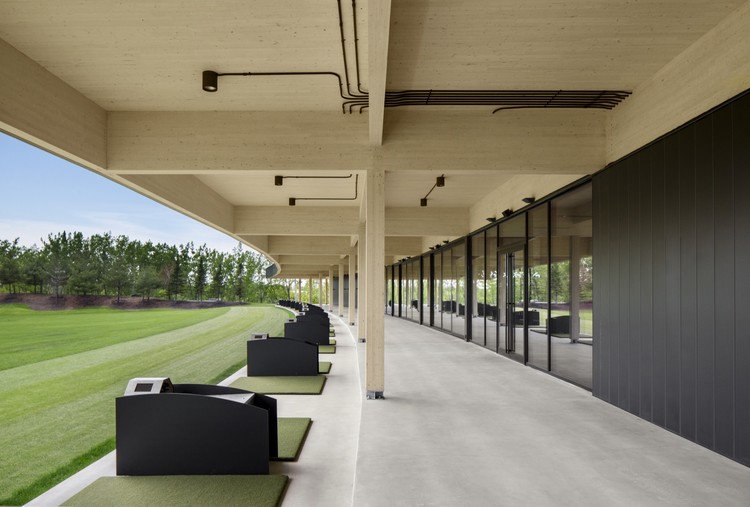
The architecture of golf is directly tied to the landscape. As one of the few sports with no standardized playing area, its clubhouses and structures are usually unique to each course. Prioritizing views and access, golf architecture tends to be exclusive, especially when many courses are not open to the public. Clubhouses make room for players and spectators to gather and socialize while they overlook the course from multiple angles.

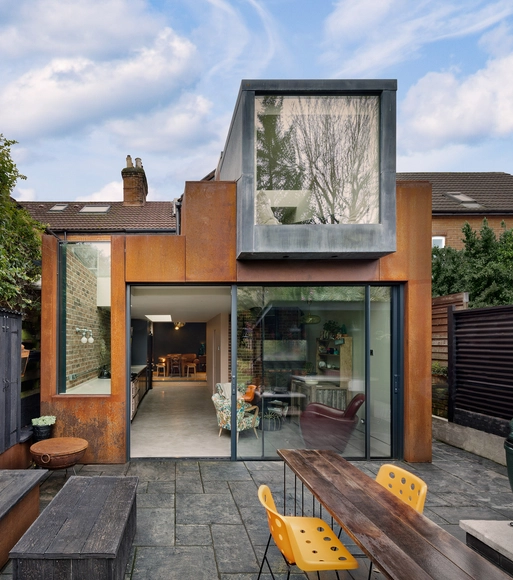

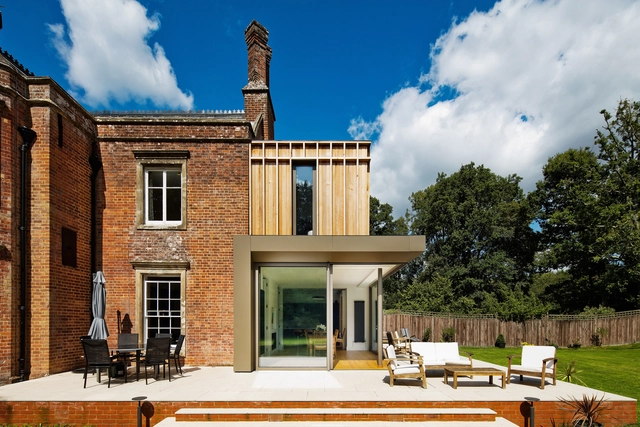
With a clean and elegant appearance, sliding doors improve the lighting and ventilation of a space.
They also provide several advantages when it comes to design: they frame stunning views and emphasize nature. On the other hand, when using them as an enclosure it is possible to generate a greater fluidity between the interior and exterior spaces, creating an illusion of a larger space.
If you are looking for ideas on how to incorporate sliding doors into your project, keep reading on for 23 impressive examples.
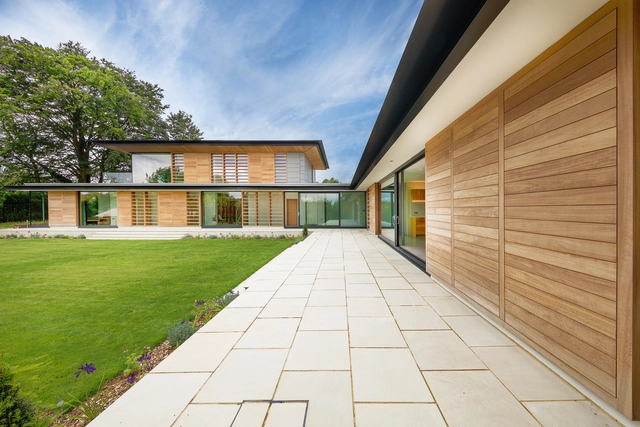

Cantilevers, structures that protrude from a building without the need for supports, are highly popular not only for their dramatic aesthetic effect, but also for the demonstration of technical mastery involved in their development. But we rarely see cantilevers in housing. For this reason, in this installment of our Photos of the Week, we have made a selection of 11 houses that seem to defy the physical laws of construction. Keep reading to see photos of renowned photographers such as Cécile Septet, Ema Peter, and Juan Solano.