-
Architects: ASMD Taller Arquitectura
- Area: 110 m²
- Year: 2025
-
Manufacturers: Kimikolor, Mosaicos La Peninsular

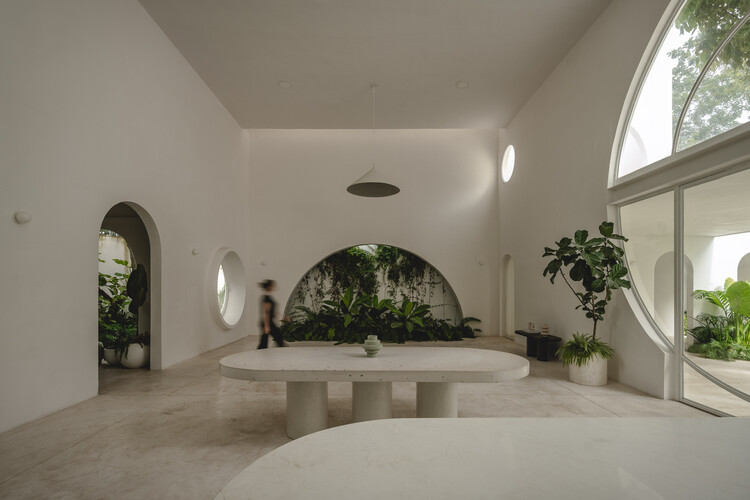
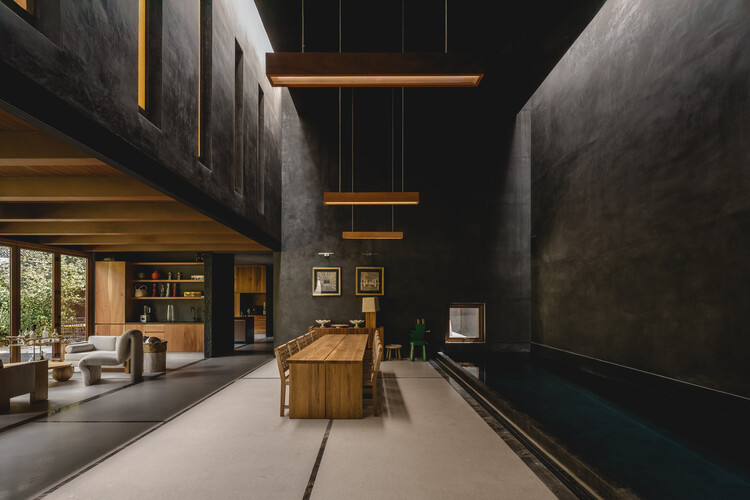
What defines the atmosphere of a home? Beyond material palettes and natural light, sound plays a defining role in how spaces are perceived and inhabited. The reverberation of footsteps across stone, the muted calm of a textile-lined room, or the way music carries through an open-plan interior all shape the sensory identity of domestic space. Architecture is experienced not only visually, but acoustically.
The concept of the "soundscape" describes this relationship between people, sound, and the built environment. In residential architecture, sound is more than background noise or technical performance; it influences privacy, concentration, rest, and emotional comfort. Geometry and materiality act as the primary acoustic conductors: while concrete, glass, and stone reflect and amplify, timber and upholstery soften and absorb. Ceiling heights, circulation paths, and room proportions further shape how sound travels and settles across a space.


Over the last two weeks, the ArchDaily en Español community submitted more than 17,000 nominations, yielding 15 finalists that represent some of the most emblematic architectural works of the past year. Decided by its community, the 2026 Building of the Year Award—the most significant architecture prize in the Spanish-speaking world—exists to recognize the best of architecture across Spanish-speaking countries.
These 15 finalists, chosen by public vote in this 17th edition, showcase the breadth of recent Ibero-American production while highlighting shared shifts in contemporary practice: an architecture that prioritizes clear construction choices, operates within real-world constraints, and understands design as a way of adapting to specific contexts.

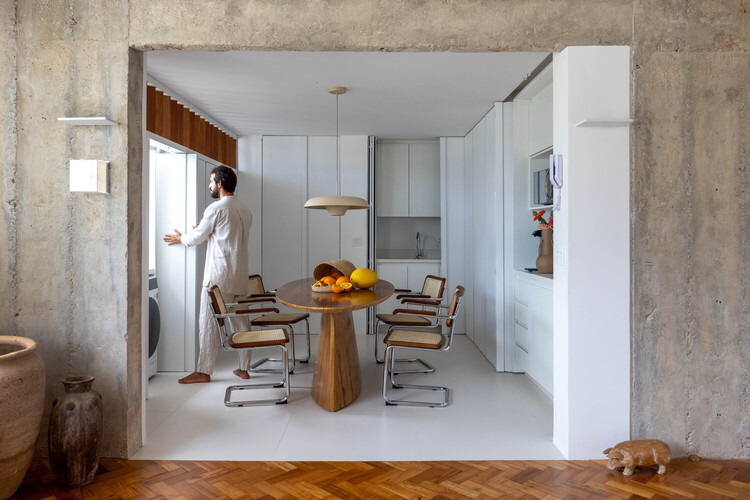
Across Latin America, renovation has become less about preservation alone and more about responding to changing ways of living. Rather than freezing buildings in time, many contemporary projects work with existing structures to adapt them to new domestic routines, social dynamics, and spatial needs. Through strategic changes in materials, composition, color, and light, these interventions reinterpret everyday spaces while maintaining a strong connection to their original context.
In this process, houses and apartments become sites of transformation where flow, continuity, and shared spaces are carefully reconsidered. Renovation operates as a precise architectural tool, one that prioritizes natural light, openness, and flexibility to support daily life as it evolves. Instead of imposing new forms, these projects repurpose what is already there, aligning spatial decisions with the habits and rituals of those who inhabit them.
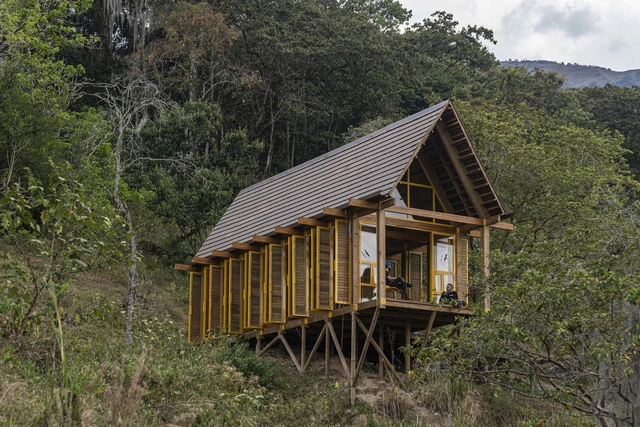
Each year, the ArchDaily Curatorial team reviews the projects that resonated most with our readers, identifying the architectural trends and design approaches that captured the greatest attention throughout the year. Across our local sites – ArchDaily Brasil and ArchDaily en Español – residential architecture remains the most popular category, with projects built in Latin America standing out year after year.
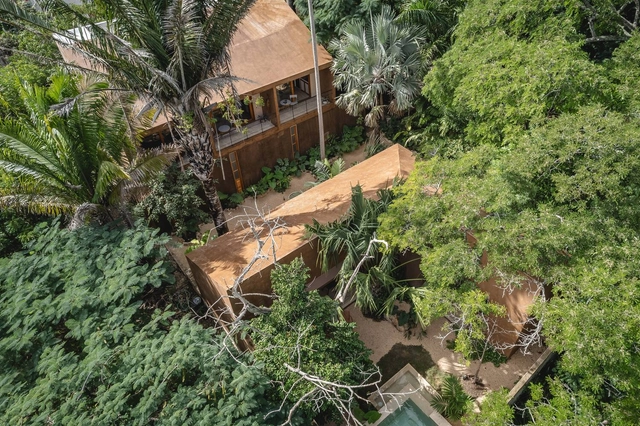
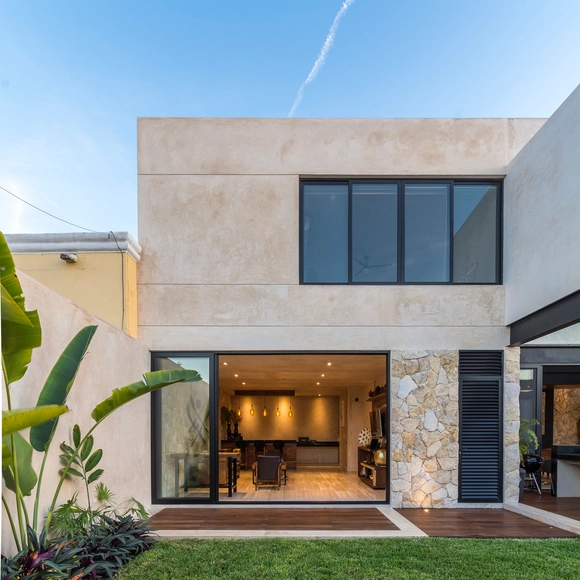
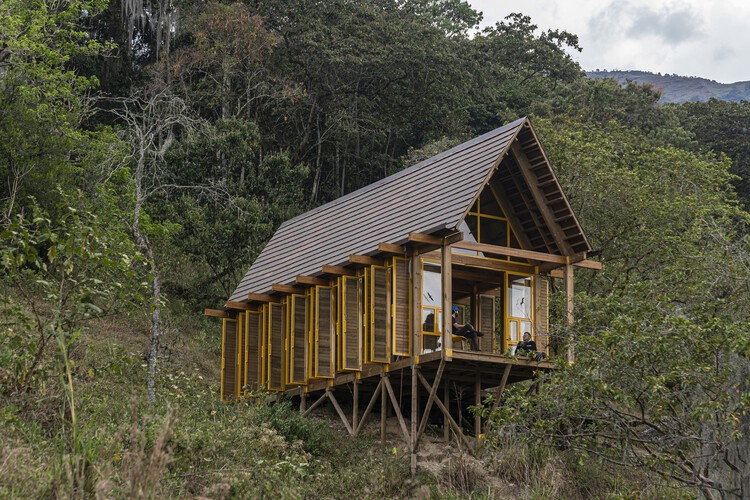
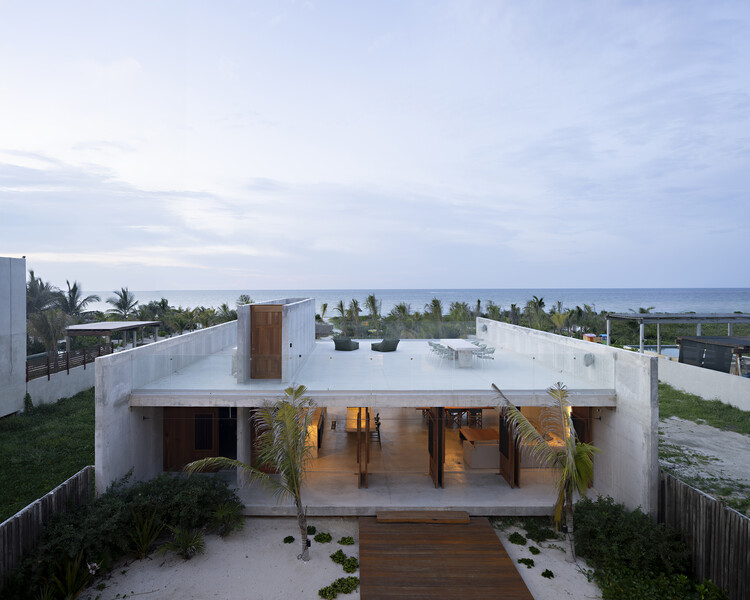
This year's selection of Best Latin American Houses brings together both renovations and ground-up projects, covering reinterpretations of local construction techniques and innovative architectural responses. The works are set in a wide range of contexts, from dense urban environments to rural and coastal landscapes.
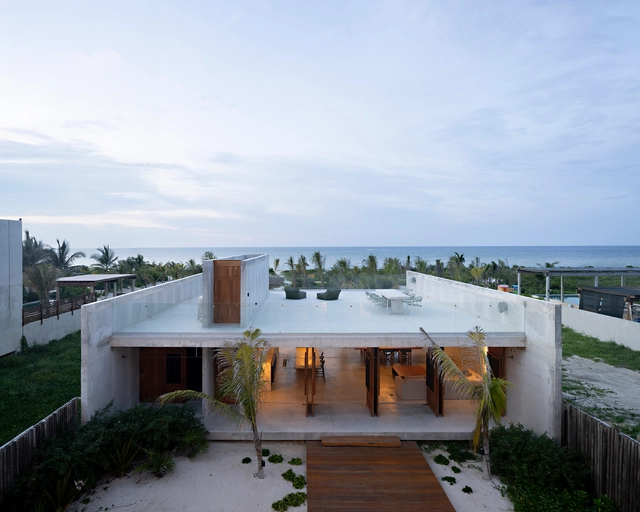
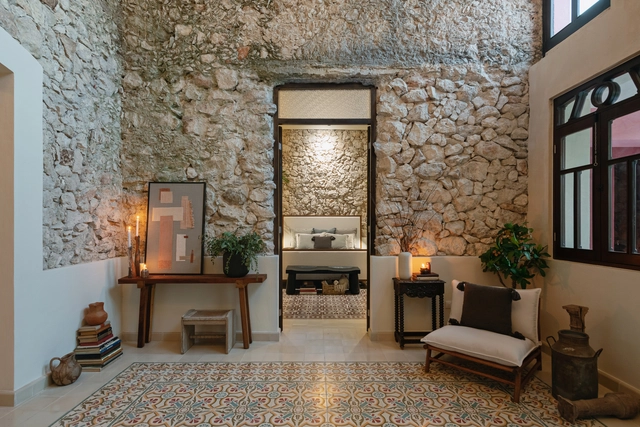
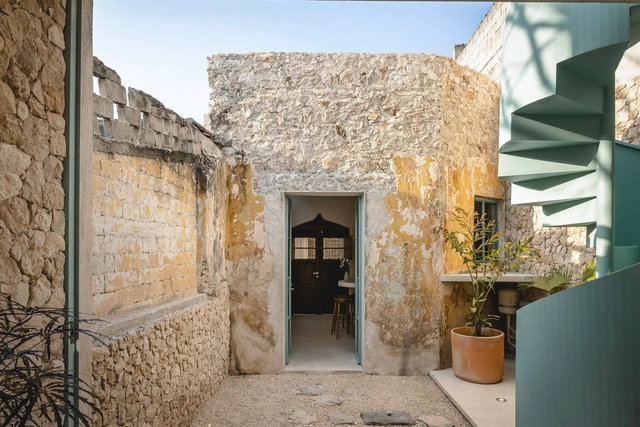
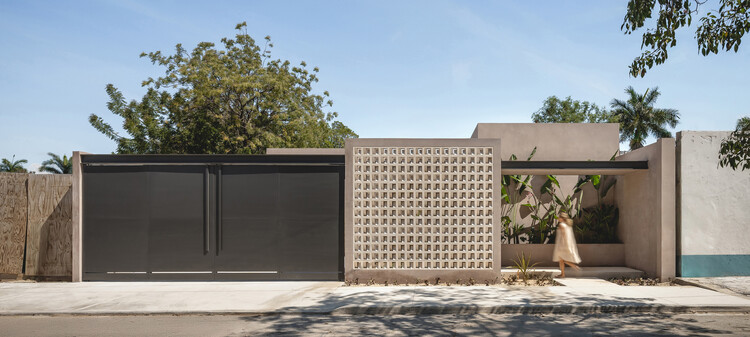
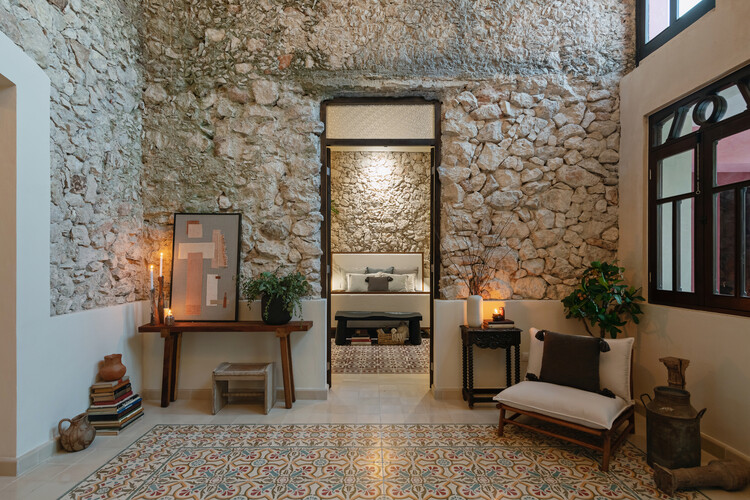
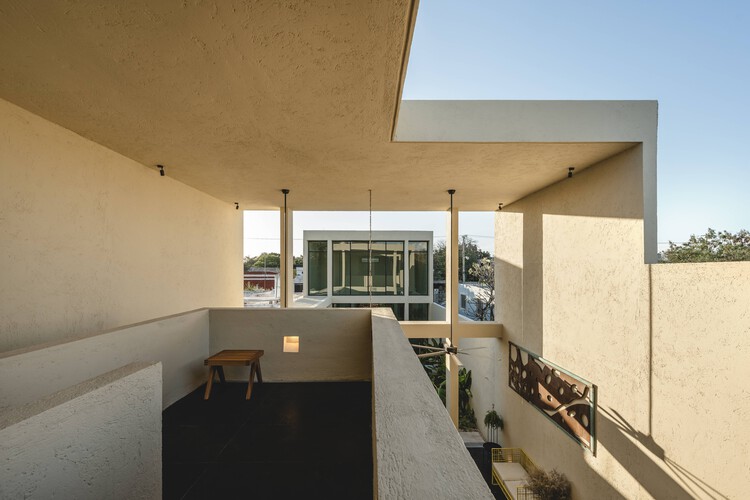
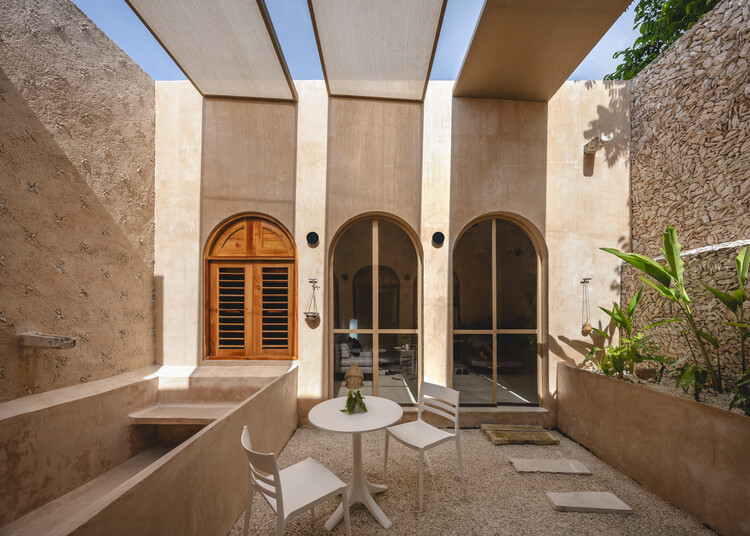
In the pursuit of connecting with the architectural traditions of cities and integrating their natural environments into design projects, the contemporary reinterpretation of colonial homes in Mexico faces the challenge of enhancing the contrast between the old and the new. Through the conservation of historical elements, the reuse of materials, and the fusion with contemporary design, the architecture of Mérida recognizes in its original colonial configuration new opportunities to create spaces in line with today’s demands. From achieving a direct connection with nature to naturally lighting and ventilating interior spaces, numerous ancient constructions, whether in ruins or not, choose to highlight their architecture by giving them a new life.