
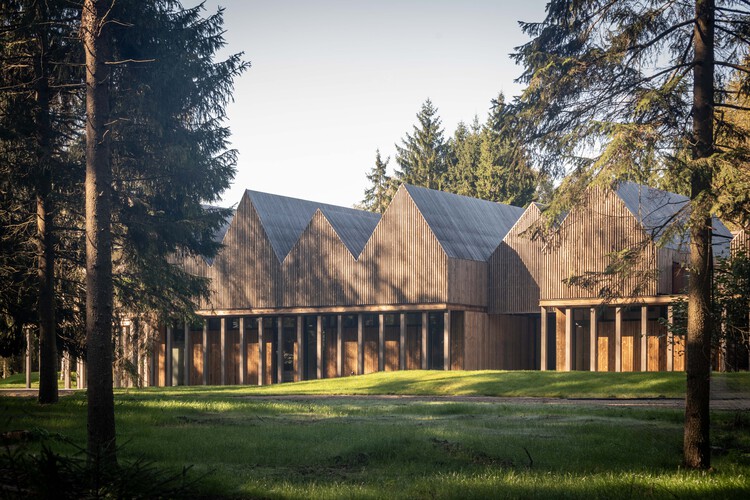
Sanctum Retreat / arches


https://www.archdaily.com/1042957/sanctum-retreat-archesNina Vuga
EUmies Awards 2026 Unveil 410 Nominated Works and the Jury Led by Smiljan Radić
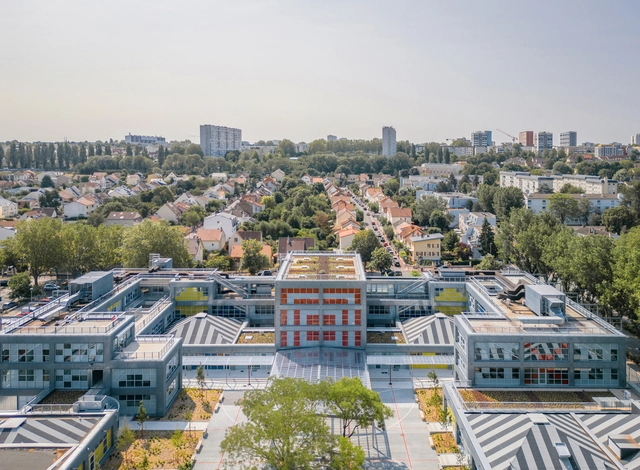
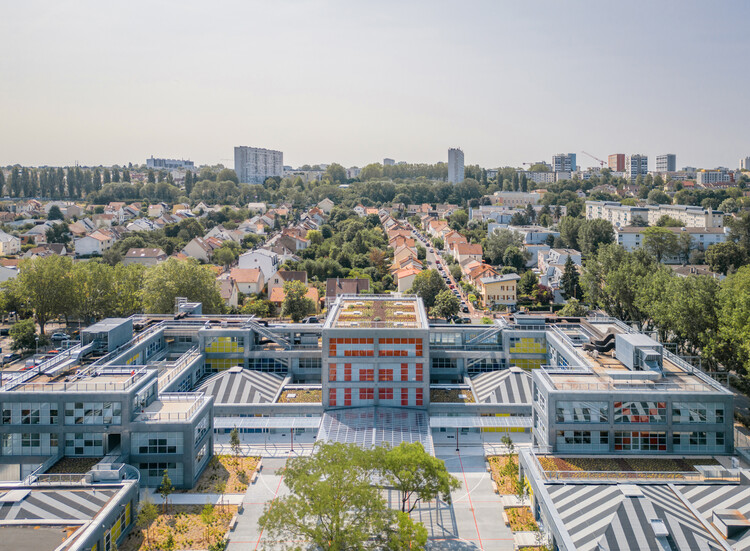
The EUmies Awards are organized annually by the Fundació Mies van der Rohe and the European Commission, with the support of the European Union's Creative Europe Programme. Based on the principle that "architecture is not merely a technical or aesthetic matter, but a cultural, environmental, and democratic issue," this 19th cycle of the Prize brings together 410 works from 40 countries and 143 regions across Europe. Beyond recognizing contemporary architecture projects, the Awards also aim to reflect European values such as cultural diversity, sustainability, democracy, and solidarity. This year, most nominated works (23%) are residential projects, including both collective and single-family housing, followed by cultural (13%) and educational (12%) programs. The selection shows a balance between transformations of existing buildings (44%) and new construction (56%), while 12% of the nominees are transnational works and 33% of the studios are 10 years old or younger, underscoring the growing visibility of emerging practices.


https://www.archdaily.com/1035751/eumies-awards-2026-unveil-410-nominated-works-and-the-jury-led-by-smiljan-radicAntonia Piñeiro
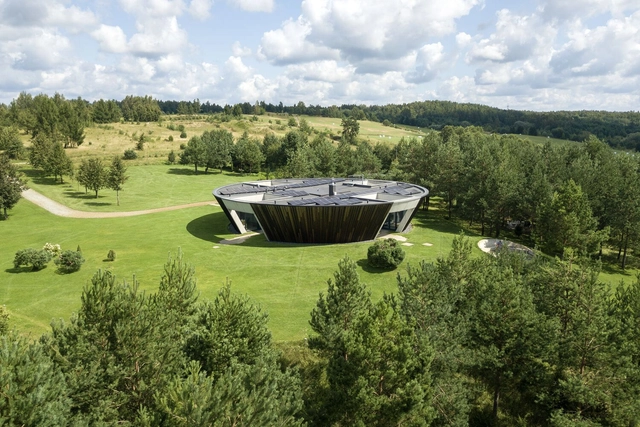
Villa O / YCL studio


-
Architects: YCL studio
- Area: 237 m²
- Year: 2024
-
Manufacturers: Brolis Timber, UAB, Doleta, UAB
https://www.archdaily.com/1031177/villa-o-ycl-studioValeria Silva
Curonians Houses / Devyni Architektai
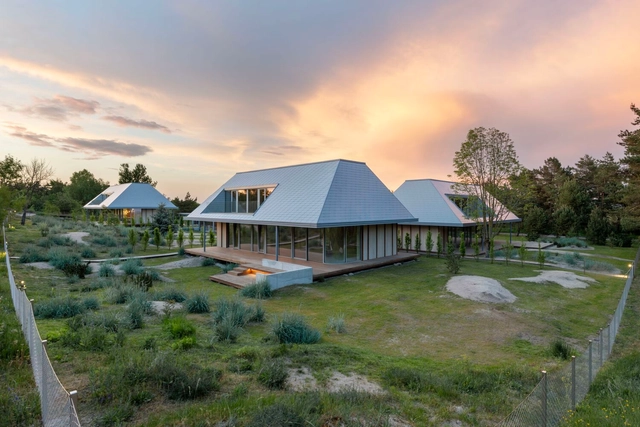


-
Architects: Devyni Architektai
- Area: 165 m²
- Year: 2023
-
Manufacturers: Axor, B&B Italia, Budhouse, Cedral, Laminam, +2
https://www.archdaily.com/1018218/curonians-houses-devyni-architektaiHadir Al Koshta
Twin House / ArchLAB studio
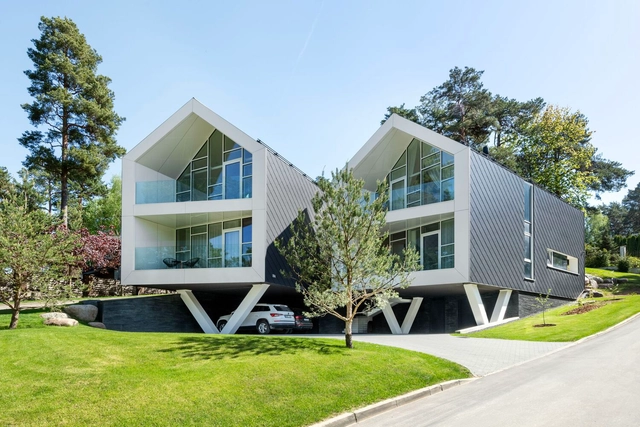


-
Architects: ArchLAB studio
- Area: 281 m²
- Year: 2024
-
Manufacturers: Cedral, Reynaers Aluminium
https://www.archdaily.com/1017510/twin-house-archlab-studioHadir Al Koshta
Family House in Druskininkai / Laurynas Žakevičius Architects
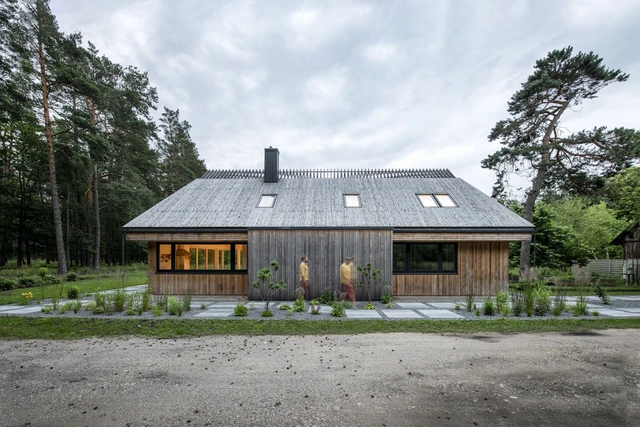


-
Architects: Laurynas Žakevičius Architects
- Area: 170 m²
- Year: 2019
https://www.archdaily.com/1009986/family-house-in-druskininkai-laurynas-zakevicius-architectsAndreas Luco
Indoor-Outdoor Homes in Lithuania: 20 Projects with Oversized Windows that Invite Nature

Lithuania's architectural narrative is a mosaic of diverse influences and styles, representing its historical evolution, cultural heritage, and resilience through changing times. Despite a focus on traditional craftsmanship, functional minimalism, and sustainable materials, the country's design language has been profoundly influenced by its geopolitical position and historical events, resulting in a blend of styles from different periods. A key factor that cuts across all expressions, however, is Lithuanian architecture's seamless connection with its natural surroundings.


https://www.archdaily.com/1009749/indoor-outdoor-homes-in-lithuania-20-projects-with-oversized-windows-that-invite-natureClaire Brodka
Seaside Garden House in Palanga / Laurynas Žakevičius Architects
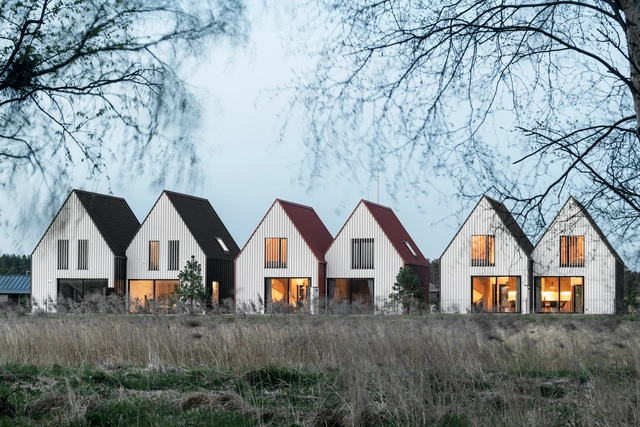


-
Architects: Laurynas Žakevičius Architects
- Area: 430 m²
- Year: 2022
-
Manufacturers: Louis Poulsen, Reynaers Aluminium, Arkoslight, DuPont, GUBI, +2
https://www.archdaily.com/998089/seaside-garden-house-in-palanga-laurynas-zakevicius-architectsThuto Vilakazi
Residential House in Klaipėda / Architectural Bureau G.Natkevicius & Partners
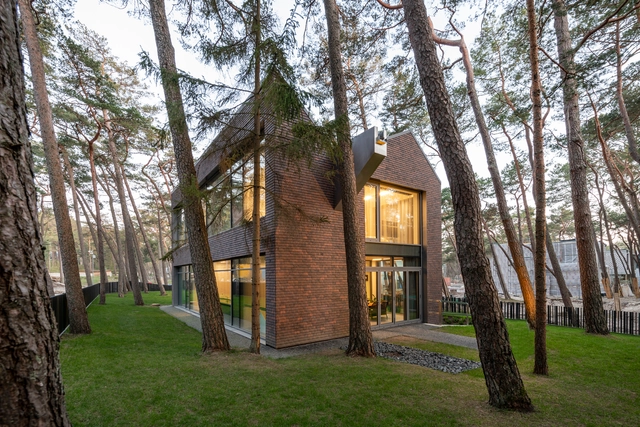


-
Architects: Architectural Bureau G.Natkevicius & Partners
- Area: 291 m²
- Year: 2021
https://www.archdaily.com/997589/residential-house-in-klaipeda-architectural-bureau-gnatkevicius-and-partnersValeria Silva
Ideas to transform your bedroom with just a few elements
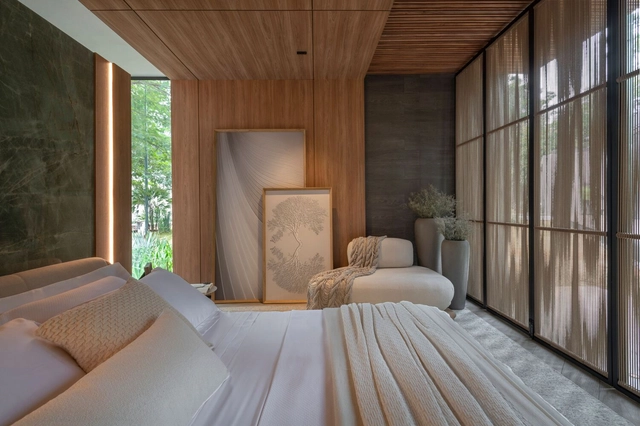
The bedroom is one of the most intimate spaces in a home. It is where we rest and escape our daily routines to recharge. Many view the bedroom as a sanctuary, a sacred space of intimacy and care. Beyond a comfortable bed, the room can be styled with elements that foster rest, leisure, and retreat.
While comfort is highly subjective, general design principles can help guide your decisions to create the best possible bedroom layout. Beyond large windows with breathtaking views, you can transform a bedroom simply by changing the layout and the type of bed, adding decorative or functional objects, or even incorporating other zones, such as a home office or a TV area. Below, we explore some ideas on how to transform and style your bedroom.


https://www.archdaily.com/1131976/ideas-to-transform-your-bedroom-with-just-a-few-elementsGiovana Martino
Lithuanian Man Cave / Devyni Architektai
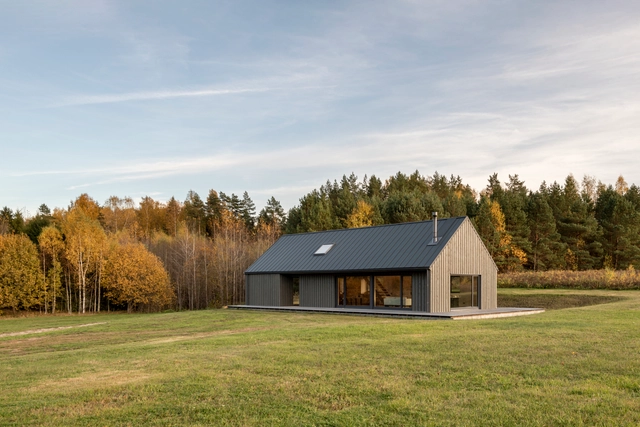


https://www.archdaily.com/995156/lithuanian-man-cave-devyni-architektaiPilar Caballero
Villa The Lake / Devyni Architektai
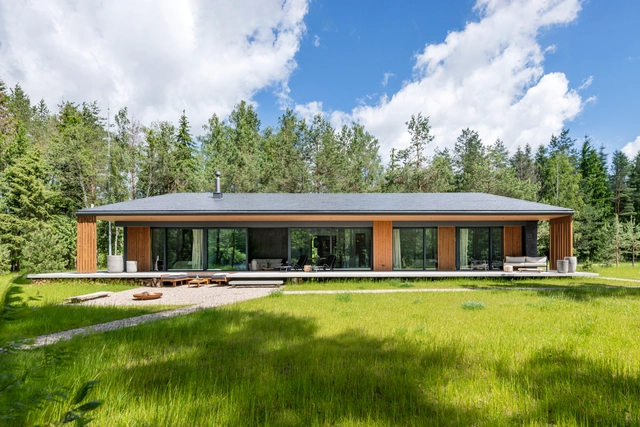


-
Architects: Devyni Architektai
- Area: 145 m²
- Year: 2021
-
Manufacturers: Reynaers Aluminium, Ruukki, Steico
https://www.archdaily.com/992234/villa-the-lake-devyni-architektaiValentina Díaz
Meadow House / ArchLAB studio
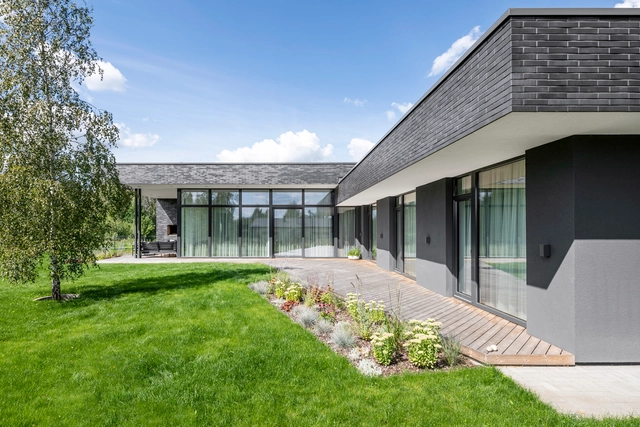


https://www.archdaily.com/931685/meadow-house-archlab-studioPaula Pintos
How To Calculate How Much Wallpaper You Need

Once the construction of an architecture project is finished, it's time to install the claddings that will make up the visible faces of the interior spaces. Wallpaper –an efficient way to bring color and design into rooms – is generally specified according to the square meters we want to cover, so we must start by calculating the area of each surface with great precision.
This task can be easy on clear walls with standard dimensions, but it can generate mishaps or unnecessary expenses in more complex designs. We present some tips to make an estimate as accurate and efficient as possible.
.jpg?1565290135&format=webp&width=230&height=230&crop=true)


https://www.archdaily.com/922896/how-to-calculate-wallcovering-quantityMaterials
OAK House / A3D
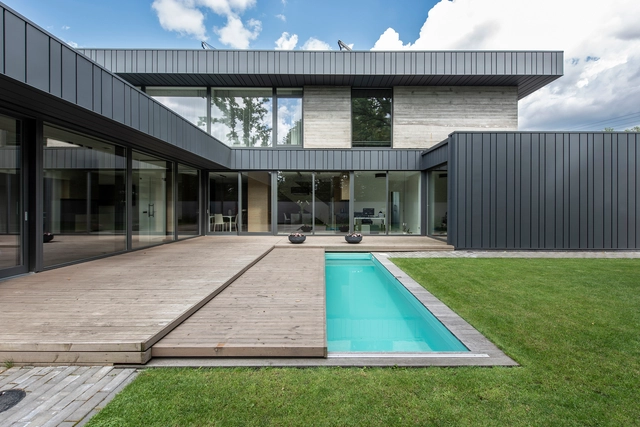


-
Architects: A3D
- Area: 307 m²
- Year: 2017
-
Manufacturers: Atlas Concorde, Dornbracht, Duravit, Ruukki, Delta Light, +1
https://www.archdaily.com/921362/oak-house-a3dDaniel Tapia
Minimalistic Industrial Loft / IDwhite
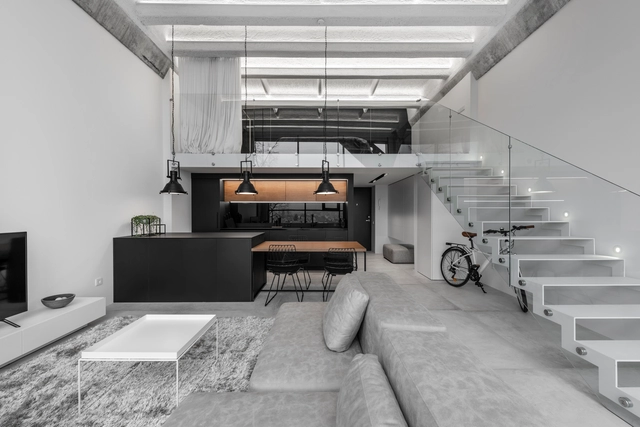


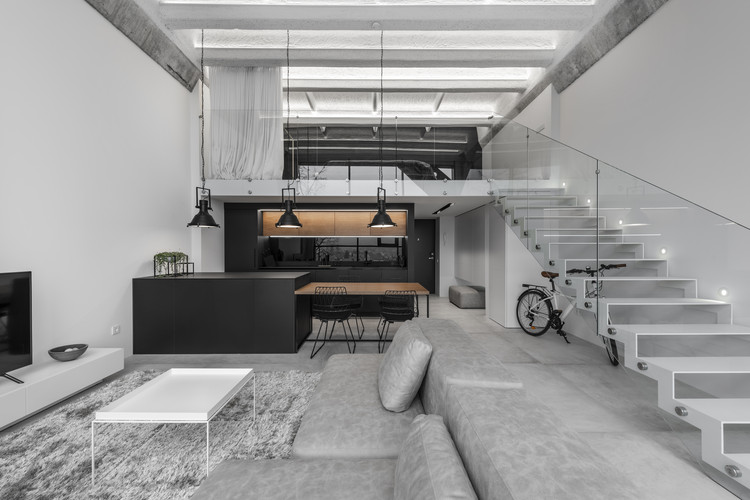
-
Architects: IDwhite
- Area: 64 m²
- Year: 2018
-
Manufacturers: Atlas Concorde, Bosch, E-durys, IDDO, Lageras, +1
https://www.archdaily.com/907780/minimalistic-industrial-loft-idwhitePilar Caballero
Etno Hut / Ema Butrimaviciute
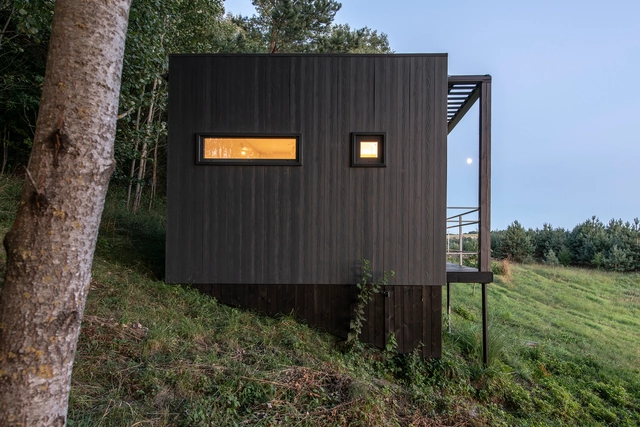


https://www.archdaily.com/903548/etno-hut-ema-butrimaviciuteDaniel Tapia
Apartment G51 / Hito.lt
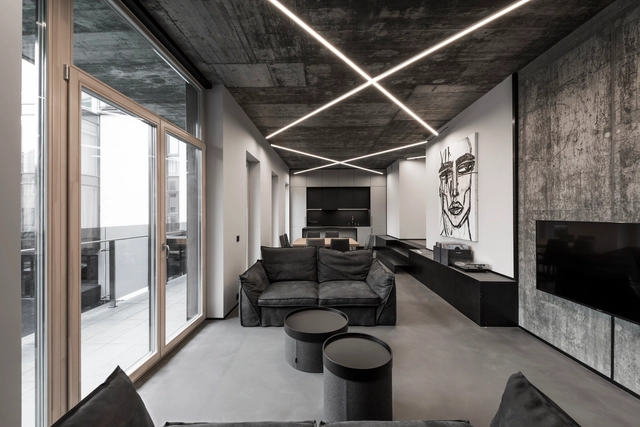


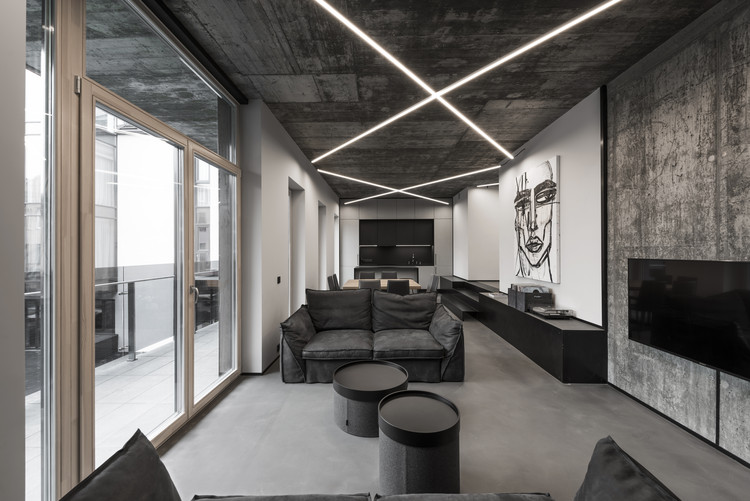
https://www.archdaily.com/891242/apartment-g51-hittRayen Sagredo