

-
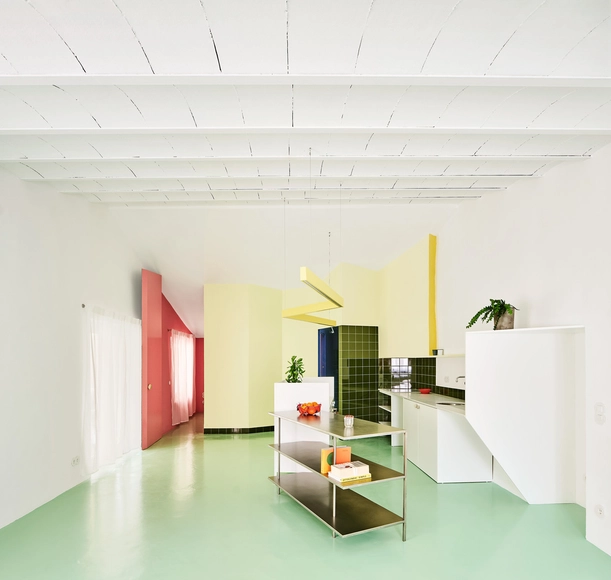
Architects: Alventosa Morell Arquitectes
- Area: 143 m²
- Year: 2024
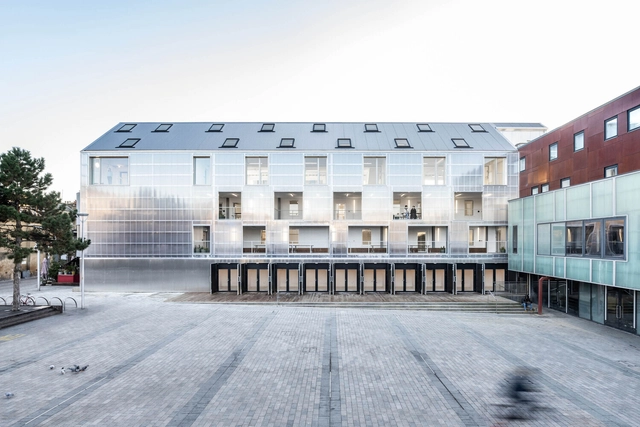
The main role of architecture is to create structures that protect us from the environment and create spaces that are safe and comfortable for all types of needs and activities. By providing shelter, architecture also shapes the way people interact with their surroundings. Building technologies of the past rarely managed, however, to create a complete separation between us and the outside world.
While impermeability was a desired outcome, the porous building materials available always allowed some water, wind, or outside particles to leak into the interior spaces. In contrast, modern technologies now allow for almost completely impermeable building envelopes, allowing for complete separation between indoors and outdoors, thus relying on engineered systems to regulate temperature, airflow, or humidity. This article explores the differences between these two contrasting approaches, exploring how building facades are equipped to regulate indoor comfort and its environmental impact.
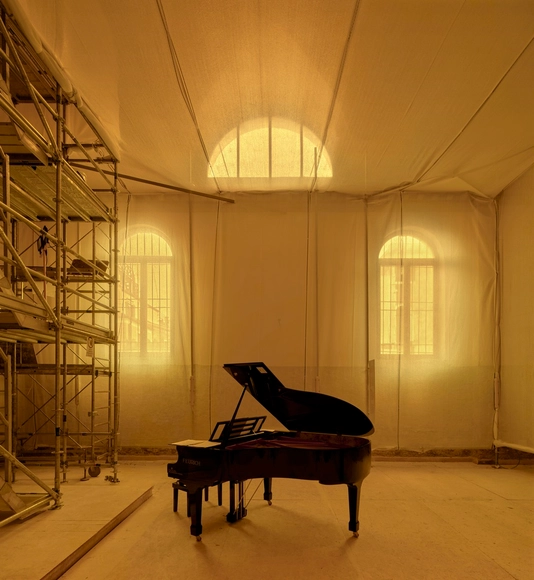
At the 19th International Architecture Exhibition, La Biennale di Venezia, the Dicastery for Culture and Education presents "Opera Aperta", a project that positions architecture as a practice of collective care and responsibility. Curated by Marina Otero Verzier and Giovanna Zabotti, Opera Aperta is set within the Santa Maria Ausiliatrice Complex in Venice's Castello district. Designed by Tatiana Bilbao ESTUDIO and MAIO Architects, the project transforms the 500-square-meter site into a space for collaborative restoration and public engagement. Conceived as a work in progress rather than a finished installation, Opera Aperta functions as a platform for ongoing exchange, participation, and engagement rooted in the local context. This open and process-oriented approach was recognized during the opening events, where the Holy See Pavilion received the Golden Lion's Special Mention for National Participation.
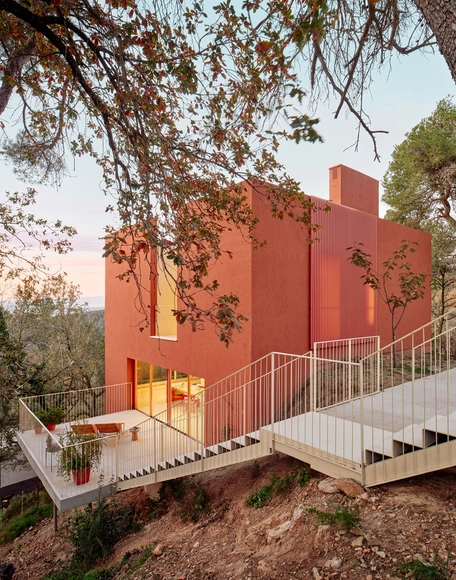
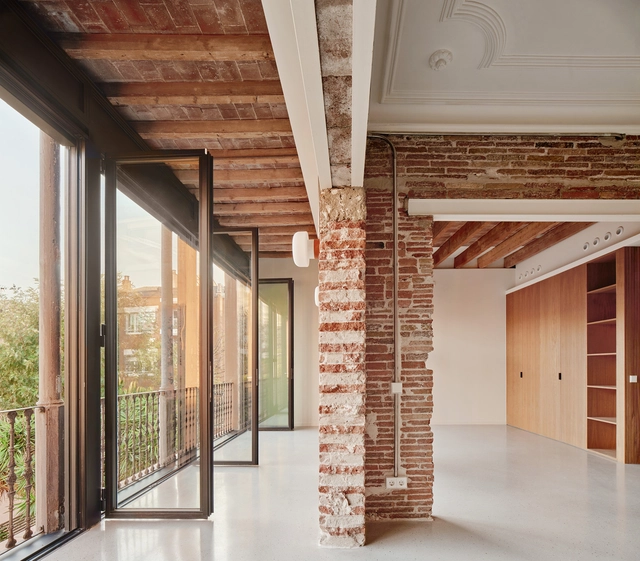
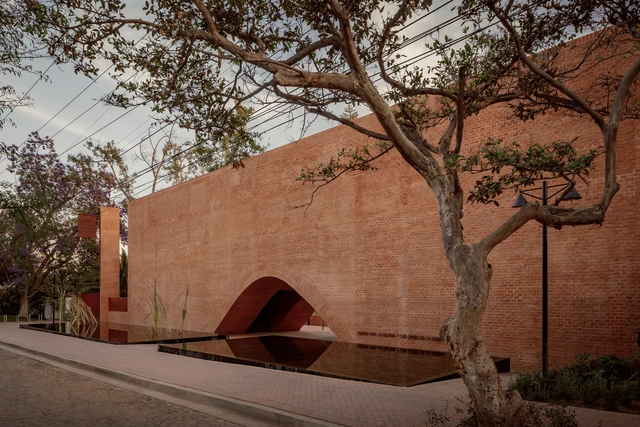
From December 2 to 6, the XIII Ibero-American Biennial of Architecture and Urbanism (BIAU) will be held in Lima, Peru, under the theme CLIMATE: Actions for Good Living. Since 1998, the BIAU, promoted by the government of Spain through the Ministry of Housing and Urban Agenda (MIVAU), in collaboration with the Higher Council of the Colleges of Architects of Spain and with the support of the ARQUIA Foundation, aims to disseminate good practices in architecture and urbanism in Ibero-America, fostering a space for discussion around contemporary challenges shared between Spain and Latin America. Weaving bridges of knowledge between both continents, the BIAU opens its doors once again, now in Lima.
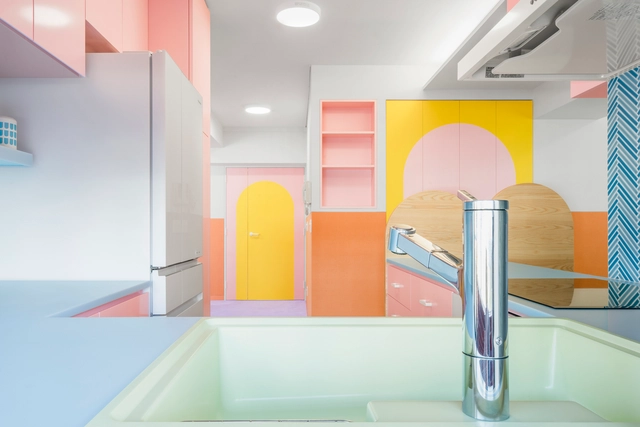
Urban apartments are frequently praised for their clever use of space, but what of their approach to color? Thoughtfully incorporating color is more than an aesthetic decision; it has the potential to shape emotional responses, influence mood, and create spatial illusions. Research in color psychology shows that colors affect our social, cultural, and psychological reactions, making them powerful design tools. Variations of blue, for instance, have been shown to slow melatonin production, keeping people more awake and alert, while shades of green relieve strain on our nervous systems, helping us feel calmer and more grounded. Color in architectural spaces can even alter our perception, creating illusions of depth, movement, and texture that influence how we experience space. Warmer hues like oranges and reds tend to make a room feel more intimate and cozy, while cool whites and blues lend a sense of openness, making spaces appear taller and more expansive.
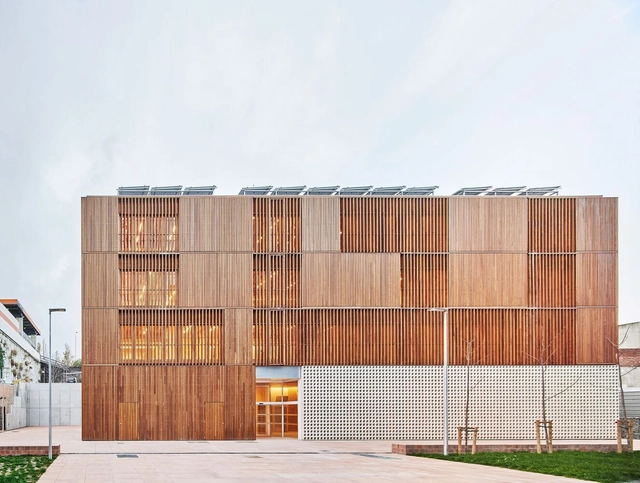
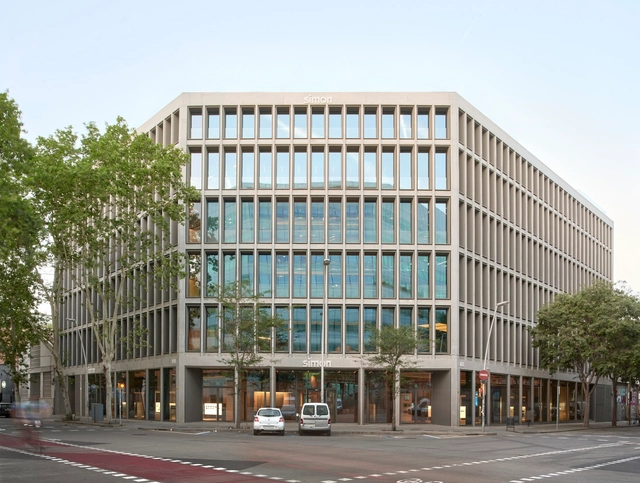
Traditionally, architecture's role has been to create a barrier between inhabitants and the elements, providing protection and security. Even with material and technological advances over time, this function remains fundamental. We still rely on our building envelopes to keep us dry, safe, and comfortable, allowing us to live our daily lives with ease. Nowadays, high-performance building envelopes expand this protective function by using advanced materials and technology, transforming into essential elements of sustainable and resilient design. They not only protect interiors from external factors—such as heat, humidity, and pollutants—but also contribute directly to the building's energy efficiency, durability, and aesthetics. Consisting of facades, solar shading systems, and windows, these envelopes define the building's character and play an essential role in its overall performance.
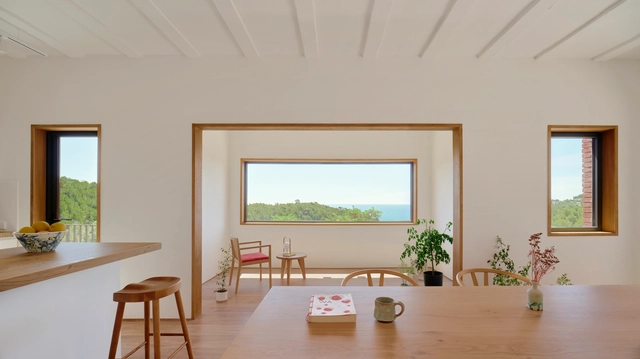
In the interview conducted by Louisiana Channel, architect Andrés Jaque discusses his foundational interest in architecture and his perspective on its role in shaping society. Jaque, founder of the Office for Political Innovation, emphasizes the creative potential of architecture to intervene in reality and reconnect all elements of the environment. He also goes into perspective on the political aspect of architecture, an interest from which the name of his office derives, as well as his perspectives on the true meaning of sustainability.
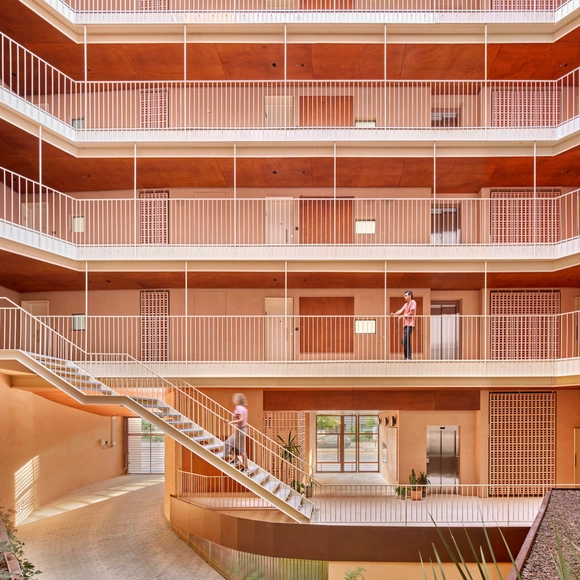
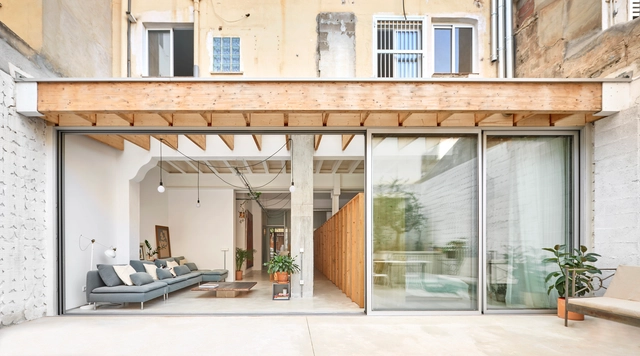
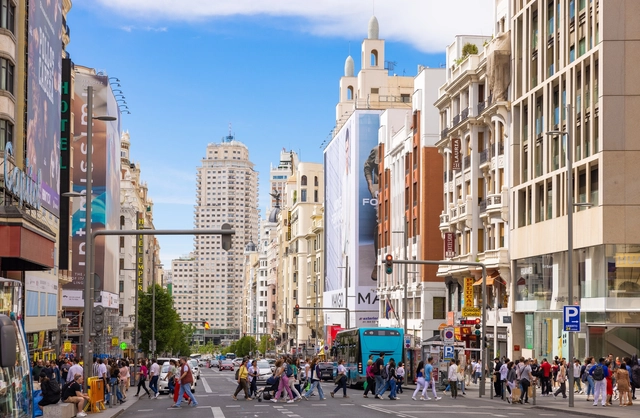
Madrid, the vibrant capital of Spain, offers a blend of tradition and modernity, reflected in its diverse architectural heritage. This rich past is etched into the old façades, expansive public spaces, and historic religious institutions that define much of Madrid’s character today. The city’s continuous architectural renewal, reflected in both respectful restorations and innovative new constructions, highlights Madrid’s commitment to preserving its heritage while embracing modernity.
In the 20th century, Madrid embraced modernity, influenced by movements such as Rationalism, the International Style, and Brutalism. Today, Madrid is a showcase for contemporary design, where contemporary projects by renowned architects coexist with its historical legacy. Structures like the CaixaForum by Herzog & de Meuron and Jean Nouvel’s Reina Sofía Museum exemplify the city’s interest in architectural explorations