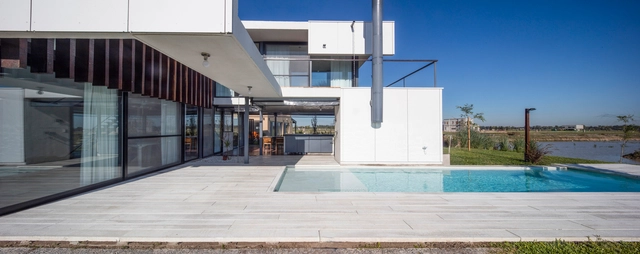
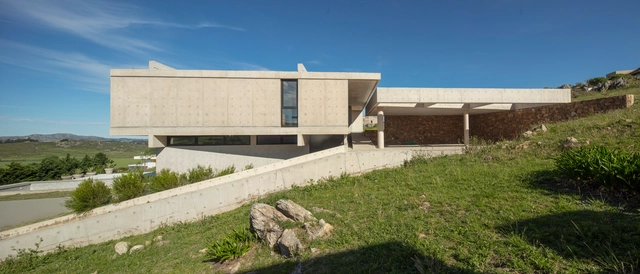
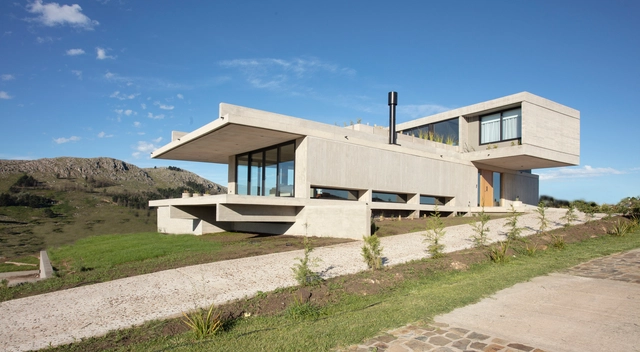
LHT House / Sebastian Engelhard


https://www.archdaily.com/1080989/lht-house-sebastian-engelhardDaniel Tapia
A Natural Childhood: How Architecture Connects Landscape, Culture, and Play
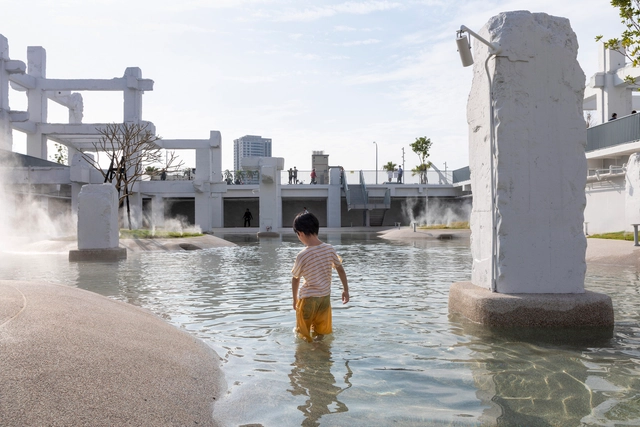
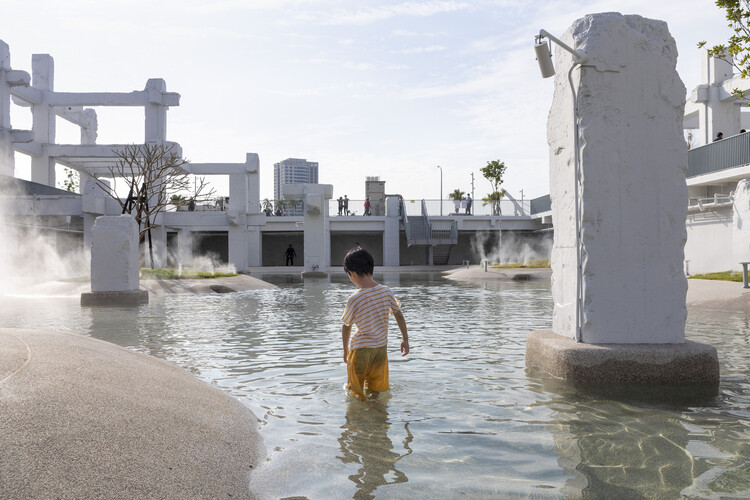
How do nature and landscape dialogue within spaces designed for children? How are architecture and urban design capable of shaping natural atmospheres that integrate practices of play, participation, and exploration? From participatory projects that involve children in the design process to built environments that incorporate furniture adapted to their needs, the conception of spaces for childhood entails the creation of places for encounter, learning, and coexistence. At times, these spaces are able to strengthen the relationships between interiors and exteriors, connecting their users with nature and the surrounding environment. Depending on their cultures, customs, and histories of attachment to place, several contemporary projects deploy tools and strategies that integrate architecture, nature, and pedagogy to form broad experiences of learning, play, and discovery.


https://www.archdaily.com/1033387/a-natural-childhood-how-architecture-connects-landscape-culture-and-playAgustina Iñiguez
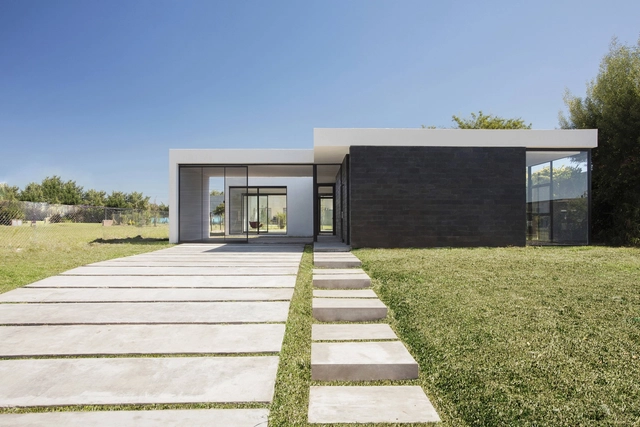
Casa Olivia / Cristian Hernán Estévez


https://www.archdaily.com/1026748/casa-olivia-cristian-hernan-estevezAndreas Luco




Nicolás Campodonico presents “Walls” at the Bisman Ediciones Architecture Gallery and Residency
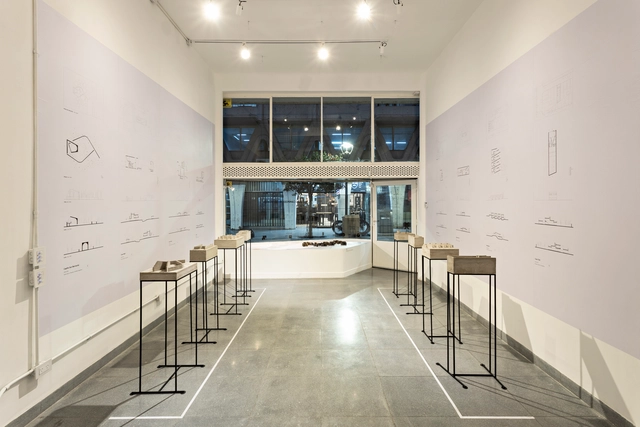
From July 7 to September 2, 2023, the exhibition “Nicolás Campodonico: Muros” is on display at the Bisman Ediciones Architecture Gallery and Residence, located on the Buenos Aires corner that houses the “Casa de Estudios para Artistas”, a 20th-century housing masterpiece in Argentina designed by Antonio Bonet, Abel López Chas, and Horacio Vera Barros.
https://www.archdaily.com/1136001/nicolas-campodonico-presents-walls-at-the-bisman-ediciones-architecture-gallery-and-residencyAgustina Iñiguez
Francisco Cadau: “The Construction Itself Creates Ideas”
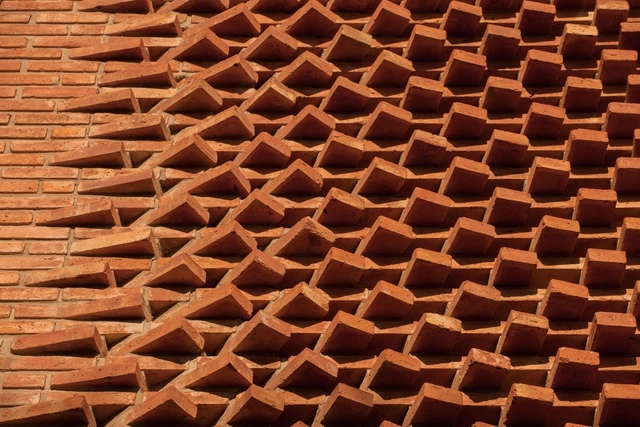
Francisco Cadau received the highest award at the recent Buenos Aires 2022 International Architecture Biennial. A recognition of his genuine trajectory that, from technique and materiality, consistently manages to position his favorite location on the map: The city of Campana on the edge of the Parana River in Argentina. His works in this place, such as House of Sieves or Damero Building, are references when it comes to thinking about project models where "construction and technology constitute the ideas themselves".
https://www.archdaily.com/996462/francisco-cadau-the-construction-itself-creates-ideasFabian Dejtiar
Guardabarrera houses / Francisco Cadau Oficina de Arquitectura
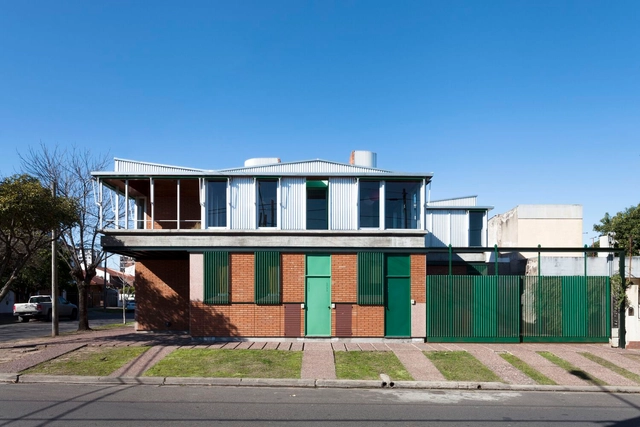


https://www.archdaily.com/994043/guardabarrera-houses-francisco-cadau-oficina-de-arquitecturaValeria Silva
4 Houses with a Front Patio / Francisco Cadau Oficina de Arquitectura
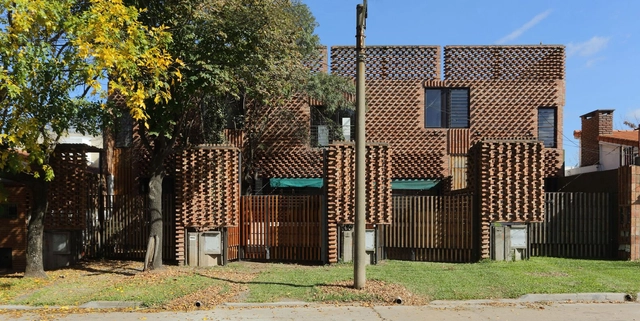


https://www.archdaily.com/994046/4-houses-with-a-front-patio-francisco-cadau-oficina-de-arquitecturaPilar Caballero
Discover the winning projects of the 18th Buenos Aires International Architecture Biennial
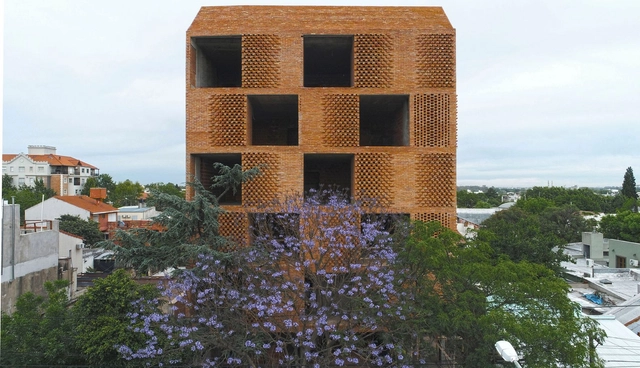
During the fourth day of the 18th Buenos Aires International Biennial of Architecture, the Biennial Awards were announced, highlighting architectural projects and works developed over the last four years both nationally and internationally. Awarded by the Biennial's Steering Committee, the categories spanned from single-family housing, multi-family housing, and interior design to landscape, urban space, and public and private facilities.
https://www.archdaily.com/1132230/discover-the-winning-projects-of-the-18th-buenos-aires-international-architecture-biennialAgustina Iñiguez
Open House Buenos Aires 2022 celebrates its 10th anniversary by opening the doors of 170 buildings
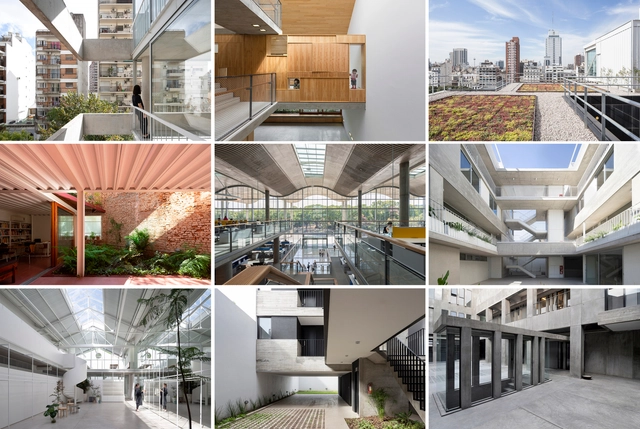
To celebrate its tenth edition, Open House will open the doors of more than 160 spaces and buildings of great architectural, cultural, and heritage value in the Autonomous City of Buenos Aires on October 1 and 2, 2022. As it does every year, this architecture and urbanism festival will offer the public the opportunity to rediscover the city's architecture and urban design, as well as its people, stories, and anecdotes, through free activities, visits, gatherings, and tours.
https://www.archdaily.com/1131956/open-house-buenos-aires-2022-celebrates-its-10th-anniversary-by-opening-the-doors-of-170-buildingsAgustina Iñiguez
The Mies Crown Hall Americas Prize Announces 2022 MCHAP Outstanding Projects
.jpg?1654104044&format=webp&width=640&height=580)
The Mies Crown Hall Americas Prize (MCHAP) announced the 48 outstanding projects selected by the MCHAP 2022 jury. From the body of nominated projects, the jury elected 38 entries in MCHAP as outstanding among other submissions. The fourth prize cycle considers built works completed in the Americas between January 2018 to December 2021, nominated by an anonymous network of international experts and professionals.

.jpg?1654104708&format=webp&width=230&height=230&crop=true)
.jpg?1654104468&format=webp&width=230&height=230&crop=true)
.jpg?1654104406&format=webp&width=230&height=230&crop=true)
.jpg?1654104044)
https://www.archdaily.com/982977/the-mies-crown-hall-americas-prize-announces-mchap-outstanding-projectsMaria-Cristina Florian
Damero Building / Francisco Cadau Oficina de Arquitectura


-
Architects: Francisco Cadau Oficina de Arquitectura
- Area: 1835 m²
- Year: 2021
-
Manufacturers: Aluar, Blangino, Cregar, FV, Faplac, +7
https://www.archdaily.com/981223/damero-building-francisco-cadau-oficina-de-arquitecturaValeria Silva
Brick Houses in Argentina: 15 Examples Exploring Pattern and Design
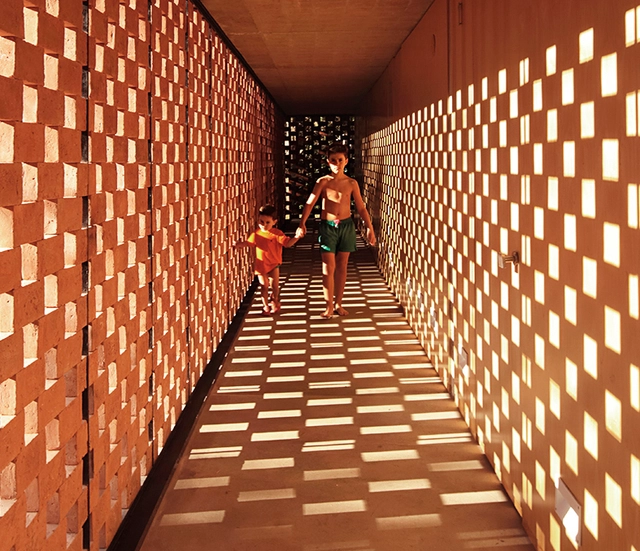
Brick has positioned itself as one of the materials that characterise and identify Argentinean and Latin American architectural culture. The diversity and versatility of masonry in our region have given rise to great heterogeneity in its uses and applications: structural walls, partitions, enclosures, screens, envelopes, skins, roofs, vaults, domes and floors allow us to visualise the great adaptability of this material in order to adapt to the particular requirements of each project.


https://www.archdaily.com/980547/brick-houses-in-argentina-15-examples-exploring-pattern-and-designBelén Maiztegui
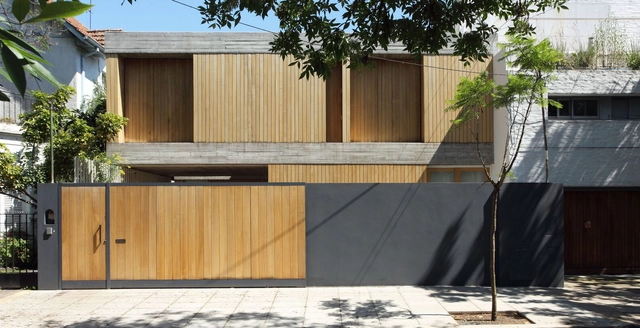
MM House / Colle-Croce


-
Architects: Colle-Croce
- Year: 2012
-
Manufacturers: ACINDAR, VASA
https://www.archdaily.com/977097/mm-house-colle-crocePilar Caballero
Argentine architect Daniel Silberfaden passes away at 66
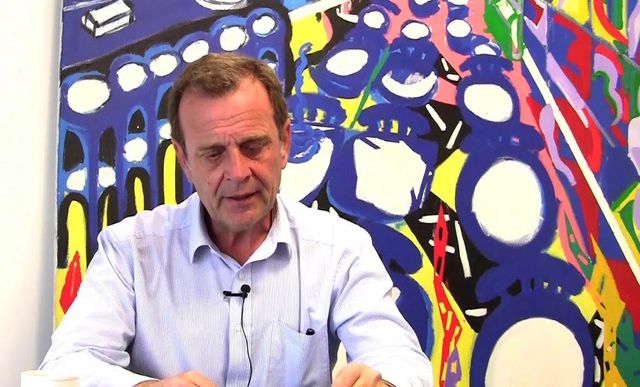
Argentine architect Daniel Silberfaden, founder of Estudio Silberfaden, passed away on October 29 at the age of 66, according to local media reports.


https://www.archdaily.com/1127706/argentine-architect-daniel-silberfaden-passes-away-at-66Nicolás Valencia
Split-Level Argentine Houses: Using Height to Separate Spaces
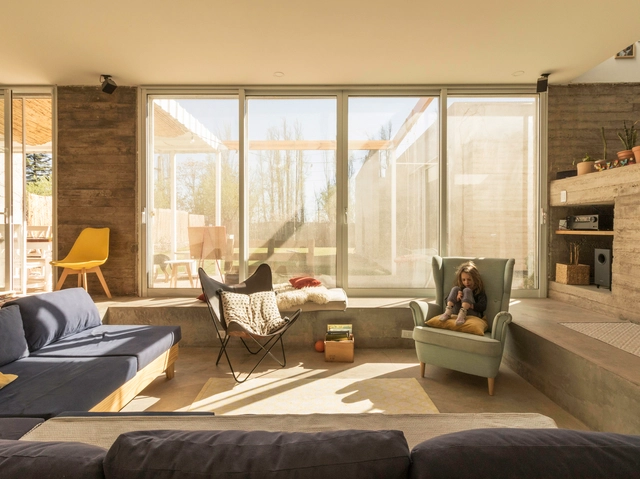
In architecture, split-level houses are typically in response to a plot's uneven or sloping topography. In the case of the houses featured here, their split level interiors are a matter of function, allowing spaces to be virtually separated by dividing them between raised and semi-subterranean floor layouts. For example, adjoining two spaces with a 50cm step up or drop off allows for separation without the use of walls or other physical barriers.
https://www.archdaily.com/958089/split-level-argentine-houses-using-height-to-separate-spacesBelén Maiztegui
Exposed Concrete Houses in Argentina: 50 Projects and Their Floor Plans
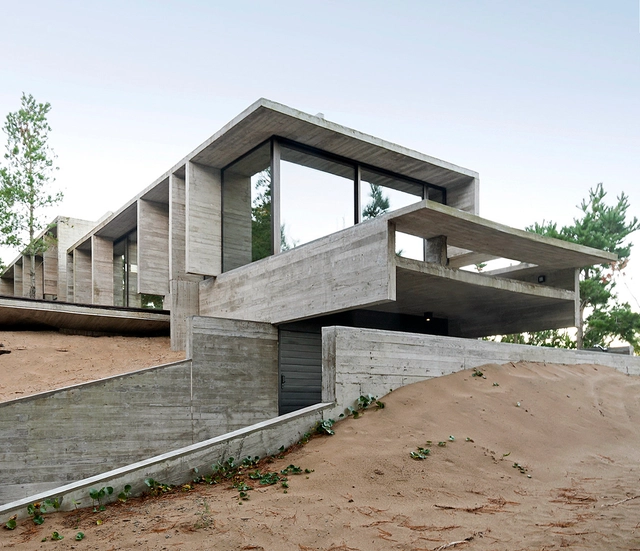


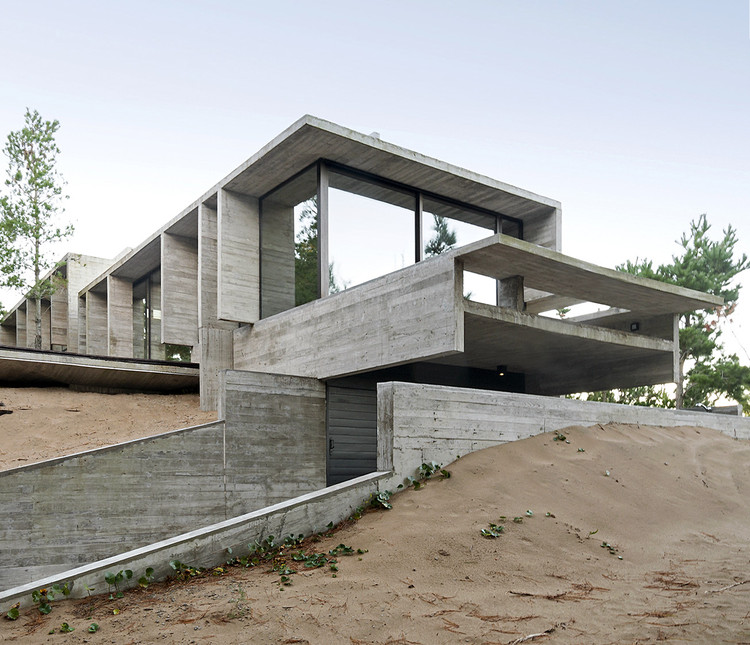
Thanks to its aesthetic qualities and malleability, concrete is the darling of the world's builders and architects. In Argentina in particular, concrete's durability and adaptability to a range of climatic conditions makes it one of the most sought after construction materials, demonstrated by, not only the country's countless museums, hotels, hospitals, but by its residential and smaller-scale buildings as well.
https://www.archdaily.com/953293/exposed-concrete-houses-in-argentina-50-projects-and-their-floor-plansBelén Maiztegui