
Fernando Guerra | FG+SG
Fernando Guerra has been a pioneer in the way architecture is photographed and divulged. Fifteen years ago, he opened studio FG+SG together with his brother, and both are responsible in large part for the diffusion of Portuguese contemporary architecture in the last fifteen years.
BROWSE ALL FROM THIS PHOTOGRAPHER HERE
↓


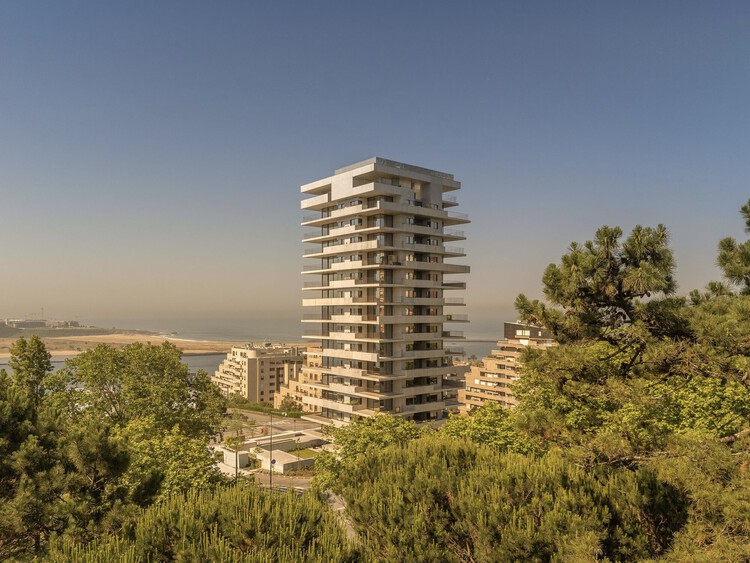
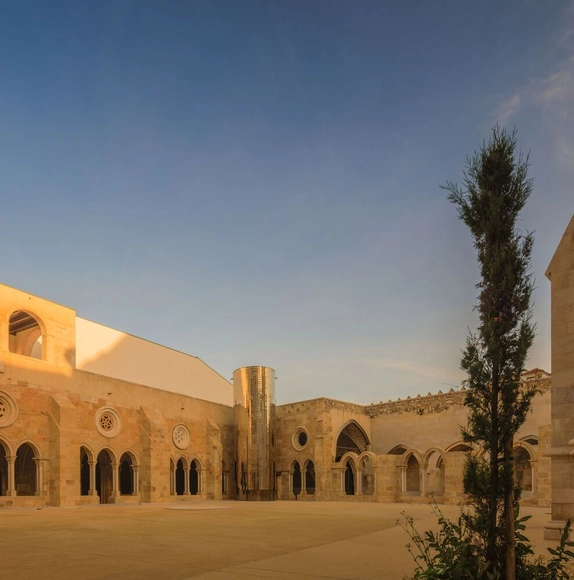
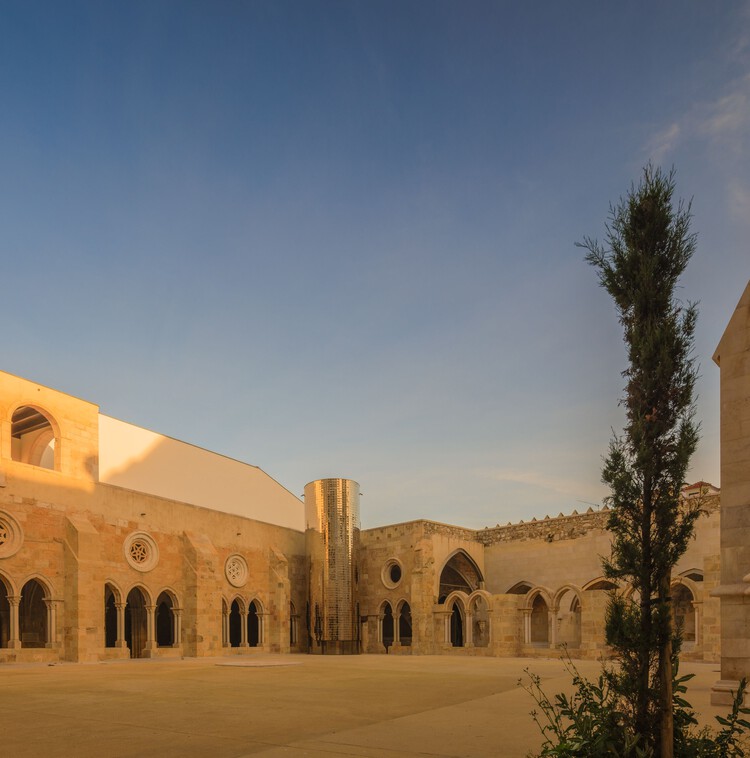
Restoration and Enhancement of the Patriarchal Cathedral of Lisbon, Installation of the Archaeological Center, and Restoration of the Upper and Lower Cloisters / Adalberto Dias Arquitecto lda


-
Architects: Adalberto Dias Arquitecto lda
- Area: 6690 m²
- Year: 2025
https://www.archdaily.com/1034427/restoration-and-enhancement-of-the-patriarchal-cathedral-of-lisbon-installation-of-the-archaeological-center-and-restoration-of-the-upper-and-lower-cloisters-adalberto-dias-arquitecto-ldaAndreas Luco
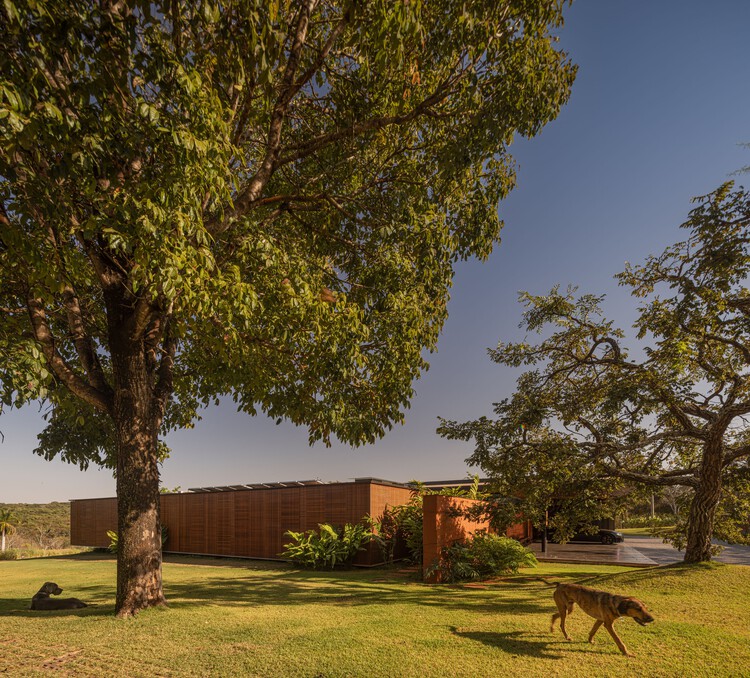
Casa Muxarabi / mf+arquitetos


-
Architects: mf+arquitetos
- Area: 654 m²
- Year: 2025
https://www.archdaily.com/1185496/casa-muxarabi-mf-plus-arquitetosSusanna Moreira
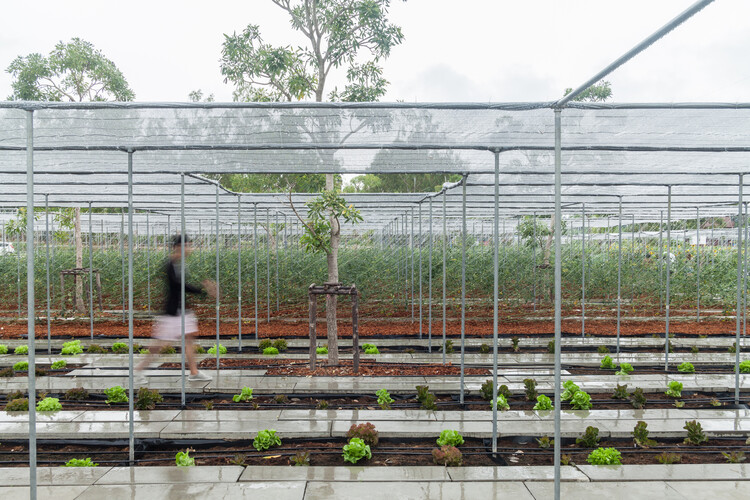
Neither Farm Nor Hotel: Why Agritourism Needs Its Own Architectural Typology

This article is part of our new Opinion section, a format for argument-driven essays on critical questions shaping our field.
Agritourism is commonly understood as a hybrid model, with equal parts of overlap between the agriculture and hospitality industries. Under this framing, agritourism is valued as a variation on an existing theme, a supplementary activity layered onto rural production. This framing no longer holds in the 21st century as the scale and independence of agritourism's growth have transformed it into a distinct economic sector, one with architectural consequences that neither the agriculture nor the hospitality industries are equipped to address in isolation.


https://www.archdaily.com/1171797/neither-farm-nor-hotel-why-agritourism-needs-its-own-architectural-typologyOlivia Poston
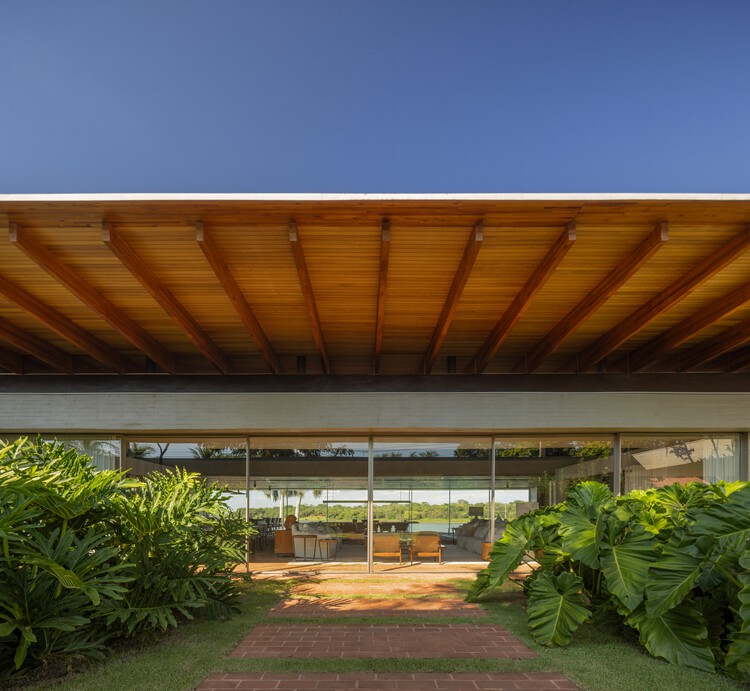
Alva House / Felipe Caboclo Arquitetura


-
Architects: Felipe Caboclo Arquitetura
- Area: 1023 m²
- Year: 2024
-
Manufacturers: Arkos, De Rosso, Inovar, Rewood
https://www.archdaily.com/1092334/alva-house-felipe-caboclo-arquiteturaNana Dokua
The Flying Photographer: A Documentary on Fernando Guerra

Fernando Guerra, one of the most prolific photographers in the field of architecture, is set to be the subject of a documentary directed by Sara Nunes and produced by Portugal's Building Pictures. The Flying Photographer, the film's working title, is drawn from a dedication by Álvaro Siza, an architect whose works and life Guerra has been extensively documenting.
https://www.archdaily.com/1114617/the-flying-photographer-a-documentary-on-fernando-guerraRomullo Baratto
Exhibition Design Guide: What to Consider When Setting Up an Exhibition
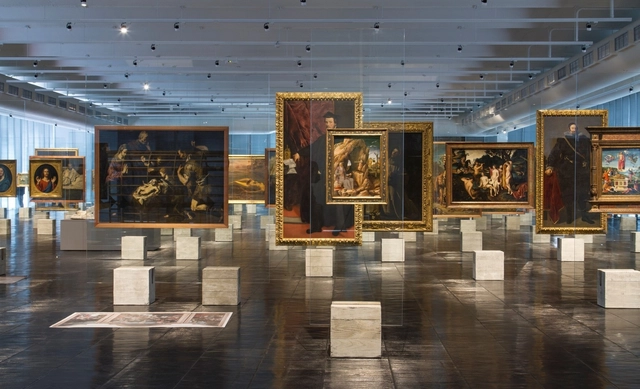
Have you ever wondered how an exhibition design is conceived? Or how it coordinates the staging of the displayed content?
Historically, what we know today as a museum began as a place to gather pieces and objects organized by typology. This is evident when looking at images of the so-called cabinets of curiosities or wonder rooms, which organized a vast array of rare objects and species (animal, plant, and mineral) brought back from the great explorations of the 16th and 17th centuries.
Centuries later, these collections began to gain traction, and former palaces transformed their hallways into long, continuous galleries, to which only their guests and residents had access. Later, in the 19th century, the emergence of pavilions dedicated primarily to the display of artifacts brought us closer to the modern concept of museums. We regularly publish various museum projects. But beyond their architecture, have you ever noticed the crucial role that exhibition design plays? Below, we outline some of the key concepts of exhibition design.
https://www.archdaily.com/1114162/exhibition-design-guide-what-to-consider-when-setting-up-an-exhibitionMatheus Pereira
Young Talents of Portuguese Architecture

Marked by refinement and purity of design, Portuguese architecture historically maintains a sharp relationship between the built object and the territory in which it is situated.
Names like Álvaro Siza Vieira, Eduardo Souto de Moura, and Fernando Távora remain the primary references when considering Portuguese architectural production. However, beyond these great masters, a group of young firms established over the last ten years has demonstrated strength and relevance in shaping this new output. In this landscape, new attributes are emphasized: an aesthetic and constructive sensibility rooted in modern minimalism—yet questioned and renewed in accordance with contemporary social and philosophical parameters; the merging of hybrid fields, from art and product design to architecture and urbanism; and an increasingly collaborative process based on collective ideas.
https://www.archdaily.com/1113925/young-talents-of-portuguese-architectureMatheus Pereira
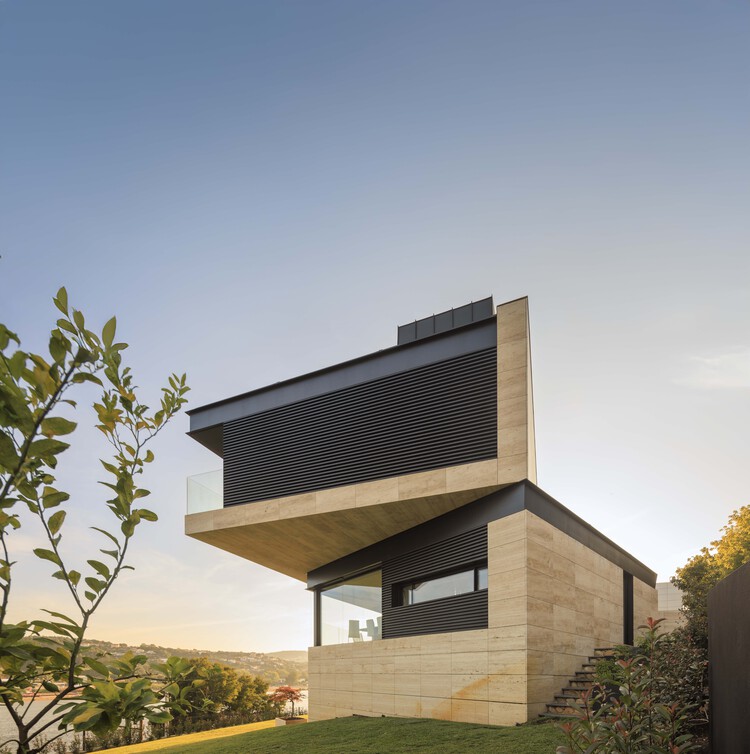
Flumen House / MUTANT Architecture & Design


-
Architects: MUTANT Architecture & Design
- Area: 600 m²
- Year: 2024
https://www.archdaily.com/1055931/flumen-house-mutant-architecture-and-designSusanna Moreira
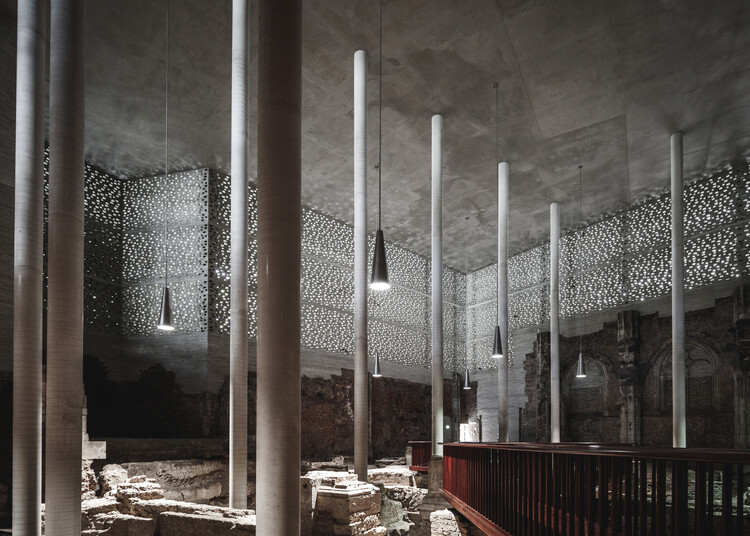
The Alchemy of Mass: Peter Zumthor and the Perception of Lightness

Architecture begins as an encounter with gravity. It is the ancient act of placing weight upon the earth, of persuading matter to stand, hold, and shelter. Within this fundamental condition of heaviness, however, lies a quieter possibility: density itself can generate a sense of lightness—a perceptual condition in which the body, fully convinced of matter's weight, begins to experience space as suspension.
Much of contemporary architecture has pursued lightness through reduction: thinner structures, smoother surfaces, increasingly seamless transitions between interior and exterior. Here, lightness is equated with disappearance, as if gravity could be overcome by withdrawing material presence. Yet there exists another register in which lightness is not the result of absence, but of intensification. It emerges when material presence becomes so precise, so fully asserted, that it begins to alter perception itself—when mass remains heavy, but no longer behaves as simply inert.


https://www.archdaily.com/1040865/the-alchemy-of-mass-peter-zumthor-and-the-perception-of-lightnessValentina Díaz
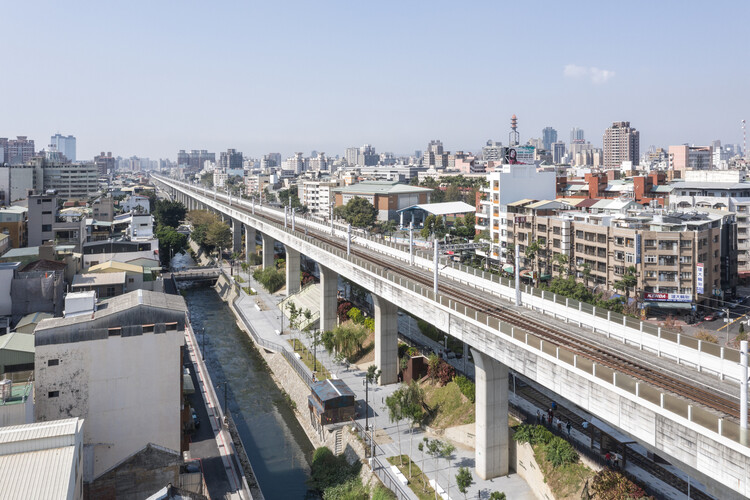
What Lies Beneath: 10 Projects Reshaping the Ground Level

Architecture has long been drawn to the idea of lightness. From early modernist experiments that sought to preserve landscapes, elevating buildings has been understood as a way to preserve the ground while maintaining continuity across the terrain. Volumes are lifted on columns, infrastructures detach circulation from the surface, and entire programs are suspended above the ground.
This was formalised in the early twentieth century through Le Corbusier's concept of the pilotis, which proposed the liberation of the ground floor from enclosure. By raising buildings on columns, architects sought to maintain continuity with the terrain, allowing movement, vegetation, and collective use to unfold beneath constructed volumes. The building would occupy the air, while the ground would remain open, accessible, and shared.


https://www.archdaily.com/1040213/what-lies-beneath-10-projects-reshaping-the-ground-levelDiogo Borges Ferreira
The 15 Finalists of ArchDaily Brasil's 2026 Building of the Year Award

Over the past two weeks, the ArchDaily Brasil community has nominated more than 14,000 projects, resulting in 15 finalists representing some of the most iconic architectural works published over the last year. Now in its 10th edition, the Obra do Ano Award recognizes the best of architecture in Portuguese-speaking countries, chosen by the readers themselves. The finalists offer a snapshot of the current state of architecture, spanning residential, urban, cultural, and other programs.
Representing Brazil and Portugal, the 15 projects reflect the needs of their specific contexts through creative solutions proposed by local architects. From interior renovations to large-scale urban interventions, and from single-family homes to community projects, the selection is diverse, yet united by a common thread: recognition from the public, who seek to see their own aspirations represented.
https://www.archdaily.com/1054658/the-15-finalists-of-archdaily-brasils-2026-building-of-the-year-awardArchDaily Team
The Built Path: Pilgrimage and Architectural Sequence on the Camino de Santiago

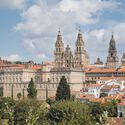
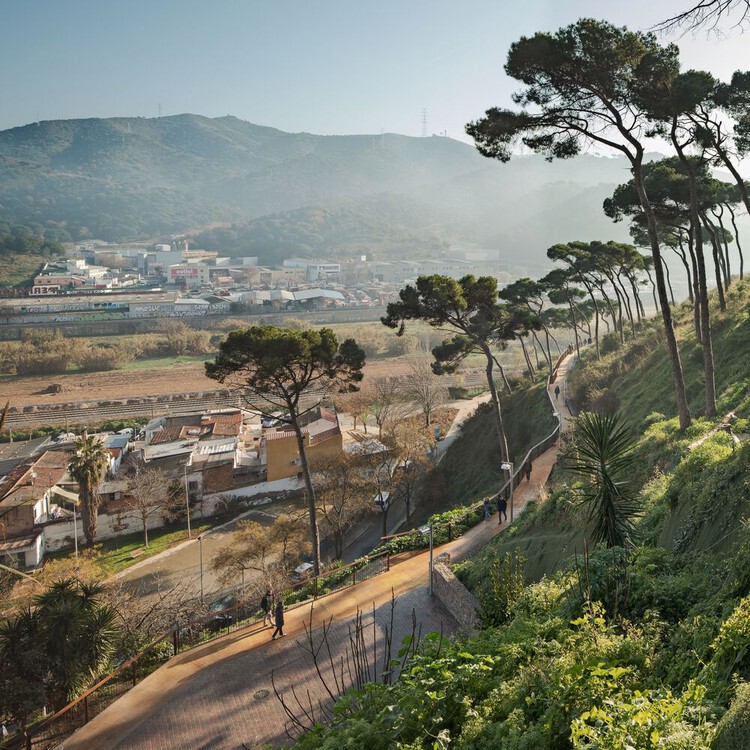
Pilgrimage is one of the oldest and most persistent cultural practices, a spatial expression of humanity's search for meaning that has taken form across geographies and religions. While traditionally tied to formal belief systems, its definition has expanded in recent decades, reflecting new understandings of what is sacred and where meaning can be found. This shift reveals something fundamental: the act of moving through space remains central to how people construct meaningful experience. Yet most built environments constructed today are designed to be approached at speed from roads, transit corridors, airports, and optimized urban cores. The Camino de Santiago stands as a sustained counterargument to this condition. It is a piece of distributed architecture, refined over centuries, that remains a sophisticated example of design organized around the moving human body.
https://www.archdaily.com/1040104/the-built-path-pilgrimage-and-architectural-sequence-on-the-camino-de-santiagoOlivia Poston
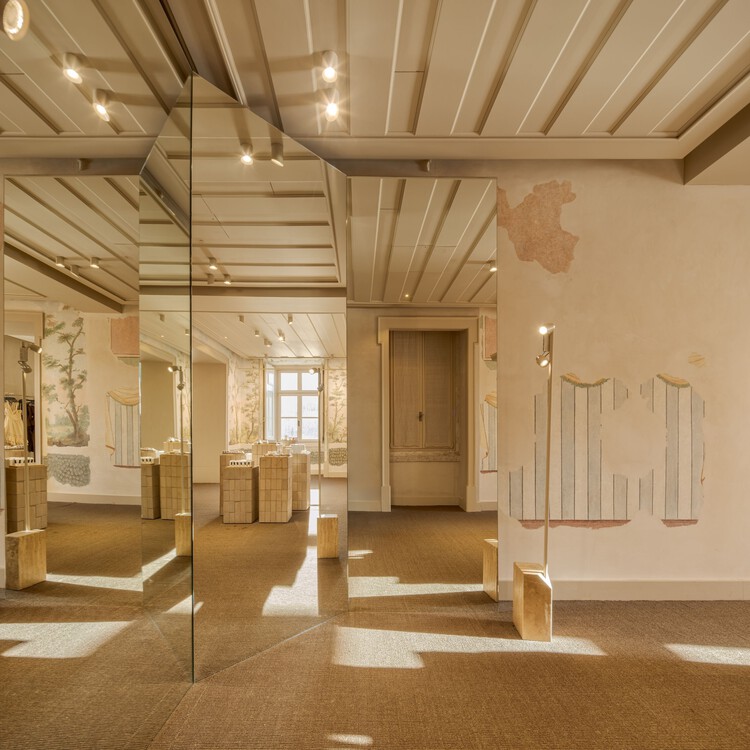
Zara Rossio Store / Contacto Atlântico


-
Architects: Contacto Atlântico
- Area: 10110 m²
- Year: 2023
https://www.archdaily.com/1040257/zara-store-at-rossio-contacto-atlanticoSusanna Moreira
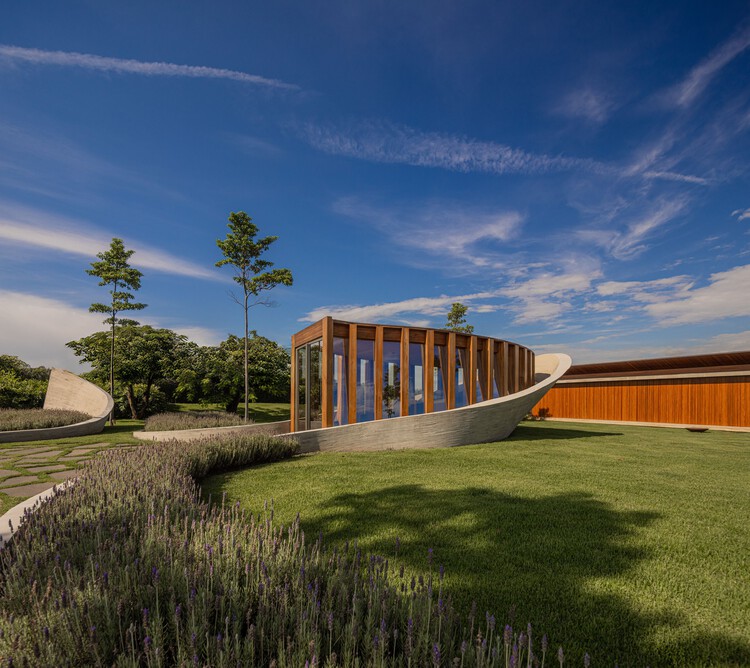
Nest Chapel / Felipe Caboclo Arquitetura


-
Architects: Felipe Caboclo Arquitetura
- Area: 10 m²
- Year: 2024
-
Manufacturers: Atelier Pedro Petry, Bellas Artes, Lightworks, Lumisystem
-
Professionals: Rewood, Leão e Associados Engenharia de Estrutura, Seripierri Engenharia, Lightworks, Bellas Artes, +1
https://www.archdaily.com/1039620/nest-chapel-felipe-caboclo-arquiteturaPilar Caballero
Meet the 15 Winning Projects of the 2026 ArchDaily Building of the Year Awards
A revitalized canning factory in a coastal Portuguese city, a memorial park in Ethiopia, a small-town Brazilian home, a wooden pavilion evoking Bahrain's heritage, and 11 other visionary projects comprise the winners of the 2026 ArchDaily Building of the Year Awards. Chosen over three weeks of public voting, the winners are representative of the current architectural landscape, reflecting a diversity of approaches, materialities and aesthetics, while also showcasing common threads across cultures.
In its 17th edition, this year's Building of the Year Awards received more than 120,000 votes from over 100 countries, marking a record-breaking year for the world's largest community-driven architecture award. The winners represent 14 different countries, cultures and perspectives, coming from Brazil, Canada, Chile, Colombia, Denmark, Ethiopia, Germany, India, Indonesia, Japan, Portugal, South Korea, United States and Vietnam.
https://www.archdaily.com/1038873/meet-the-15-winning-projects-of-the-2026-archdaily-building-of-the-year-awardsDaniela Porto
Shaping Architectural Continuity: 25 Revitalization Projects Across Historic, Industrial, and Natural Sites

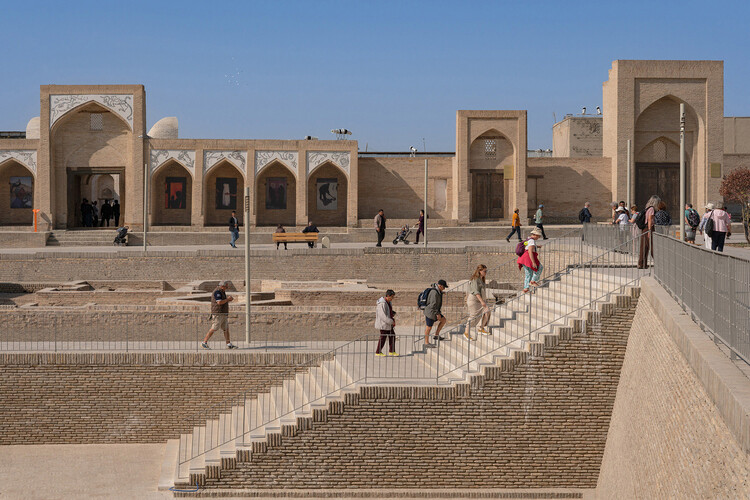
Heritage sites constitute complex spatial archives in which architecture, history, and collective memory converge. They encompass a wide spectrum of contexts—from archaeological remains, ancient and historic townscapes, UNESCO-listed landscapes, to early modern civic structures and industrial infrastructures. Yet these environments confront challenges: climate change, urban transformation, disaster, shifting social needs, and the gradual erosion of material fabric. Revitalization and restoration projects respond to these conditions by positioning architectural and spatial practice as an active mediator between preservation and the contemporary topologies.
In current practice, conservation is understood as a creative process of adaptation and reinterpretation that serves both communities and inhabitants. At the same time, monumental architecture continues to define the identity and landscape of a place for wider audiences and future generations. Architects and planners are called upon to negotiate sensitive historic contexts while introducing new programs, techniques, and spatial experiences. They exemplify diverse design approaches, including precise structural interventions, climate-responsive strategies, and meticulous material restoration, alongside the thoughtful insertion of new architectural elements. Equally important is their engagement with vernacular knowledge and materiality, which preserves the locality and cultural specificity of each site.


https://www.archdaily.com/1038703/shaping-architectural-continuity-25-revitalization-projects-across-historic-industrial-and-natural-sitesMiwa Negoro
Introducing the 75 Finalists of the 2026 ArchDaily Building of the Year Awards

Two weeks and over 85,000 nominations later, the finalists of this year's Building of the Year Awards are in. The selection is much like the ArchDaily audience that chose it: diverse in geography, generous in ideas, and precise in intent. With projects from 46 countries, in a variety of typologies and scales, they present a beautiful snapshot of the current architectural moment.
We invite you to sit back, browse, and vote for your ultimate favorites. Below, you will find all of the 75 finalists in their respective categories. Voting is open until February 18th at 18:00 EST. Thank you—your participation is key to making this the world's largest community-driven architecture award.
https://www.archdaily.com/1038674/introducing-the-75-finalists-of-the-archdaily-2026-building-of-the-year-awardsDaniela Porto