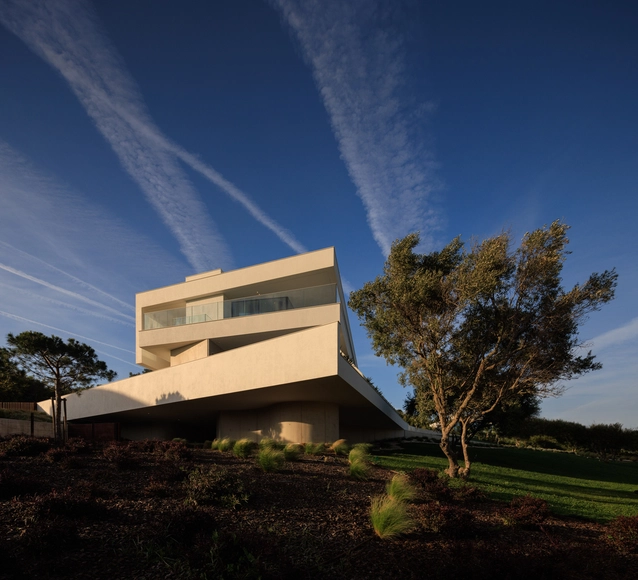


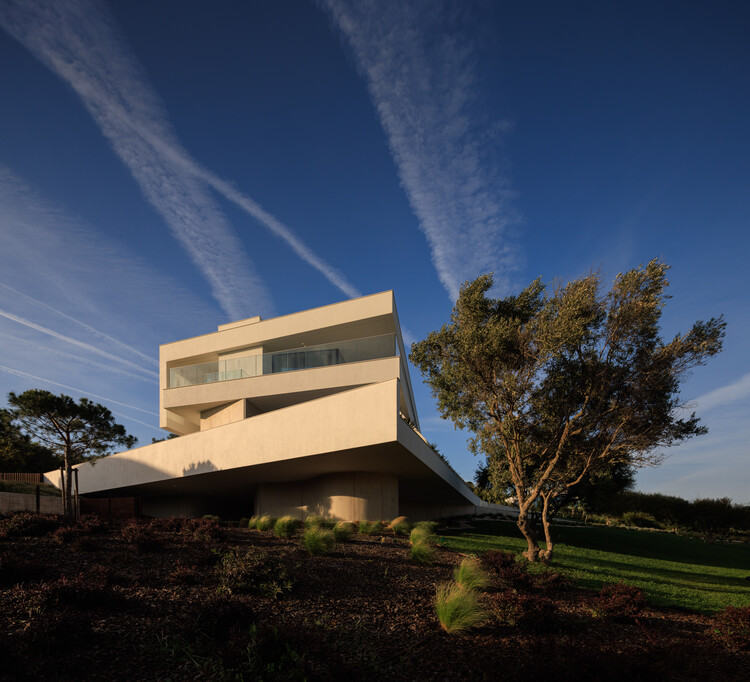
-
Architects: Mário Martins Atelier
- Year: 2022
Fernando Guerra has been a pioneer in the way architecture is photographed and divulged. Fifteen years ago, he opened studio FG+SG together with his brother, and both are responsible in large part for the diffusion of Portuguese contemporary architecture in the last fifteen years.
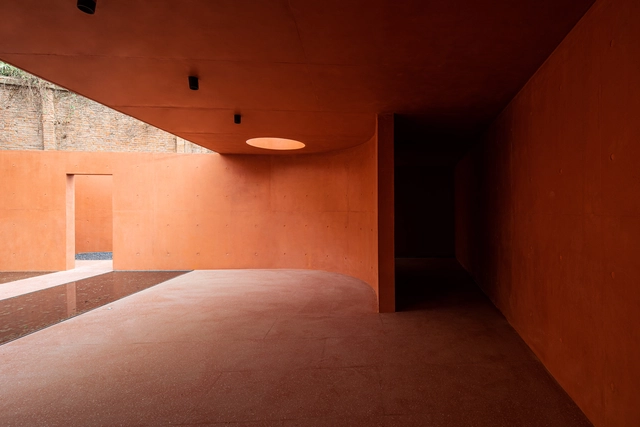
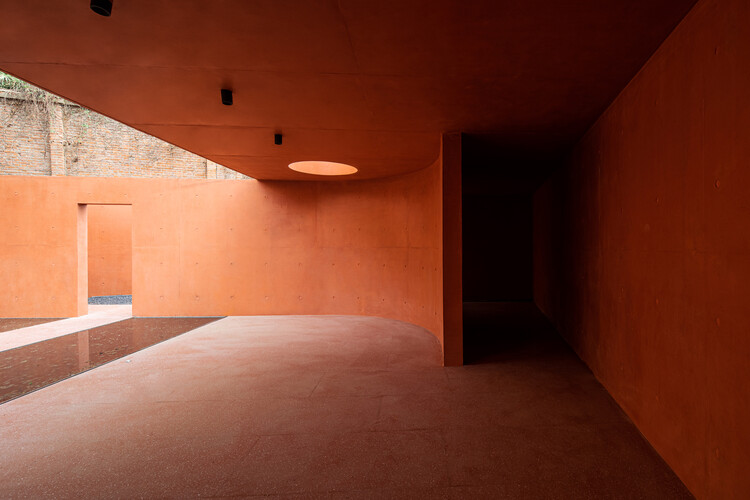
Concrete is often seen as the material of modernity, defined by its structural strength, raw finish, and unmistakable gray tone. It became the default palette of 20th-century architecture, a symbol of functionality and permanence. Yet, concrete is not bound to this chromatic identity. Its color is a byproduct of the cement, aggregates, and chemical composition used in its mix, and it can be intentionally altered through pigmentation. Among the many hues explored, red stands out — not only for its visual intensity, but for its ability to root buildings in place, evoke cultural references, and imbue architecture with a material presence that feels both elemental and expressive.
Pigmenting concrete involves the addition of mineral-based colorants — usually iron oxides — during the mixing process. Unlike paints or coatings applied to the surface, these pigments are integrated directly into the concrete mass, ensuring the color permeates the material and remains stable over time. Red pigments in particular are often derived from iron oxide (Fe₂O₃), a naturally occurring compound found in clay, hematite, and other iron-rich minerals. Their deep, earthy hue connects contemporary construction with ancient techniques — from Roman pozzolana mortars to the red earth buildings of West Africa and South America.
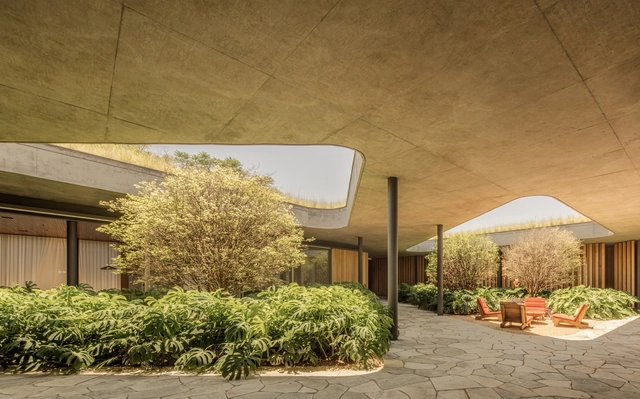
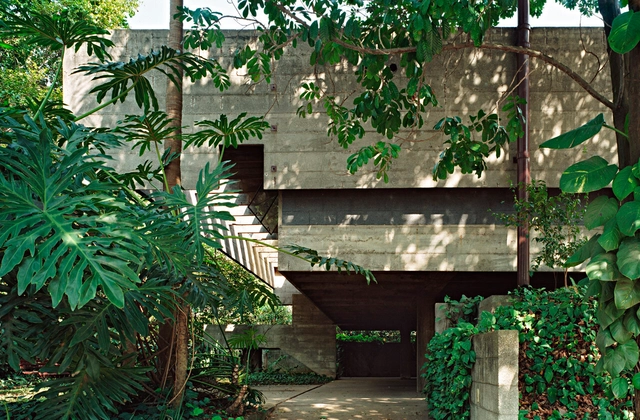
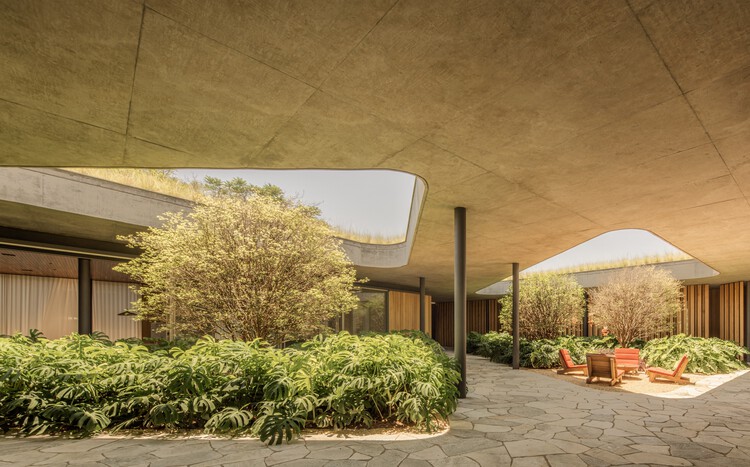
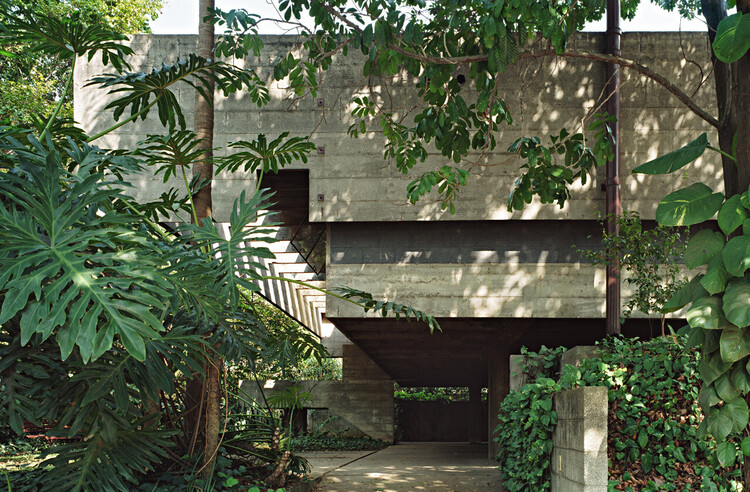
The built environment is expected to reduce carbon emissions, support biodiversity, and respond to changing ecological conditions, all while providing housing for communities and reflecting their cultural values. In this shifting landscape, a once-maligned architectural style emerges in a surprising new form. Brutalism, long associated with institutional gravitas and material austerity, is now being reframed through an ecological lens. This hybrid movement, known as eco-brutalism, combines the power of concrete with greenery and climate-sensitive design strategies. The result is a set of spaces that are visually arresting, conceptually complex, and increasingly popular among designers, urban planners, and the general public. This movement includes not only the direct lineage of 1960s Brutalism but also contemporary projects that, while not strictly Brutalist, share its material honesty, monumental scale, and use of expressive concrete forms.
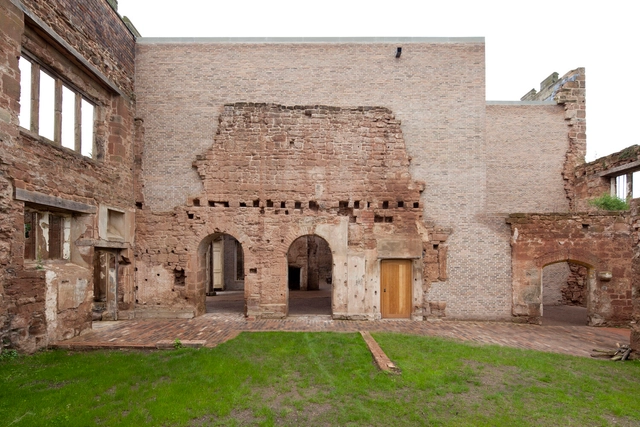
There is a particular kind of architecture that does not begin with a blank page. It begins in silence, in ruins, in walls shaped by time. It begins by listening. Rather than imposing itself, it draws near, slowly, choosing to touch rather than overwrite. This is an architecture that engages with the past through the lens of the present, not to erase it or mimic it, but to offer it continuity.
Contemporary architecture increasingly recognizes that to build with the past is not to be held back by it. Heritage is no longer seen as a constraint but as an active ground for design. Within this shift, pre-existence becomes more than a physical condition — it becomes a narrative thread, a structural and symbolic presence that invites care. Rather than asserting dominance, many architects today choose to respond with gestures that are deliberate, quiet, and precise. These interventions frame rather than replace, protect rather than obscure. In doing so, they allow history to remain visible, not as a backdrop, but as a living layer of the architectural experience.
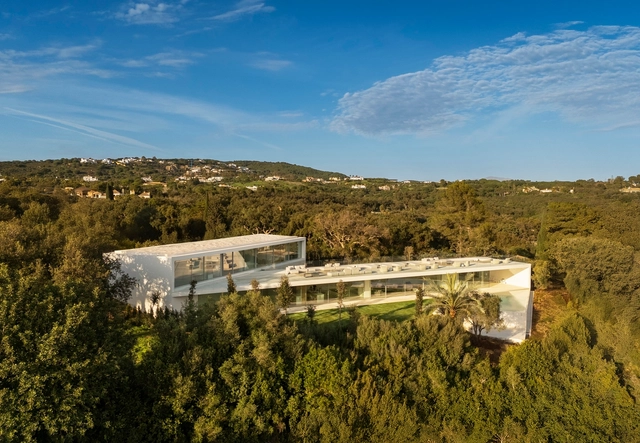
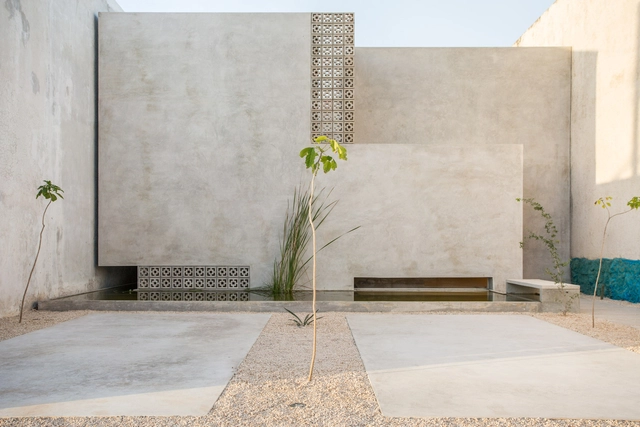
Due to its ability to mold and create different shapes, concrete is one of architecture's most popular materials. While one of its most common uses is as a humble foundation, its plasticity means that it is also used in almost all types of construction, from housing to museums, presenting a variety of details of work that deserves special attention.
Check out this collection of 40 projects that highlight the use of concrete. Impressive!
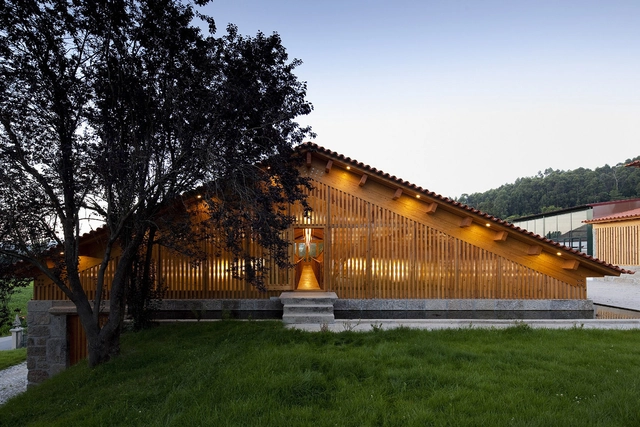
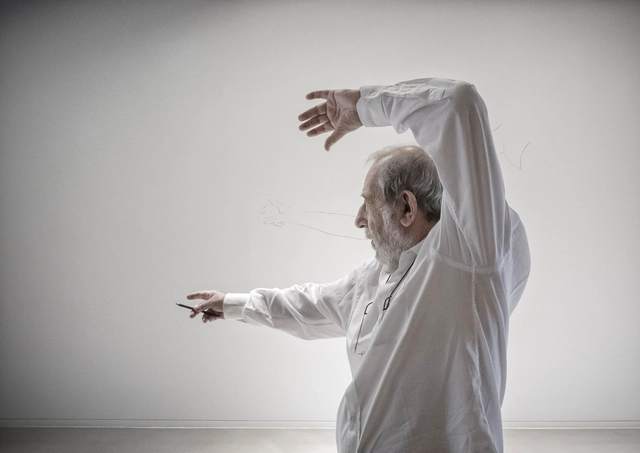
Álvaro Joaquim de Melo Siza Vieira, or simply Álvaro Siza, was born in Matosinhos, Portugal, on June 25, 1933. His first work – four houses in Matosinhos – was built in 1954, even before completing his studies at the School of Fine Arts from the University of Porto (current Faculty of Architecture of the University of Porto – FAUP), which happened a year later.
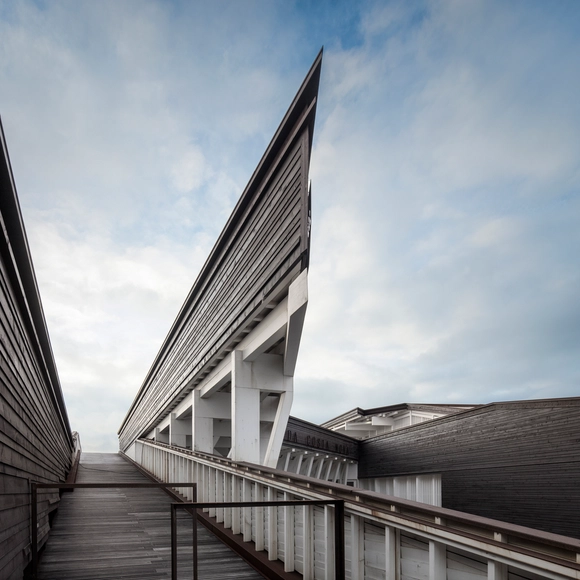

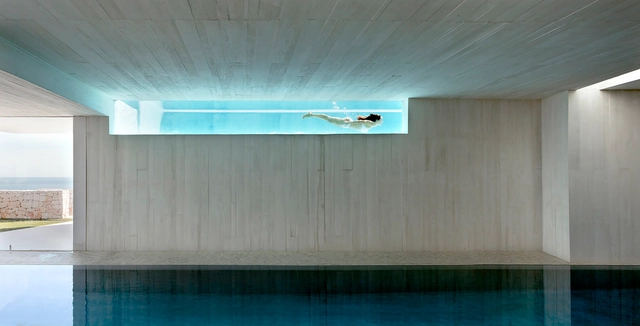
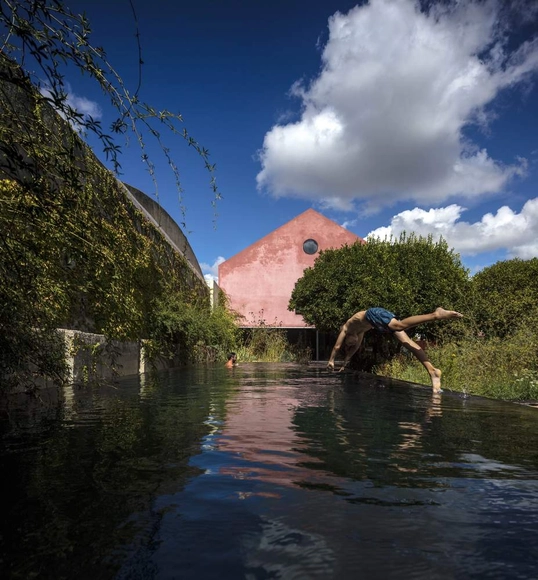
What's better than a house with a pool? A house with a pool that's part of the structure of the house. These projects show different ways to incorporate pools and how to resolve issues of weight, moisture and leaks. See the houses below, featuring photos by photographers like Mariela Apollonio, Kent Soh y Marcello Mariana.