

-
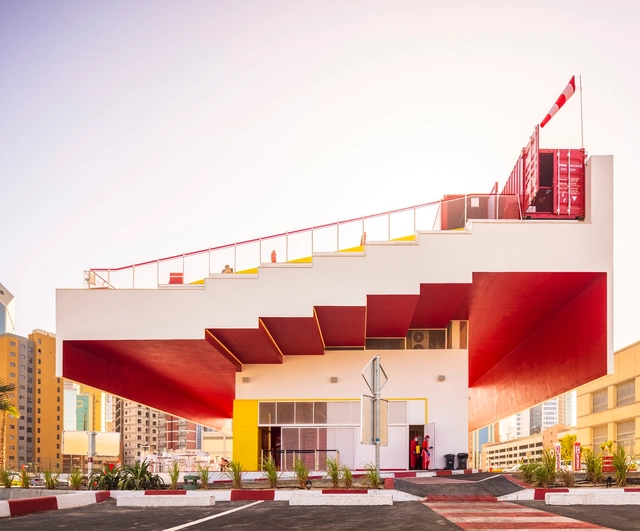
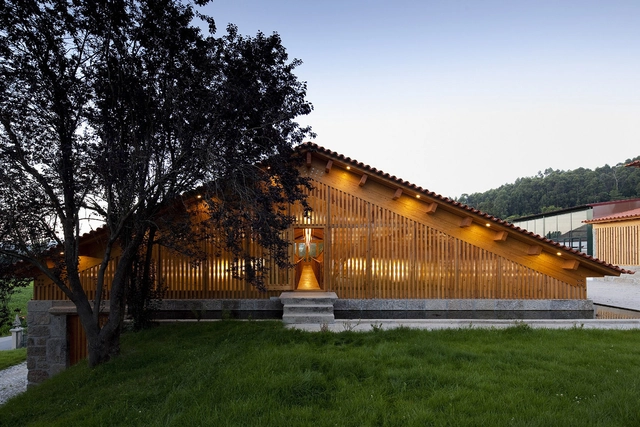
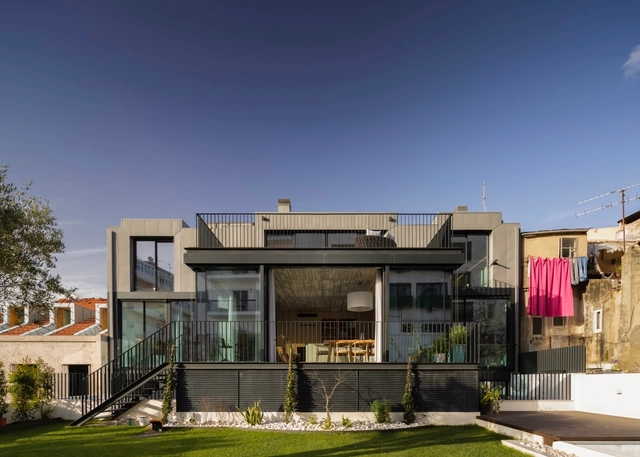
Architects: TAEP/AAP
- Area: 492 m²
- Year: 2022
-
Professionals: Light Design Portugal





At first glance, building a pool right beside another body of water seems a little redundant. After all, why would someone choose to swim in a pool when they have a river or ocean to enjoy? However, for people with limited mobility and younger more inexperienced swimmers, natural bodies of water can prove both daunting and dangerous. Pools not only provide a controlled, secure space for them to enjoy aquatic activities, they also provide a connection with the surrounding landscape.
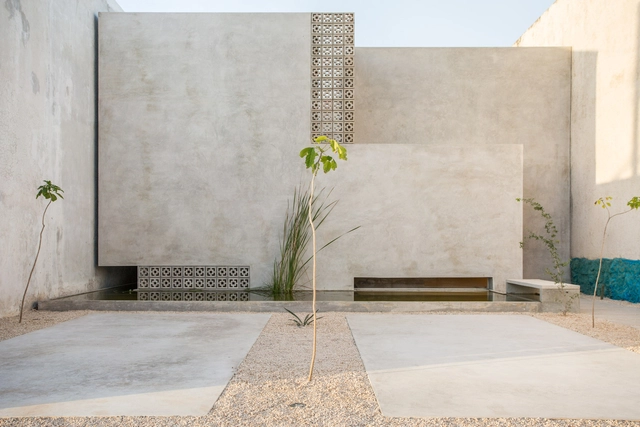
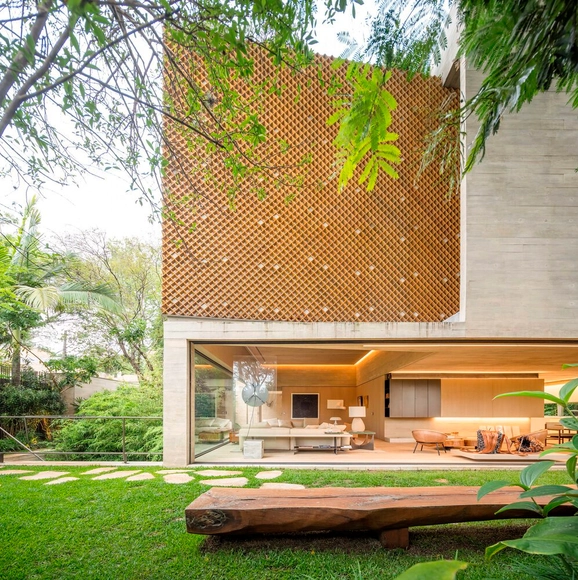
Due to its ability to mold and create different shapes, concrete is one of architecture's most popular materials. While one of its most common uses is as a humble foundation, its plasticity means that it is also used in almost all types of construction, from housing to museums, presenting a variety of details of work that deserves special attention.
Check out this collection of 40 projects that highlight the use of concrete. Impressive!
.jpg?1627321278&format=webp&width=640&height=580)

25 practices, sole practitioners, and startups from 5 continents and 18 countries have been chosen as part of the 2023 New Practices, the latest edition of the global annual survey by ArchDaily. Ongoing since 2020, the review detects and showcases those who are taking architecture in its new direction under unstable times and demanding challenges.
ArchDaily's New Practices has invited not only designers to apply but those practicing within the broadest definition of architecture and its exercise to share their innovative, fresh, and forward-thinking mission with us. As a result, the 2023 edition features designers, landscape architects, researchers, curators, activists, writers, and three ground-breaking startups—the modular construction U-Build, Urban Beta with their Beta Port building system, and the "Google Doc of Space Design" Rayon—thus joining previously highlighted firms: AEC-industry-oriented management software Monograph, energy transition startup Baupal, online design platform and marketplace CANOA, and 3D-printed housing company ICON.
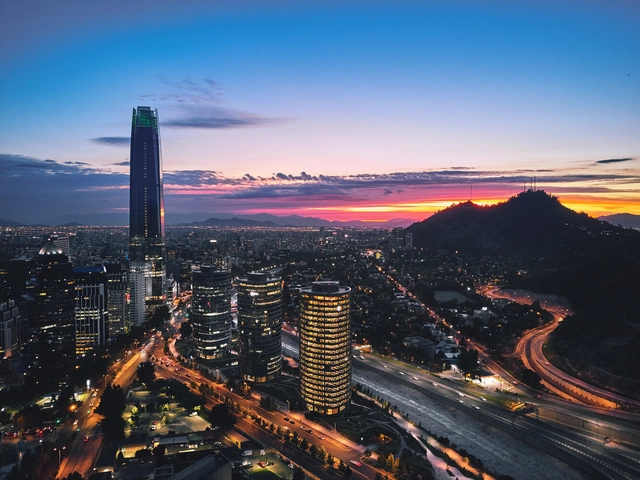
Founded in 1541 by the Spanish conquistador Pedro de Valdivia on indigenous settlements in the valley of the Mapocho River, Santiago is the capital and most populated city of Chile. This South American city is enframed by the Andes Mountains to the east and the Chilean Coast Range to the west, in addition to 26 island hills (cerros islas) scattered throughout the city. Some of these island hills have been converted into urban parks, such as Santa Lucía and San Cristóbal, while Chena, Calán, and Renca are in the process of expansion.




.jpg?1627321278)


