Throughout the history of architecture, the circle has been associated with multiple meanings—from the cosmic geometry of ancient temples and the oculus of classical buildings to the rose windows of Gothic cathedrals and the portholes of ships. However, in the 20th century, the circle acquired a new cultural meaning. As aviation, space exploration, and technological innovation transformed the way society imagined the future, circular forms began to evoke machines, spacecraft, capsules, and even new forms of habitation.
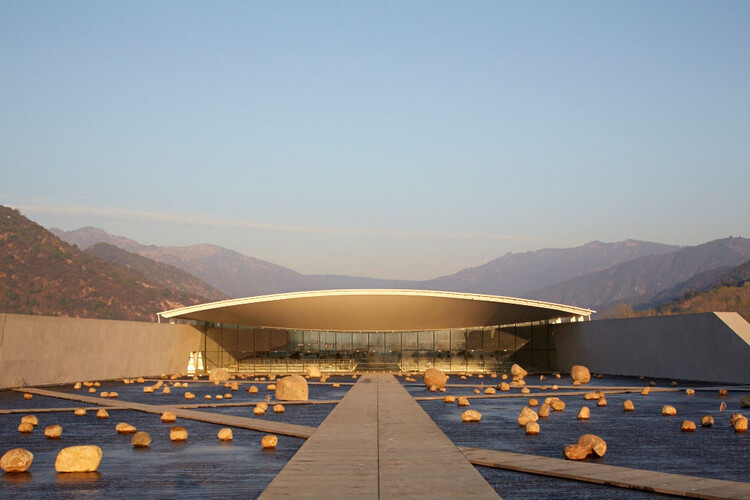
The 2026 Pritzker Price Award has been awarded this year to the Chilean architect of Croatian descent, Smiljan Radić Clarke. Born in Santiago, Chile, in 1965, his practice evokes a geography of extremes, shaped by the tectonic tension between the staggering weight of the Andes and the seismic instability of the territory. After graduating from the Pontifical Catholic University of Chile and pursuing further studies in aesthetics in Venice, Smiljan Radić Clarke established his base in Santiago. From there, he has developed one of the most singular visions in contemporary architecture. His work privileges the intensity of the moment through a fragile architecture. Within it, the building operates as a temporary and tactile refuge that places the spectator in a state of aesthetic uncertainty, oscillating between ancestral ruin and avant-garde artefact.
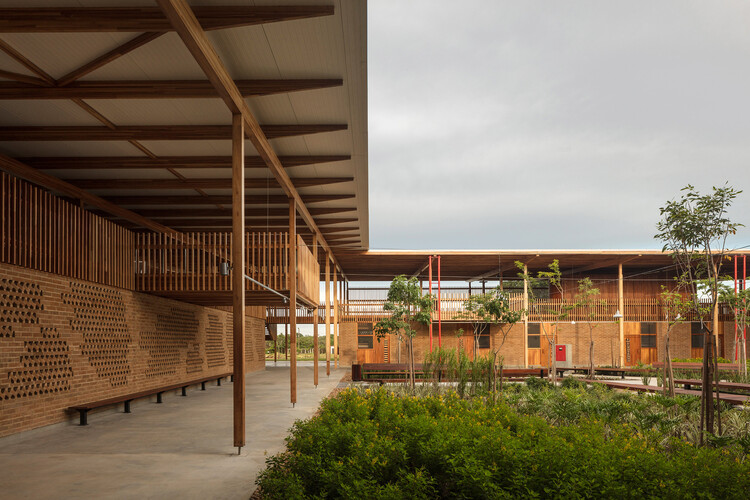
Across South America, architecture endures through the materials it uses, those that persist over time. Bamboo, brick, wood, and concrete appear across regions, connecting climate, labor, and culture in ways that ensure their persistence through generations. Their continuity does not depend solely on preservation or heritage. It depends on use.
In this context, cultural memory does not reside primarily in monuments or images, but in practice. It survives in repeated gestures: laying bricks, tying guadua joints, assembling wood frames, casting slabs that anticipate another floor. These actions are transmitted less through manuals than through participation. Over time, they form systems of knowledge embedded in habit and necessity. Materials endure not because they symbolize the past, but because they continue to work.
As cities continue to develop, we are seeing ever more well-planned, thoroughly executed, and tightly regulated approaches to shaping urban centres and their surrounding spaces—for better and for worse. As codes, restrictions, and guidelines improve and tighten, urban environments become safer, more balanced, and less prone to surprise. Yet the flip side is that highly managed districts can drift toward over-order and sanitisation, shedding the messy, accretive character that once produced alleyways, residual spaces, and unexpected sequences of movement—conditions often born from ongoing community improvisation in the grey zones of regulation.
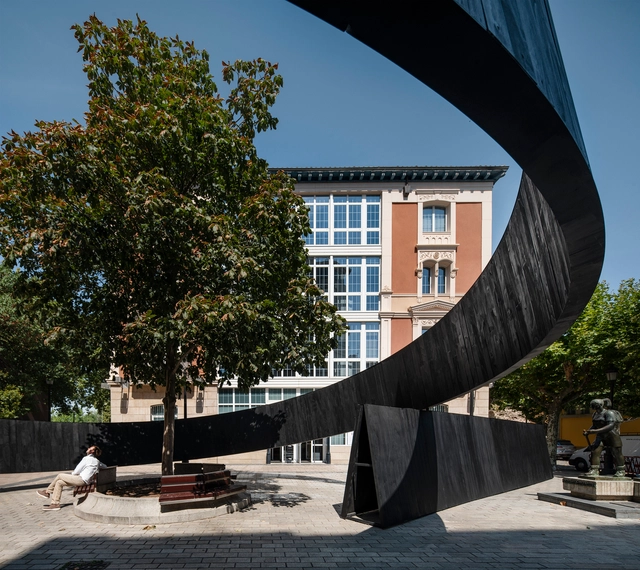
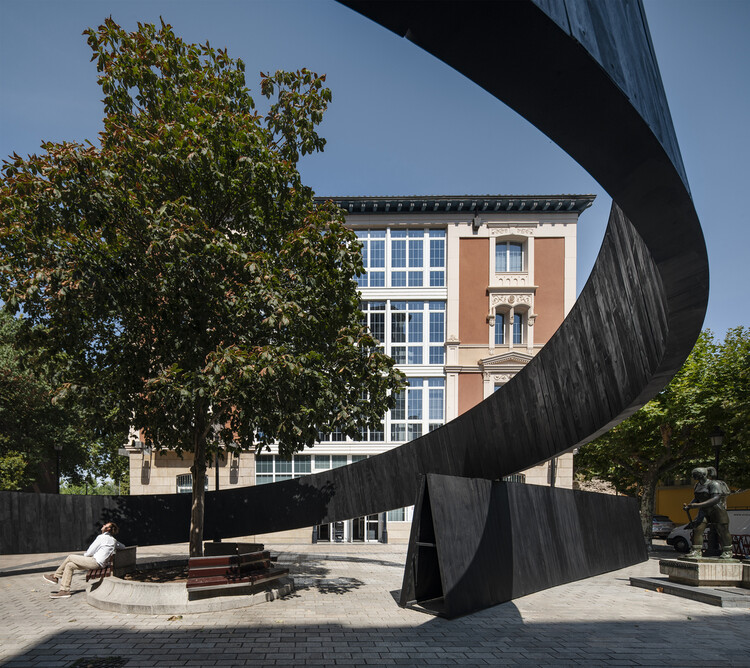
In response, a growing number of initiatives around the world are proposing short-term urban installations that test alternate futures for the city. These works aim to provoke dialogue between what the city is and what it could offer its communities through thoughtful, context-specific spatial practices. One notable example is Concéntrico, the international festival in Logroño, Spain, conceived as an urban innovation laboratory. Marking its tenth edition, the festival is about to publish Concéntrico: Urban Innovation Laboratory, a book that surveys a decade of urban design and collective transformation shaped through successive editions of the festival. Its launch is paired with an international tour designed to share a decade of insights on collective transformation and design.
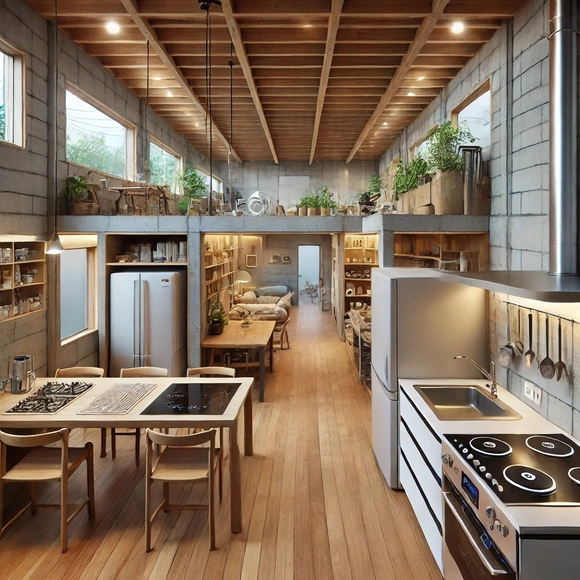
For many households in Latin America, fossil fuel- and biomass-based stoves and heaters, such as natural gas or wood, are an affordable and accessible option. However, these appliances present significant challenges: they are a source of greenhouse gas (GHG) emissions, contribute to indoor air pollution, and highlight the need for policies that promote a cleaner residential energy matrix. These challenges become even more urgent considering that 2024 was the hottest year on record, with a 1.5°C increase over pre-industrial levels driven by record GHG emissions from human activity, thereby underscoring the importance of adopting sustainable solutions across all sectors worldwide, including residential.
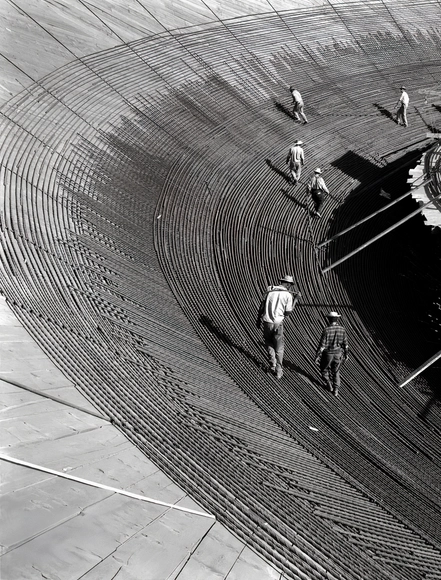
Wars, decolonization, economic crises, civil movements, and industrial-technological revolutions: the 20th century was a period of radical and far-reaching transformations. These upheavals reshaped societies and redefined how people expressed their evolving aspirations, with architecture leading the way. Machines and industrialization promised technological progress and modernization, advocating for a clean break from the ornamented, historically rooted styles of the past while embracing a vision focused on functionality, efficiency, and innovation. This shift, embodied by modernism, introduced new concepts, methods, and material uses—all shaped through experimentation.
https://www.archdaily.com/1026242/formal-and-material-experimentation-key-lessons-from-modernist-architecture-pioneersEnrique Tovar
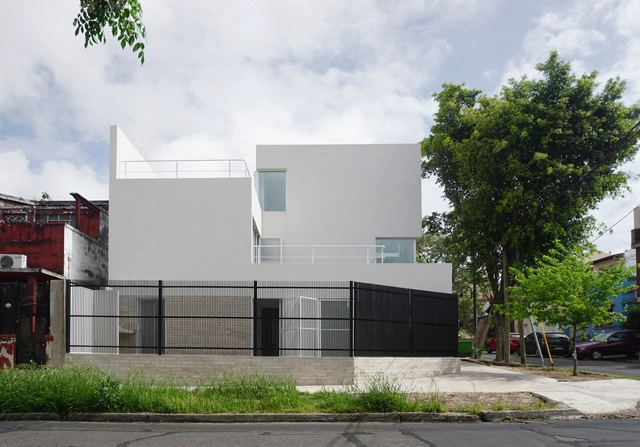
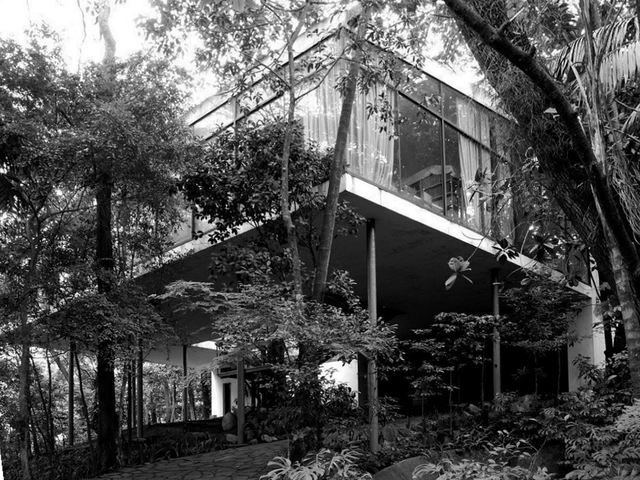
Much of the production of modern architecture on the American continent was based on the model of European architects who, with their works, projected the fundamental premises and ideas for modern living. These pillars of architecture were transferred and consequently adapted to the American territory, introducing, at the same time, their own characteristics according to the territorial, socio-cultural and economic context.
We understand that good architecture is that which serves as a model for solving problems inherent to the discipline of architecture in general. This is why certain references that we consider today as "classics" are examples of good architectural practices that have been appropriated by other architects, taking the pertinent and necessary elements to achieve a result in accordance with the particular context.
This Wednesday, October 9, the 19th edition of the Buenos Aires International Architecture Biennale will open to the public. The event, held once again at the Faena Art Center, will run until Sunday, October 13. Over the course of five days, the city will serve as a stage for reflections on sustainability, the environment, and new technologies applied to architecture and design. Alongside the central exhibition, the program will feature international lectures, workshops, and various installations distributed across key locations throughout Buenos Aires.
Architect Cristián Castillo Echeverría was recently awarded the 2024 National Architecture Prize, honoring, valuing, and recognizing his contributions to society and to the way of living in Chile. Awarded by the National Board of the Colegio de Arquitectos de Chile, the National Architecture Prize recognizes architecture professionals whose career and ethical and professional performance serve as an example to all colleagues, whether in architectural practice, academic or institutional settings, public service, or public administration.
On November 15, the Guatemala Architecture Biennial 2023 opened at the Miguel Ángel Asturias Cultural Center—one of the country's most important performing arts venues. While the previous 2021 edition recognized the importance of the city, architecture, and urban planning under the theme 'Mobility,' this latest iteration focuses on 'Public Space' under the slogan 'The City, Without Walls.' Over three days, this new approach will highlight public space as one of the most vital elements in urban planning, with a significant impact on citizens' social, psychological, and physical well-being.
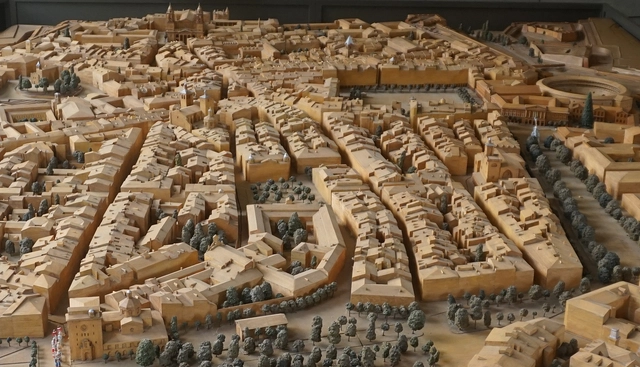
The architecture of Navarre is a faithful reflection of the cultural diversity of northern Spain. This is due not only to centuries of Romanesque, Gothic, Renaissance, and Baroque architectural influences but also to their combination with more recent modern works, which serve as the starting point for the "20th Century Architecture Guide of Navarre." This 250-page book is published by T6, featuring the collaborative work of José Manuel Pozo and an extensive documentation, editorial, and design team.
The book is a catalog of nearly 170 modern and contemporary architectural works, spanning from the mountainous and riverside regions to the historic center and the expansions of Pamplona, before opening the doors to the latest buildings constructed between 2000 and 2012.
On October 14, the 28th edition of the Latin American Meeting of Architecture Students (ELEA) began in San Juan, Argentina. Under the theme "Resilience – Territories and Challenges," architecture students from across Latin America are gathering to share knowledge, ideas, and experiences. The event features academic activities such as presentations, lectures, and exhibitions, alongside cultural and teamwork activities designed to promote collective participation, integration, exchange, and learning.
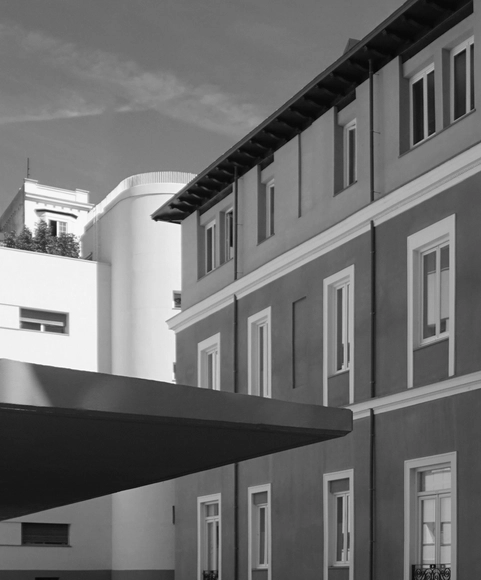
The exhibition "Engine of Equality: La Residencia de Señoritas (1915-1936)" will be open until October 15, celebrating a unique, iconic, and pivotal institution in promoting equality in Spain. It is housed in the Ortega-Marañón Foundation's recently opened cultural space—an expansion at the rear of the central "casa" in Madrid that joins the historic 1930s building designed by Carlos Arniches on the corner of Miguel Ángel and General Martínez Campos streets.
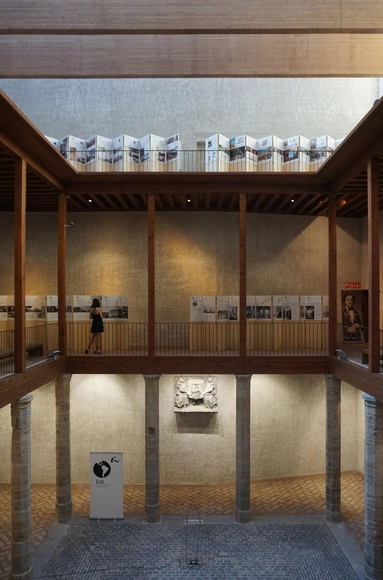
A new edition of the Latin American Architecture Biennial was inaugurated today, on September 26, in the city of Pamplona, Spain. The main program of the Biennial, featuring Ecuador as the guest country, will run until September 29 at The Condestable's House and the School of Architecture of the University of Navarra. Additionally, it will be complemented by extensions in Seville, Granada, Barcelona, and Madrid from October 2 to 5.
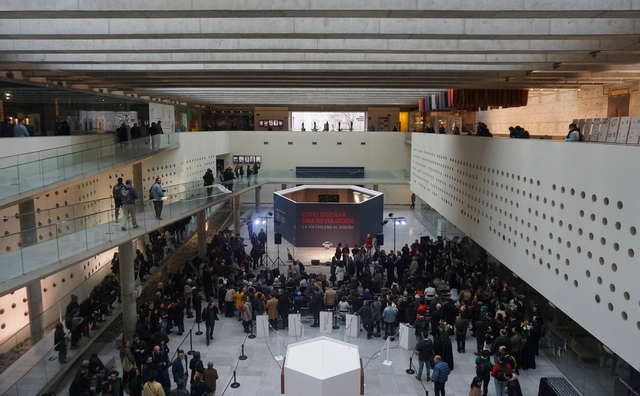
On September 7, the exhibition "How to Design a Revolution: The Chilean Road to Design" opened at Santiago's Centro Cultural La Moneda (CCLM), as part of the activities commemorating the 50th anniversary of Chile's civil-military coup. The exhibition showcases graphic and industrial design created during the administration of President Salvador Allende, bringing together over 350 original pieces and featuring a complete reconstruction of the Cybersyn operations room. The show will run until January 28, 2024.
Jointly produced by the Pontificia Universidad Católica de Chile, the Massachusetts Institute of Technology (MIT), and CCLM, in collaboration with the Ministry of Science, Technology, Knowledge, and Innovation and the Goethe-Institut Chile, the exhibition is curated by designer Hugo Palmarola and architect Pedro Ignacio Alonso—both recognized for winning the Silver Lion for Monolith Controversiesat the Chilean Pavilion during the 2014 Venice Architecture Biennale. Renowned Colombian science historian Eden Medina of MIT also participated in the project.