-
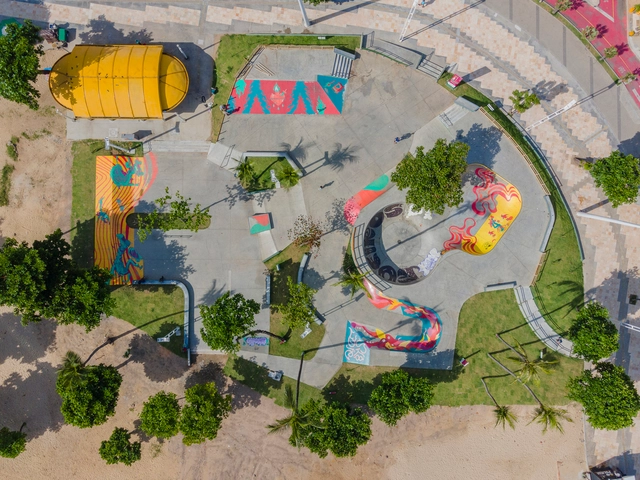
Architects: Richard Cole Architecture
- Area: 400000 m²
- Year: 2021
-
Professionals: Trish Dobson Landscape Architect, Westlake Punnett Engineers



Hearing – one of the human body’s five senses – enables our interaction with sound, a crucial factor for daily communication and much more. One commonly hears people say a place is noisy, but what exactly is the definition of noisy? Known as situations with unwanted sounds that interfere with daily activities, noisy places also have the potential to negatively interfere in society’s development.
Sound is measured in decibels (dB), and humans are able to resist a maximum average noise level of 85 dB without risking hearing damage. While a conversation usually ranges between 60 and 70 dB, according to the Federal Occupational Safety and Health Administration, workers at a construction site are exposed to an average of 90 dB during eight-hour periods.
Acoustical Surfaces, a company specializing in noise control, has developed a product guide for minimizing the transmission of sound, thus promoting healthier lifestyles.




It is expected that by 2050, the rapid depletion of raw materials will leave the world without enough sand and steel to build concrete. On the other hand, the cost of building continues to soar, with an increase between 5% and 11% from last year. And with respect to its impact on the environment, the construction industry still accounts for 23% of air pollution, 50% of the climatic change, 40% of drinking water pollution, and 50% of landfill wastes. Evidently, the construction industry, the environment, and the human race are facing several challenges that are influenced by one another, but it is the human being who is at the greatest disadvantage.
As a response to global challenges such as climate change, discrimination, and physical vulnerability, designers and engineers from across the world have developed innovative construction materials that put the human wellbeing first in urban, architecture, and interior projects.

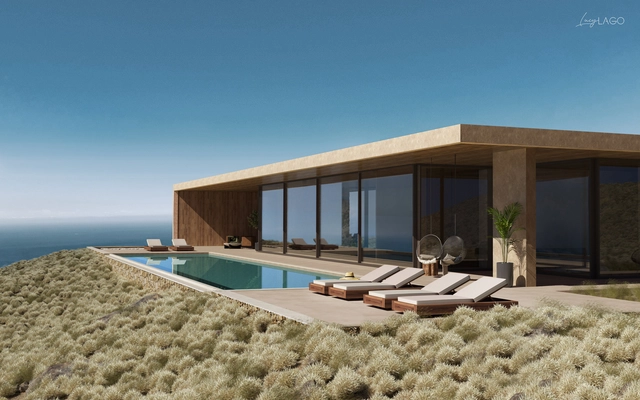
This week’s curated selection of Best Unbuilt Architecture highlights private villas submitted by the ArchDaily community. From a Mediterranean retreat in Greece to a one-person residence in Iran, this round up of unbuilt projects showcases how architects design private villas that combine contextuality and functionality in structures that promote comfort, privacy, and connection to nature. The article includes projects from Indonesia, Greece, Iran, and Jordan.