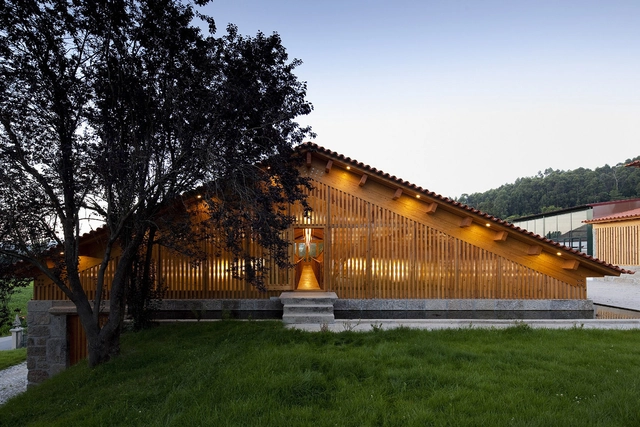
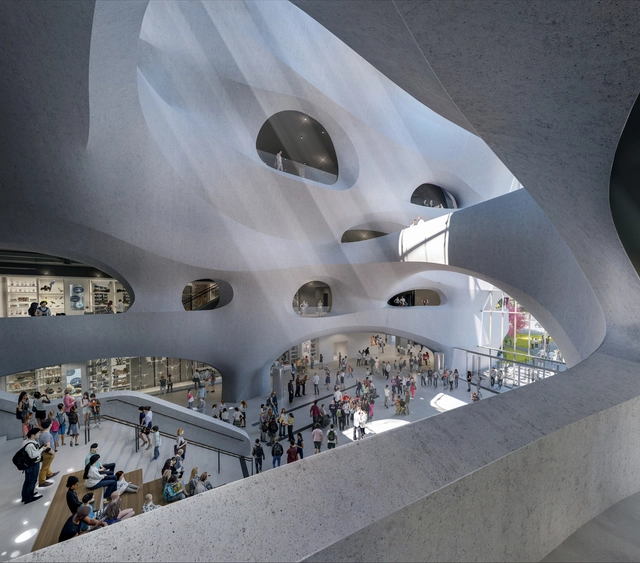
As the new year begins, we look forward to the most exciting projects planned to open in 2023. The world's second-tallest tower is currently under construction in Malaysia; Egypt is almost ready to open its largest archeological museum, while MVRDV is currently renovating a large-scale brutalist landmark in Albania. Featuring internationally renown architectural offices such as Snøhetta, OMA, Studio Gang, Zaha Hadid Architects, BIG, along with the latest winner of the Pritzker Prize, Francis Kéré, the following selection presents projects from all around the world. They also range in scale and program, from international airports to sculptural arts galleries or museum expansions.
Several projects presented here have also featured in the previous year's compilation. Resource availability and labor issues generated by the pandemic have also continued to influence opening schedules, but with a diminishing impact. Following the predicted trends for 2023, more and more projects involve the adaptive reuse of existing structures. An underlying theme is visible in the increased interest in expanding artistic and cultural venues and integrating historical heritage into the expression of contemporary architecture.
When we google 'housing in Copenhagen', the first thing that pops up are the most common questions asked by users: how much does it cost to live in Copenhagen? Is it difficult to find housing in Copenhagen? It's true, living here is significantly more expensive than the European average, especially in its most central district: Indre By. Although the housing prices are adapted to the salaries of its citizens –and the quality of life index is consistent with this high cost–, it's still complex for a foreigner to settle permanently in the city.
However, there is a serious commitment from the authorities and stakeholders to kindly open the city to new inhabitants, offering affordable housing designed by its best architects –both in suburbs and in refurbished downtown areas. In 2023, Copenhagen will be the UNESCO-UIA World Capital of Architecture and the host of the UIA World Congress of Architects, so a large number of people will be able to see firsthand what it's like to inhabit the city in projects of great architectural quality, which not only integrate wisely into its vibrant urban life, but also propose innovative ways of living.
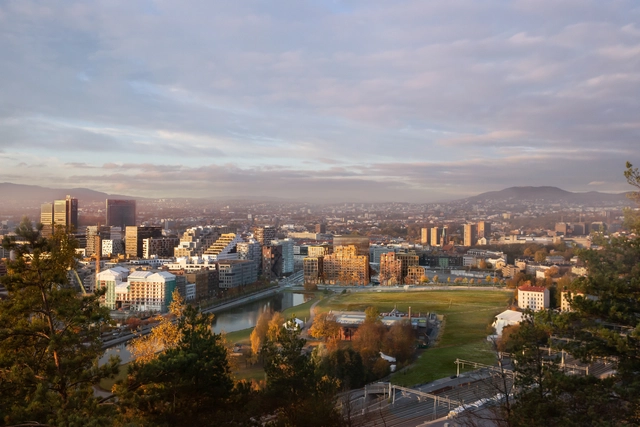
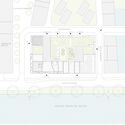
Norwegian architecture offices A-lab and LPO revealed the plan to develop the last remaining plot in Bispevika, part of the Fjord City, a large-scale waterfront urban renewal project in the center of Oslo, Norway. The intervention strengthens the connection between the historic medieval city of Oslo to the new Fjord City while also introducing cultural, creative, and commercial activities to the area. The project comprises five buildings forming a quarter. The proposed massing and height take a contextual approach as they are reduced toward important local monuments such as the baroque residence “Ladegården” with its baroque garden “Barokkhagen." The project is developed by Oslo S Utvikling (OSU), the same client behind the Barcode project, and in collaboration with landscape architects SLA.
Besides changing our perception of interior spaces, colors are an excellent device for architects. With them, it is possible to highlight some elements or areas, create rhythm in the environment and give possible hints on how the eye can travel through it. One of the alternatives to achieve these goals is to paint the structures, which can bring a solid identity to the project since its components stand out and make the spatial notion even more playful.
The demolition of the Pruitt-Igoe housing project will be 50 years old in 2022. Many ideas of how to live collectively have changed since then. Check out some housing projects in which the placement values encounters and community living.
The Pruitt-Igoe Housing Project, designed by Minoru Yamasaki, is considered a landmark of modernist architecture. Its high towers, inspired by Le Corbusier's Unité d'Habitation, which totaled almost 3000 units, set out to fill about half of the government-indicated housing deficit in the 1950s in St. Louis, USA. Besides the innovative architectural project, the government also bet on an interracial coexistence that involved poor and vulnerable strata of society - in the middle of the segregationist period in the United States.