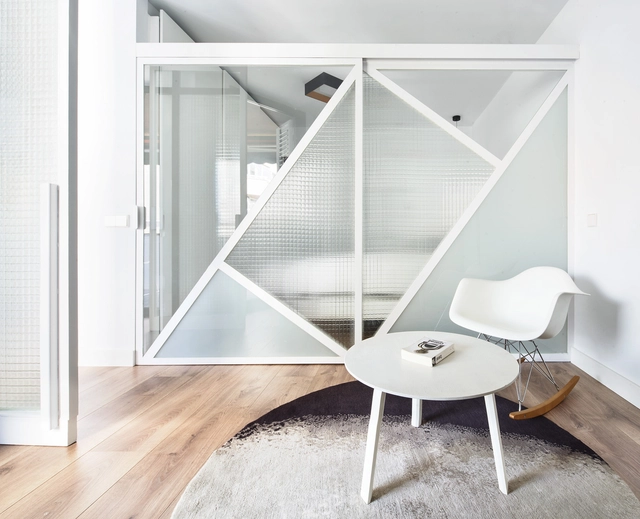
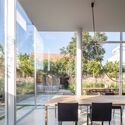
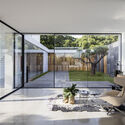
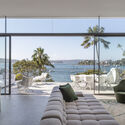
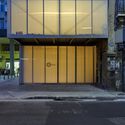
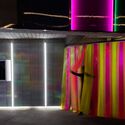
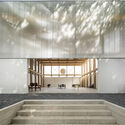
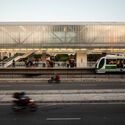
Glass is one of the most important discoveries of mankind. Originally used as a cutting tool, it has been around for about 75,000 years. The first records of glass making, however, date back to the Egyptian and Mesopotamian. Since then, the mastery of the manufacturing technique has been developing in different civilizations and nations until the Industrial Revolution popularized the material and allowed its production on a large scale. In architecture, glass was first used as a sealing element around 100 AD.
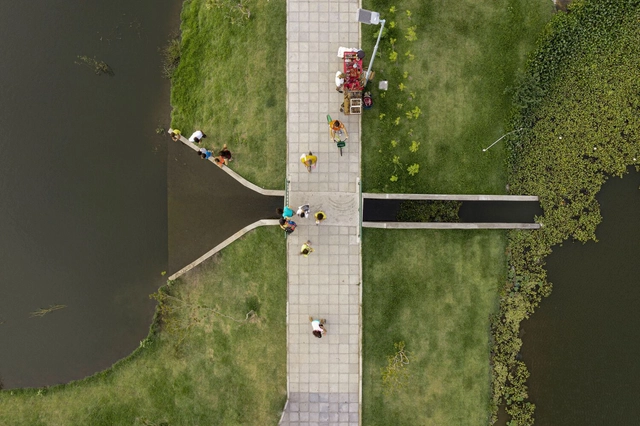
Besides reflecting the aspirations of a society, public spaces also configure the scenarios in which new ideas of coexistence and the collective can emerge from their qualities. Thinking about the streets, squares, parks, and even nature is a way of dealing with common ideals and ensuring the social dynamics in the relationship between bodies and the environment.
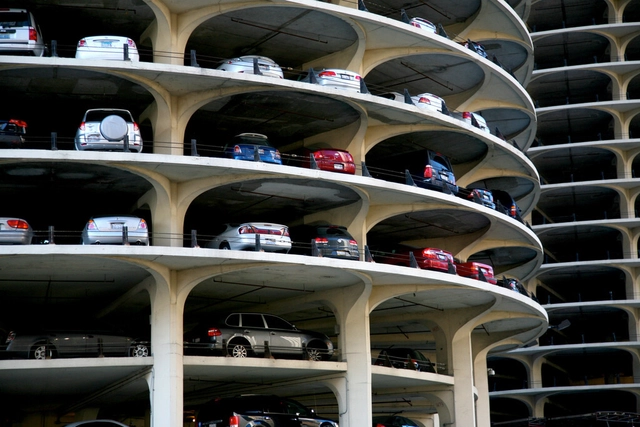
For every car that drives on the road, we need to find a place to put it- but are parking garages the answer? Parking garages are often seen as the antithesis of people-friendly urban planning. Large gray boxes are used solely to store cars that make temporary visits and seem like a poor use of space, especially in cities where land comes at a premium. Because of these garages, urban cores have quickly been transformed into parking districts, where vehicle storage dominates the aesthetic of a business district. Building codes only contribute to the problem, where the number of spaces is passed down as a mandate, even spreading out into suburban areas. Parking garages are everywhere- flanking shopping malls, connecting to residential towers, and surrounding sporting venues.
Manufacturers: Alma Light, Alves e Nicoletti, Bali Home, Bazar Familia Coelho, Bontempo, +23Capri Decor, Docol, Doimo, Estudio Elmor, Estúdio Bola, Hot System, Inove Design, Jader Almeida, Kholler, Konkre, Kujawa Mármores, Lattoog, Light & Co, Monofloor, Oda Design, Originale, Pedra Flex, Punto e Filo, Renomad, Simmetria Ambienti, Studio Tilli House, Tecnogran, Top Seal-23
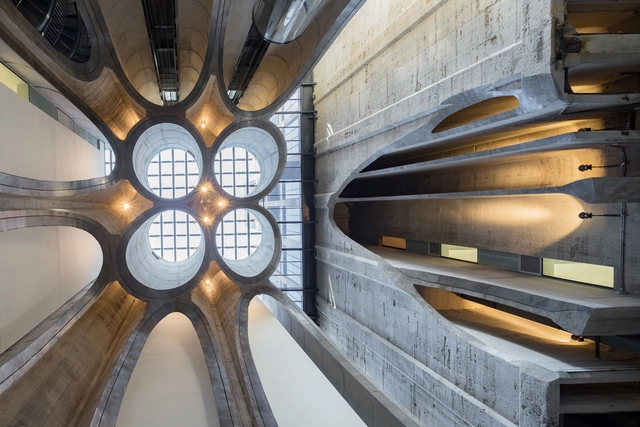
Hulking, imposing, and utilitarian, silos are an enduring urban feature, structures typically used for the storage of materials in bulk. They are important physical elements of the agricultural industry, storing grain, fermented feed, and other foodstuffs. These tall, typically cylindrical forms remain the subject of architectural fascination — from being symbols of technological progress for Modernist architectural figures of the early 20th century, to in contemporary times, instigating inventive approaches to adaptive reuse.
Le Corbusier once described architecture as “a learned game, correct and magnificent, of forms assembled in the light.” Natural light –and its accompanying shadow– plays a crucial role in shaping our perception of architecture, serving a long list of functions that define how users experience, engage and interact with buildings. From illuminating and accentuating to enhancing views and evoking warmth, the presence of daylight has the power to set a room’s tone and aesthetic language. It even has a significant impact on human health and well-being, including boosting mood and productivity, regulating circadian rhythms and reducing eyestrain and headaches –it makes our lives brighter, literally.
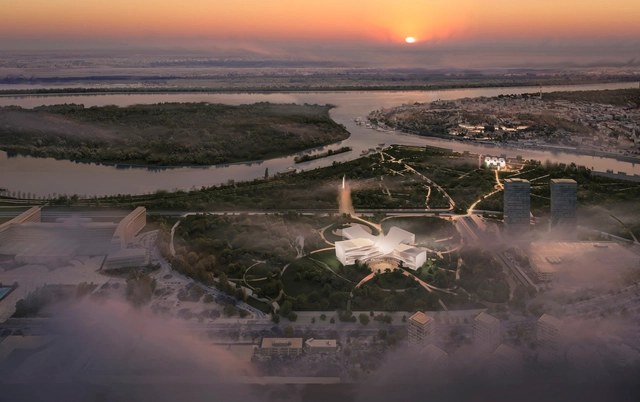
Following an international competition, London-based architecture studio AL_A has been selected to design the new BelgradePhilharmonic Concert Hall. The project will become a landmark for the Serbian capital, as it represents the biggest cultural investment in the region in the last decades. Located near the historic Palace of Serbia in New Belgrade, the Concert Hall features multiple performance, rehearsal, and creative spaces, including a 1,600 seats symphonic concert hall. The design team led by AL_A also includes landscape designers VDLA, engineers AFA Consult, and local architects Zabriskie. They are joined by Arup, who coordinates the acoustic and theatrical design.
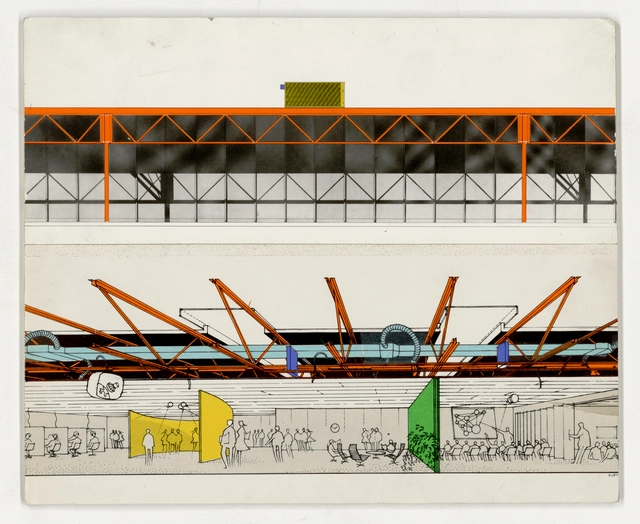
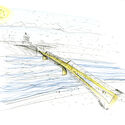
Newport School. Image Courtesy of The Norman Foster Foundation
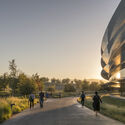
In May this year, The Centre Pompidou in Paris will debut the largest retrospective of Norman Foster's work from the past six decades. The exhibition spans nearly 2,200 square meters, exploring the various phases of the renowned architect’s career. Essential works including the Hong Kong and Shanghai Baking Corporation's headquarters (Hong Kong, 1979–1986), the Carré d'Art (Nîmes, 1984–1993), the Hong Kong International Airport (1992–1998), and the Apple Park (Cupertino, United States, 2009-2017) will be on display.
Foster + Partners, the Norman Foster Foundation, and Norman Foster are working to develop and execute the full retrospective. Through the lenses of the seven chosen themes: Nature and Urbanity, Skin and Bones, Vertical City, History and Tradition, Planning and Location, Networks and Mobility, and Future, the exhibition is set to become a full compilation of the architect’s work.
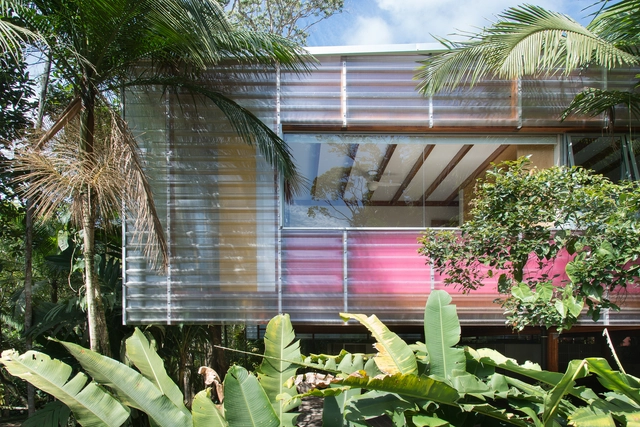
The use of translucent materials in Brazilian architecture has been a growing trend in recent years. Translucent laminated glass, polycarbonate and acrylic are just a few of them. They have different advantages and disadvantages regarding cost, impact resistance, and thermal and acoustic insulation. What outlines the common benefit between them is the constant dialogue they provide between interior and exterior.