

-
Architects: Waechter Architecture
- Year: 2022
-
Manufacturers: Sierra Pacific Windows
-
Professionals: Chalus Construction Co., Grummel Engineering



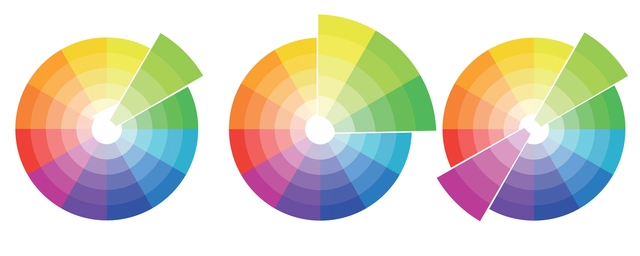
Even though Isaac Newton’s experiments and observations led to the development of the color wheel during the 17th century, his revolution in the understanding and application of colors continues to influence the creation of architecture and design projects. Arranging colors in a circular format, Newton mapped the color spectrum to create the first color wheel. As a visual representation of how colors relate to each other, it has been a fundamental tool for artists, architects, and designers to understand color relationships and therefore create appealing palettes for each space. Beyond merely “eyeing” color combinations, applying the color theory based on the geometric relationships in the color wheel helps designers determine which colors are suitable together. Color has the ability to play with spatial perception, create a sense of atmosphere, and evoke emotional responses, making it essential for design.
By exploring the multiple possibilities of the color wheel, we create a guide to enhance architectural design through three color combinations: monochromatic, analogous, and complementary.

Some architects have left their mark on history; one such case is Antonio Gaudí. Through his nature-inspired conceptions, he became the foremost representative of Catalan modernism. The impact of Gaudí's work can be seen on various architectural scales, including the Sagrada Familia, Parc Güell, Colònia Güell, Casa Milà, and Casa Battló, the latter being an iconic landmark of Barcelona’s architecture.
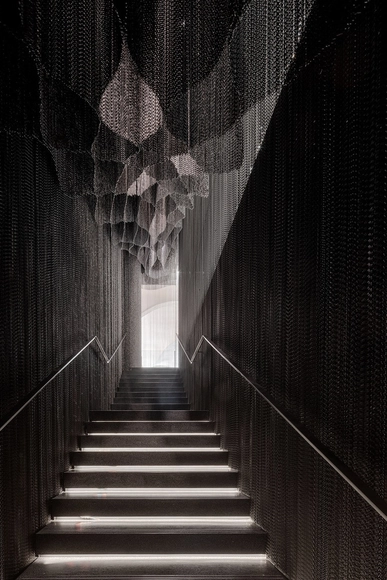
Casa Battló emerged from the renovation of an 1877 building, which was acquired in 1903 and subsequently commissioned to Gaudí for its transformation. Inspired by animal forms, particularly those of the ocean, the facade and interior were renovated using curves and a combination of vibrant colors. This intervention marked a turning point for the house, as it significantly changed the facade, redistributed the interior, and provided a sublime interaction with natural light. Following the nature of the renovation that began with Gaudí, a new interior project for the stairs and atrium of Casa Batlló was developed in 2021. This renovation is the result of a dialogue between the anodized aluminum chains developed by Kriskadecor and the abstraction of the ingenious use of light in Casa Batlló through Kengo Kuma's design.
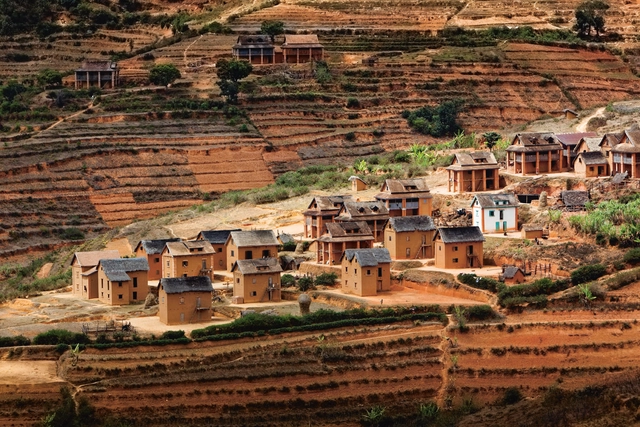
As the challenges posed by climate change increase in number and intensity, it also heightens the need to find sustainable building practices that connect to ecosystems and livelihoods rather than harm them. While often overlooked in the search for innovation, vernacular architecture can offer answers to contemporary issues. This type of architecture not only relies on readily available locally sourced materials but also on indigenous knowledge of local conditions like sun orientation, wind patterns, ventilation needs, and the behavior of materials in time. Dr. Sandra Piesik, director and architect of 3 ideas, and founder of HABITAT Coalition, explores this potential in her newest book, 'Habitat: Vernacular Architecture for a Changing Climate.'
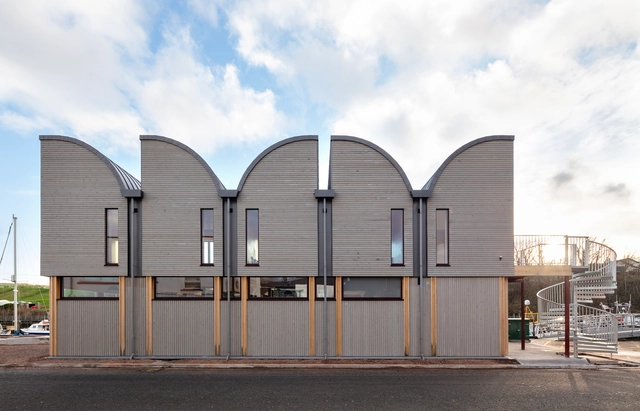
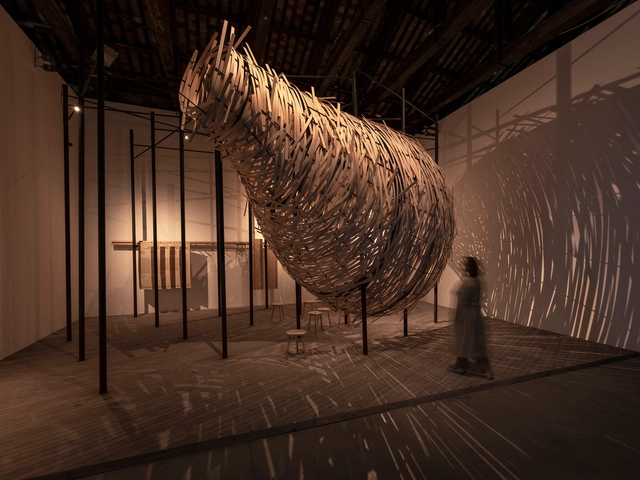
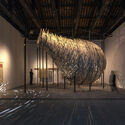
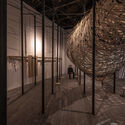
The Croatian Pavilion at the Venice Architecture Biennale 2023 celebrates the harmonious coexistence of the wild and domesticated, natural and man-made, and inanimate and living elements. Modeled after the Lonja Wetlands in Croatia, where communities that have adapted to the continuously shifting landscape have coexisted harmoniously for generations to create a dynamic habitat, the Pavilion is a hub for ongoing research into potential futures through educational experimentation and practice. The exhibition was curated by Mia Roth and Tonči Čerina, in collaboration with their design team: Luka Fatović, Vedran Kasap, Ozana Ursić, Niko Mihaljević, and Ivica Mitrović .“Same As It Ever Was” places a focus on the connections among actors from various backgrounds around the world.
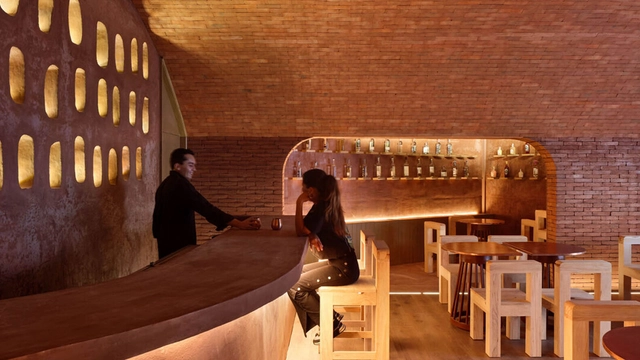
Mezcal is a Mexican beverage that has gained great popularity in the last decade. Its history dates back to pre-Hispanic times when cultures consumed various drinks derived from the agave plant in different ways. During the pre-Columbian period, this plant was used for various purposes, ranging from food to the production of fibers and medicines. However, within the different processes, they discovered that they could ferment and distill the juice of the agave to obtain an alcoholic beverage, which they called "pulque".
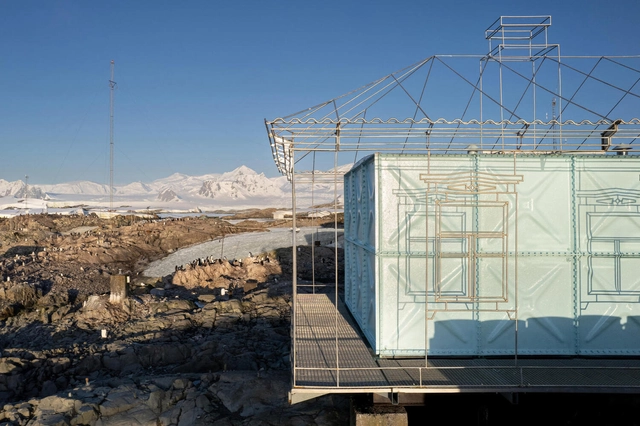
Einstein’s Special Theory of Relativity introduces the mind-blowing concept that time – as we know it – is not as stable and reliable as it first seems. As a defining characteristic upon which all of human history is referenced, the fallibility of time is a confusing prospect. 15 minutes, for example, seems an eternity while waiting in line, and yet the 300,000 years of human history equates to less than a day in the lifetime of the Earth.
So when we talk about ‘saving the planet’ by slowing and reversing climate crisis, what we really mean is extending our own existence upon it. Because no matter what we do, this rock will continue to spin for billions of years yet. In reality, humanity itself is only a temporary installation.
These four outdoor installation projects use the Earth’s environment and borrow its resources to investigate our human relationship with time, and how it affects our lives down here on the surface.

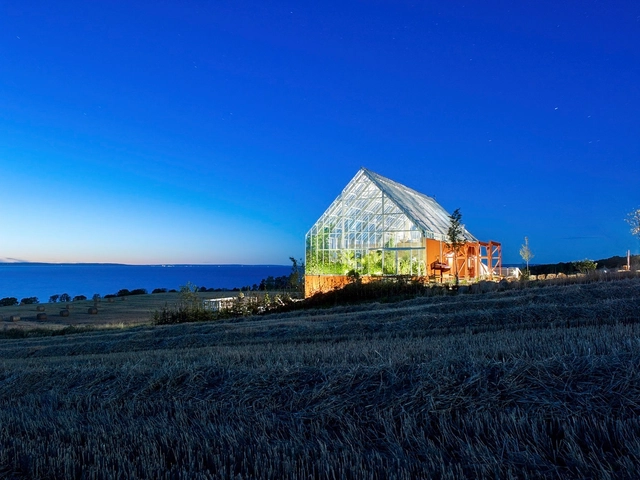
Researchers point out that "proto-greenhouses" arose to fulfill the desire of the Roman Emperor Tiberius (42 BC to 37 AD) to eat cucumbers every day of the year. Since it was impossible to grow the vegetable on the island of Capri in winter, his gardeners developed beds mounted on wheels that they would move into the sun when possible, while on winter days they would place them under translucent covers made of Selenite (a type of gypsum with a glassy appearance). But the production of large-scale greenhouses only became possible after the Industrial Revolution with the availability of mass-produced glass sheets. Since then, they have been used to grow food and flowers, forming a microclimate suitable for plant species even in places with severe climates. But in some cases, these artificial growing conditions can also form interesting living spaces. The recent Lacaton & Vassal awards rekindled this interest. How is it possible to create greenhouses that can be good for both humans and plants?