


-
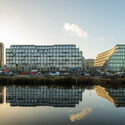
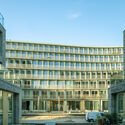
Architects: Carter Williamson Architects
- Area: 197 m²
- Year: 2022
-
Professionals: David Fletcher Constructions


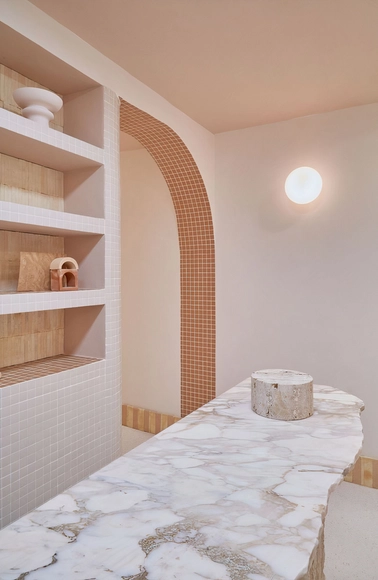
Aiming to balance the calm and uniformity of minimalism with the tactile appeal of raw, textured materials, ceramics emerge as a versatile medium to bridge the gap between sterile spaces and those that might become overwhelming. Whether incorporating large formats or small mosaics, or embracing organic or geometric aesthetics, the diverse range of ceramic options enables the infusion of character into spaces while maintaining a sense of order and cohesion. But it is not a simple task. In the pursuit of this harmonious blend, we explore specific types of ceramic cladding that have been effectively applied in architectural projects, enriching the visual language of minimalism while grading its complexity with precision.


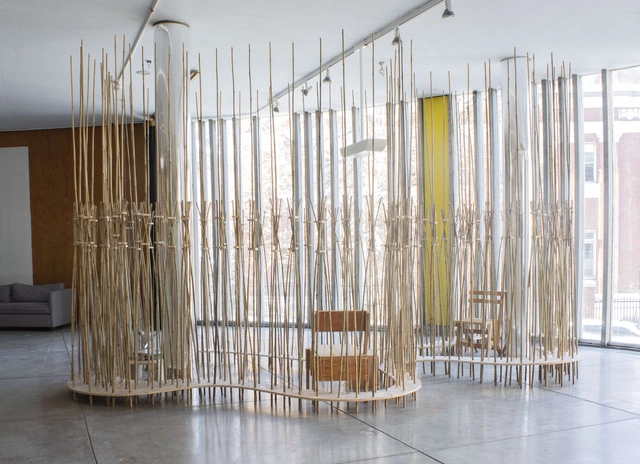


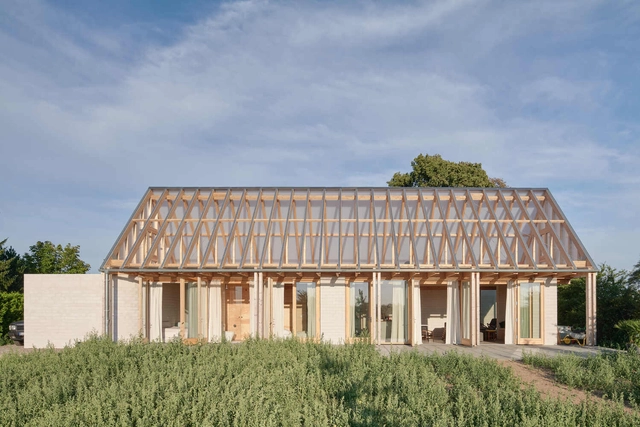
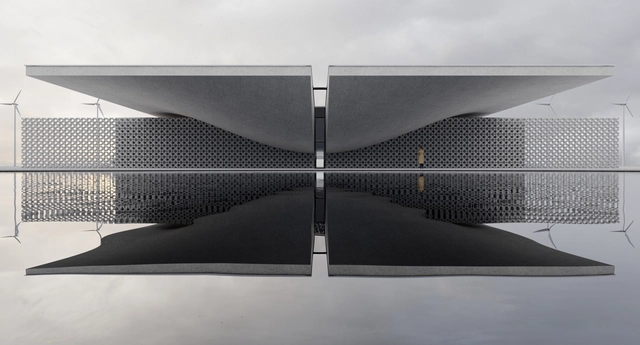
Whether temporary or permanent, pavilions and urban installations represent an opportunity for architects to experiment with different shapes, materials, and textures. The results are often theatrical, welcoming visitors to new types of spaces, and blending the exterior and the interior. Pavilions are often commissioned for events, exhibitions, or cultural programs, offering opportunities to explore innovative materials, construction techniques, and spatial concepts on a smaller scale. Some events, like the Serpentine in UK or the MPavilion in Australia, propose a yearly reimagining of their structures, offering opportunities for established and emerging architects to express themselves. Others, like the Venice Biennale, reuse the permanent garden pavilions, but invite curators to prepare exhibitions to reimagine them for every edition.
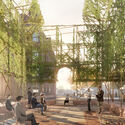
This week's curated selection of Best Unbuilt Architecture highlights projects submitted by the ArchDaily community showcasing pavilions and urban installations proposed in various environments, from urban plazas to agricultural fields or even airports. In Frankfurt, a translucent foliage-covered structure aims to honor the memory of a lost synagogue. in Ukraine, a visitor center reimagines an industrial landscape into an attractive meeting place, while a decentralized installation in the Netherlands hopes to bring communities together by collecting and sharing stories on scents. Whether temporary or permanent, these projects aim to provoke reflection and contemplation, while addressing larger themes of sustainability, resource availability, or the role of social spaces.
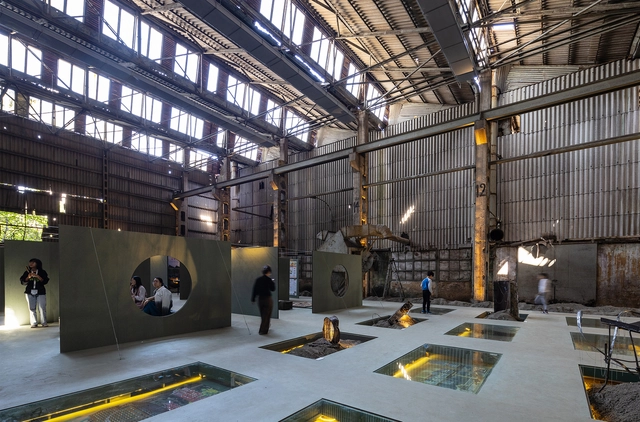
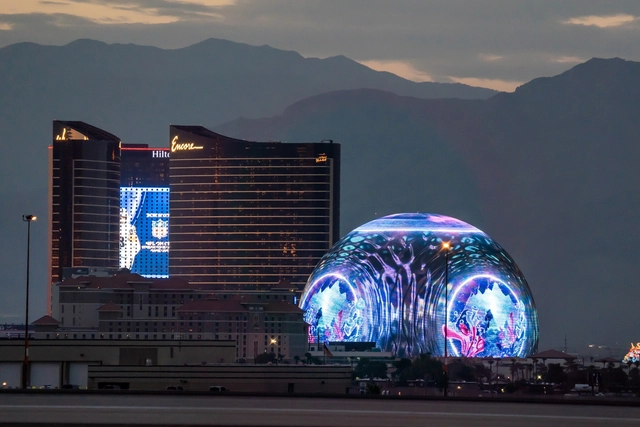
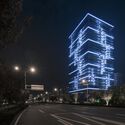
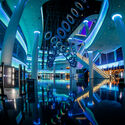
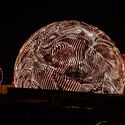
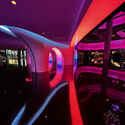
The Sphere at the Venetian Resort, previously known as the MSG Sphere, opened to the public with a series of concerts headlined by Irish rock band U2 on September 29, 2023, in Las Vegas. Designed by stadium specialist architecture office Populous, the project was first announced in 2018. Measuring 34 meters in height and 157 meters in width, the venue, whose building costs rose to $2.3 billion, is labeled the world's largest spherical structure, with its exterior clad in a high-resolution LED screen. The project, located east of the Las Vegas Strip and connected to the Venetian resort complex, is designed to host various events, including music, film events, and even some sports. To reveal the complete experience of this venue, new interior images showcase the intricate details and immersive atmosphere within.
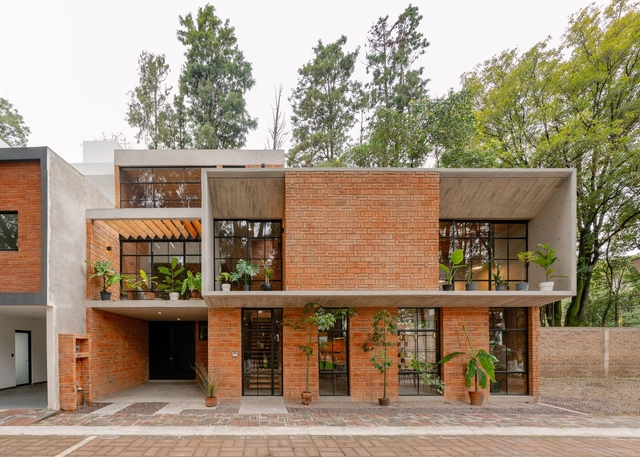
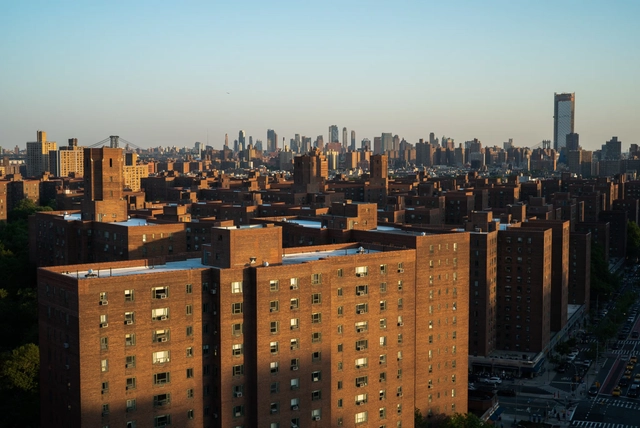
In the ever-evolving landscape of urban development, cities are faced with an array of challenges that demand quick and innovative solutions, ranging from the critical issue of affordable housing to the pressing need for efficient and decongested infrastructure and sustainable energy practices. As the demands of the built environment expand, local authorities worldwide are redefining policies and regulations to shape their cities. These innovative regulations can drive sustainable and consistent progress as cities stand at the intersection between their present challenges and future aspirations.


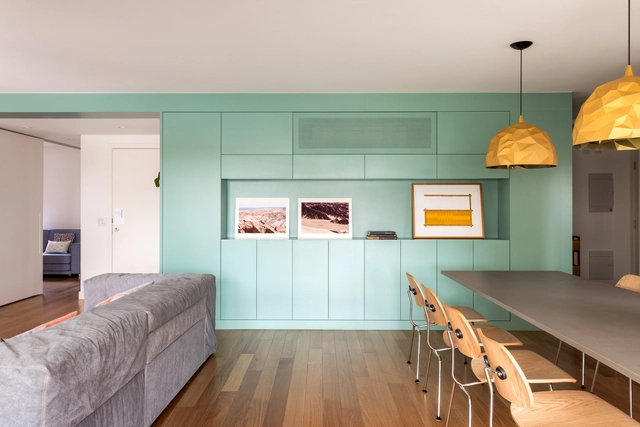
As temperatures rise, the demand for air conditioning is on the upswing. Recognizing its near indispensability in modern life, we seek more energy-efficient options in response to the climate crisis while considering how architects and designers can integrate these units discreetly into rooms. The challenge is to keep their primary function, cooling the environment, without drawing too much attention. In this context, we've compiled some tips on concealing air conditioning units to ensure a harmonious overall composition in the space.
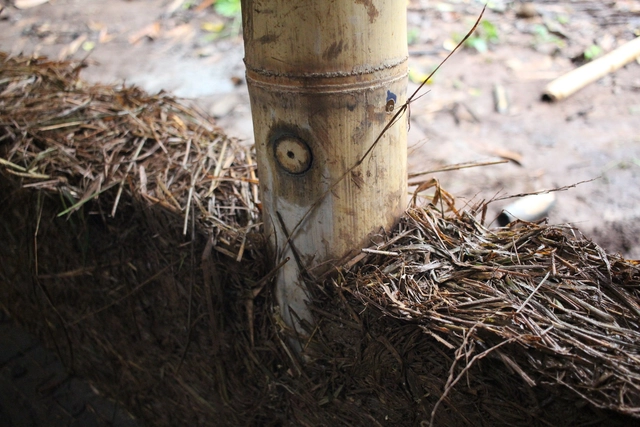
By recognizing and analyzing the multiple architectural possibilities of bamboo—a construction material mostly native to warm and tropical areas—the following questions arise: How can we take advantage of its qualities and enhance its use in colder climates? Such regions necessarily require a certain level of thermal isolation in walls, floors, and roofs—but for these climates, we can combine bamboo with materials that complement it.
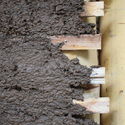
We spoke with Penny Livingston-Stark, a designer and professor of permaculture who has worked for 25 years in the field of regenerative design based on non-toxic natural materials, to understand the opportunities offered by combining bamboo with earth.