

-
Architects: Sejpal & Raje Architects
- Area: 670 m²
- Year: 2023
-
Manufacturers: Cera-duravit, Jaquar, MS windows
-
Professionals: Mrinmayee consultants, SAPA Architects



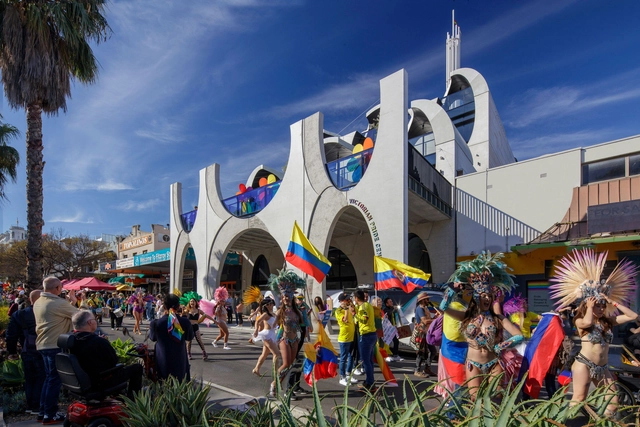
Evolving theories in urban design seek to reframe how cities are built and experienced. As theory and practice grows more empathetic towards the needs of its diverse stakeholders, queer urban design brings a broad and holistic shift to understanding identity and community in publicly inhabited spaces. The approach challenges traditional - often rigid - methods of city planning by applying principles of queer theory to reflect fluidity and interconnectedness. On occasion of Pride Month 2024, ArchDaily investigates the building blocks of "queer urban design" to influence city planning practices to be more inclusive.
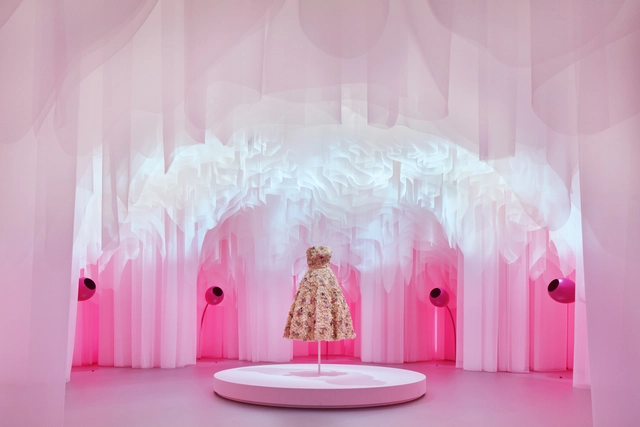
This June, the Roppongi Museum in Tokyo is hosting an exhibition titled "Miss Dior: Stories of a Miss." Designed by OMA/Shohei Shigematsu, the display presents the 78-year legacy of the renowned Miss Dior perfume, which was launched alongside Dior's revolutionary "The New Look" in 1946. Organized as a journey through seven rooms, the exhibition design features not only the perfume and related memorabilia but also explores the various inspirations and collaborations that have shaped its cultural significance.

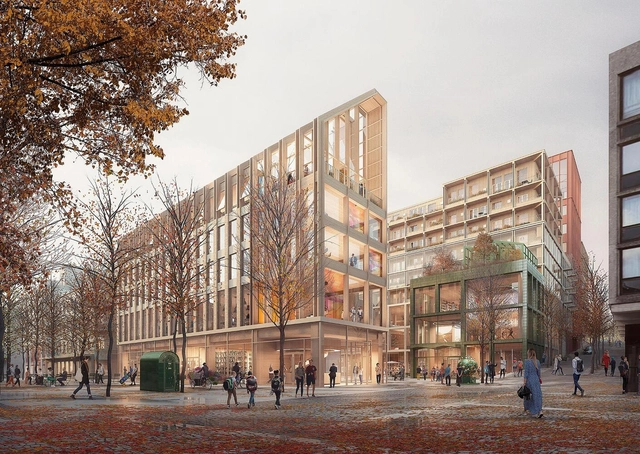
C.F. Møller Architects has just been declared the winner of the urban competition to develop the Luna District in Södertälje, Sweden. Their proposal, “The Sky is Our Roof” outlines the transformation of the Luna District, known as Lunagallerian, representing one of the most extensive urban development projects in Södertälje’s history. Set to be reimagined into several open urban districts, the project was selected out of 35 architectural firms.
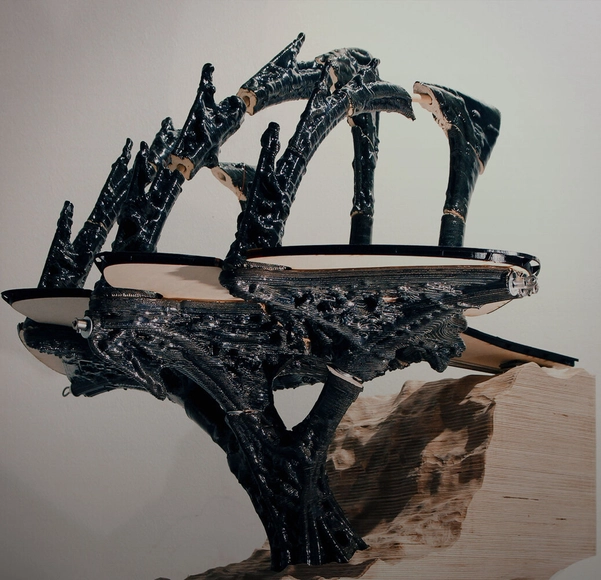
We are thrilled to announce our upcoming July workshops in collaboration with our ArchDaily Plus partner, Parametric Architecture. These workshops have been thoughtfully curated to empower architects, designers, and enthusiasts by providing them with the latest insights and skills in the dynamic realm of parametric design. Guided by industry experts and visionaries, these immersive sessions will explore cutting-edge techniques, innovative tools, and practical applications, creating an inspiring and dynamic learning environment where participants can take their design expertise to unprecedented levels.