

-
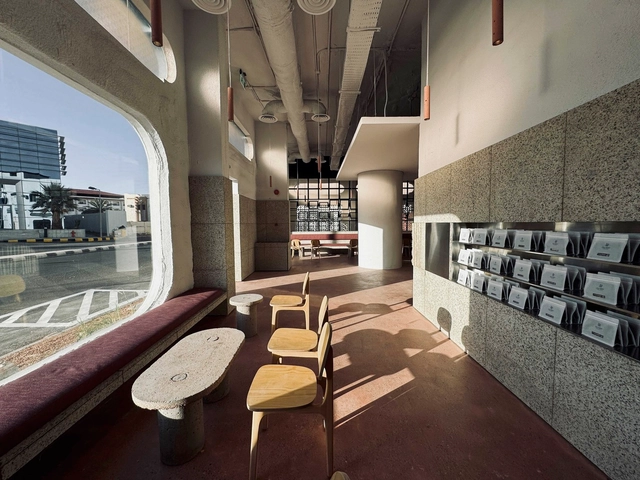
Architects: Faris Alosaimi
- Area: 325 m²
- Year: 2024


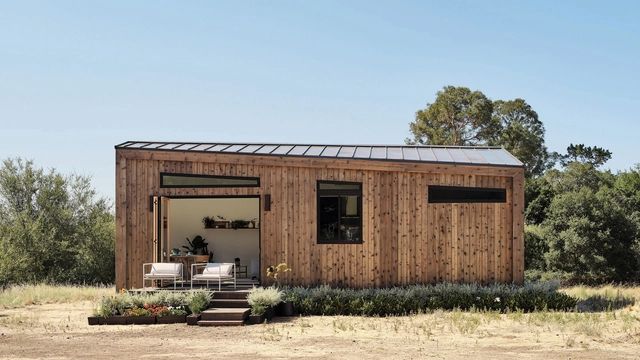
Cities in the US are embracing Accessory Dwelling Units (ADUs) to address the nationwide housing crisis. Often built on existing single-family home lots, ADUs offer an affordable option for increasing housing availability in established neighborhoods. However, like any new housing development, effective regulations are critical for widespread adoption. Los Angeles has emerged as a testing ground in using ADUs to address its housing shortage, providing valuable insights for other cities. The city's experience underlines the challenges of establishing regulations, while also promoting the benefits of ADUs as an affordable housing solution.

Waste is a key topic in the discussions regarding climate change, and the familiar call to reduce, reuse, and recycle continues to be a valid imperative that applies to everyone, and on whatever scale. Still, some industries need to pay special attention to the materials used, and construction is certainly one of them. With construction and demolition waste (CDW) accounting for approximately 25% - 30% of all waste generated in the EU, it is a challenging area that is in desperate need of reinvention, when it comes to materials. As one part of a holistic approach, EPDM (Ethylene-Propylene-Diene Terpolymer) membranes such as Elevate’s RubberGard EPDM can help significantly reduce the environmental impact of buildings. Here’s why.

SITELAB urban studio and Field Operations have revealed a design proposal to reimagine San Francisco’s iconic Powell Street. The street used to be one of the busiest pedestrian corridors in its district and a popular tourist attraction, with cable cars running up and down the street and connecting Union Square and Hallidie Plaza. Across the most popular three-block stretch, the storefronts have become mostly vacant. According to the San Francisco Chronicle, one of the reasons was the Covid pandemic, which led to a further decrease in tourism and in commercial activities. Now a new project led by designers SITELAB urban studio and Field Operations aims to revive the now underutilized transit corridor and to catalyze a renewed interest in the area.

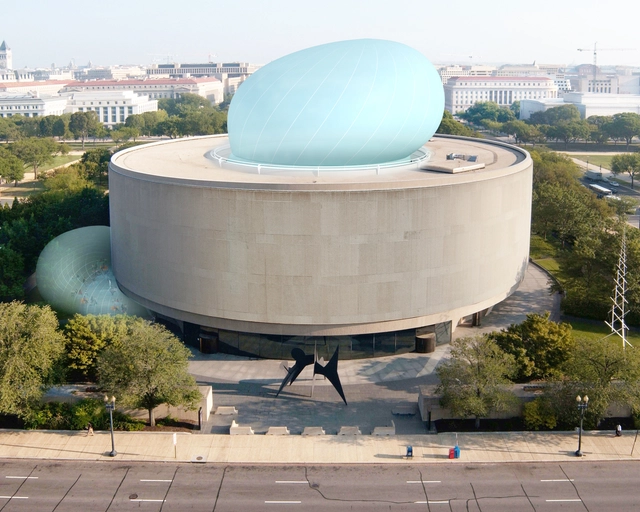
Brutalist buildings are a significant component of Washington, D.C.’s architectural identity. In the National Building Museum’s new exhibition, Capital Brutalism, this identity is explored further. Co-organized with the Southern Utah Museum of Art (SUMA), Capital Brutalism is a comprehensive exhibition of Brutalist architecture in Washington, D.C., to date, running until February 17th, 2025.
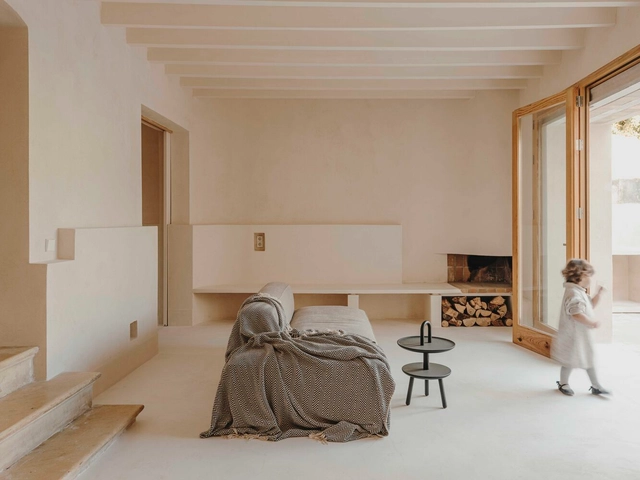
The history of the use of lime in the construction industry dates back thousands of years, spanning cultures and communities worldwide. In fact, around 4000 B.C., the ancient Egyptians used quicklime mixed with water as a building material for their pyramids. Although lime has multiple applications in the food and agricultural industries, as well as in chemical, mining, and steel industries, in architecture it is one of the main construction materials due to its versatility, adhesion, waterproofing, workability, performance, setting, and durability, which allow for the creation of masonry mortars, interior or exterior plasters, among other functions.