

-
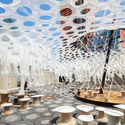
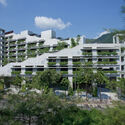
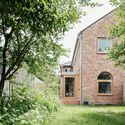
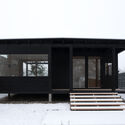
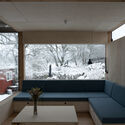
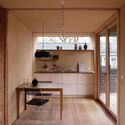
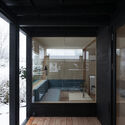
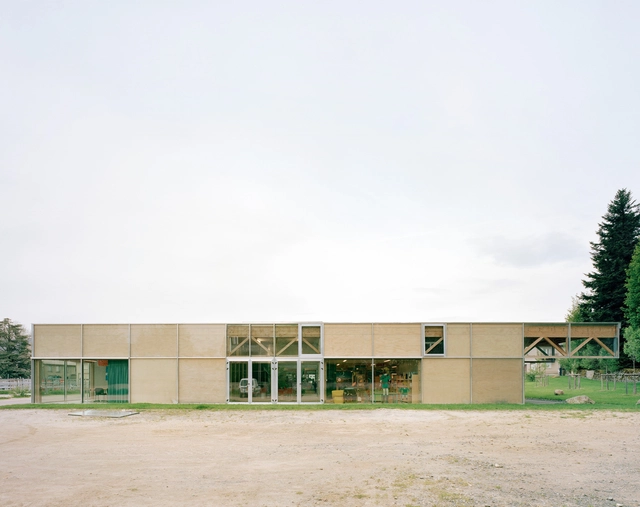
Architects: Betillon & Freyermuth Architects, crypto architectes
- Area: 1850 m²
- Year: 2024


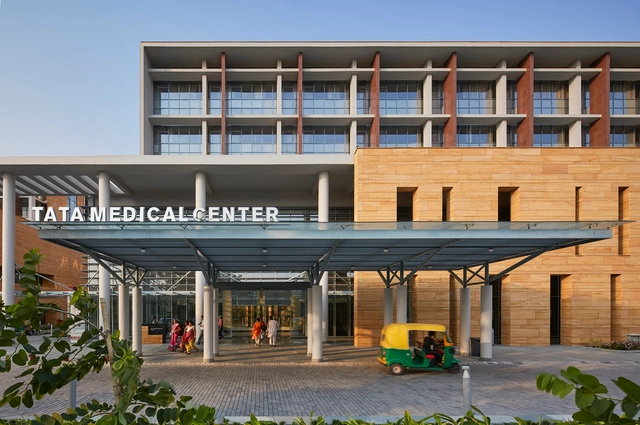
In a nation as diverse as India, the healthcare landscape presents wicked problems and plentiful opportunities. The country's hospital infrastructure has been increasingly strained in the areas of accessibility, quality, and equity, especially with a snowballing population growth. While urban development expands amidst these constraints, architects have been able to position innovative design solutions as mediators, also sealing the gap between urban and rural healthcare quality and accessibility in India.
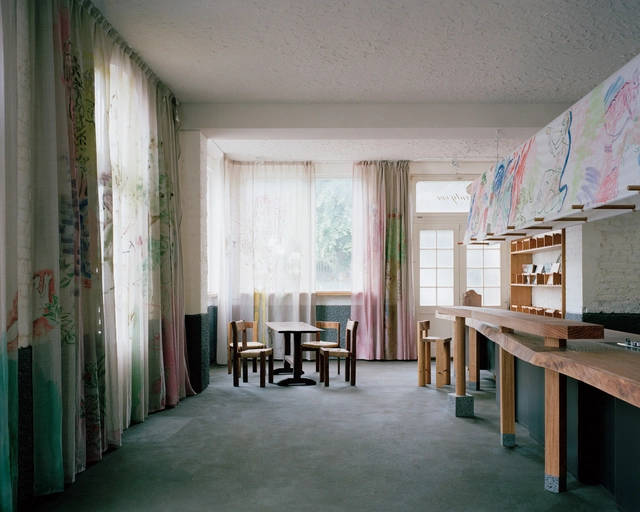
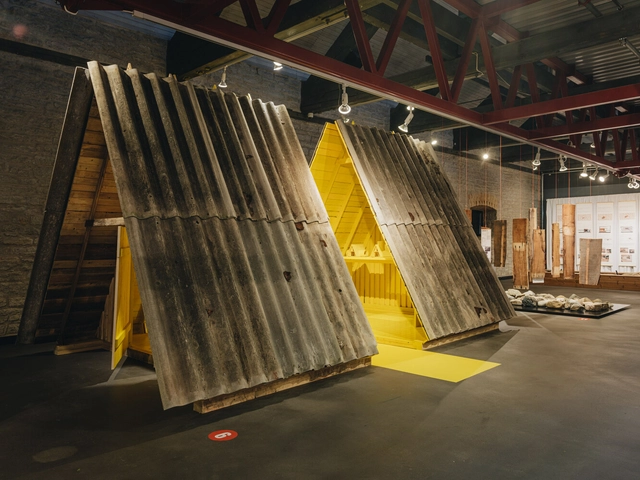
Tallinn Architecture Biennale 2024 has officially opened to the public. Hosted at the Museum of Estonian Architecture and across multiple venues in the center of the city, the event is centered around the theme "Resources For a Future." The head curator Anhelina L. Starkova along with co-curators Daniel A. Walser and Jaan Kuusemets hope to open up conversations about emerging approaches to designing and building architecture, including the potential of reused and repurposed materials. The event is held between October and November 2024, with free participation.
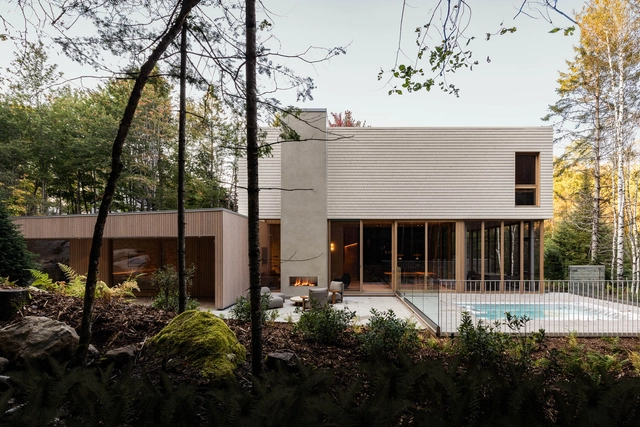
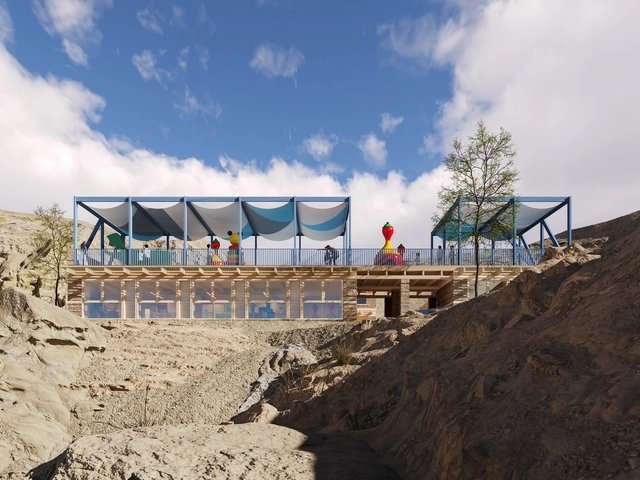
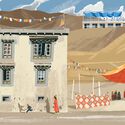
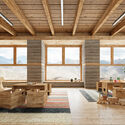
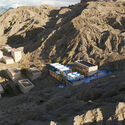
Czech-based architectural firm CHYBIK + KRISTOF has revealed its design for a new school in Mulbekh, North India, in collaboration with the Czech NGO Himalayan Patron and Spring Dales Public School. The project aims to provide quality education in the region while preserving local culture. This initiative is particularly significant as many children, especially girls, from remote ethnic minority communities, have faced limited access to education due to the area's harsh climate and challenging terrain.
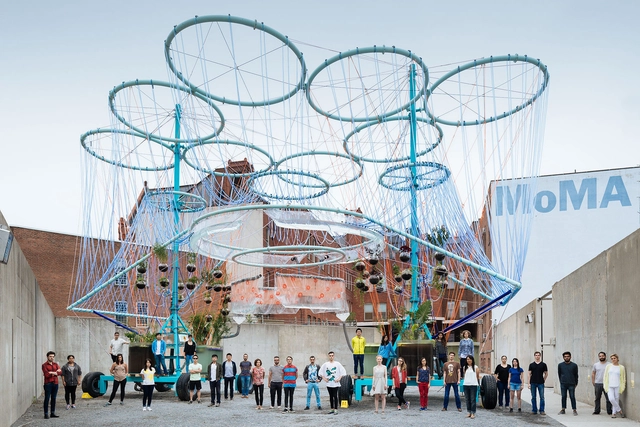
How do societies support and nurture emerging architects? Young architects are heavily influenced by their formal education and initial exposure to the industry. Various organizational systems across regions, whether passive through environmental factors or active via tangible benefits, are in place to assist them in entering the field. However, it's worth questioning how often we reflect on these established support systems. Are they effective in fostering well-rounded professionals, or do they unintentionally reinforce certain biases in how architecture is practiced?
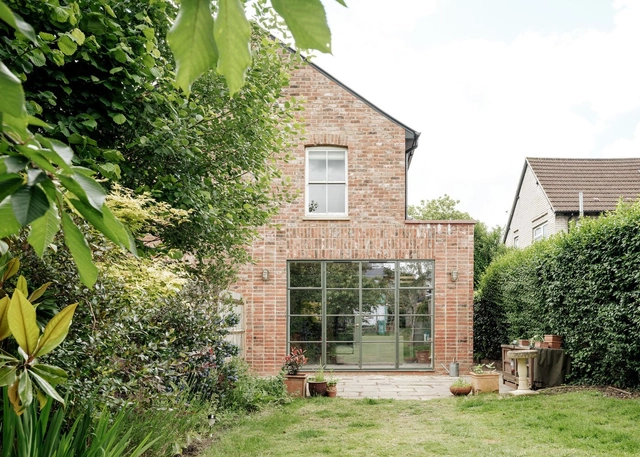
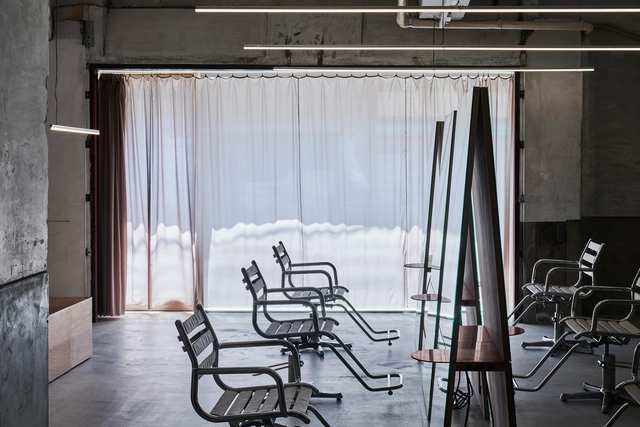
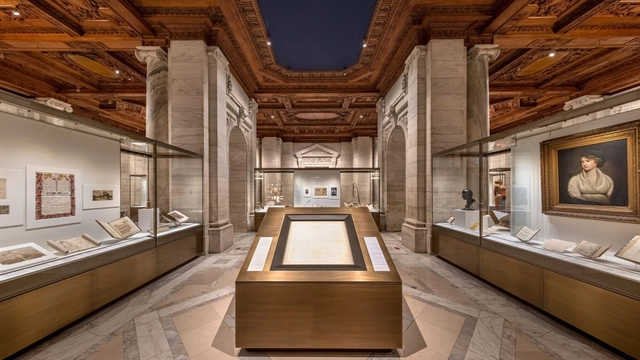
Before the emergence of AI, the internet, and TV— books and manuscripts were the primary vessels of knowledge. These artifacts, now echoing voices from the past, have played a fundamental role in shaping our shared legacy. A pivotal moment in this evolution came in the 15th century with Gutenberg's invention of the printing press, which revolutionized access to information and laid the groundwork for the democratization of knowledge. As a result of their historical and cultural significance, many early manuscripts and incunabula (books printed during the earliest period of typography) have been preserved in libraries and often remained in the shadows.
Worldwide, libraries have started unveiling these collections to the public, driven by a growing openness to showcase their 'treasures'. This allows a broader audience to appreciate the richness of these historical materials. While this effort fosters a deeper understanding of cultural heritage, it also introduces several challenges. One of the most critical is preservation, which must be carefully balanced with functional considerations. Key decisions include selecting and designing display case solutions, such as those from Goppion, that harmonize with the interior design and layout while providing effective protection.
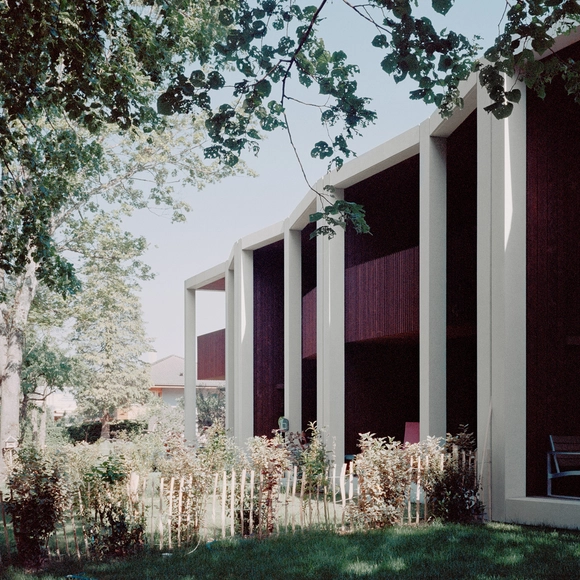
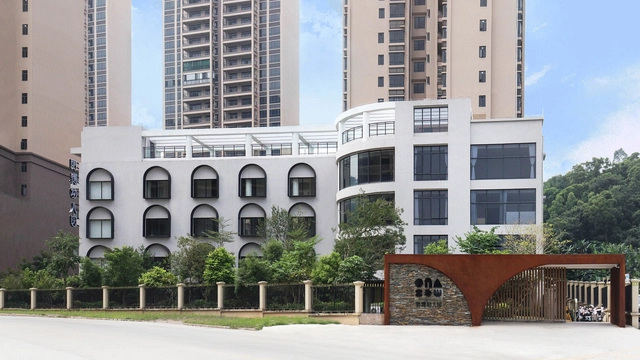
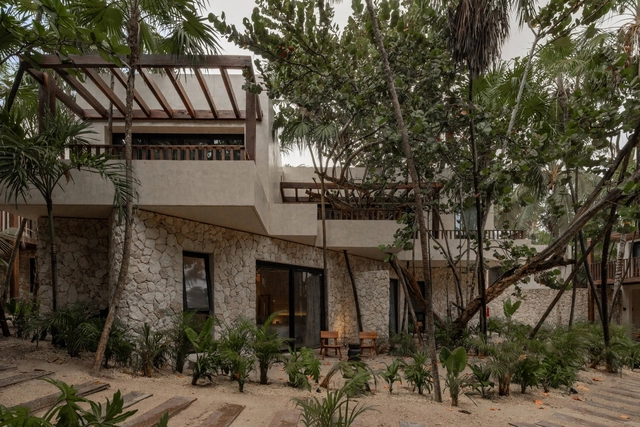

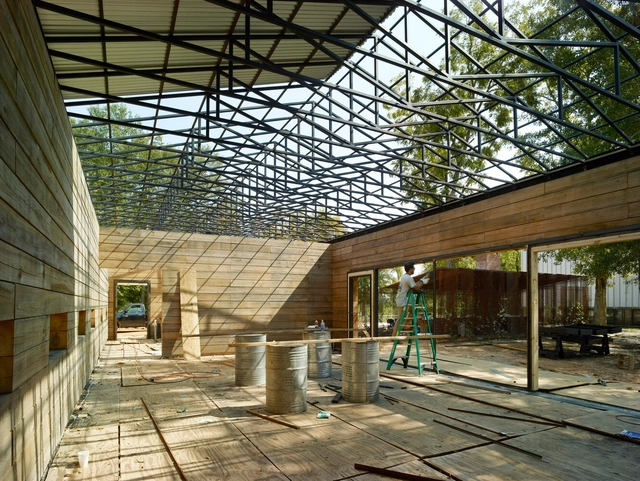
Rural environments are often difficult to define in administrative and professional contexts and carry notable biases and complexities. Population and density thresholds are the most common determinants for drawing administrative boundaries, yet other factors, such as infrastructure, employment, and services, contribute to the characterization of rural environments. In the United States, the Census Bureau defines rurality, not by its characteristics or resources, but by absences, as "any population, housing, or territory not in an urban area." For the design and planning community, it is important to define the future of rural environments, not through the metrics of urban resources or infrastructure, but to design a new framework for flexibility, adaptation, and health.