

-
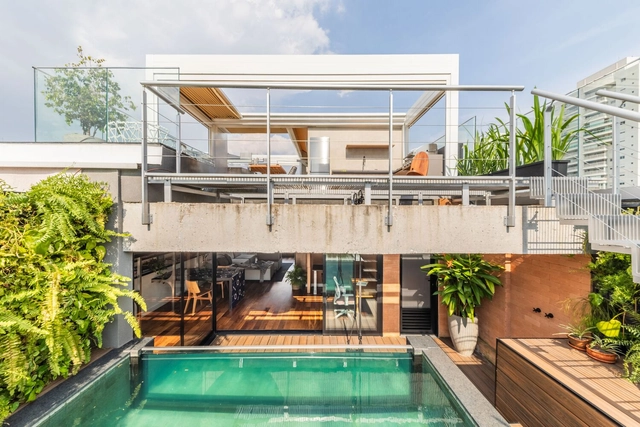
Architects: Offhand Practice
- Area: 256 m²
- Year: 2024


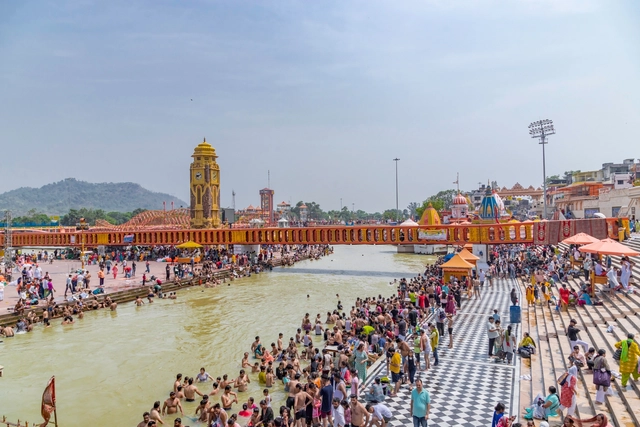
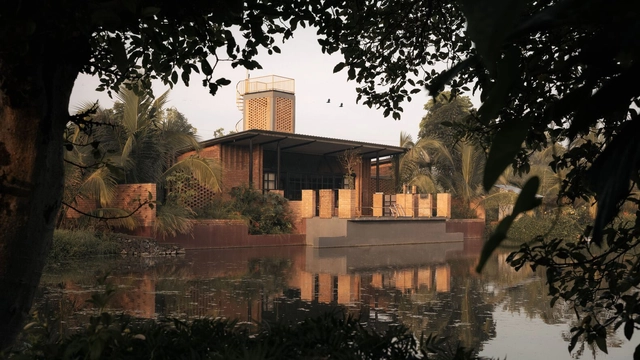
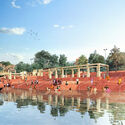
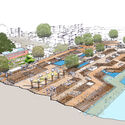
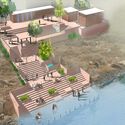
Ancient Indian civilizations once thrived along the banks of the country's many rivers, solidifying a connection between water and culture that endures to the present. Rivers have been integral to India's diverse communities, serving as essential resources for daily life and spiritual practice. Historically, these water bodies experienced an entrenched sense of custodianship; being cared for collectively by the communities that depended on them. Today, responsibility for the rivers shifts between the hands of multiple stakeholders, calling for a joint endeavor that acknowledges their cultural significance.
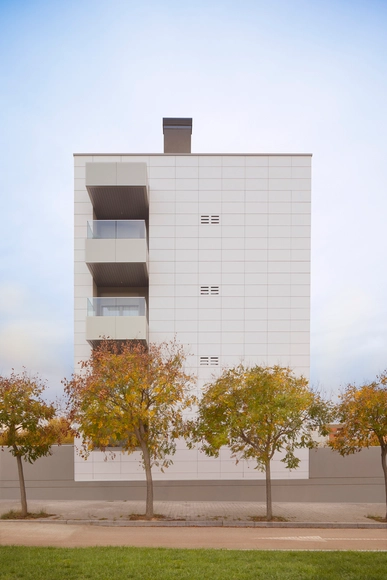
In a rapidly evolving urban landscape, the new residential building redefines the concept of community living. Gardea Residencial stands in one of the city of Zaragoza's 15 neighborhoods, Miralbueno, an area where residential developments have been built. The project exemplifies functional, sustainable design, realized through two linear blocks, each optimizing available space with a basement level, a ground floor, and additional two storeys—two in one block and three in the other. With its sleek design, this building brought to life by Tash&Partners features a ventilated façade made of extruded porcelain tiles by Faveker. These tiles, in addition to being recyclable, enhance sustainability and efficiency.
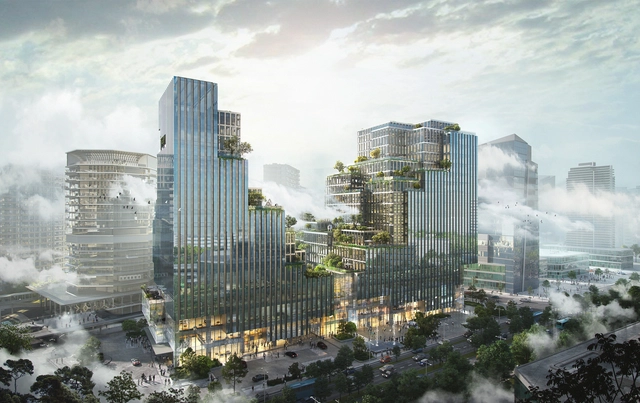
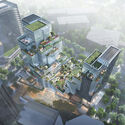
Büro Ole Scheeren has revealed their design for an 800,000 sq ft development following the concept of live-work-lay in Hangzhou, China. Titled Urban Glen, the project situated between West Lake and the Qiantang River comprises two towers connected by a central plinth. This feature, inspired by Hangzhou's hilly landscapes, becomes a built topography of terraces and exterior environments, aimed at optimizing natural light and the quality of both indoor and outdoor spaces. The Glen will house a variety of amenities, including ballrooms, meeting spaces, restaurants, and retail, all interwoven with public art from New World Development's extensive collection.
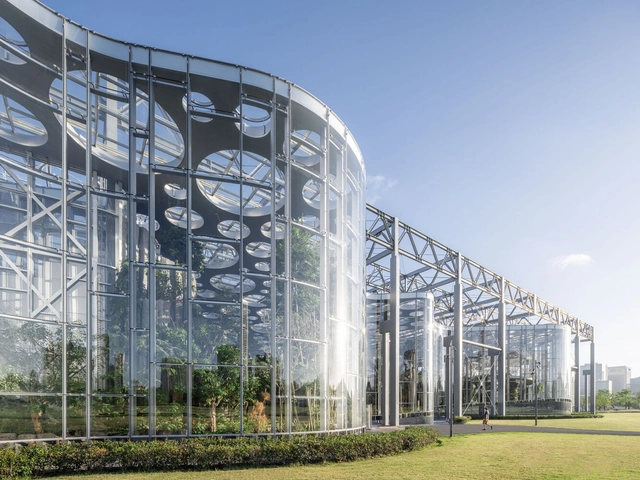
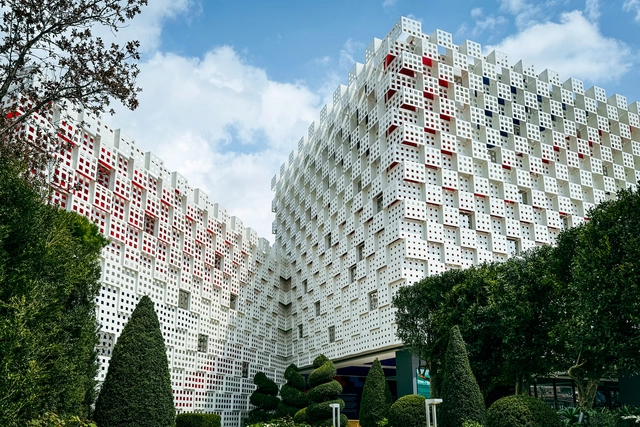
The UK Pavilion, designed by London-based Woo Architects, in collaboration with Japanese contractor ES Global, has been completed at the Expo 2025 in Osaka. Built on the principles of a circular economy, the pavilion features a modular, 10-by-10-meter gridded structure designed that prioritizes ease of assembly, disassembly, and relocation. Ultimately, the pavilion's design reflects the Expo's theme, "Come Build the Future," embodying sustainability and reuse.