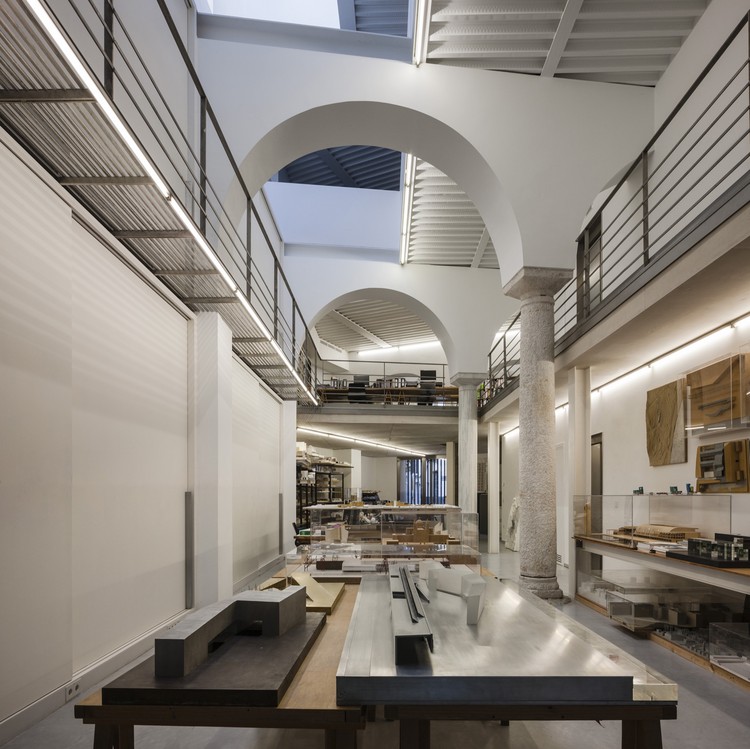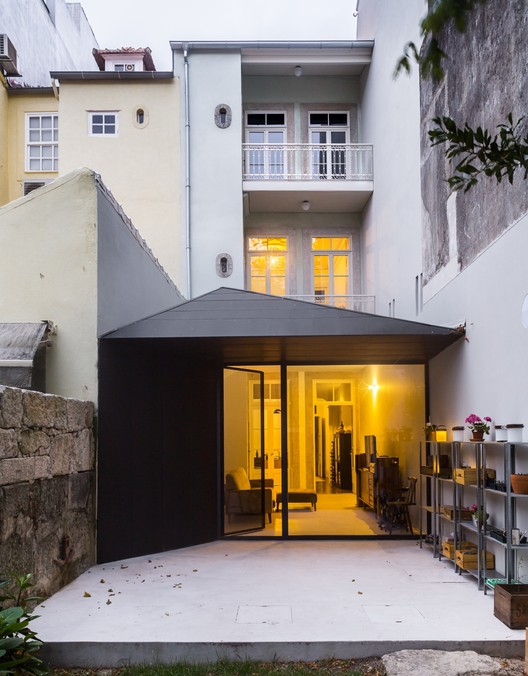


-
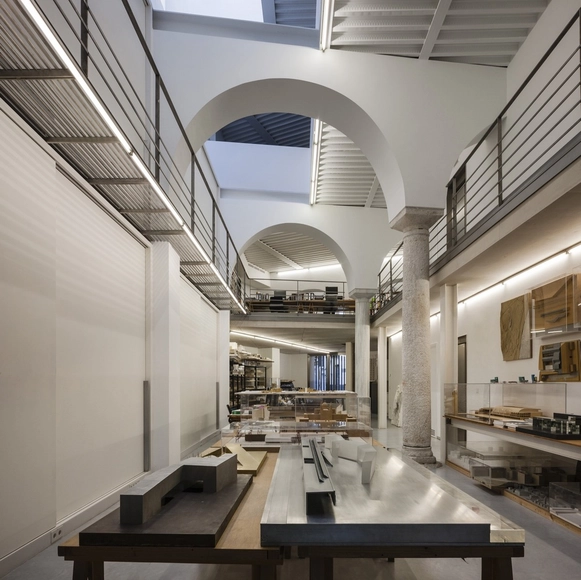
Architects: Sofia Granjo Arquitetos
- Area: 300 m²
- Year: 2016
-
Professionals: NCREP



Last year Monoskop delighted the architecture and art community by making many of the Bauhaus publications available to freely download. As a perennial fan of all types of architecture communication, I had previously written about the exceptional qualities of Bauhaus-produced books and journals and how these visual teaching tools ultimately influenced more recent, canonical publications. Below we share an edited excerpt from “Architects’ Books: Le Corbusier and The Bauhaus,” a chapter from the larger research project, Redefining The Monograph: The Publications of OMA and Rem Koolhaas.
To access Monoskop’s treasure trove, which includes titles by visionaries such as Walter Gropius, László Moholy-Nagy, Wassily Kandinsky, Paul Klee, and others, visit Monoskop's Bauhaus archive.
As the Bauhaus operated in a generally experimental and revolutionary status, the information taught was not unified in any particularly accessible form. The Bauhausbücher were produced in order to expose the elements of the Bauhaus education to the original, small student body. These books later proved invaluable when the school was closed by the National Socialist Government in 1933, their contents holding authentic records of Bauhaus education. Merging theory and practice, the books, designed by Moholy-Nagy, are a testament to his creative ideas. He saw traditional forms of information dissemination as supplying information to students without stressing the relevance and relationship to the world in which they were living. His books sought to clarify these relationships through stimulating images and insightful (though at times lengthy and ethereal) text.


Driven by the hyper-density of the city-state from which they operate, WOHA have emerged as Singapore's quintessential architects. Combining a locally-specific approach to climate control and spatial planning with an international approach to form and materials, their work holds lessons that can be instructive to architects in all climates. In this interview, the latest in his “City of Ideas” column, Vladimir Belogolovsky speaks to WOHA founders Wong Mun Summ and Richard Hassell about their environmental approach and the future of our global cities.


After the success of its 6th edition in 2007, Sketchup became one of the world's most widely used 3D modeling software products. This is thanks to its intuitive toolbar, interdisciplinary use within the creative industry (not just architects) and having a free version that doesn't use watermarks.
Its open source library helped the software to provide a wide range of 3D objects, while hundreds of users developed their own plugins not only to solve the problems of each version but also to exploit the potential of their tools.
We’re going to introduce you to 10 of the plugins shared by Sketchup Tutorials Facebook page using their demonstrative GIFs. If you don’t know how to add a SketchUp plugin, don’t worry! You can learn in this video also posted by them.

In a comment to the Architects' Journal, Finnish architect Juhani Pallasmaa has expressed concern over the Guggenheim's plans to build a new museum in the city of Helsinki.
The project emphasises a consumerist and touristic view of art at the expense of the cultural and humane task of art. instead of strengthening local artistic traditions and practices, the project strengthens the already doubtful globalisation and commercialisation of art. The public funds could clearly be used in a more innovative and efficient manner to support Finnish artistic culture.
Pneumatic Vacuum Elevators, LLC has created a series of air-powered, space-saving, “plug & play” elevators designed to be easily installed into home environments.
Ranging from a single-passenger to a three-passenger, wheelchair accessible model, the elevators—called Pneumatic Vacuum Elevators (PVE)—are self-supporting, and do not require equipment rooms or other additional spaces above or below the shaft. Similarly, the elevators are completely enclosed and are not built into the framework of the home around them, and thus it can easily be relocated.

This week the 2016 Venice Architecture Biennale—Reporting From the Front—will close. Six months have passed and hundreds of thousands of architects, urbanists, designers and tourists have perused both the National Participations (of which more were represented this year than ever before) and the central exhibition curated by Alejandro Aravena – the first South American to direct the most prestigious event on the architectural calendar. ArchDaily has compiled our most extensive coverage of the event and, as the 15th incarnation of Biennale shuts its gates for the last time, our collection of articles, interviews and publication excerpts remains permanently accessible.


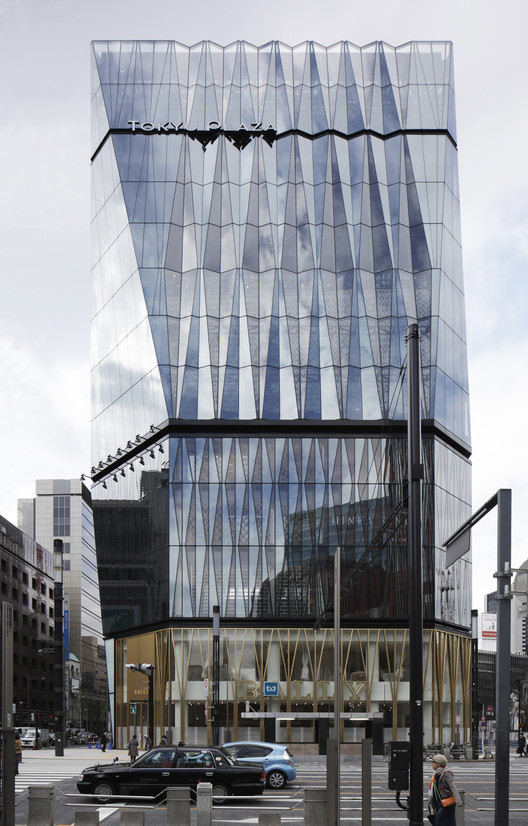


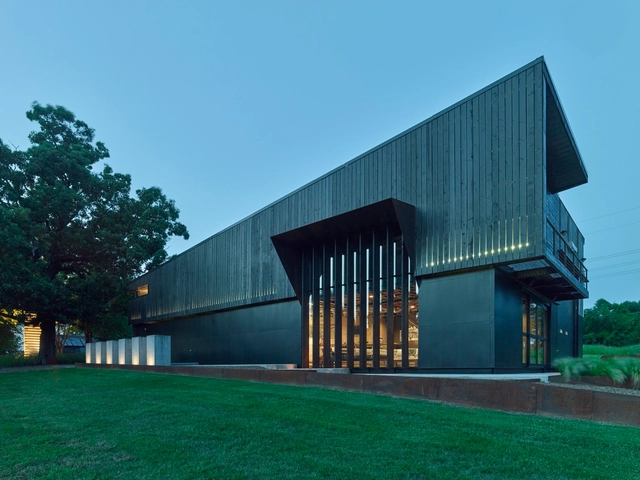

CEBRA Architects has won the competition to design the Skamlingsbanken Visitor Center near Sjølund in Southern Denmark. At 113 meters above sea level, Skamlingsbanken is the highest point in South Jutland and historically has been an important meeting place, serving as the backdrop for some of Denmark's key historical public speeches. The new visitor center is posited as a way to restore this historic importance, and once again make Skamlingsbanken a local meeting place.





.jpg?1479934320&format=webp&width=640&height=580)

.jpg?1479934320 "Courtesy of IBUKU")


.jpg?1479934320)