
-
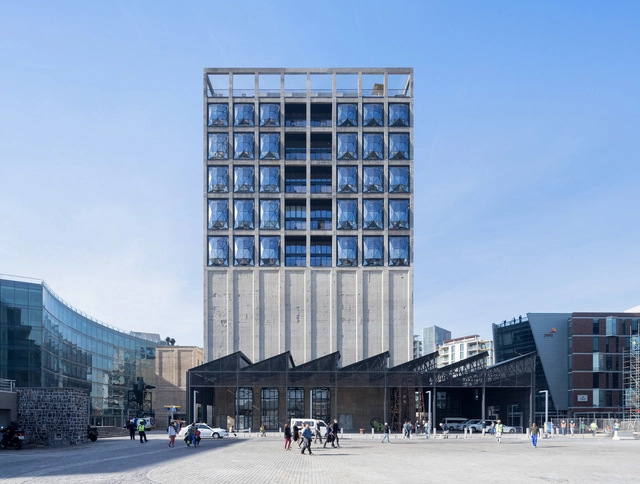
Architects: Heatherwick Studio
- Year: 2017
-
Manufacturers: KEIM, Nuprotec




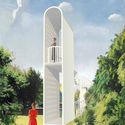
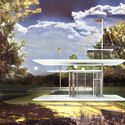
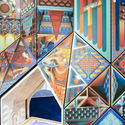
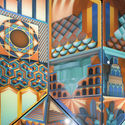
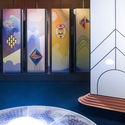
"The Glass Chain" (Die Gläserne Kette in its native German) was an exchange of written letters initiated by Bruno Taut in November 1919. The correspondence lasted only a year, and included the likes of Walter Gropius, Hans Scharoun, and Paul Gösch. In the letters, the penfriends—thirteen in all—speculated and fantasized about the possibilities of glass, imagining, in the words of Fredrik Hellberg and Lara Lesmes (Space Popular), "fluid and organic glass follies and colourful crystal cathedrals covering entire mountain chains and even reaching into space."
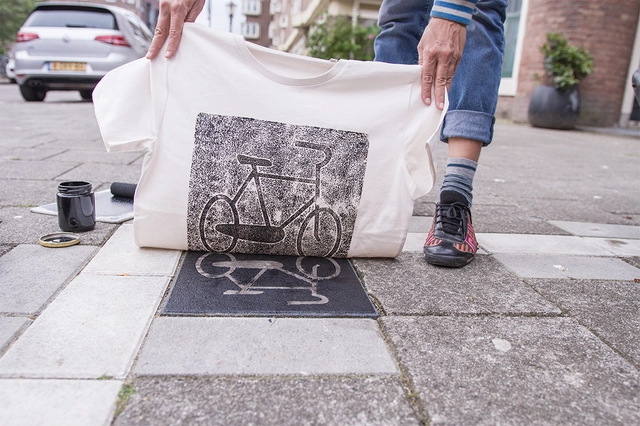
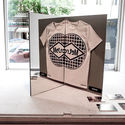
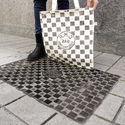
Raubdruckerin – German for pirate printers – have been traveling around Europe turning city streets into printing presses to develop a range of t-shirts, hoodies and bags. The result is fashion not just for the street but from the street.
Taking inspiration from the urban landscape and the often over-looked surfaces of the city, Raubdrucken apply their eco-friendly ink to man-hole covers, grids and patterned streetscapes and relief-print the outcome directly on to the fabric of their line. It is proof that everything can be inspiration for good design, and that beauty and richness can be found in the mundane, the utilitarian or perhaps in this case, the misunderstood.
.jpg?1505510121)
When it comes to tall building design, it’s often the structural system where the most groundbreaking innovations are made. Premiering this week in partnership with the Chicago Architecture Biennial is a new exhibition highlighting the innovative structural systems of an architecture firm that has completed their fair share of tall buildings: SOM.
Titled SOM: Engineering x [Art + Architecture], the exhibition uncovers the concepts and forms of the firm’s greatest achievements, including revolutionary tall buildings such as the John Hancock Building, the Willis Tower and the current world’s tallest building, the Burj Khalifa. The exhibition reveals the research and thought processes through a range of media: hand-drawn sketches, interactive sculpture, immersive video, and most notably, a lineup of models at 1:500 showing the structural skeletons of 30 significant projects.
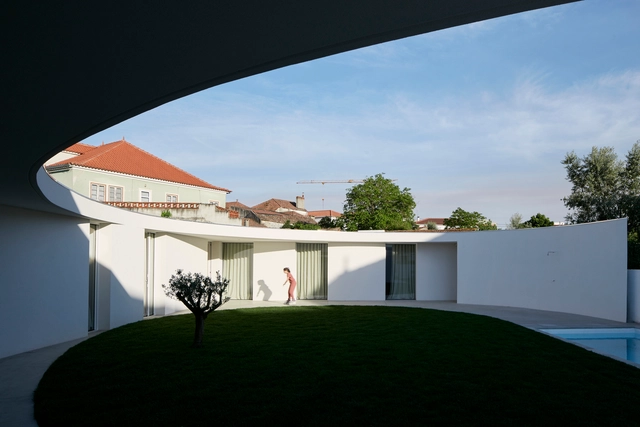
“How shall we hew the sun / Split it and make blocks / To build a ruddy palace?” wondered Wallace Stevens in his 1918 poem Architecture for the Adoration of Beauty. Inspired by the verse, in his essay The Room, the Street and Human Agreement, Louis Kahn paraphrased “What slice of the sun enters your room?” The great architect also spent his entire career experimenting with those dual protagonists: light and shadow. Kahn’s obsession with light, and in particular the architectural control of it, influenced countless architects, including Peter Zumthor and Tadao Ando.
Kynthia Chamilothori shares that fascination. A 2014 Architectural Engineering graduate from the Technical University of Crete, where she received the Limmat Stiftung Excellence Award, and current PhD candidate in the Laboratory of Integrated Performance In Design (LIPID) in EPFL under the supervision of Prof. Marilyne Andersen and Dr. Jan Wienold, Chamilothori’s doctoral research project focuses on how the patterns of light and shadow shape the way we perceive architectural spaces. But, while Kahn and other architects throughout history have relied on little more than intuition, Chamilothori is using far more scientific methods, working with a tool that wasn’t available to the great masters: virtual reality. Through experiments in virtual and real environments, Chamilothori investigates the impact of facade and daylight patterns on the atmosphere of a space. Her PhD is supported by a grant awarded by the Velux Stiftung Foundation.

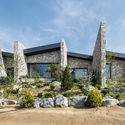
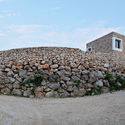
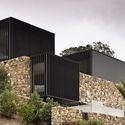
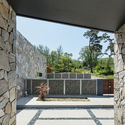
Stone construction is a simple technique that has been used since the earliest human civilizations. These days, stone is regaining popularity in contemporary architecture thanks to the diversity of results that can be achieved by the union of stone pieces. Whether it's the size, the type of cut, or the color of the material, the truth is that the use of stone can add incredible textures to architectural designs. Read on for a selection of 13 photos that allow us to marvel at stone's beauty and expressiveness, created by renowned photographers such as Erieta Attali, Kyungsub Shin and Dimitris Kleanthis.

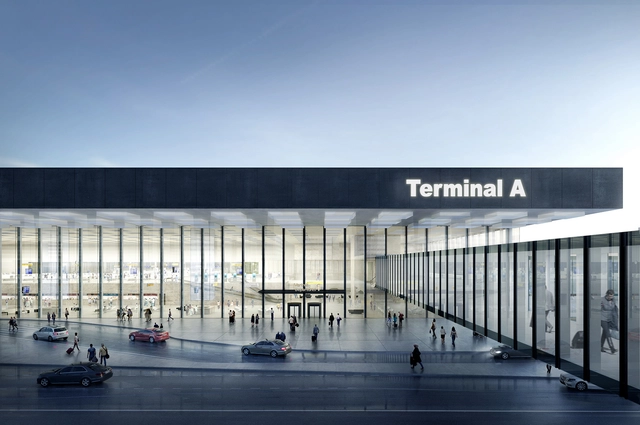
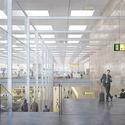
Netherlands-based architectural firm KAAN Architecten, in partnership with ABT, Estudio Lamela and Ineco has been selected to design the new Amsterdam Airport Schiphol Terminal, with the help of Arnout Meijer Studio, DGMR and Planeground. Soon to be located south of Schiphol Plaza, at Jan Dellaert Plein, the new 100,500-square-metre terminal will implement futuristic and sustainable design trends.
.jpg?1507299737)
Diverse, green and dynamic, in this video Singapore is shown through a new kind of lens, one that exists above the city, pans down it, rolls over it and offers a view of its architecture from an alternative angle. André Eckhardt's drone hyperlapse video takes us onto the street, up in the air, and down by the sea as the weather shifts and changes, and as people go about their day to day lives. Using clever speed adjustments, Eckhardt switches between the fast-paced movements of the city up-close and moments of pause as he takes us up over it. Picking out architectural works including the iconic Bayside projects of Moshe Safdie, PARKROYAL on Pickering and the Oasia Hotel by WOHA, the Gardens by the Bay, and the Helix Bridge, Eckhardt brings Singapore's colorful skyline to life.
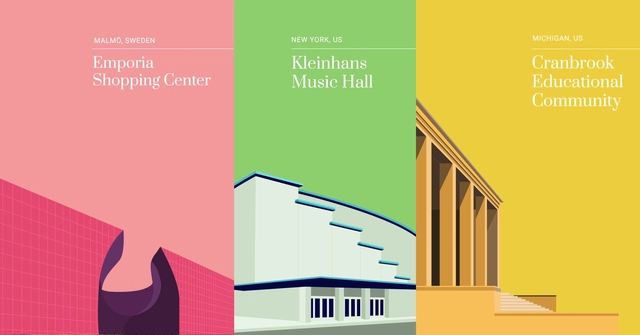
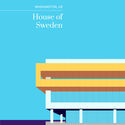
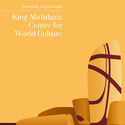
Not just meatballs and Vikings; Scandinavia has always been the epicentre of design across the world - just look at the growing impact of Bjarke Ingels and Ikea's future living lab SPACE10. To showcase their significant influence, Expedia has illustrated the works of four famous architects from Denmark, Finland, Norway and Sweden and how they shaped international architectural movements of the 20th and 21st centuries in a collection of posters called Monumental Minds.
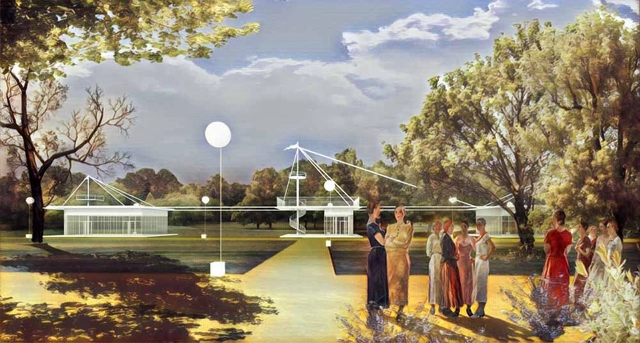
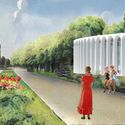
Kleinewelt Architekten in partnership with Citizenstudio / Gorozhane Group, created a re-design proposal for the Northern River Boat Station Park, also known as the Park of Five Seas, in Moscow. Built in the 1930’s, the current park is supposed to act as the city’s gateway to the five seas: the White, Baltic, Black, Azov, and Caspian Sea. However, the park is removed from city life and separates Moscow from it’s historic waterways.
Whether they're pretending facade details are raindrops or peeking out of Ricardo Bofill’s La Muralla Roja, Daniel Rueda and Anna Devis introduce a unique perspective on the city. The Valencia-based duo are #couplegoals, and their Instagram accounts reveal their fun, quirky personalities and love for the built environment.
Scrolling through their feeds, viewers get a glimpse of the couple’s travels through whimsical portraits which celebrate the beauty of architecture. The adorable duo playfully interacts with their surroundings, using the city as their stage and architecture—and each—other as characters.










.jpg?1505510260 "© Laurian Ghinitoiu")
.jpg?1505510187 "© Laurian Ghinitoiu")
.jpg?1505510144 "© Laurian Ghinitoiu")
.jpg?1505510136 "© Laurian Ghinitoiu")
.jpg?1505510121)





.jpg?1507299845 "© Parham Taghioff")
.jpg?1507299824 "© Parham Taghioff")
.jpg?1507299812 "© Parham Taghioff")
.jpg?1507299958 "© Parham Taghioff")
.jpg?1507299715)





_diana_quintela.jpg?1503487441)
_diana_quintela.jpg?1503487281 "© Diana Quintela")
_diana_quintela.jpg?1503486782 "© Diana Quintela")
_diana_quintela.jpg?1503486958 "© Diana Quintela")
_diana_quintela.jpg?1503486767 "© Diana Quintela")
_diana_quintela.jpg?1503487441)