

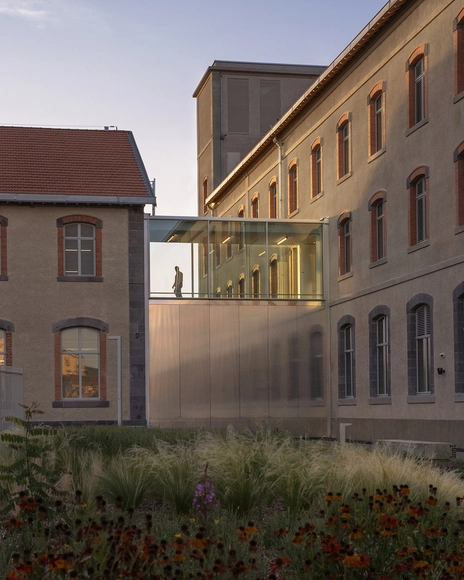
HER Rehabilitation of Tobacco Factory into Leather Manufacture / TRACKS





https://www.archdaily.com/1029647/her-rehabilitation-of-tobacco-factory-into-leather-manufacture-tracksPilar Caballero
Designing for the Performing Arts: Architecture as a Stage for Experience
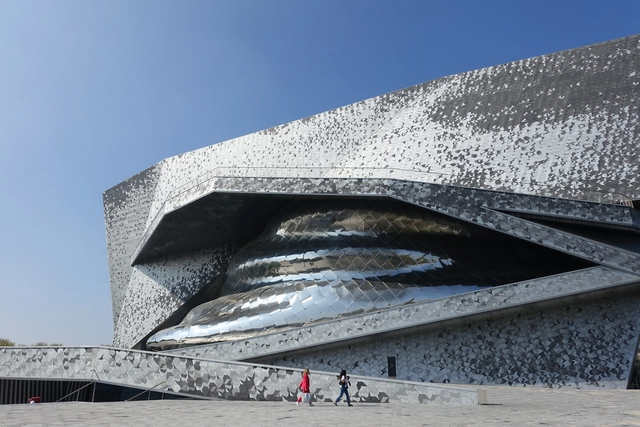
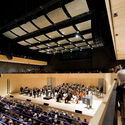
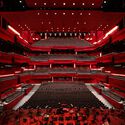
Theaters, concert halls, and opera houses are more than just venues — they are meticulously orchestrated environments where architecture, technology, and human emotion converge. Unlike conventional buildings, these spaces must accommodate a dynamic interplay between acoustics, sightlines, stage mechanics, and audience engagement, all while maintaining an architectural identity that resonates with performers and spectators alike. Whether it is the immersive embrace of a vineyard-style concert hall or the grandeur of a proscenium theater, every design decision shapes how performances are experienced and remembered.
The recently published SET PIECES: Architecture for the Performing Arts in Fifteen Fragments by Diamond Schmitt Architects explores these complexities through case studies and reflections. Inspired by its insights, this article examines essential design considerations for performance spaces, from acoustic engineering to the evolving role of theaters in urban life.

https://www.archdaily.com/1028816/designing-for-the-performing-arts-architecture-as-a-stage-for-experienceDiogo Borges Ferreira
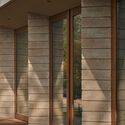
Terra Villa / Atlas



-
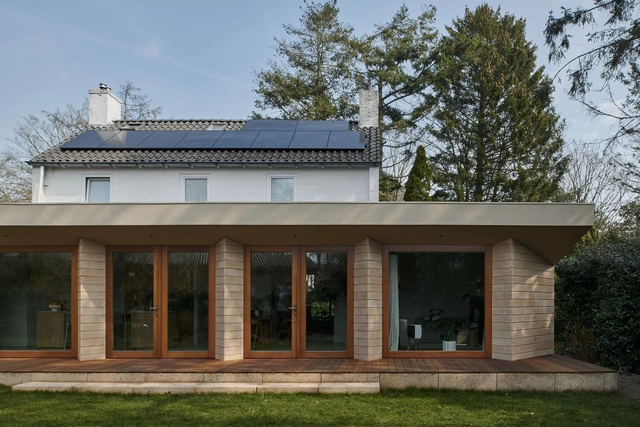
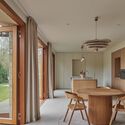
Architects: Atlas Architecture
- Area: 277 m²
- Year: 2024
-
Manufacturers: FETDETERRA, Hoogland Kozijnen
-
Professionals: Klusbedrijf Markus, NAP Ingenieurs, Houtwaard
https://www.archdaily.com/1029601/terra-villa-atlas-architectsPilar Caballero
Celebrating Bold Visions for Historic Sites — Peja Competition Winners by Buildner
| Sponsored Content
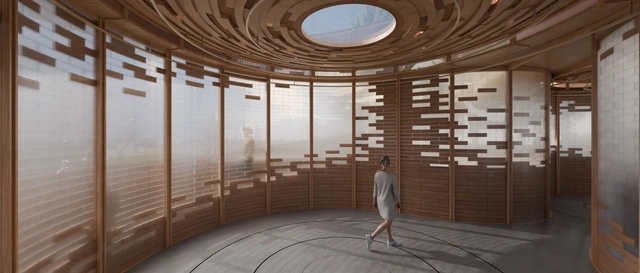
Buildner, in partnership with Collective Action for Culture (C.A.C), the Municipality of Peja, and the Ministry of Culture of Kosovo, has released the results of the Peja Culture Pavilion competition – an international architecture competition inviting architects and designers to reimagine a historically significant site in the heart of Peja, Kosovo.
The competition sought innovative and respectful design proposals that would revitalize a neglected urban square centered around a 15th-century water fountain. Entrants were asked to integrate this cultural heritage element into a multifunctional pavilion that could serve as a space for performance, reflection, gathering, and celebration.
https://www.archdaily.com/1029363/celebrating-bold-visions-for-historic-sites-peja-competition-winners-by-buildnerRene Submissions
The Azerbaijan Pavilion Explores Regeneration, Innovation, and Preservation at Its First Venice Architecture Biennale
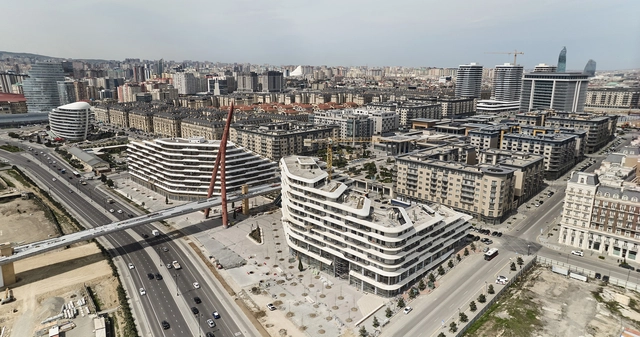
The Azerbaijan national pavilion, participating in the Venice Architecture Biennale for the first time, presents Equilibrium. Patterns of Azerbaijan. Curated by Nigar Gardashkhanova, the exhibition aligns with the overarching theme of this year's Biennale Intelligens. Natural. Artificial. Collective. Focusing on innovative design responses to the climate crisis, the pavilion emphasizes the principles of Regenerate. Innovate. Preserve. Featuring projects commissioned by Rashad Aslanov, the exhibition showcases contributions from the Azerbaijan Development Company (ADEC), Simmetrico Architettura, and Adalat Mammadov. Organized by the Heydar Aliyev Foundation and the Ministry of Culture of the Republic of Azerbaijan, with support from the Embassy of Azerbaijan in Italy, the exhibition will run from May 10 to November 23, 2025, at Castello 2127/A, near the Arsenale.



https://www.archdaily.com/1029689/the-azerbaijan-pavilion-explores-regeneration-innovation-and-preservation-at-its-first-venice-architecture-biennaleReyyan Dogan
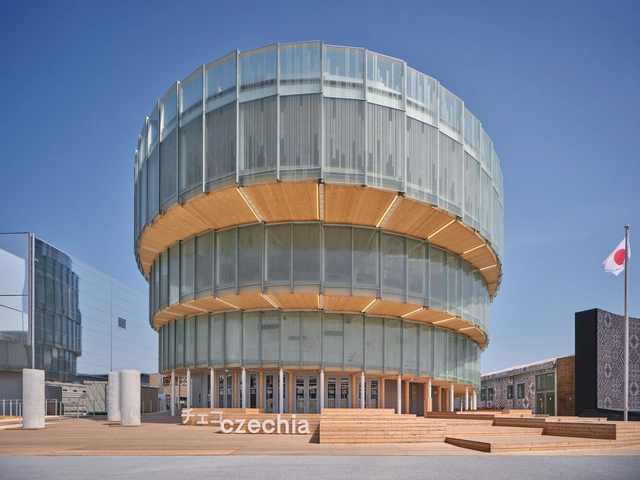
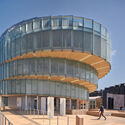
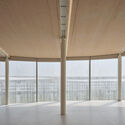
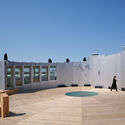
Czech Pavilion Expo 2025 Osaka / Apropos Architects


-
Architects: Apropos Architects
- Area: 621 m²
- Year: 2025
-
Professionals: Lukáš Krbec, Haruhide Kusumoto, Daisue Construction
https://www.archdaily.com/1029617/czech-pavilion-expo-2025-osaka-apropos-architectsAndreas Luco
Venice Architecture Biennale 2025 Announces International Jury, with Hans Ulrich Obrist as President

The 19th International Architecture Exhibition of La Biennale di Venezia opens in less than two weeks, on May 10, 2025, and will remain open to the public until November 23. On the day of the opening, the official Awards Ceremony will take place, during which a selected international jury will confer several official prizes, including the Golden Lion for Best National Participation. The recently announced jury includes South African architect, lecturer, and curator Mpho Matsipa; Italian curator Paola Antonelli, Senior Curator and Director of the Department of Architecture and Design at the Museum of Modern Art (MoMA) in New York; and Swiss curator, critic, and art historian Hans Ulrich Obrist, Artistic Director of the Serpentine in London, who will serve as President of the Jury.


https://www.archdaily.com/1029681/venice-architecture-biennale-2025-announces-international-jury-with-hans-ulrich-obrist-as-presidentAntonia Piñeiro
The Promise of Accessibility: Can Modular Systems Contribute to Democratizing the Design Process?
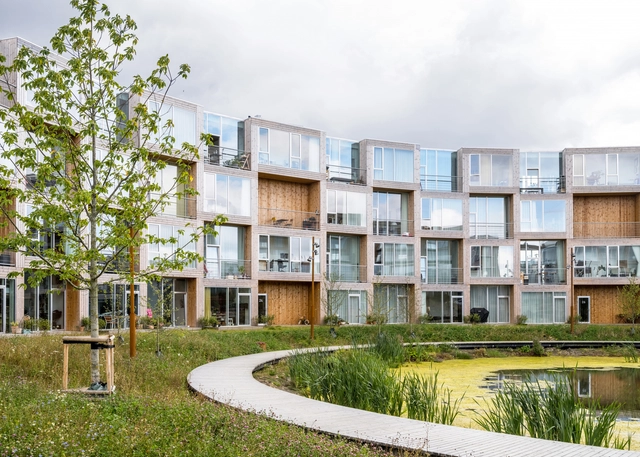
At the dawn of Modernism, in the fervent search for innovative, efficient, and cost-effective building systems, the idea of modular construction offered the promise of exactly that: an industrialized system comprised of ready-to-assemble elements, easily configured, cost-effective, and quality-controlled. While the idea did not gain as much traction as was initially expected, it has remained an attractive premise for architects and designers. Now, new developments in the field have led to a renewed interest in the matter, as modular housing emerges as an effective measure in various fields, from affordable housing to emergency shelters, or even as platforms for interdisciplinary collaboration, participation, and co-design. The following article explores this promise of accessibility, creativity, and affordability that has become an integral part of the debate around modular architecture.



https://www.archdaily.com/1015799/the-promise-of-accessibility-can-modular-systems-contribute-to-democratizing-the-design-processMaria-Cristina Florian
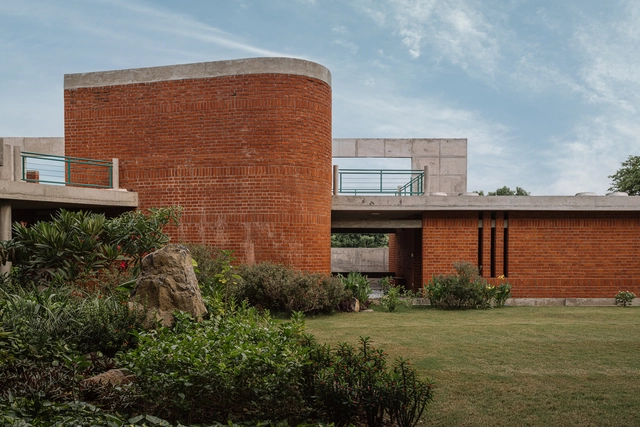
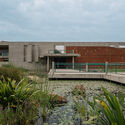
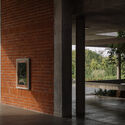
SAIL Center / Studio Naqshbandi



-
Architects: Studio Naqshbandi
- Area: 2800 m²
- Year: 2023
https://www.archdaily.com/1029621/sail-center-studio-naqshbandiValeria Silva
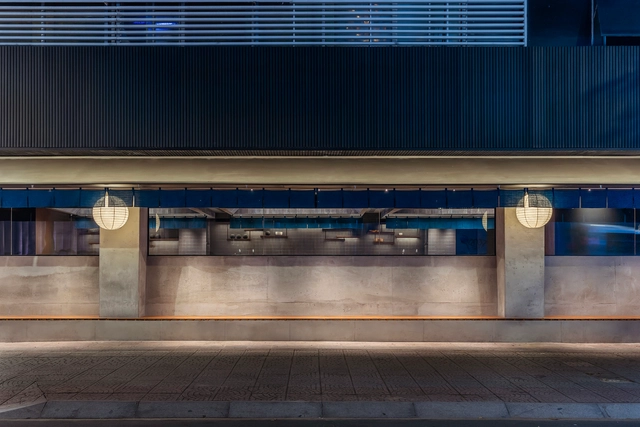
ROKUSHO Restaurant / Inrestudio


https://www.archdaily.com/1029602/rokusho-restaurant-inrestudioMiwa Negoro
Shared Silence, Vibrant Dialogues: Design Strategies for Overlooked Spaces in the Workplace
| Sponsored Content
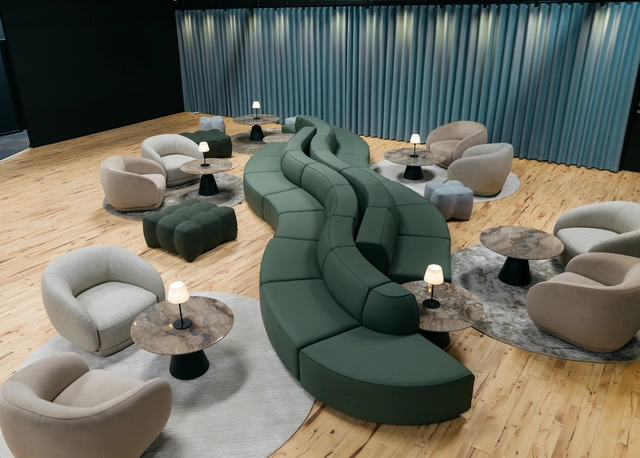
What is the meaning of architectural space if it is not used and enjoyed? This big picture question drills down to the essential purpose and sustainability of building architecture in the first place. It's a question that is perhaps most relevant today for offices that risk lying empty in an era of remote and hybrid work. An important challenge for design today is therefore to enhance the workplace environment to encourage attendance.
https://www.archdaily.com/1029408/shared-silence-vibrant-dialogues-design-strategies-for-overlooked-spaces-in-the-workplaceHarriet Thorpe
A New Journey Residence / Wei Yi International Design Associates
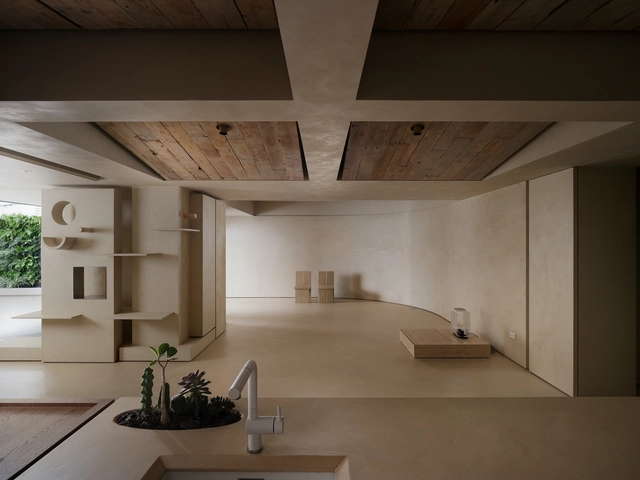

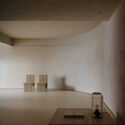
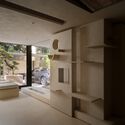


-
Architects: Wei Yi International Design Associates
- Area: 155 m²
- Year: 2024
https://www.archdaily.com/1029571/a-new-journey-residence-wei-yi-international-design-associatesValeria Silva
Earthenware House / NAQI & Partners


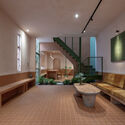

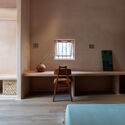

https://www.archdaily.com/1029496/earthenware-house-naqi-and-partnersValeria Silva
Geological Viewpoint of the Saliencia or Farrapona Valley / PUERTO & SÁNCHEZ ARQUITECTOS



-
Architects: PUERTO & SÁNCHEZ ARQUITECTOS
- Area: 89 m²
- Year: 2024
https://www.archdaily.com/1029491/geological-viewpoint-of-the-saliencia-or-farrapona-valley-puerto-and-sanchez-arquitectosPaula Pintos
La Sirène Pavilion and Madeleine Pelletier Youth Residence / Avenier Cornejo Architectes


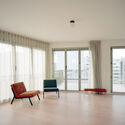
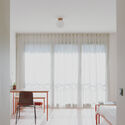


-
Architects: Avenier Cornejo Architectes
- Area: 2512 m²
- Year: 2024
-
Manufacturers: Technal, DCW EDITIONS, CFA, Cemex, Euxos, +3
https://www.archdaily.com/1023495/la-sirene-pavilion-and-madeleine-pelletier-youth-residence-avenier-cornejo-architectesValeria Silva
Bundle House / NOMO STUDIO


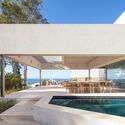
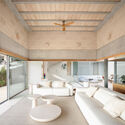
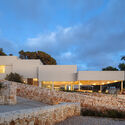

https://www.archdaily.com/1029478/bundle-house-nomo-studioPilar Caballero
Unpolished Narratives: Exposed Materials in Latin American Affordable Housing
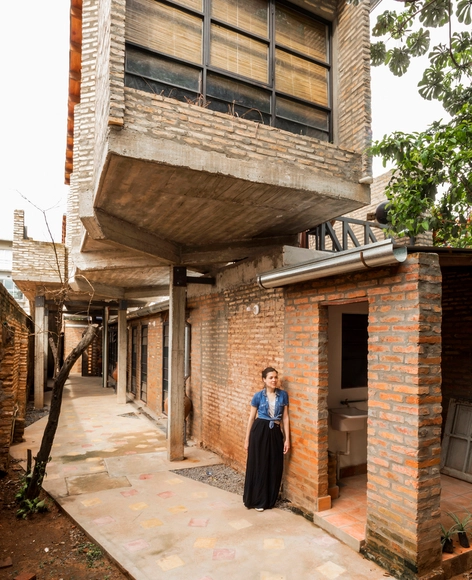
What makes a building architecture? The eternal debate over what distinguishes architecture from mere utilitarian construction has often included affordable and social housing as an influential topic, sparking different points of view. This question is particularly significant in the Latin American context, where unique conditions go beyond cost concerns, whether imposed or unavoidable. Limited access to financing, the prevalence of self-construction, and the spread of informal settlements are interconnected factors shaping the built environment. These dynamics foster an aesthetic that, for some, challenges notions of good architecture, manifesting in urban landscapes where exposed materials become a defining feature.
https://www.archdaily.com/1024259/unpolished-narratives-exposed-materials-in-latin-american-affordable-housingEnrique Tovar & José Tomás Franco
Atelier Matière Première – Nu Drom / Matière Première Architecture
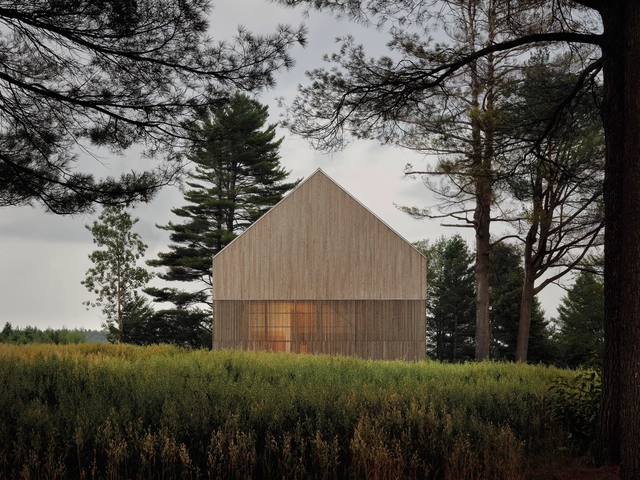




-
Architects: Matière Première Architecture
- Area: 4600 ft²
- Year: 2024
-
Manufacturers: Artemide, Atelier Vaste, Dals Lighting, Ghauz, Lambert et fils, +3
-
Professionals: Nu Drom Construction
https://www.archdaily.com/1029614/atelier-matiere-premiere-nu-drom-matiere-premiere-architectureHana Abdel