
-
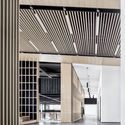
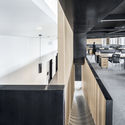
Architects: BDCL Design International Ltd
- Area: 21200 m²
- Year: 2017
-
Manufacturers: Luoyang glass company limited, Shanghai Fenglv, Shanghai Jixiang Building Materials Group




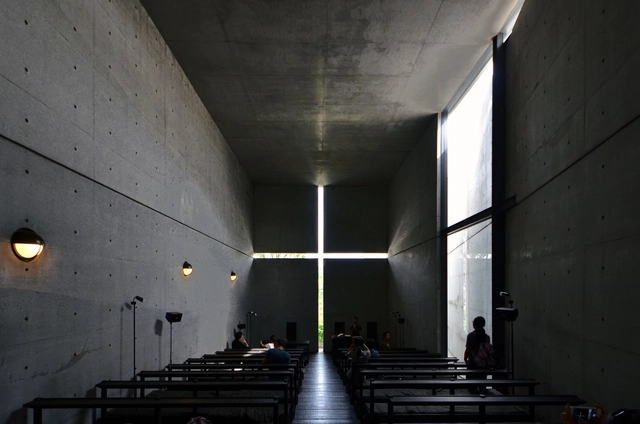
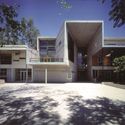
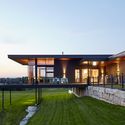
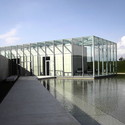
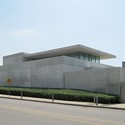
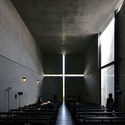
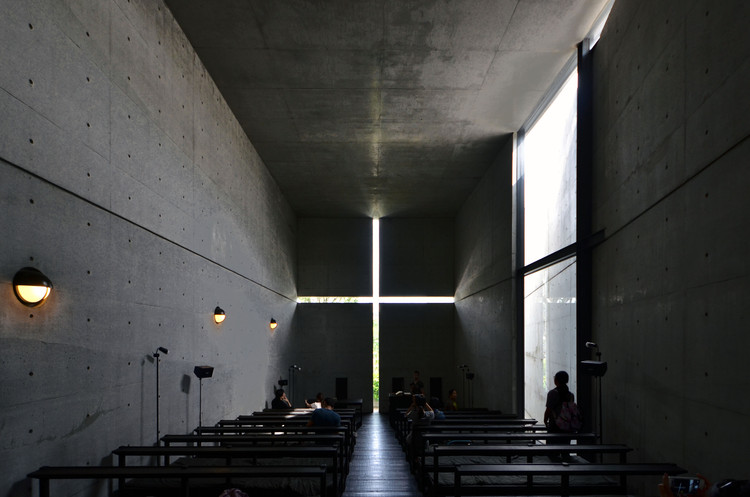
As the recipient of the 1995 Pritzker Prize, Tadao Ando (born 13 September 1941) is highly regarded for his unparalleled work with concrete, sensitive treatment of natural light, and strong engagement with nature. Based in Osaka, Japan, Ando's ascetic yet rich version of modernism resonates with the traditional Japanese conception of architecture, and has caused him to be regularly referred to as a "critical regionalist."

_SOM_(1).jpg?1536850539&format=webp&width=640&height=580)
The architecture firm Skidmore, Owings & Merrill have broken ground on Block 9, an 18-story mixed use tower in the heart of downtown Fargo, North Dakota. Inspired by the the prairies, the development was designed to reflect the scale of the city and surrounding buildings. The project includes an expansive public plaza with retail, office, hotel, and residential programming, and will make use of timber and local stone. Developed by Block 9 Partners, a partnership of Kilbourne Group and R.D. Offutt Company, the mixed-use tower will transform Fargo’s skyline.
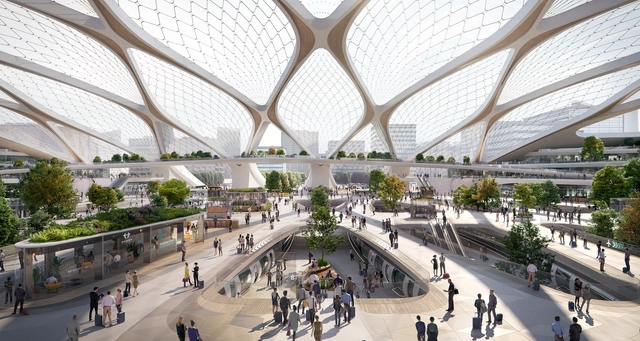
UNStudio has shared a prototype vision for a hyperloop transfer hub, intended to ultimately connect cities such as Amsterdam and Frankfurt in less than an hour. The project, done in collaboration with Hardt Hyperloop, was announced at a summit in Utrecht dedicated to exploring future transit in Europe.

Instagram has made a sizable impact on architecture, from allowing designers to showcase their work, to influencing the very design of buildings themselves. As we have shown in the past, there are hundreds of architecture feeds worth a follow for designers at any stage of their career. However, for fresh students of architecture, the vast labyrinth of suggestions, stories, and tags can be overwhelming, distracting, and almost irrelevant.
To address this, we have compiled a list of 50 Instagram feeds that, although applicable for all designers, are particularly aimed at offering inspiration, support, and references for students finding their feet in the architecture world. Give them a follow to stay up-to-date with the latest creations from fellow students, young architects, university studios, and more.


Chilean architect Alejandro Aravena and founder of ELEMENTAL has been named the 2018 laureate of Royal Institute of British Architect's (RIBA) Charles Jencks Award. The prize is given in recognition of an individual's exceptional contributions to the field of architecture, both in built and theoretical works. Aravena will receive the prize and give a lecture at RIBA's London headquarters on 15 October.

The architectural history of Mexico bears with it a wealth of symbolism that gives insight into the different time periods that have played host to contemporary cultural movements throughout the country's history.
Today, it's common to hear well-known architects calling for, not the creation of new spaces, but for the restoration of already existing ones. This stance insists that it is one's duty as an architect to rescue a site's memory by bringing it into the here and now.
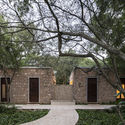
As philosopher Jean Paul-Sartre put it, "what is important is not what happens to us, but what we do with what happens to us." In keeping with Sartre's phrase, we have compiled a list of 6 restoration projects that aim to rescue sites and show the interconnectedness of different time periods in Mexican history.










_SOM_(5).jpg?1536850355 "Block 9. Image Courtesy of Skidmore, Owings & Merrill")
_SOM_(3).jpg?1536850495 "Block 9. Image Courtesy of Skidmore, Owings & Merrill")
_SOM_(4).jpg?1536850225 "Block 9. Image Courtesy of Skidmore, Owings & Merrill")
_SOM_(2).jpg?1536850381 "Block 9. Image Courtesy of Skidmore, Owings & Merrill")
_SOM_(1).jpg?1536850539)