

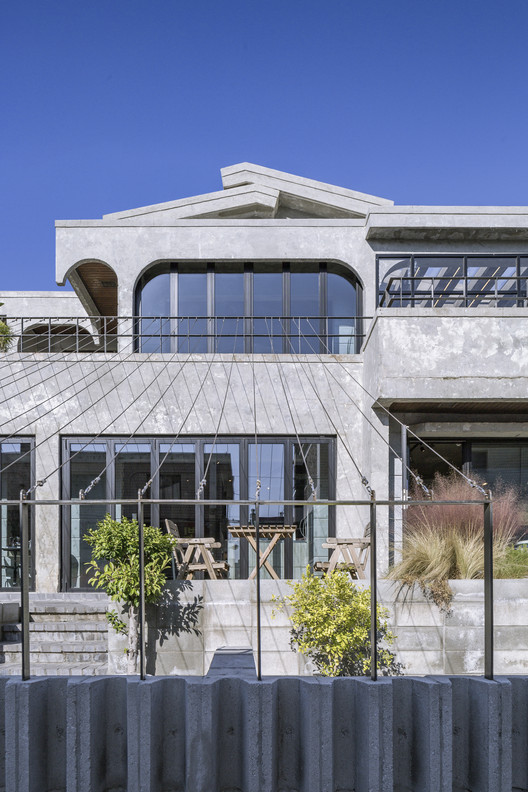
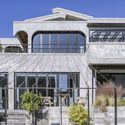
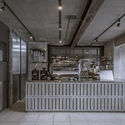
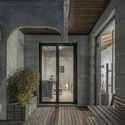
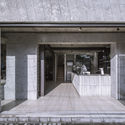

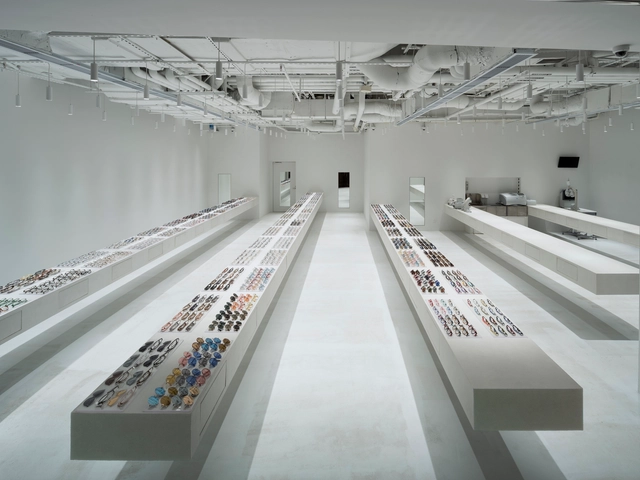
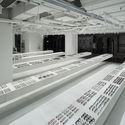
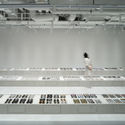
JINS SWFC Shop / junya ishigami + associates

-
Architects: junya ishigami + associates
- Area: 139 m²
- Year: 2018
-
Manufacturers: Huamei World Trade Technology Development, Neko Lighting AG, Shanghai Baoye Engineering
https://www.archdaily.com/908169/jins-swfc-shop-junyshigami-plus-associates舒岳康
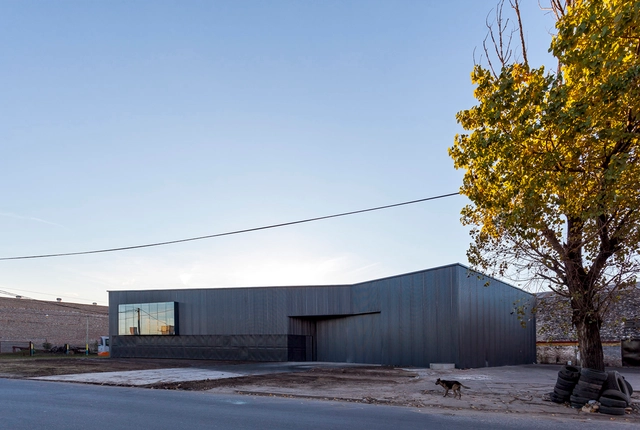
Graphic Inputs Logistics Center / Federico Marinaro Arquitecto


-
Architects: Federico Marinaro Arquitecto
- Area: 753 m²
- Year: 2016
https://www.archdaily.com/907954/graphic-inputs-logistics-center-federico-marinaro-arquitectoDaniel Tapia
Loft / Korman Arquitetos

.jpg?1545664925 "© JP Image")
.jpg?1545664890 "© JP Image")
.jpg?1545664795 "© JP Image")
.jpg?1545665153 "© JP Image")

-
Architects: Korman Arquitetos
- Area: 1345 ft²
- Year: 2018
-
Manufacturers: Portobello
https://www.archdaily.com/908349/loft-korman-arquitetosPilar Caballero


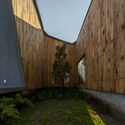


Tham & Videgård Reinvent Swedish Timber Row Houses

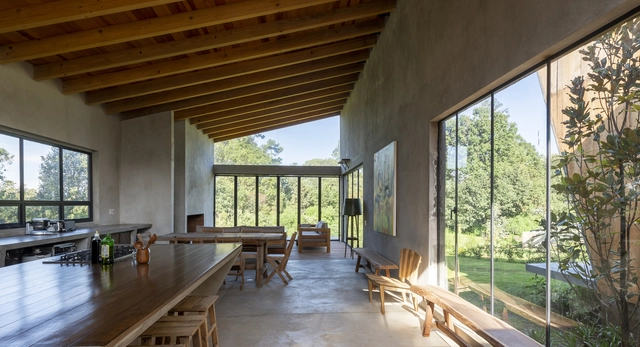
Swedish practice Tham & Videgård Arkitekter designed a series of colored timber homes for Gothenburg, Sweden. Part of a larger site development along Landvetter Lake, the project was imagined as a "vertical village" that rethinks the row house typology. A series of compact, three-level homes include private gardens around tall hedges and rounded plots. The solid timber design reimagines the firm's original proposal for a site in Stockholm.

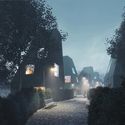
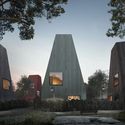
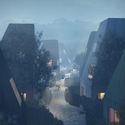

https://www.archdaily.com/908397/tham-and-videgard-reinvent-swedish-timber-row-housesEric Baldwin
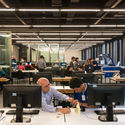
Casa Firjan / Atelier 77




-
Architects: Atelier 77
- Area: 73194 ft²
- Year: 2018
https://www.archdaily.com/908345/casa-firjan-atelier77Pilar Caballero
A Colorful Interactive Version of Euclid’s "Elements" Online for Free
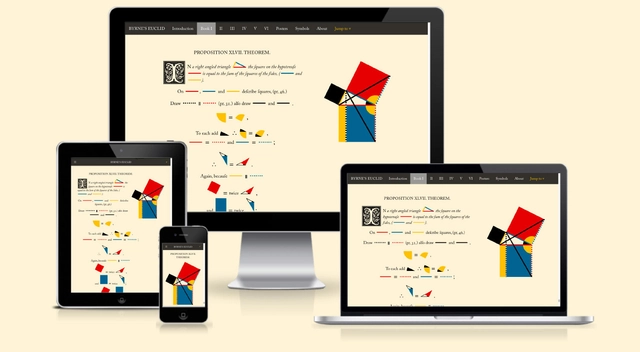
Written in 300BC, Euclid’s “Elements” is a collection of 13 books containing definitions, propositions, and mathematical proofs, and is considered instrumental in the development of logic and modern science. With the advent of the printing press, many editions of the book have been shared through the centuries.
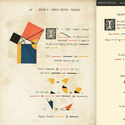
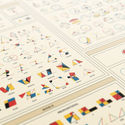
One of the most famous is that of Oliver Byrne in 1847, an edition of the first six books that is set apart for its bold use of color to depict mathematical proofs, rather than using letters to label angles and shapes.



https://www.archdaily.com/908249/a-colorful-interactive-version-of-euclids-elements-online-for-freeNiall Patrick Walsh
Suburban House II / Amunátegui Valdés Architects


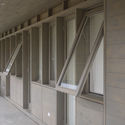
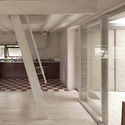
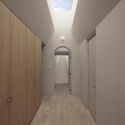

-
Architects: Amunátegui Valdés Architects
- Area: 365 m²
- Year: 2014
-
Manufacturers: Arauco
https://www.archdaily.com/908155/suburban-house-ii-amunategui-valdes-architectsDaniel Tapia
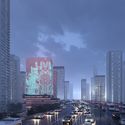
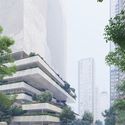
Mecanoo's Qianhai Data Center is a "Digital Lighthouse" for Shenzhen
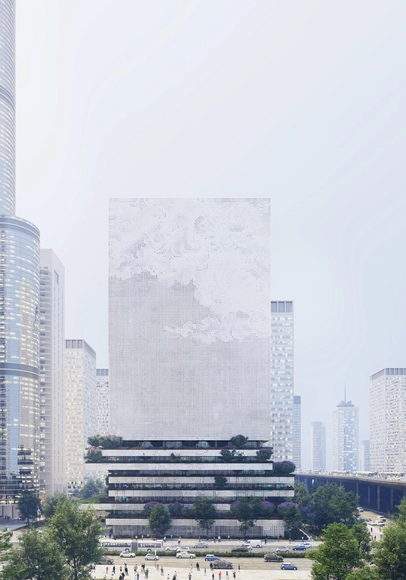
Mecanoo has unveiled their design for the Qianhai Data Center in Shenzhen, China, from which they received second prize in an international design competition. The 63,000-square-meter scheme, imagined as an urban beacon, consists of an opaque tower atop an open plinth with offices and support spaces.
The 113-meter-tall “digital lighthouse” is to be located within the 15-square-kilometer Qianhai Free Development Zone, where it will mark the arrival to the district and symbolize its innovative ambition.



https://www.archdaily.com/908238/mecanoos-qianhai-data-center-is-a-digital-lighthouse-for-shenzhenNiall Patrick Walsh
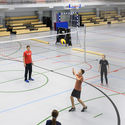
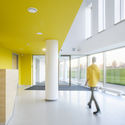
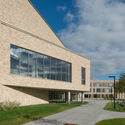
Letovo Schoolcampus / atelier PRO



-
Architects: atelier PRO
- Area: 39000 m²
- Year: 2018
-
Professionals: Atelier PRO, Buro Sant en Co
https://www.archdaily.com/908269/letovo-schoolcampus-atelier-proPilar Caballero
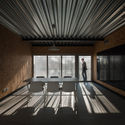
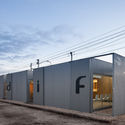
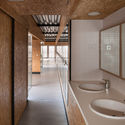
'Las Matas' Rail Maintenance Base / Estudio Astiz



-
Architects: Estudio Astiz
- Area: 100 m²
- Year: 2016
-
Manufacturers: JUNG, Alumafel, Armstrong Ceilings, Discesur, Enea
https://www.archdaily.com/908305/las-matas-rail-maintenance-base-estudio-astizRayen Sagredo
Snøhetta Designs New Danube River District for Budapest
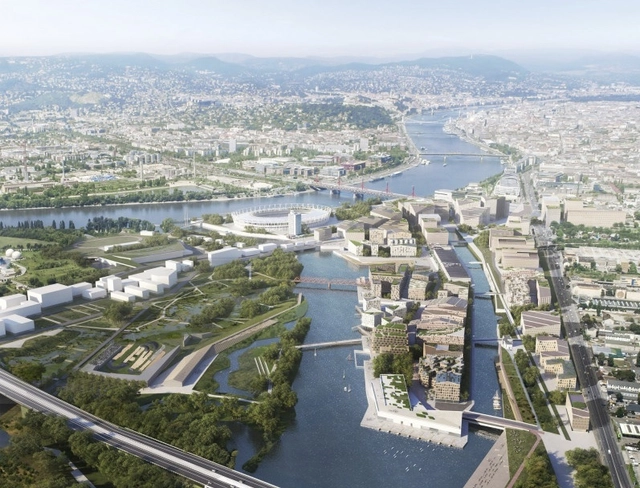
Snøhetta has won the competition to create a new neighborhood connected to the Danube River in Budapest. The brief asked for innovative proposals for 12,000 students along with educational, recreational and sports facilities. The South Gate masterplan for the 135-hectare site in the Hungarian capital focuses on urban relations and connects the new city quarter to the water to create a strong identity. Aspiring to create a lively, diverse and colorful new urban quarter, the project aims to create a lively waterfront for the people of Budapest.
https://www.archdaily.com/908396/snohetta-designs-new-danube-river-district-for-budapestEric Baldwin
Housing Greencity, Building Plot A1 / EM2N


-
Architects: EM2N
- Area: 14950 m²
- Year: 2017
-
Manufacturers: Dietlikon, Illnau-Effretikon, Jegen AG, Leicht, Liechtenstein, +6
-
Professionals: Amstein + Walthert AG, EM2N, Wismer + Partner AG, Losinger Marazzi AG
https://www.archdaily.com/908266/housing-greencity-building-plot-a1-em2nPilar Caballero
Dunhuang Tourism Distributing Center / BIAD-ZXD ARCHITECTS


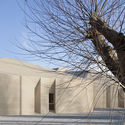
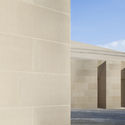
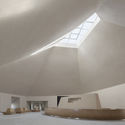
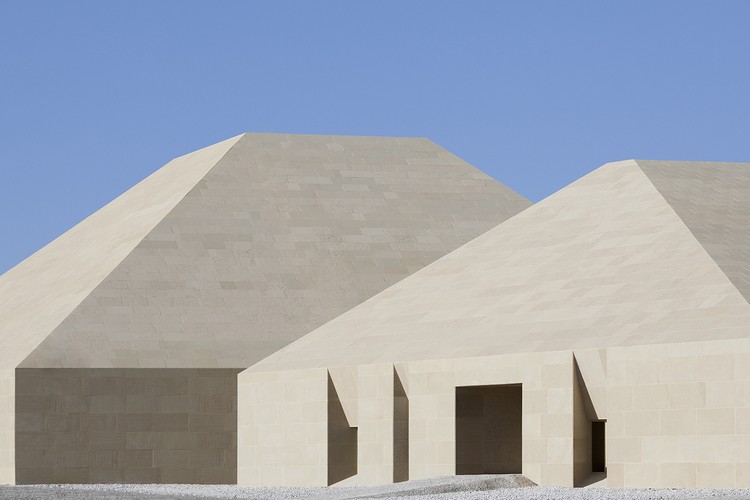
-
Architects: BIAD-ZXD ARCHITECTS
- Area: 3735 m²
- Year: 2018
-
Manufacturers: Aimeirui, Huifeng, Weifang Zhongyuan
https://www.archdaily.com/908274/dunhuang-tourism-distributing-center-biad-zxd-architects舒岳康
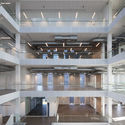
Forsyning Helsingør Operations Center / Christensen & Co. Architects

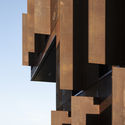
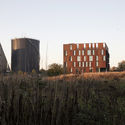
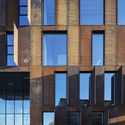
-
Architects: Christensen & Co. Architects
- Area: 6000 m²
- Year: 2018
-
Manufacturers: VELUX Group, Bostik, Jönsson inventar, Norisol, Taasinge Elementer
https://www.archdaily.com/908263/forsyning-helsingor-operations-center-christensen-and-co-architectsPilar Caballero
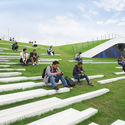
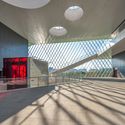
Second Stage of Hangzhou Yunqi Town Exhibition Centre / Approach Design (ZUP)




https://www.archdaily.com/902362/second-stage-of-hangzhou-yunqi-town-exhibition-centre-zhejiang-university-urban-rural-planning-and-design-instituteWinnie Wu
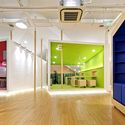
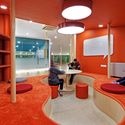
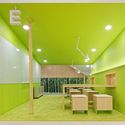
Smart Innovation Learning Center / NEILI LAB



https://www.archdaily.com/904352/smart-innovation-learning-center-neili-labCollin Chen