

-
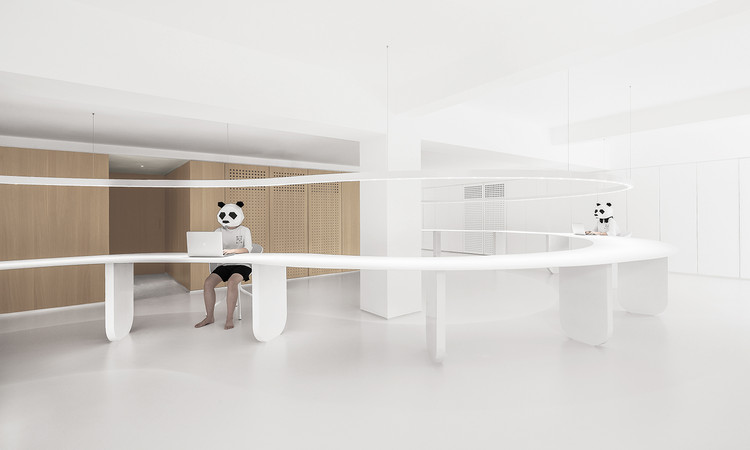
Architects: NORD Architects
- Area: 2250 m²
- Year: 2011
-
Professionals: NORD Architects, Wessberg

How We See Now
As the first day of the World Architecture Festival 2019 is coming to an end, we are happy to announce the winners of the sections already reviewed by the jury. Read on for the winning projects of the INSIDE, FUTURE PROJECTS and COMPLETED categories, among which are works by Heathewick Studio, Büro Happold, Nextoffice and many others.

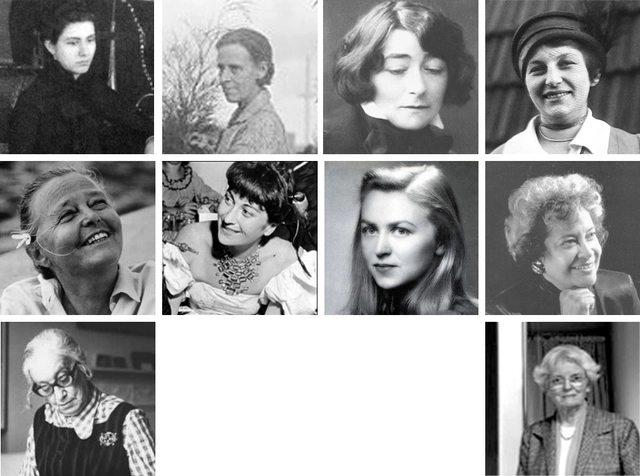
Looking back on architectural history, you could be forgiven for thinking that women were an invention of the 1950s, alongside spandex and power steering - but this couldn’t be further from the truth. Big names like Le Corbusier, Mies, Wright, and Kahn often had equally inspired female peers, but the rigid structure of society meant that their contributions tended to be overlooked.

The leaves are still sprinkled with delicate drops of morning dew.
Outside, in Hamburg, the bustling metropolis in northern Germany, the streets are already a hive of activity as another working day begins.
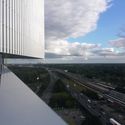
Time to savour a long, leisurely gaze over the Alster.
To watch the seagulls glide silently across the sky.
As you take in the great, boundless expanse, from a room flooded with natural light, the borders between indoors and outdoors begin to blur, as though the laws of physics no longer applied.
You feel the first rays of warm sunlight on your face.
Aren’t these precisely the kind of moments which give you the energy you need for yet another hectic day? – A view, not a window.
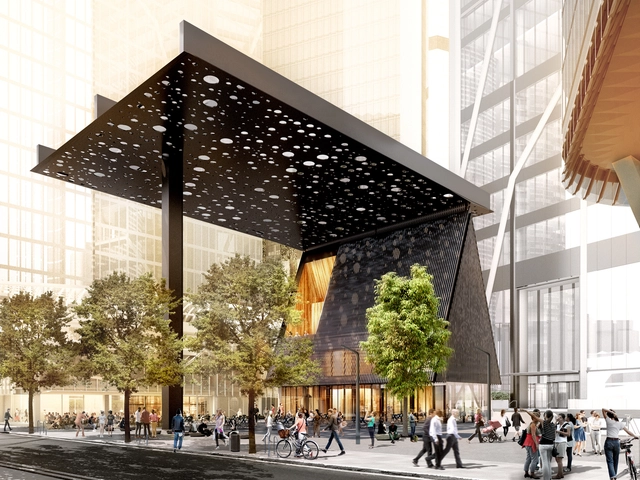
The City of Sydney has chosen Adjaye Associates and contemporary Aboriginal artist Daniel Boyd to design a new public square, plaza building, and public artwork. The project attempts to uncover the lost history of the site, reconcile cultures and define identities.

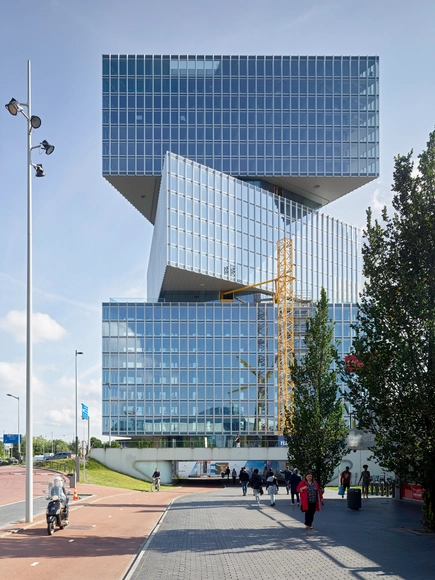
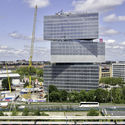
OMA have completed their construction works on their latest addition to the Dutch Skyline. The building composed of stacked three shifted triangular volumes will host the Nhow Amsterdam RAI Hotel, expected to become the largest hotel of the Benelux union once inaugurated.
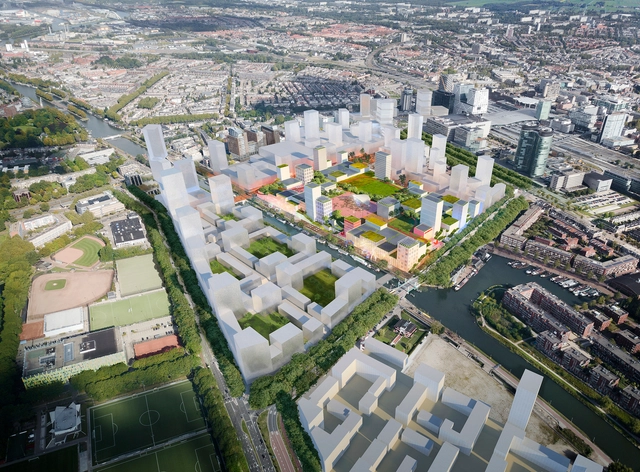
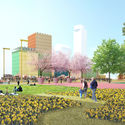
MVRDV and Jaarbeurs have designed a new master plan and green roof for Utrecht’s exhibition, event, and conference center in the Netherlands. MVRDV founding partner Winy Maas described the project's goal as creating “a garden in the city.” The new Jaarbeurs is designed to be a sustainable building that opens in all directions, and an accessible green roof will descend to ground level via cascading terraces.