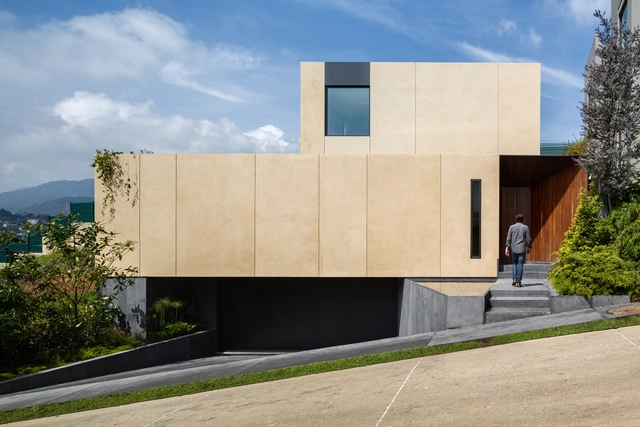
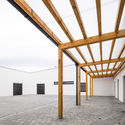
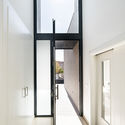
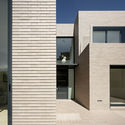
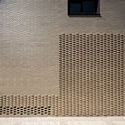
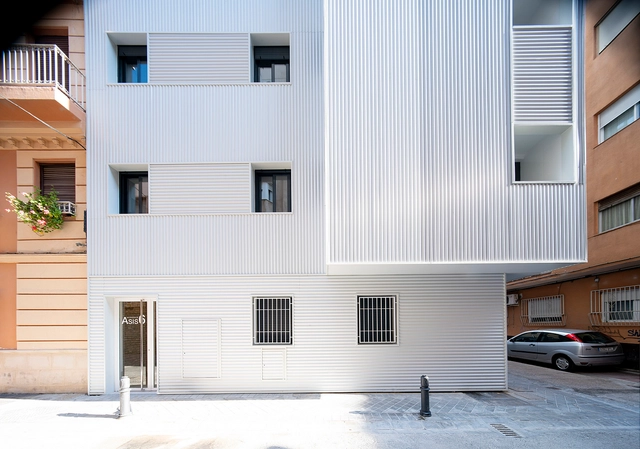
![Portland / Balance Architettura [BLA] - Apartments](https://snoopy.archdaily.com/images/archdaily/media/images/5b9c/612c/f197/ccd5/3e00/008a/slideshow/©bg_Port_009.jpg?1536975123&format=webp&width=640&height=580)
![Portland / Balance Architettura [BLA] - Apartments](https://images.adsttc.com/media/images/5b9c/626a/f197/ccd5/3e00/0092/thumb_jpg/-�bg_Port_043.jpg?1536975442 "© Beppe Giardino")
![Portland / Balance Architettura [BLA] - Apartments](https://images.adsttc.com/media/images/5b9c/622f/f197/cc55/4200/0072/thumb_jpg/-�bg_Port_038.jpg?1536975384 "© Beppe Giardino")
![Portland / Balance Architettura [BLA] - Apartments](https://images.adsttc.com/media/images/5b9c/6186/f197/ccd5/3e00/008c/thumb_jpg/©bg_Port_020.jpg?1536975214 "© Beppe Giardino")
![Portland / Balance Architettura [BLA] - Apartments](https://images.adsttc.com/media/images/5b9c/624c/f197/ccd5/3e00/0091/thumb_jpg/-�bg_Port_041.jpg?1536975411 "© Beppe Giardino")
![Portland / Balance Architettura [BLA] - More Images](https://images.adsttc.com/media/images/5b9c/612c/f197/ccd5/3e00/008a/medium_jpg/©bg_Port_009.jpg?1536975123)
-
Architects: Balance Architettura [BLA]
- Area: 85 m²
- Year: 2016
-
Manufacturers: Cavallaro Casa, Edil Perri, OLIVARI, Oty Light, Simas, +1






IKEA’s research and design laboratory SPACE10 has unveiled their latest project, SolarVille, to showcase new ways to democratize access to clean, renewable energy. Based in Copenhagen, the team partnered with blockchain experts BLOC, Blocktech, WeMoveIdeas India and architecture practice SachsNottveit. The project explores how combining new technologies with solar power can make clean energy more affordable. The vision centers on cooperative micro-grids where homeowners can become makers and traders of clean energy.

This article is an updated version of its original post on March 15th, 2016.
"In the ongoing debate about women in the architecture profession, you rarely hear an argument for why equal representation is important; it's generally assumed to be an unquestionable moral imperative. However, in this article originally published on the Huffington Post as "Why Women's Leadership Is Essential for Architects," Lance Hosey argues that, regardless of your position on equality as a moral imperative, better representation of women in architecture could benefit everyone in the profession—in very tangible ways.
Today, on International Women's Day (March 8) we want to share again the American Institute of Architects (AIA) publication "Diversity in the Profession of Architecture," its first diversity report in a decade. The release follows the creation in December 2015 of the AIA's "Equity in Architecture Commission," a panel of twenty architects, educators, and diversity experts to investigate diversity and inclusion in the profession. The new report documents a survey of over 7,300 professional architects and students, including men and women, 79% of them whites and 21% people of color.
.jpg?1496179855)
When applying for an architecture job, you need to make sure you have the perfect portfolio. While a clever and attractive business card might help you initially get a firm's attention, and a well-considered résumé or CV might help you prove your value, in most cases it will be your portfolio that makes or breaks your application. It's your portfolio that practices will use to measure your design sensibilities against the office's own style and to judge whether you match up to the talents claimed in your résumé.
After launching a call for our readers to send us their own portfolios so that we could share the best design ideas with the ArchDaily community, this selection below shows the best of the nearly 200 submissions we received, which were judged not on the quality of the architectural design they showed (though much of it was excellent) but instead the design quality of the portfolio itself. In making the selection, we were looking for attractive graphics, a clear presentation of the work itself, the formulation of a visual identity which permeated both the architectural designs and the portfolio design, and of course that elusive and much-prized attribute: "creativity."
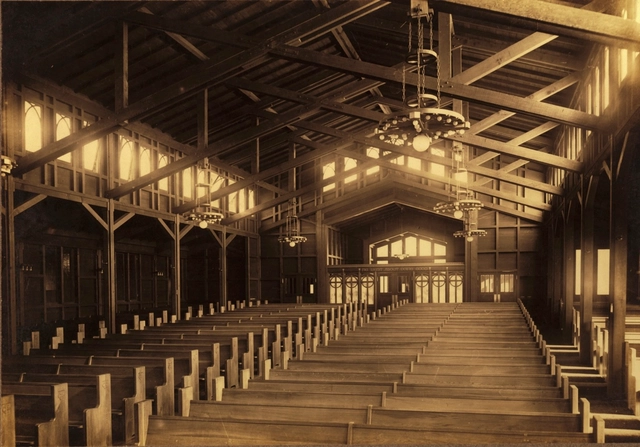
Since its founding in 1851, The New York Times has published thousands of obituaries listing the lives and legacies of some of the world’s most influential people. However, by their own admission, the listings have historically been dominated by white men. In order to address this, The Times launched its “Overlooked” series in 2018, telling the stories of women such as Sylvia Plath and Emma Gatewood.
In advance of International Women’s Day, The Times has published an obituary by Alexandra Lange detailing the life and legacy of Julia Morgan, the first woman to earn an architect’s license in California, and “a prolific designer of hundreds of buildings, namely the Hearst Castle at San Simeon."

Since our mission is directly related to the architecture of the future—in inspiring and educating the global community of architects who will design the urban fabric of the future—the trust placed in us by our readers to reflect architectural trends from regions around the whole world creates challenges that we are eager to rise to. The democratically-voted, user-centered Building of the Year Awards is one of the key pillars of our response to these challenges, aiming to tear down established hierarchies and geographical barriers.

Seven buildings have been shortlisted for RIBA North East (Royal Institute of British Architects) 2019 Awards; the winners will be announced at an Awards evening at Tyneside Cinema on Thursday 16 May.
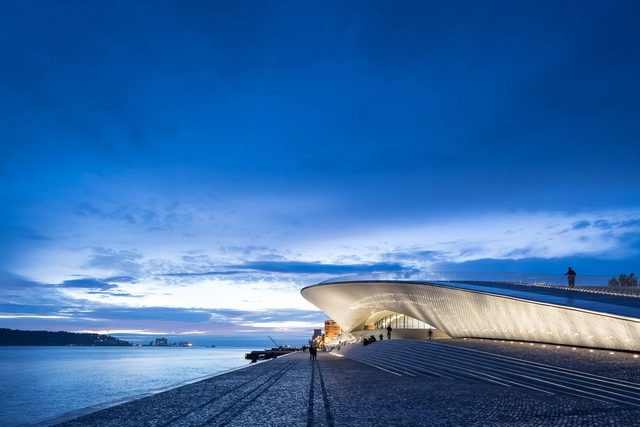
In the 12 months since 2018 International Women’s Day, we have seen many female architects come to fore of the design discourse. From Shelley McNamara and Yvonne Farrell’s curation of the 2018 Venice Biennale to Frida Escobedo's celebrated design for the Serpentine Pavilion, the architectural newsfeeds from the past twelve months have played host to many signs of change in a traditionally male-dominated profession.
ArchDaily has also been busy over the past year, publishing stories such as twelve prominent women in architectural photography, seven influential women of the Bauhaus, and the women redefining success in architecture. Beyond news and editorials, the honorary lists and award ceremonies of prominent architectural institutions from around the world have also paid tribute to some of the world’s leading and emerging female architects.