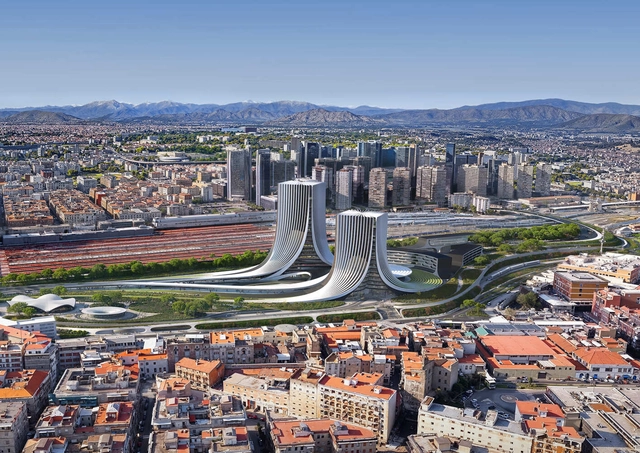
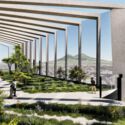
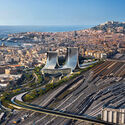
Zaha Hadid Architects (ZHA) has been announced as the winner of the international design competition for the Napoli Porta Est masterplan, a large-scale urban regeneration project in Naples, Italy. The project, which includes the new Campania Region headquarters, aims to reconnect fragmented urban areas and revitalize a district that has long been considered isolated and unsafe due to inadequate public spaces and physical barriers.
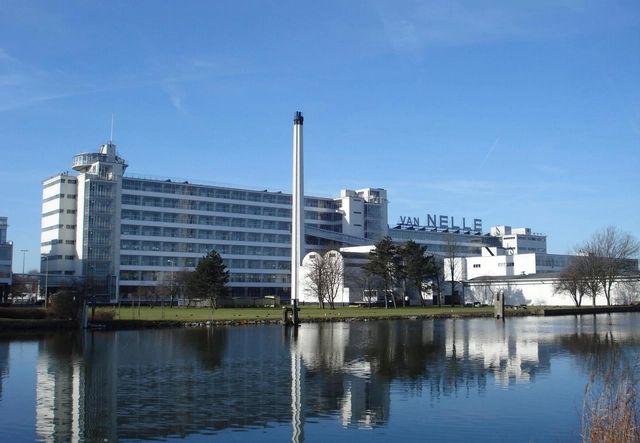
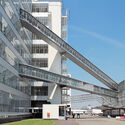
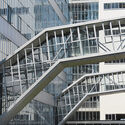
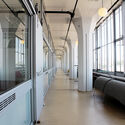
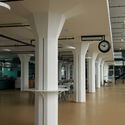
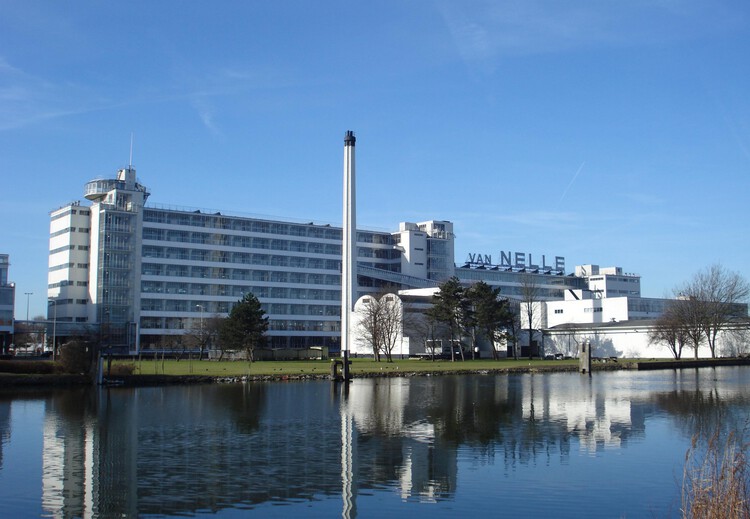
Envisioned as a "daylight factory", the Van Nelle complex introduced revolutionary architectural and social concepts for its time. By integrating glass, steel, and concrete into an open, rational layout, it demonstrated how design could transform industrial processes while improving the lives of the people within. It was not merely a space for production but a symbol of optimism, representing the potential of architecture to reshape industries and communities.
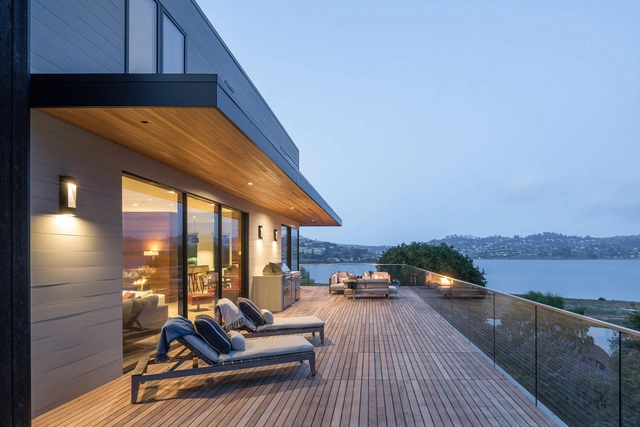
Guardrails and windscreens play an essential role in contemporary architecture, combining safety, functionality, and aesthetic appeal. These systems are crucial for protecting elevated spaces like balconies, terraces, and staircases, incorporating materials such as tempered laminated glass, stainless steel, aluminum and innovative fastening systems. This allows for transparency and unobstructed views without compromising safety. They also feature customizable options, including top caps, handrails and integrated lighting, enabling architects to create unique, visually striking spaces that meet both practical and aesthetic goals.
Essentially, a guardrail system is a carefully designed assembly of components, each playing a vital role in ensuring safety and aesthetics. Beyond the desired visual impact, these systems must be highly reliable and safe to fulfill their primary function. At the core of the system is the guardrail components, providing support and guidance, with infill options, including, glass panels, bar/tube or cables balancing safety and style. Base shoes, a type of guardrail system, anchors glass infill panels to the structure, ensuring durability and precision. Optional handrails, can either be post mounted or mounted directly to the glass, while top rails provide an aesthetic touch while protecting the top edge of the glass and helping with glass alignment.
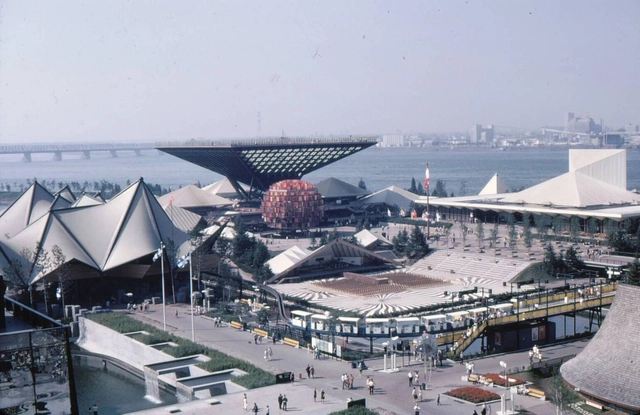
Canada's Expo 67 stands as one of the most successful world expos ever held, setting records and leaving an enduring impact on Montreal's urban landscape. As part of Canada's 100 years celebrations, the event provided an opportunity for the city to showcase its cultural and technological achievements on a global platform. With over 50 million visitors in just six months, it shattered attendance records, including an astonishing 569,500 visitors in a single day. An unprecedented feat for a world fair at the time. Now, 58 years later, and with the Osaka Expo 2025 set to showcase how to design the future society for our lives, it is worth revisiting the legacy of Expo 67 and exploring the urban transformations it brought to Montreal.
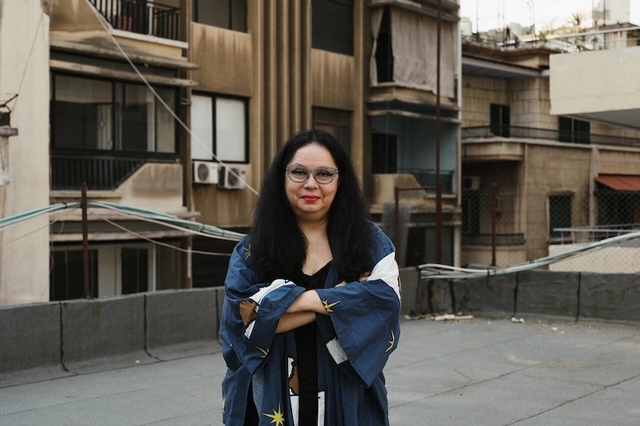
The Istanbul Foundation for Culture and Arts (İKSV) has appointed Christine Tohmé as the curator for the 18th Istanbul Biennial, which will take place in three phases over three years from 2025 to 2027. According to the Biennial Foundation, this edition was postponed from 2024 by the Istanbul Foundation for Culture and Arts (İKSV). This Biennial remains Türkiye's largest international exhibition dedicated to contemporary art, offering a significant platform for artists globally. Titled The Three-Legged Cat and will unfold in three distinct phases, exploring themes of self-preservation and futurity, reflecting Tohmé's curatorial approach of engaging deeply with artistic production and local communities.