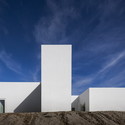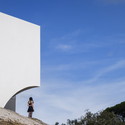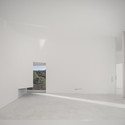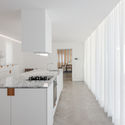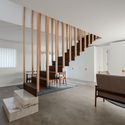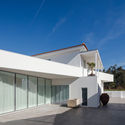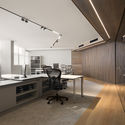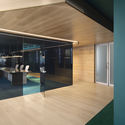
-
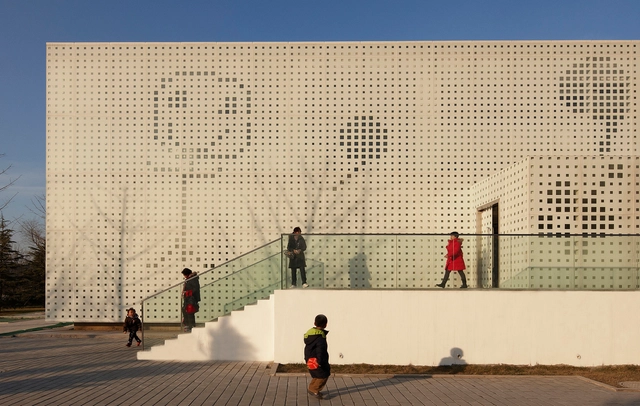
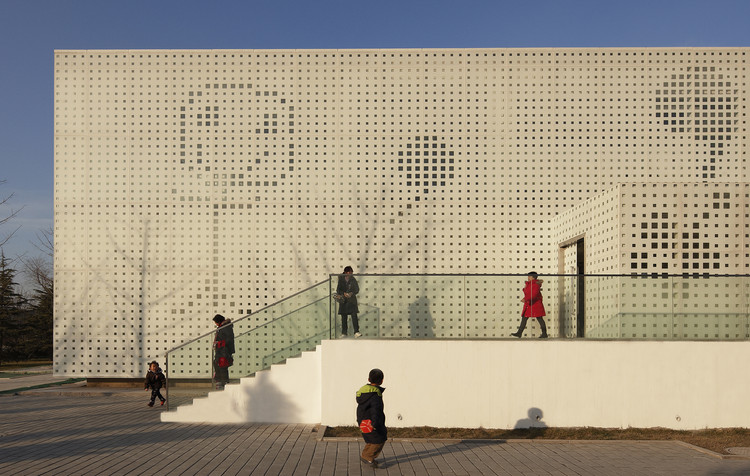
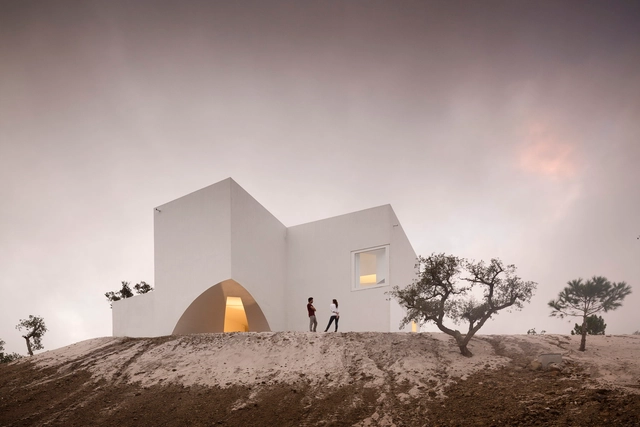
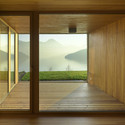
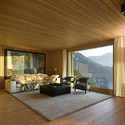
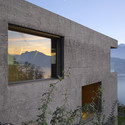
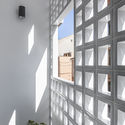
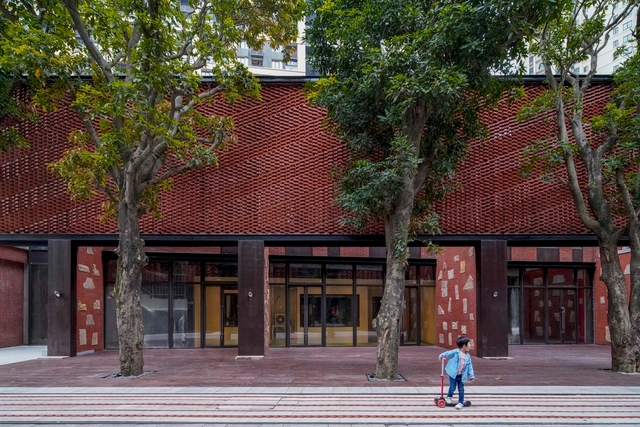
Architects: Crossboundaries
- Area: 2300 m²
- Year: 2011




Anna Saint Pierre's Granito project is harvesting the ingredients for new architectural building blocks from demolished structures.

Rapid urban change comes and goes without many even noticing it. Entire slices of a city’s history disappear overnight: What was once a wall of hewn stone is now fritted glass and buffed metal. The building site is always, first, a demolition site.
This is the thread that runs through Granito, a project by the young French designer and doctoral researcher Anna Saint Pierre. Developed in response to a late-20th-century Paris office block due for a major retrofit, one involving disassembly, it hinges on a method of material preservation Saint Pierre calls “in situ recycling.” Her proposal posits that harvesting the individual granite panels of the building’s somber gray facade could form the basis of a circular economy. “No longer in fashion,” this glum stone—all 182 tons of it—would be dislodged, pulverized, and sorted on-site, then incorporated into terrazzo flooring in the building update.

The Midnight Charette is an explicit podcast about design, architecture, and the everyday. Hosted by architectural designers David Lee and Marina Bourderonnet, it features a variety of creative professionals in unscripted and long-format conversations that allow for thoughtful takes and more personal discussions. Honesty and humor are used to cover a wide array of subjects: some episodes provide useful tips for designers, while others are project reviews, interviews, or simply explorations of everyday life and design. The Midnight Charette is available for free on iTunes, YouTube, Spotify, and all other podcast directories.

On this episode of The Midnight Charette podcast, hosts David Lee and Marina Bourderonnet discuss how to create a design portfolio that will get you interviewed and hired. The two cover everything from the critical points most designers overlook and what employers look for in a portfolio to format, binding, book sizes, graphics, what projects to include and exclude, cover design, layout, ordering work, digital submissions, and more. If you have any questions or advice about portfolios or any other design-related topics, leave a voicemail at The Midnight Charette hotline: 213-222-6950.
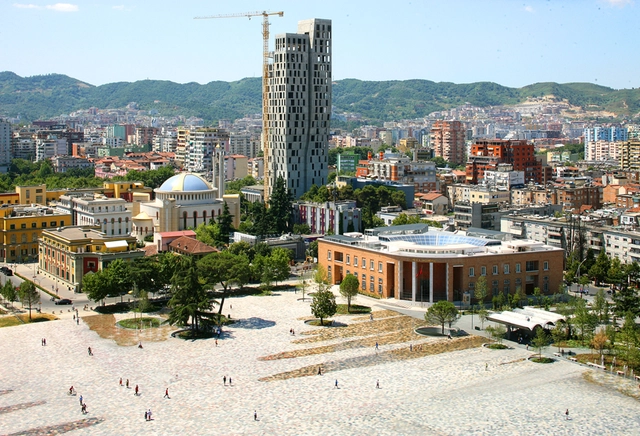
Design trends are often the result of foreign cultural influences, avant-garde creations, and innovative solutions for people's ever-evolving needs. Although the design world seems like one big mood board, some cities have managed to outshine the rest with their recent projects.
As part of their annual Design Cities Listing, Metropolis Magazine has highlighted 10 cities across 5 continents with intriguing projects that have harmonized contemporary urbanism with traditional and faraway influences.

.jpg?1563116280&format=webp&width=640&height=580)


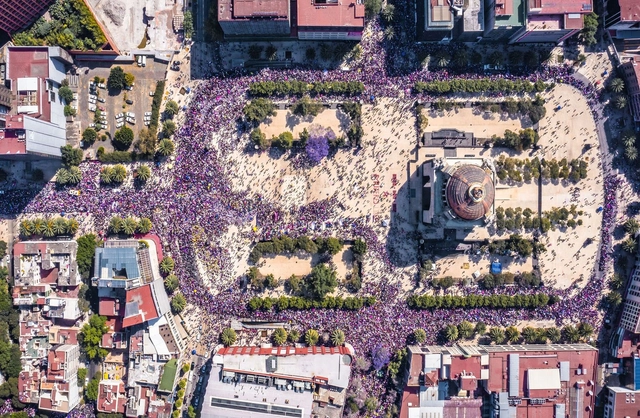
.jpg?1565194684 "Paro Internacional de Mujeres el 8 de marzo de 2019, en la Ciudad Autónoma de Buenos Aires. Defensoría del Pueblo de la Ciudad de Buenos Aires [CC BY-SA 4.0 (https://creativecommons.org/licenses/by-sa/4.0)]. Image Cortesía de Wikimedia Commons")




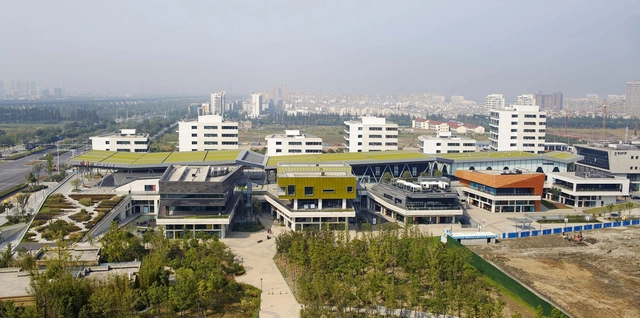
The feminine experience and its contributions in different fields of knowledge have experienced increasing acceptance, being mostly praised. The voice of architects, academics, designers, urban planners and activists has gained strength in view of the relevant reception of issues such as inclusion and gender perspective, in the face of challenges that test the great cities of the world and their inhabitants. Every March 8th – the day women take to the streets as an act of resistance and the exercise of citizenship – there are some brief reflections that highlight the link between the cities and their political-social events, as well as in related disciplines to architecture and urbanism.
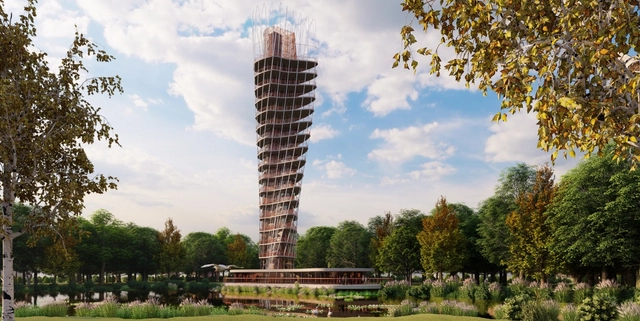
Over the past two decades, the role of representation and rendering has changed dramatically in the architecture, engineering, and construction industries. New rendering technologies, techniques, and programs, such as Lumion, have been contributing to this change. By including 3D rendering tools, architects and designers can take advantage of easy-to-use, multifunctional visualization technology that serves to strengthen creativity rather than stifle it.















.jpg?1563116418 "© Yijie Hu")

.jpg?1563115509 "© Yijie Hu")
.jpg?1563116158 "© Yijie Hu")
.jpg?1563116280)