One of the most highly regarded architects of the 20th century, Walter Gropius (18 May 1883 – 5 July 1969) was one of the founding fathers of Modernism, and the founder of the Bauhaus, the German "School of Building" that embraced elements of art, architecture, graphic design, interior design, industrial design, and typography in its design, development and production.
https://www.archdaily.com/375067/happy-birthday-to-bauhaus-founder-and-acclaimed-modernist-walter-gropiusAD Editorial Team
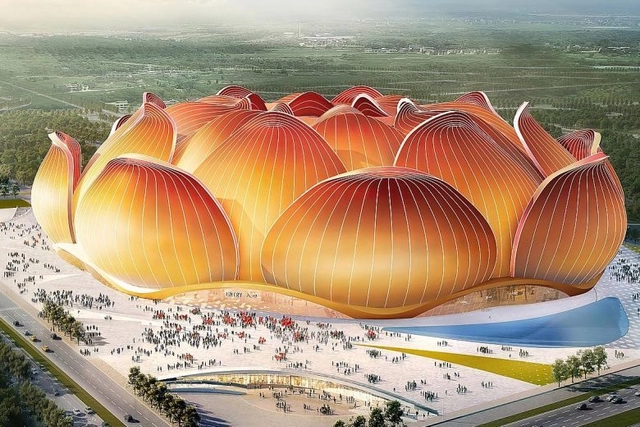
On April 16, a ground-breaking ceremony was held in the city of Guangzhou, China, for what is to be the world’s largest soccer stadium. The most controversial aspect of the project was not its $1.7 billion price tag, but its bold lotus shape causing a backlash from the local architectural community but praise from the general public.
https://www.archdaily.com/939208/the-worlds-largest-soccer-stadium-breaks-ground-in-guangzhouMilly Mo
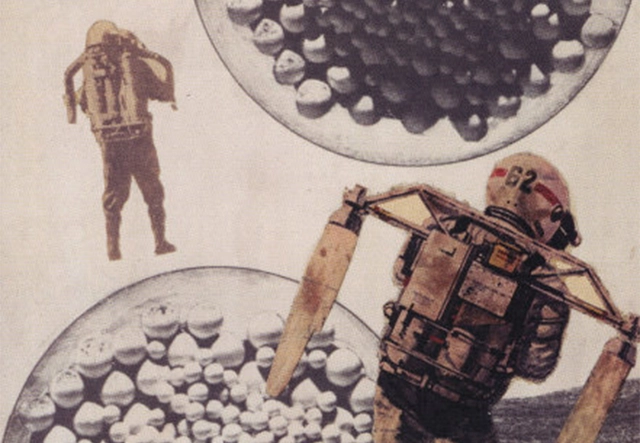
Raimund Abraham’s Air Ocean City. Image Courtesy of MIT Press
For more than a century, architects have been addressing the world as a project through speculative designs in an attempt to imagine the future and reframe global issues. Globalisation, the ever-increasing interconnectedness demands action on a worldwide scale and invites a reflection on the profession's responsibilities. The latter is precisely what the book The World as an Architectural Project achieves, through a compilation of world-scale speculative projects of the past century, making a compelling case for the agency of architecture.
The Midnight Charette is an explicit podcast about design, architecture, and the everyday. Hosted by architectural designers David Lee and Marina Bourderonnet, it features a variety of creative professionals in unscripted conversations that allow for thoughtful takes and personal discussions. A wide array of subjects are covered with honesty and humor: some episodes provide useful tips for designers, while others are project reviews, interviews, or explorations of everyday life and design. The Midnight Charette is also available on iTunes, Spotify, and YouTube.
This week David and Marina share the experiences with design and architecture competitions: Why one should enter competitions, who they benefit, how to choose the right competition, different competition types, what to expect in the process, tips for winning, when they are not a good idea, and more. Enjoy!
https://www.archdaily.com/939532/tips-and-tactics-a-guide-to-architecture-competitionsThe Second Studio Podcast
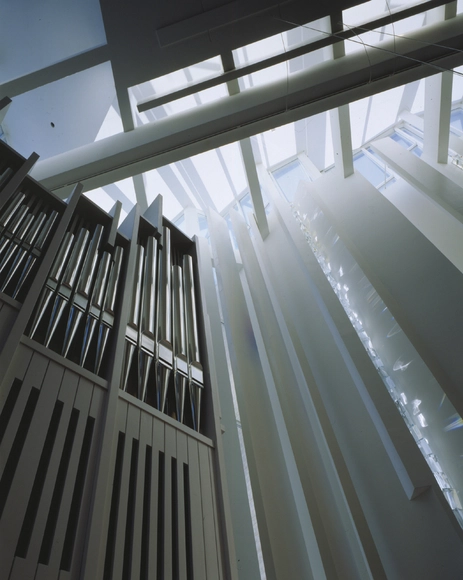
On the UNESCO International Day of Light, The Daylight Award announces its 2020 Laureates: Juhai Leiviskä for his architecture, Russell Foster for his research, and this year, exceptionally, The Daylight Award is also given to Henry Plummer for his lifetime achievement.
'While laureate Russell Foster studies the science behind the effect of light on human behaviour and physical and mental wellbeing, laureates Juha Leiviskä and Henry Plummer approach the effects and implications of daylight intuitively through architectural design, photographic expression and verbal mediation of these human responses. Whether elucidating the neural effects of light or invoking the poetic essence of light, the laureates of the 2020 Daylight Award demonstrate to us the power of natural light,' states the jury.
https://www.archdaily.com/939567/juha-leiviska-russell-foster-and-henry-plummer-receive-the-daylight-award-2020AD Editorial Team
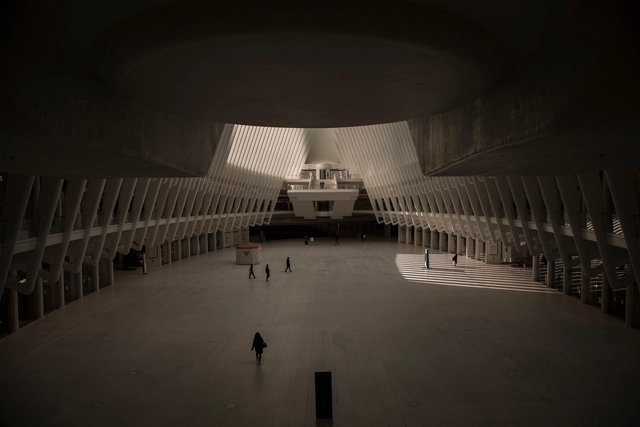
There are strange elements of connection within this phenomenon of social distancing: not only is the whole world experiencing it simultaneously, but we also seem to share a global momentum of awareness that something unique is taking place, which demands to be documented and gradually understood.
Moved by that impulse and under the guidance of professor Erieta Attali, 16 students from The Cooper Union, explored, through photography, their everyday life now ruled by isolation and social distancing. And they did so, not from a single city, but from 10 different places, as they returned to their home countries amidst the crisis.
Hillary Schieve, the mayor of Reno, Nevada, often jokes that she went to her first Burning Man kicking and screaming. The event—which takes place in the Black Rock Desert, 100 miles north of the city—transformed her understanding of arts and culture, and of city-building, and she became a convert. Two years ago, as the chair of the United States Conference of Mayors Tourism, Arts, Parks, Entertainment, and Sports (TAPES) committee, she started taking groups of mayors out to Burning Man to experience the energy of the Playa (the event’s name for its Black Rock location) and learn from its culture. As with most in-person gatherings for the foreseeable future, Burning Man 2020 will be different. In April, the organization announced that it would be experimenting with an online, interactive format, looking to attract an astounding 100,000 burners. I recently chatted with Mayor Schieve about her fervor for Burning Man, its impact on Reno, urban design and planning lessons cities can borrow, and how she envisions a digital Burning Man.
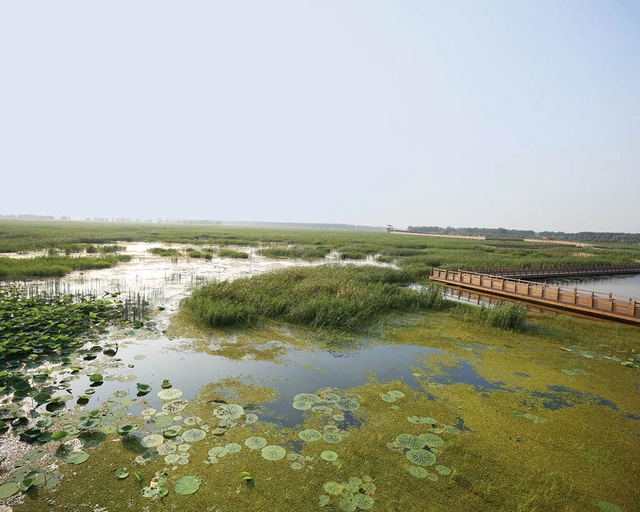
Design With Nature Now revisits Ian McHarg’s eponymous 1969 book and takes stock of current practices and projects of resilience in landscape design the world over, such as AECOM’s Weishan Lake National Wetland Park in Shandong, China. Courtesy AECOM
Moving away from its early exclusive focus on natural disasters, resilient architecture and design tackles the much tougher challenge of helping ecosystems regenerate.
Thirty years ago, as a high school student at the Cranbrook boarding school in suburban Detroit, I wrote a research-based investigative report on the environmental crisis for the student newspaper. I had been encouraged to do so by a faculty adviser, David Watson, who lived a double life as a radical environmentalist writing under the pseudonym George Bradford for the anarchist tabloid Fifth Estate. His diatribe How Deep Is Deep Ecology? questioned a recurring bit of cant from the radical environmental movement: Leaders of groups like Earth First! frequently disparaged the value of human life in favor of protecting nature.
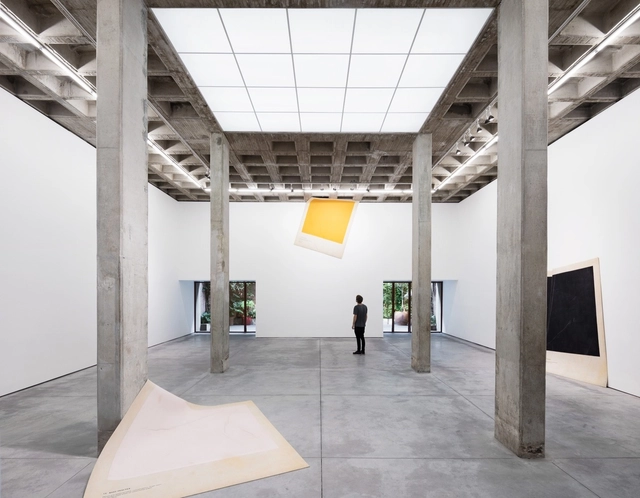
Overall, when designing exhibition spaces, certain aspects contribute to an effective display of the pieces: diffuse lighting, spatial distribution, and high ceilings are some of them. The combination of these features with rooms that are able to transform themselves (using elements that can be perforated, repainted, and adapted according to each exhibition), is common in many art galleries, expressing the dialogue between art and architecture.
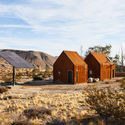
The romantic notion of wanderlust, and having the ability to freely move away from the familiar with minimal possessions is a desire that almost everyone has experienced at some point in their lives. The nomadic lifestyle is so appealing because it represents the possibility of rebelling against symbols of stability and permanence in favor of exploring the natural environment and having the ability to adapt to a variety of living conditions with ease. This desire has given rise to movable structures for the urban vagabond that can transform into a temporary office, home, or even an entire community.
The Young Talent Architecture Award (YTAA) has unveiled the list of nominees for its 2020 award. Available on their website, the graduation projects nominated will also be exhibited amongst the Collateral Events at the 17th International Architecture Exhibition by La Biennale di Venezia.
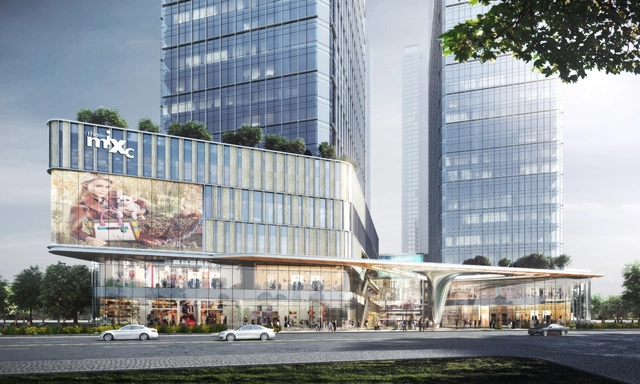
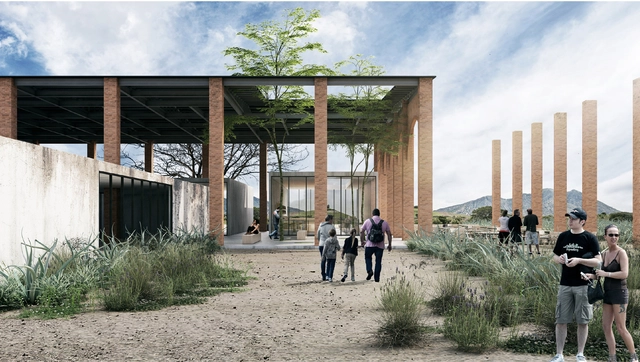
10 DESIGN has created a new mixed-use development, the Sungang MixC Market Hall, in China. Currently under construction and scheduled for completion by 2022, the project, a retail, gastronomy and offices destination is located on a former industrial zone.
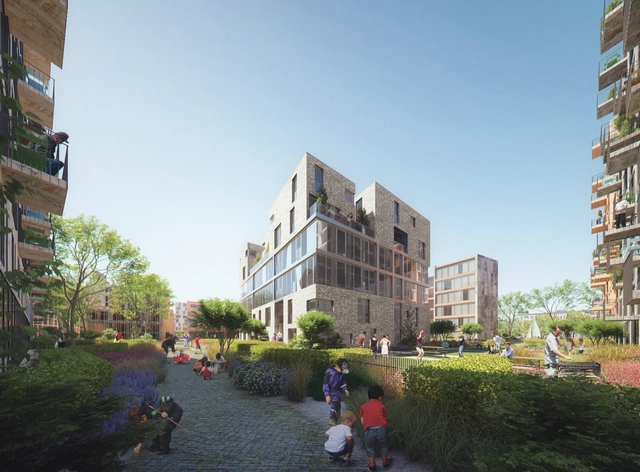
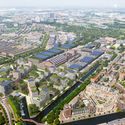
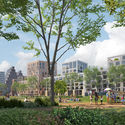
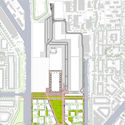
Mecanoo has designed a new masterplan for the Marktkwartier neighborhood in Amsterdam. The plan aims to rethink the city's Food Center as the project makes room for the new residential neighborhood. The Marktkwartier is designed to be "a neighborhood for all Amsterdammers; families, singles, students and seniors will be accommodated in a varied residential program of around 1700 units."
Videos
Pasaje Jose Cuervo. Image Courtesy of IE School
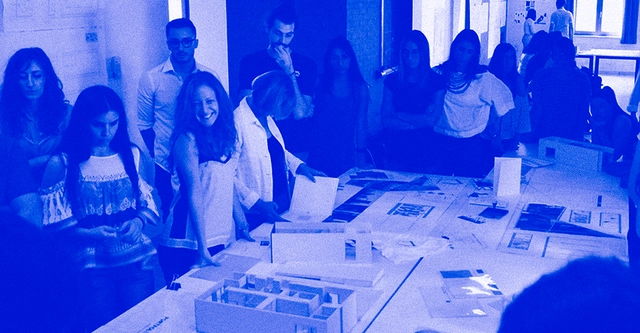
IE School of Architecture and Design students in the Master in Strategic Design of Spaces are challenged to be future-forward thinkers from the outset. In today’s world, where urban spaces are quickly evolving and city developments must address increasingly complex requirements, overcoming these challenges requires innovative, unconventional approaches.
Architecture begins with curiosity. For Olson Kundig principal Alan Maskin, designing critical and creative spaces starts with how we imagine new worlds together. Drawn to the strange and extraordinary, Alan leads an interdisciplinary team of architects, designers and visual artists on bringing narrative-based projects to life. Based in the Pacific Northwest, he has built a range of inspiring cultural projects around the world.
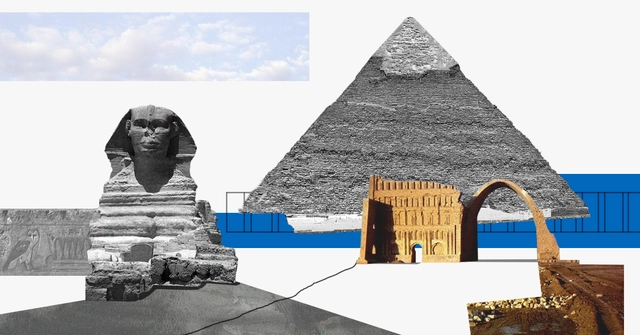
As far as written records report, “prehistory” dates back between 35,000 BCE and 3000 BCE in the Middle East (2000 BCE in Western Europe). Ancient builders had a profound understanding of human responses to environmental conditions and physical needs. Initially, families and tribes lived together in skin-covered huts and bone structures. Thousands of years later, human settlements evolved into fortified mud-brick walls surrounding rectangular volumes with pierced openings for ventilation and sunlight.
During the upcoming months, we will be publishing short articles on the history of architecture and how it evolved to set the fundamentals of architecture we know today. This week, we are going back to some of the earliest civilizations known to mankind: Megaliths, Mesopotamia, and Ancient Egypt.
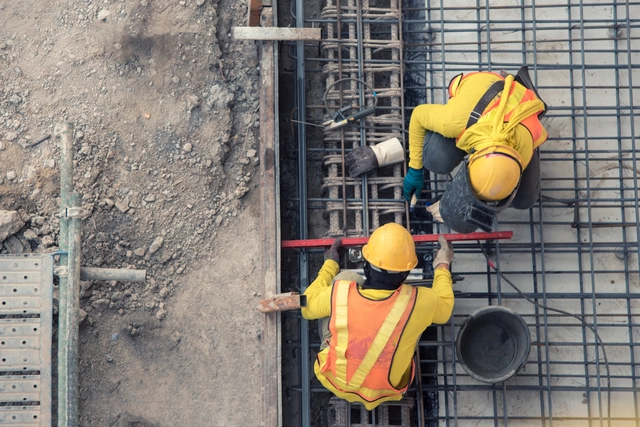
The Construction Industry Coronavirus Forum (CICV) has launched posters to urge people to stop their abuse against key workers carrying out essential construction tasks, during the COVID-19 pandemic. The protective signage reading “Key Worker: Carrying out Essential Work”, has been distributed to be posted on construction sites and vans.
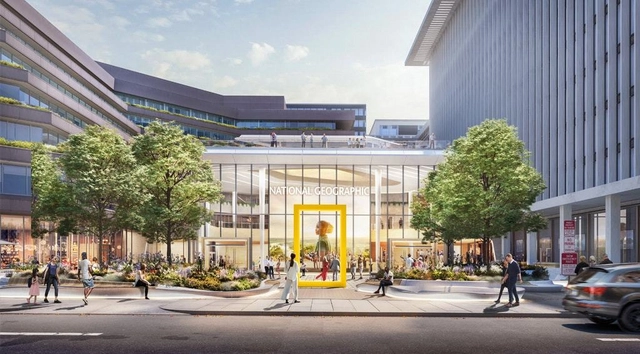
The MARABAR stone project by American sculptor Elyn Zimmerman is slated to be demolished at the National Geographic headquarters. Located in Washington D.C., it includes more than a million pounds of placed granite. Sited within buildings by Edward Durell Stone and Skidmore, Owings & Merrill, the publicly accessible plaza would be demolished to accommodate a new pavilion.
AI in the architecture industry has provoked much debate in recent years - yet it seems like very few of us know exactly what it is or why it has created this storm of emotions. There are professionals researching AI who know more about the field than I do, but I have hands-on experience using AI and algorithms in my design over the past 10 years through various projects. This is one of the challenges that our field faces. How can we make practical use of these new tools?
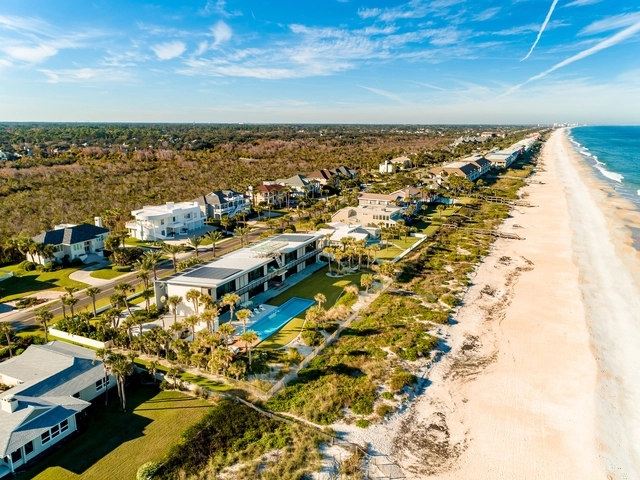
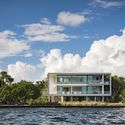
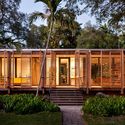
Located in the southern region of the United States, the state of Florida is one of the most populous states and the 22nd largest. The state hosts some of the most populated areas in the country, such as Jacksonville and the Miami Metropolitan Area.
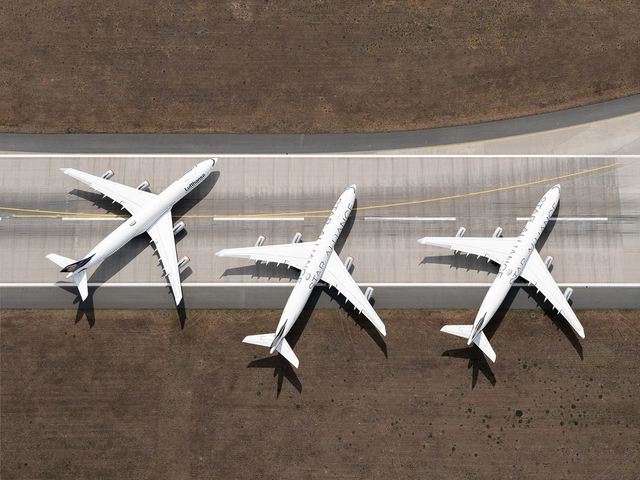
The COVID-19 pandemic has transformed how we travel and come together. As streets and buildings became empty and people practice social distancing, so too have airports experienced a tremendous decline in passengers and flights. As the aviation industry shaped globalization, it has also contributed to how quickly the disease spread. In a new aerial series, photographer Tom Hegen explores the pandemic's impact on aviation from above.
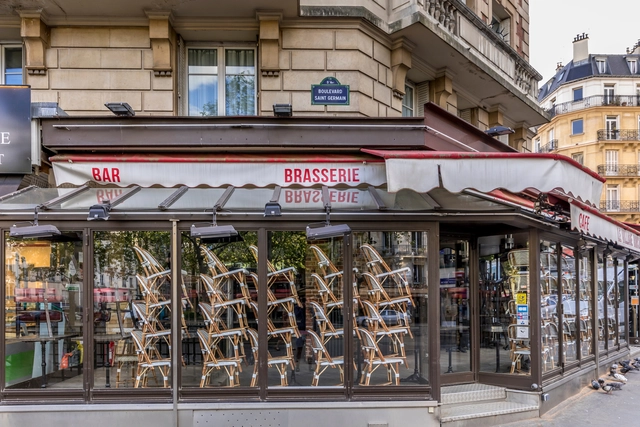
Paris, France - April 17, 2020: Restaurant brasserie on Boulevard Saint Germain is closed due to epidemic of coronavirus COVID19 in Paris.. Image via Shutterstock/ By Jerome LABOUYRIE
MASS Design Group has released a guideline for restaurants in response to the coronavirus pandemic, to help these business reopen safely, viably, and vibrantly. Based on world health recommendations, the drafted protocols aim to keep both staff and customers safe, as well as facilitate operations.
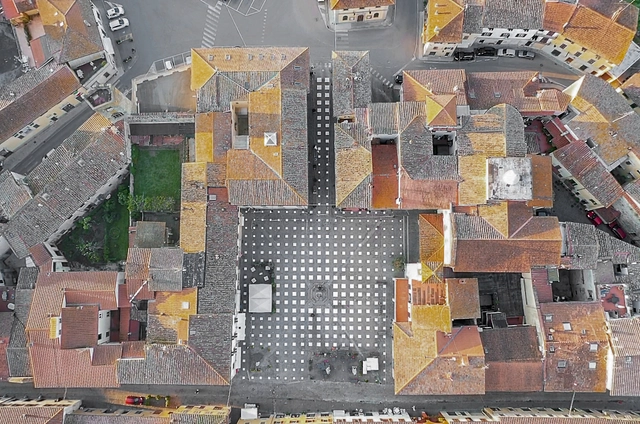
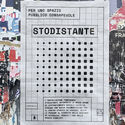
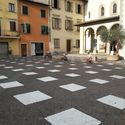
As architects around the world reimagine public spaces in the midst of the coronavirus, Italian architecture firm Caret Studio has envisioned the “StoDistante” installation. Searching to reconcile people with the outdoors, and allowing theses spaces to reopen safely while respecting the social distancing measures, Caret Studio created a temporary installation that reflects our current situation.








.jpg?1589391920 "© Andrew Song")

.jpg?1589371854&format=webp&width=640&height=580)